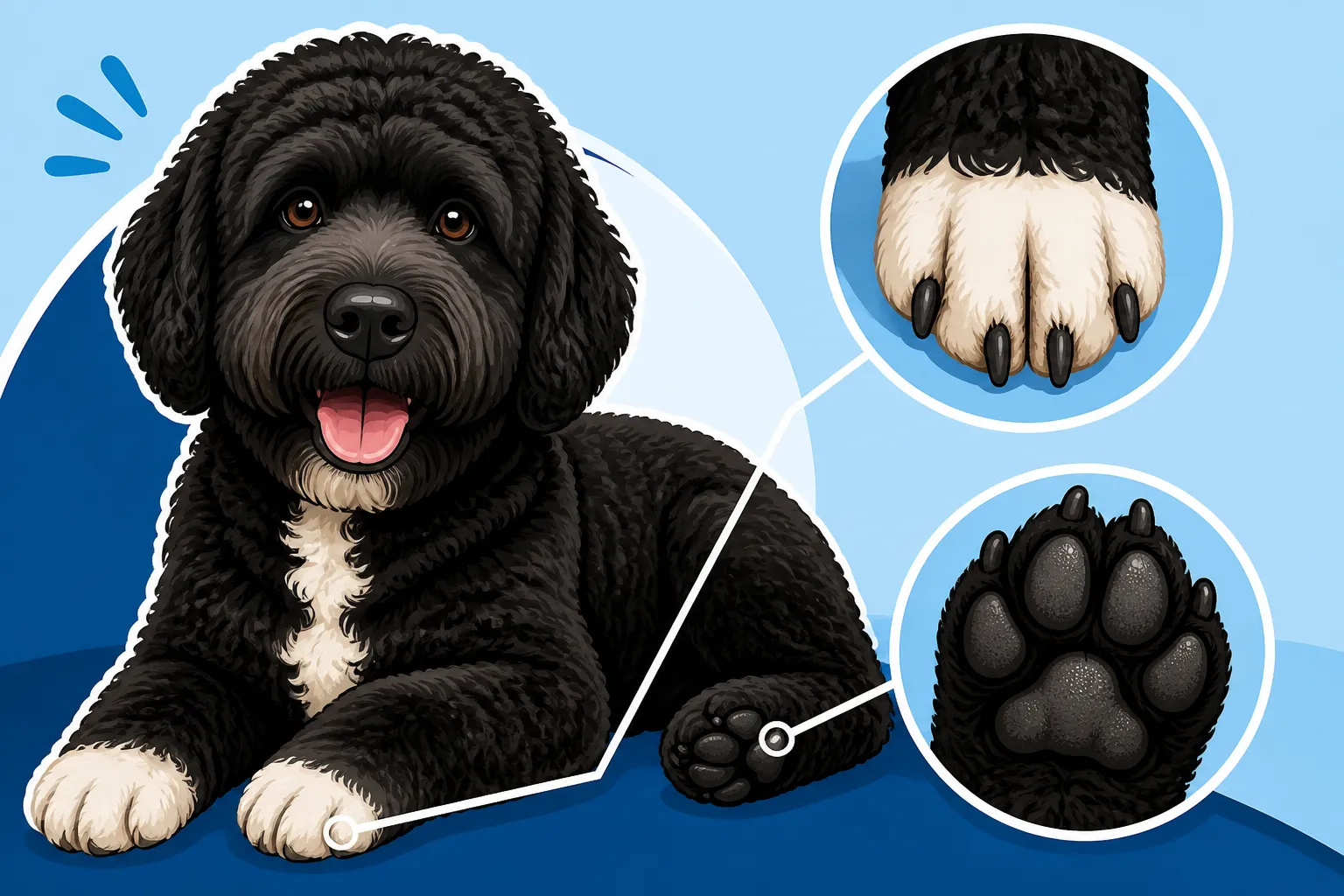
Nails, Feet and Webbing on a Portuguese Water Dog
Let's face it, your Portuguese Water Dog's paws are not just cute; they're intricate marvels designed for a life of water work, but they can also be a real headache to maintain. From those signature webbed feet to the surprisingly dense hair between their pads, neglecting their paw care can lead to discomfort, pain, and even expensive vet visits. This comprehensive guide is here to walk you through everything you need to know to keep your PWD's paws healthy and happy.
Understanding the Unique Portuguese Water Dog Foot
The Portuguese Water Dog's paws are truly a testament to their heritage as working dogs on the fishing boats of Portugal. They aren't just any dog paw; they're purpose-built, and understanding their unique structure is the first step in providing the best care. Many new PWD owners are caught off guard by just how different these paws are from other breeds, and it's easy to overlook crucial details if you don't know what to look for.
The Webbed Wonders: What Makes Their Feet Special
Ah, the webbing! This is perhaps the most distinctive feature of a Portuguese Water Dog's foot, and it’s why they are such incredible swimmers. Their toes are connected by a strong membrane, much like a duck's foot, allowing them to paddle with impressive power and efficiency through the water. This webbing isn't just for show; it's a vital tool that allowed them to retrieve fishing nets, herd fish, and even carry messages between boats in their ancestral home. It's a key part of what makes them a "water dog" in every sense of the word.
However, this wonderful adaptation also comes with its own set of challenges for us owners. While the webbing itself is quite resilient, the skin within these folds can become a hotbed for moisture, debris, and potential irritation if not properly managed. After every swim, whether in a lake, ocean, or even a backyard pool, it's essential to thoroughly rinse and dry between those webbed toes to prevent skin issues. Think of it like taking care of your own feet after a long swim; trapped moisture can lead to problems.
The Double-Edged Sword: Dense Fur Between the Pads
Beyond the webbing, another characteristic that sets the PWD paw apart is the thick, often curly, fur that grows between their paw pads. On one hand, this dense hair provides a natural cushioning and protection for their pads, especially when navigating rocky shorelines or rough terrain while working. It's another evolutionary trait that served them well in their working lives.
On the other hand, this luxuriant growth can quickly become a problem if left untended. This fur can easily mat, trapping dirt, burrs, small stones, and even ice balls in winter. Imagine trying to walk with a small pebble constantly digging into your arch – that's what a matted chunk of fur can feel like for your PWD. Furthermore, matted fur reduces traction, making your dog more prone to slipping on smooth floors, which can lead to injuries like Cruciate Tears in a Portuguese Water Dog. It also retains moisture, contributing to skin infections and unpleasant odors.
Strong Nails for a Working Dog: Not Just for Show
Portuguese Water Dogs possess strong, sturdy nails, befitting a breed that needed to maintain solid footing on slippery boat decks or scramble on uneven ground. These nails, while robust, are also susceptible to becoming overgrown if not regularly maintained. Unlike wild canids whose nails are naturally worn down by constant activity on varied terrains, our domesticated PWDs often spend more time on softer surfaces like carpets, lawns, or even concrete sidewalks that don't always provide sufficient natural abrasion.
When a PWD's nails grow too long, they can cause a cascade of problems. The nails will push back into the nail bed, putting pressure on the toe joints and causing discomfort, or even pain. This can alter their gait, leading to splayed feet or issues with their overall posture and balance. Over time, persistently long nails can contribute to arthritis and other joint problems, especially as your dog ages. It's not just about aesthetics; it's fundamental to their comfort and long-term joint health.
The Importance of Regular Nail Care
Many Portuguese Water Dog owners, especially those new to the breed, underestimate just how critical regular nail care is. It's not just a cosmetic chore; it's a foundational element of your dog's overall well-being. Skipping this routine can lead to a host of preventable issues that can impact their mobility and quality of life.
Why Short Nails Matter: Comfort, Health, and Gait
Think about how uncomfortable it would be if your shoes were too small and your toes were constantly jammed. That's a bit like what persistently long nails feel like for your PWD. When the nails extend too far, they hit the ground before the paw pads do, pushing the toes upwards and backwards. This puts unnatural pressure on the toe joints and forces the foot into an incorrect angle. Over time, this can lead to chronically splayed toes, painful inflammation, and even permanent structural changes in the foot and leg.
Beyond immediate comfort, the ripple effect on their health and gait can be significant. A dog with painful feet will naturally try to compensate, shifting their weight and altering how they walk. This can throw off their entire musculoskeletal alignment, leading to strain on their wrists, elbows, shoulders, hips, and spine. What starts as a simple nail issue can contribute to more serious conditions like Hip Dysplasia in a Portuguese Water Dog or general lameness. Maintaining short nails allows your PWD to walk and run in a natural, balanced way, promoting good posture and reducing the risk of joint stress.
How Often a Portuguese Water Dog's Nails Need Trimming
There's no single "magic number" for how often a PWD's nails need trimming, as it can vary based on their activity level, individual nail growth rate, and even diet. However, a general rule of thumb is every 2-4 weeks. For very active dogs who spend a lot of time on abrasive surfaces like pavement or concrete, their nails might wear down more naturally, requiring less frequent intervention. Conversely, a PWD who primarily walks on grass or soft indoor surfaces will likely need more frequent trims.
The best indicator is the sound of their nails. If you can hear their nails clicking on hard floors when they walk, they are too long and need attention. The goal is to keep the nails short enough so they don't touch the ground when your dog is standing normally. Getting into a consistent routine, even if it's just a little bit off each nail every week, can be more effective and less stressful than trying to take off a lot of length all at once every month. Consistency is key to keeping the quick (the blood vessel and nerve within the nail) receded.
Recognizing the Signs of Overgrown Nails
Spotting overgrown nails isn't always obvious under a PWD's thick coat, but once you know what to look for, you'll catch them quickly. The most common and clearest sign is the clicking sound their nails make on hard surfaces. If your PWD sounds like a tap dancer on your kitchen floor, it’s definitely time for a trim. Beyond the sound, observe their posture and how they stand. Overgrown nails can cause their toes to splay out unnaturally.
Another tell-tale sign is changes in their movement. They might seem hesitant to walk or run on certain surfaces, or they might shift their weight uncomfortably. You might notice them favoring certain paws or walking with an altered gait. If you look at their paw, you may see that the nails are curving under, or even starting to grow back into the paw pad, which is extremely painful. Don't ignore these subtle cues; they're your dog's way of telling you something is amiss with their feet.
Mastering Nail Trimming Techniques at Home
Nail trimming can be a source of anxiety for both dogs and owners, but with the right tools, technique, and a lot of patience, you can absolutely master it at home. It’s an essential skill for any PWD owner, saving you trips to the groomer and fostering a closer bond with your dog.
Choosing the Right Tools: Clippers vs. Dremel
When it comes to trimming your Portuguese Water Dog's nails, you generally have two main choices: clippers or a Dremel-style rotary tool. Each has its pros and cons, and what works best often comes down to your dog's temperament, your confidence, and the specific characteristics of their nails.
Nail Clippers:
There are two main types of clippers: scissor-style and guillotine-style. For a sturdy PWD nail, many owners find scissor-style clippers, often with a spring-loaded action, to be more robust and provide a cleaner cut. Brands like Safari or Millers Forge are popular choices and can often be found on Chewy or Amazon. Clippers are generally faster, which can be a huge advantage if your dog has limited patience. However, there's a higher risk of cutting too much and hitting the quick, especially with black nails where the quick is invisible. They also leave a sharper edge, which might need filing.
Dremel/Rotary Tool:
A Dremel, or a similar battery-operated pet nail grinder, files the nail down gradually. This method is often less stressful for dogs who dislike the 'snip' sensation of clippers and significantly reduces the risk of cutting the quick. The slow removal allows you to clearly see the nail structure and stop well before you reach the sensitive area. However, Dremels can be noisy and vibrate, which some dogs find alarming. They also take longer to use, require careful handling to prevent hair entanglement, and generate dust. But for dogs with thick, dark nails, a Dremel can be a lifesaesaver for achieving a consistently short, smooth nail. Many brands offer quiet, cordless versions specifically for pets, which you can also find on Amazon.
| Feature | Nail Clippers | Dremel / Rotary Tool |
|---|---|---|
| Speed | Faster, quick snips | Slower, gradual grinding |
| Risk of Quicking | Higher, especially with dark nails | Lower, as material is removed slowly |
| Sound/Vibration | Minimal 'snip' sound, no vibration | Can be noisy and vibrate, may scare some dogs |
| Finish | Can leave sharp edges, may require filing | Smooth, rounded edges |
| Learning Curve | Relatively quick to learn, but quick to make mistakes | Requires patience and desensitization for the dog |
| Cost | Inexpensive | Higher initial cost, requires replacement sanding bands |
| Suitability | Good for quick trims, if dog tolerates clipping | Excellent for maintaining short nails and receding quicks |
Step-by-Step Nail Trimming with Clippers
If you opt for clippers, here’s how to approach it safely:
- Gather Your Supplies: Have your sharp clippers, styptic powder (like Kwik Stop, available on Chewy) or cornstarch ready in case you cut too far, and plenty of high-value treats.
- Find a Good Position: Sit your PWD in a comfortable position where you can easily access their paws. Many owners find it easiest with the dog lying on their side or sitting with their paw extended.
- Identify the Quick: This is the most crucial part. The quick is the pink fleshy part inside the nail that contains blood vessels and nerves. Cutting into it is painful and will cause bleeding.
- On clear or white nails: The quick is easy to see as a pinkish area within the transparent nail.
- On black or dark nails: This is where it gets tricky. Look at the underside of the nail. As you trim thin slices, you'll see a white or greyish center surrounded by black. As you get closer to the quick, the center will appear as a small dark circle or dot. Stop when you see this, or just before.
- Take Small Snips: It's always better to take off tiny amounts at a time than to cut too much. Position the clippers at a 45-degree angle, just below where the quick is visible (or where you estimate it to be in dark nails). Snip cleanly and quickly.
- Praise and Treat: After each nail (or even after each snip if your dog is particularly sensitive), offer praise and a treat. This helps create a positive association with the process.
- Don't Forget the Dewclaws: If your PWD has dewclaws (the thumb-like claw higher up on the leg), remember to trim those too. They don't touch the ground, so they don't wear down naturally and can easily grow so long they curl around and grow into the paw pad.
- Smooth the Edges (Optional): If the clipped edges are sharp, you can use a small nail file or the Dremel on a very low setting to smooth them out.
Introducing and Using a Dremel for Smooth Nails
Using a Dremel can be a game-changer for PWD nails, but it requires a patient introduction:
- Desensitization Phase 1: Sound and Vibration: Before even touching a paw, let your dog get used to the sound and vibration. Turn the Dremel on (away from your dog) and immediately offer a high-value treat. Repeat this several times a day for a few days, gradually bringing the running Dremel closer to them. The goal is for them to associate the sound with delicious rewards. You can even place the running Dremel gently against your own fingernail so they see it's not hurting you.
- Desensitization Phase 2: Touch: Once they're comfortable with the sound, gently touch the back of the Dremel (not the grinding part) to their paw, then offer a treat. Gradually progress to touching it to a nail for a split second, then treat. Build up the duration of the touch.
- Grinding Technique: When your dog is calm and accepting, turn the Dremel on low. Hold the paw firmly but gently, pushing the hair between the pads away from the nail. Take one nail at a time.
- Grind in Bursts: Touch the spinning bit to the tip of the nail for only 1-2 seconds, then lift off. This prevents heat buildup which can be uncomfortable.
- Angle: Hold the Dremel so it grinds the nail from the bottom up, angling it slightly upwards towards the quick.
- Watch for the Quick: As you grind, you'll see a white ring, then a small dark dot appear in the center of the nail. This is your cue to stop. You want to get as close to this as possible without touching it.
- Round the Edges: The Dremel naturally rounds the edges, leaving a smooth finish.
- Praise and Treat Extensively: Keep the sessions short and positive. If your dog gets stressed, stop and try again later. Reward heavily throughout the process.
Dealing with the Dreaded Quick: What to Do
Every owner’s worst nightmare: cutting into the quick. It happens to the best of us, and while it's distressing, it's manageable.
- Stay Calm: Your dog will react to your stress. Take a deep breath. It's a minor injury, and they'll be okay.
- Apply Styptic Powder: Immediately apply styptic powder (like Kwik Stop) generously to the bleeding nail. Press it firmly onto the bleeding tip for 10-20 seconds. This powder contains a coagulant that will help stop the bleeding quickly. If you don't have styptic powder, cornstarch or flour can work in a pinch, though less effectively.
- Reassure Your Dog: Comfort your PWD gently. Don't scold them or act overly dramatic. Offer a treat and calm praise to help them recover from the shock.
- Monitor: The bleeding should stop fairly quickly. Keep an eye on the paw for the next hour to ensure it doesn't restart. Avoid letting them run around on rough surfaces immediately after.
- Prevention is Key: To minimize future quickings, remember to trim more frequently, taking off smaller amounts. Consistent trimming will encourage the quick to recede over time, making future trims easier and safer.
Managing the Fur Between the Pads
That charming, dense coat of a Portuguese Water Dog, while wonderful for insulation and preventing matting on their body, can become a real nuisance between their paw pads. Neglecting this area is a common oversight that leads to many paw-related issues.
Why That Extra Hair Needs Trimming: Traction and Hygiene
The hair that grows between your PWD's paw pads can create a number of problems if allowed to grow too long and unruly. Firstly, it reduces the natural traction of their paw pads. Imagine walking on a shaggy carpet on roller skates – that's a bit what it feels like for your PWD on a smooth floor when their paw pad hair is overgrown. They lose their grip, increasing the risk of slips and falls, which can lead to painful strains or more serious injuries like Patellar Luxation in a Portuguese Water Dog or sprains.
Secondly, it's a hygiene nightmare. This dense fur acts like a sponge, soaking up moisture from grass, puddles, or swims, and trapping it against the skin, creating a perfect breeding ground for bacteria and yeast. This can lead to nasty, itchy, and painful paw pad infections. Furthermore, it collects all sorts of debris: dirt, burrs, tiny sticks, mud, and even chewing gum. In winter, snow and ice can clump into painful ice balls between the pads, making walking excruciating. Keeping this hair trimmed is paramount for both comfort and cleanliness.
The Tools for Trimming Paw Pad Hair
You don't need a full grooming salon setup to keep your PWD's paw pad hair in check, but having the right tools makes a huge difference.
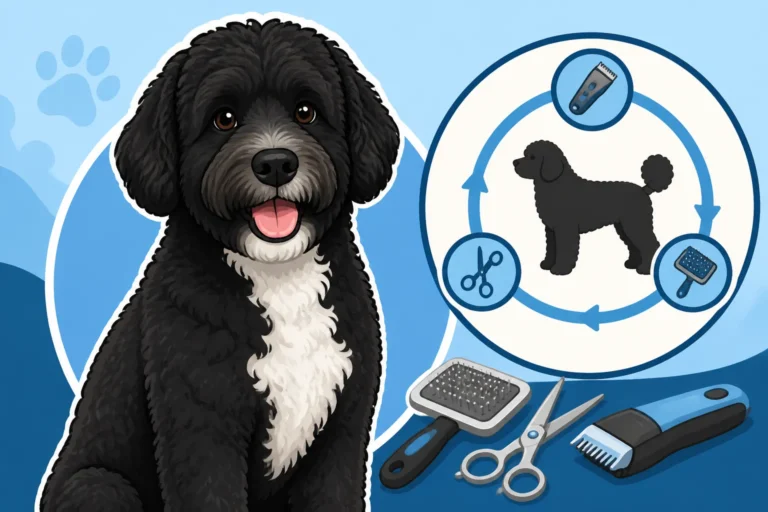
- Small, Blunt-Nosed Scissors: These are a must-have. The blunt tips significantly reduce the risk of accidentally poking or cutting your dog's sensitive paw pads. Look for grooming scissors specifically designed for paw pads or faces. They are typically small, easy to maneuver, and very sharp for clean cuts.
- Small Trimmer/Clipper: A small, quiet, cordless clipper, often marketed for "face and paw" trimming, can be a fantastic investment. These clippers are usually very quiet, have fine blades, and are perfect for getting into tight spaces between the pads. They are often less intimidating for dogs than larger clippers and provide a smoother, more even trim.
- Combs: A small, fine-toothed metal comb is invaluable for separating the fur and ensuring there are no mats hidden deep within. It also helps to lift the hair for a more precise trim.
You can find all these tools readily available on pet supply sites like Chewy or general retailers like Amazon. Investing in good quality, sharp tools will make the job safer, quicker, and more comfortable for your PWD.
A Gentle Approach to Trimming Paw Pad Fur
Trimming paw pad fur requires care and patience, but it's a skill you can easily master:
- Start with Clean, Dry Paws: It's much easier and safer to trim clean, dry fur. Wet fur is difficult to cut and can lead to uneven results. Make sure there's no dirt or debris tangled in the hair.
- Position Your Dog Comfortably: Just like with nail trimming, find a position where your dog is relaxed and you have clear access to their paw pads. A non-slip mat on a table can help them feel secure, or you can have them lie on their side.
- Use Your Comb: Gently comb through the fur between the pads to remove any tangles and lift the hair up. This helps you see how much needs to be trimmed.
- Use Scissors or Clippers with Caution:
- With Scissors: Spread the paw pads gently with your fingers to expose the excess hair. Hold the blunt-nosed scissors parallel to the paw pad, never pointing them directly into the pad. Only trim the hair that is protruding beyond the pad surface. Snip small amounts at a time. Work slowly and carefully, being mindful of the sensitive skin.
- With Clippers: If using a small clipper, gently pull the paw pad taut to create a flat surface. Run the clipper blade against the direction of hair growth, carefully trimming the hair flush with the paw pads. Be cautious around the delicate skin of the webbing and between the toes.
- Check for Mats: As you go, feel carefully for any hidden mats close to the skin. If you find a mat, it's usually best to carefully use the blunt-nosed scissors to snip it out rather than trying to comb through it, as that can be painful.
- Reward Generously: Offer plenty of praise and treats throughout the process. Keep sessions short, especially when you're both learning. The goal is for your PWD to associate paw handling with positive experiences. Consistency in these quick trims will prevent the hair from getting overwhelmingly long.
Caring for the Webbing and Pads Themselves
Beyond the nails and the fur, the very skin of your Portuguese Water Dog's paws – the webbing and the pads – requires direct attention. These areas are constantly exposed to various elements and can be surprisingly vulnerable despite their tough appearance.
Why a Portuguese Water Dog's Webbing Needs Checking
The unique webbing between your PWD's toes is a marvel for swimming, but it's also a trap for trouble if not regularly inspected. Because the skin folds tightly in these areas, it's prone to retaining moisture, dirt, sand, small stones, and even tiny seeds or burrs. These trapped elements can cause irritation, chafing, and lead to various skin issues, from yeast infections to bacterial dermatitis. You might notice your PWD licking excessively at their paws, which is a classic sign of discomfort.
Regularly checking the webbing means gently spreading each toe apart and visually inspecting the skin for redness, swelling, cuts, abrasions, or any foreign objects. Pay close attention after walks on rough terrain, sandy beaches, or after any swim. A quick rinse with clean water and thorough drying of these areas after every exposure to wet or dirty environments is crucial. Neglecting this small step can lead to persistent paw problems that are much harder and more expensive to treat down the line.
Protecting Those Tough, Yet Sensitive, Paw Pads
While a Portuguese Water Dog's paw pads are designed to be resilient, they aren't invincible. They face daily assaults from various environmental factors that can cause damage, from cracking and dryness to burns and abrasions.
- Hot Pavement: In summer, asphalt and concrete can reach scorching temperatures, easily burning your dog's paw pads. If it's too hot for your bare hand, it's too hot for their paws. Try to walk your PWD during cooler parts of the day, stick to grassy areas, or consider protective paw booties.
- Ice and Snow: Winter brings its own challenges. Ice, snow, and especially de-icing salts can dry out and crack paw pads, as well as cause irritation and chemical burns. The thick fur between the pads, if not trimmed, can collect painful ice balls.
- Rough Terrain: Hiking on rocky trails or scrambling over abrasive surfaces can lead to cuts, scrapes, and excessive wear on the pads.
- Chemicals: Fertilizers, pesticides, or cleaning products on floors can irritate or burn paw pads. Always rinse paws after walks in treated areas.
To protect them, consider using a paw balm (many good options on Chewy or Amazon) to keep pads moisturized and pliable, preventing cracks. These balms also create a protective barrier against harsh elements. If your PWD is consistently active on challenging surfaces, dog booties can provide an excellent layer of protection.
Addressing Common Paw Problems: Cuts, Cracks, and Infections
Despite our best efforts, paw problems can still arise. Knowing how to react and when to seek professional help is vital.
- Minor Cuts and Abrasions: For small cuts, gently clean the wound with a mild antiseptic solution (like diluted povidone-iodine, not alcohol). Apply a thin layer of antibiotic ointment and cover with a light, non-stick bandage if necessary to keep it clean. Change the bandage daily. If the cut is deep, wide, or bleeding profusely, it’s time for a vet visit.
- Cracked Pads: Dry, cracked pads are often a sign of dehydration or exposure to harsh elements. Regularly apply a quality paw balm to help heal and prevent further cracking. Ensure your PWD has access to plenty of fresh water. If cracks are deep, painful, or become infected, a vet visit is needed.
- Infections: Paw infections are common in PWDs due to their webbed feet and dense interdigital fur trapping moisture. Signs include excessive licking or chewing of the paw, redness, swelling, discharge, a foul odor, limping, or pain when the paw is touched. Yeast infections often have a distinctive Frito-like smell. Bacterial infections might show pus.
- Home Care (for mild cases): Keep the paws clean and dry. Foot soaks with Epsom salts or diluted apple cider vinegar can help dry out yeast. However, if symptoms persist for more than a day or two, or worsen, it's crucial to see your veterinarian. They can diagnose the specific type of infection and prescribe appropriate antifungal or antibiotic medications. Untreated paw infections can become chronic and very painful.
Remember, your PWD is a stoic breed and might try to hide pain. Any persistent licking, limping, or reluctance to bear weight on a paw warrants a close inspection and potential vet consultation.
Integrating Paw Care into Your Grooming Routine
Paw care isn't a standalone task; it's an integral part of your Portuguese Water Dog's overall grooming and health regimen. Making it a regular, positive experience benefits both you and your dog.
Making Paw Care a Positive Experience
For many dogs, having their paws handled can be a source of anxiety. It's often an area that is sensitive, and previous negative experiences (like a quicked nail) can exacerbate this fear. To make paw care a positive experience for your PWD, consistency and positive reinforcement are key.
- Start Early: If you have a puppy, begin handling their paws gently and frequently from day one. Touch their toes, rub their pads, and simulate nail trims (even if you're not actually trimming).
- Short, Sweet Sessions: Keep paw handling sessions very short initially – just a few seconds. Gradually increase the duration as your dog becomes more comfortable.
- High-Value Rewards: Pair every positive touch, every snip, every grind with a delicious, high-value treat and enthusiastic praise. The goal is for your PWD to associate paw care with good things happening.
- Calm Demeanor: Your energy is contagious. If you're stressed, your dog will pick up on it. Remain calm, confident, and patient.
- Take Breaks: If your dog shows signs of stress (tensing up, pulling away, panting, lip licking), take a break. Push too hard, and you risk creating a lasting negative association.
- Practice Between Trims: Don't just handle paws when it's time for a trim. Regularly give paw massages, play with their toes, and check between the pads without doing any "work." This builds trust and normalizes the handling. How Many Hours a Week a Portuguese Water Dog Really Takes certainly includes time dedicated to positive handling and grooming!
The Link Between Paw Care and Overall Health
You might think of paw care as a minor detail, but it profoundly impacts your PWD's overall health and happiness. Well-maintained paws mean comfortable movement, which encourages an active lifestyle. An active PWD is a happy and healthy PWD, better able to get How Much Exercise a Portuguese Water Dog Needs and maintain a healthy weight. When their paws hurt, they move less, which can lead to weight gain, muscle atrophy, and a decline in their joyful spirit.
Furthermore, regular paw inspections allow for early detection of other health issues. You might spot a small lump or cyst, a tick embedded between toes, an early sign of an allergic reaction, or even changes in pad texture that could indicate an underlying systemic issue. Their paw pads, like their eyes and ears (which also need weekly checking as discussed in Why a Portuguese Water Dog's Ears Need Checking Every Week), are often early indicators of larger problems. Consistent paw care makes you intimately familiar with your dog's normal condition, enabling you to notice any abnormalities right away.
When to Seek Professional Help
While home care is essential, there are times when professional intervention is necessary. Don't hesitate to seek help when:
- Persistent Fear or Aggression: If your PWD has developed a strong aversion to paw handling, showing fear, growling, or snapping, a professional groomer or vet can often achieve the necessary care more safely. They might have techniques or tools that reduce stress for the dog, or a vet can suggest behavioral modification strategies.
- Severely Overgrown Nails: If the nails are extremely long and curling, or if the quick has grown very far out, it can be challenging and painful to bring them back to a healthy length at home. A vet or experienced groomer can often use specialized techniques to trim these nails safely, sometimes even recommending a very slight sedation for the most severe cases to prevent stress and pain.
- Deep Cuts or Persistent Lameness: Any deep lacerations, puncture wounds, or a limp that doesn't resolve within a day or two should always be evaluated by a veterinarian. These could indicate more serious injuries to tendons, ligaments, or bones.
- Recurring Infections: If your PWD suffers from chronic paw licking, redness, odor, or recurring infections, it's crucial to involve your vet. This could be a sign of underlying allergies, autoimmune issues, or deep-seated infections that require specific medication and diagnostics. Don't just treat the symptoms; get to the root cause.
- You're Unsure or Uncomfortable: If you're ever in doubt about how to perform a procedure or if you're simply not comfortable, it's always best to consult a professional. Your PWD's health and your peace of mind are worth it.
By dedicating time to understanding and maintaining your Portuguese Water Dog's paws, you're investing in their comfort, health, and ability to fully enjoy their active, water-loving life.
Disclaimer
This article is for general informational purposes only and does not constitute professional advice. Laws, prices and regulations vary by location and change over time. Consult a qualified professional for guidance on your specific situation.