Why the Obamas Chose a Portuguese Water Dog
When the Obamas welcomed Bo, their Portuguese Water Dog, into their family, a lot of people suddenly found themselves wondering, "What is a Portuguese Water Dog, anyway?" For a family that had specifically mentioned needing a dog that was friendly for allergy sufferers, the choice wasn't just a casual one. It spoke to a deeper understanding of specific breed traits, lifestyle needs, and the realities of living with a highly active, intelligent dog. This guide will dive into the particular characteristics of the Portuguese Water Dog that likely made it the ideal companion for the First Family, shedding light on why this unique breed became a global sensation.
The White House Dog and the Public Eye
The arrival of Bo, and later Sunny, at the White House catapulted the Portuguese Water Dog breed from relative obscurity into the global spotlight. Suddenly, everyone wanted to know more about these curly-coated, enthusiastic dogs. It sparked immense public interest, and for many, it was their first introduction to the breed, leading to both excitement and, at times, a misunderstanding of what PWDs truly entail.
Bo's Background and Public Introduction
Bo wasn't just any puppy; he was a carefully selected member of the First Family, a gift from Senator Ted Kennedy. The Obamas had made it clear during the presidential campaign that finding a dog that could live comfortably with their daughter Malia's allergies was a top priority. This immediately narrowed down the field of potential breeds considerably. The search was public, and the decision to welcome a Portuguese Water Dog was widely reported, giving the breed unprecedented exposure. The choice wasn't made lightly; it involved research into various breeds known for their "hypoallergenic" qualities, temperament, and suitability for a family with children and a very active, public life. The Year Bo the Portuguese Water Dog Arrived at the White House marked a turning point for the breed's visibility.
The "Obama Effect" on Breed Popularity
The moment Bo stepped onto the White House lawn, the demand for Portuguese Water Dogs skyrocketed. Breeders suddenly found their waitlists growing exponentially, with many people eager to have "an Obama dog." While the attention was undoubtedly good for the breed, it also brought challenges. Many prospective owners, captivated by Bo's charming image, weren't fully prepared for the breed's significant grooming, exercise, and training needs. This surge in popularity highlighted the importance of responsible breeding and educating new owners, as unfortunately, some breeders might have been tempted to cut corners to meet demand. The unexpected fame created a unique market shift, leading many to ask Whether the Obama Years Raised Portuguese Water Dog Prices.
The Allergic Family's Dilemma: Finding a Hypoallergenic Friend
One of the most significant factors in the Obamas' choice was the need for a dog compatible with allergies. For families where a loved one suffers from pet allergies, finding the right canine companion can feel like an impossible quest, filled with endless research and heartbreaking compromises. The Portuguese Water Dog stood out as a viable option.
Understanding "Hypoallergenic" Coats
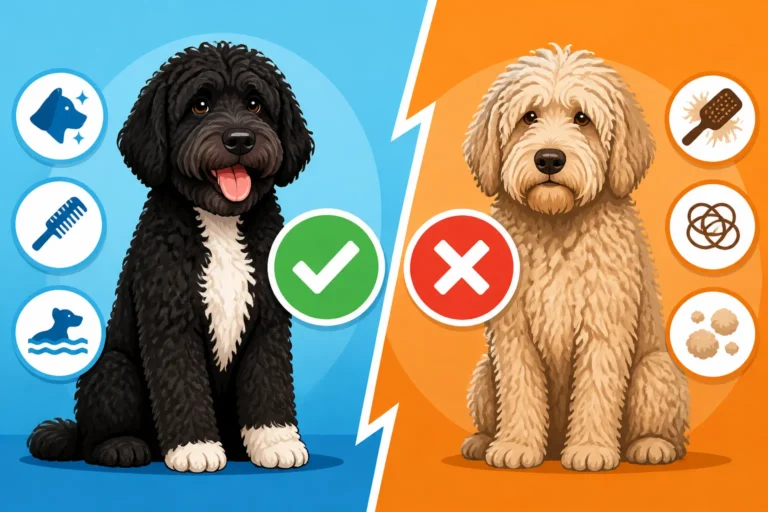
It's crucial to understand that no dog is 100% hypoallergenic. The term generally refers to breeds that produce less dander (tiny flakes of skin), shed less, and therefore release fewer allergens into the environment. Most dog allergies are triggered not by the hair itself, but by proteins found in a dog's dander, saliva, and urine. Breeds with coats like the Portuguese Water Dog's, which are single-layered and don't have an undercoat, tend to shed very little. Their curly or wavy hair often traps dander, preventing it from becoming airborne. This doesn't mean zero allergens, but it significantly reduces the amount circulating, making them much more tolerable for many allergy sufferers. How Portuguese Water Dog Is Hypoallergenic is a common question, and it's all about how their unique coat minimizes environmental allergens.
Why the Portuguese Water Dog Was a Top Contender
Given the allergy concerns, the Portuguese Water Dog naturally rose to the top of the list. Their distinct non-shedding, single coat was a major selling point. Unlike many other breeds that constantly drop hair and dander, PWDs largely keep allergens contained within their dense coats. This characteristic, combined with their moderate size and family-friendly reputation, made them an excellent fit for a household needing an allergy-conscious pet. Other breeds often considered include Standard Poodles and some "Doodle" mixes, but the PWD offered a unique combination of qualities that appealed to the family. They needed a dog that could not only be around the allergic family member without causing severe reactions but also handle the demands of an active, high-profile life.
Beyond Allergies: Temperament and Trainability
While allergies were a primary concern, the Obamas certainly weren't going to compromise on temperament and trainability. A dog living in the White House, interacting with numerous staff, guests, and frequently traveling, needed to be exceptionally well-behaved, intelligent, and adaptable. The Portuguese Water Dog's inherent nature fits this bill remarkably well.
The Working Dog's Intellect and Drive
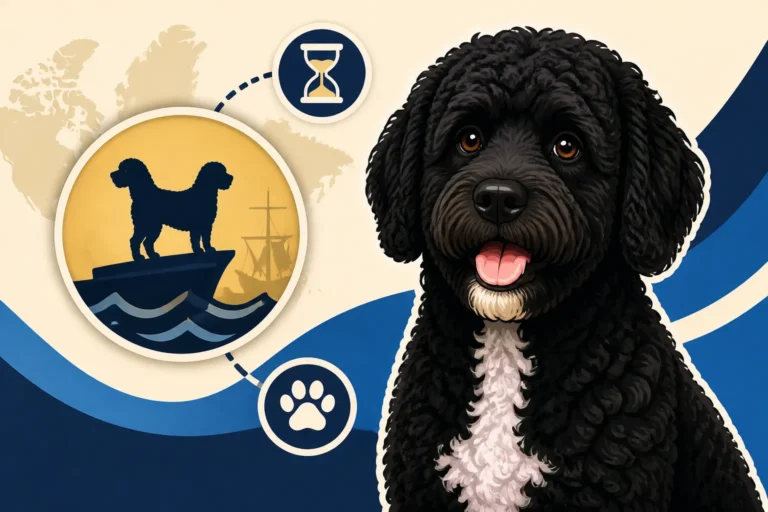
Portuguese Water Dogs are incredibly intelligent and were originally bred for demanding work alongside fishermen on the coasts of Portugal. Their job involved retrieving lost tackle, herding fish into nets, and carrying messages between boats. This background instilled in them a sharp mind, a strong desire to please, and a high level of problem-solving ability. This intellectual capacity translates into a dog that is highly trainable and thrives on having a "job" to do, whether it's learning complex tricks, participating in dog sports, or simply being a well-mannered family member. For a family in the public eye, a dog that could quickly learn house rules and respond reliably to commands was paramount. PWDs are known for their ability to learn quickly, though their independent spirit means they often think for themselves, which can be both charming and challenging! Where the Portuguese Water Dog Ranks for Obedience Intelligence is often high, but they require engaging training methods.
Social Nature and Adaptability
PWDs are generally known for their outgoing, friendly, and affectionate personalities. They tend to form strong bonds with their families and are typically good with children and other pets, especially if properly socialized from a young age. This social nature would have been crucial for a White House dog, who would encounter many new faces daily, from dignitaries to maintenance staff. Their adaptability also means they can adjust to various environments and routines, which would be essential for a dog accompanying the President and First Lady on travels or adapting to changes in schedule. They have a certain zest for life that makes them engaging companions, capable of bringing joy and levity to even the most serious surroundings. This innate sociability helped Bo and Sunny integrate seamlessly into their unique home.
The Energetic Companion: Meeting a PWD's Exercise Needs
Many people, seeing a cute, curly dog, might not realize the powerhouse of energy and athleticism that lies beneath the coat. The Portuguese Water Dog is not a breed content with a leisurely stroll around the block. They were bred for a demanding life at sea, and that intense drive for activity remains strong.
Built for Work and Water
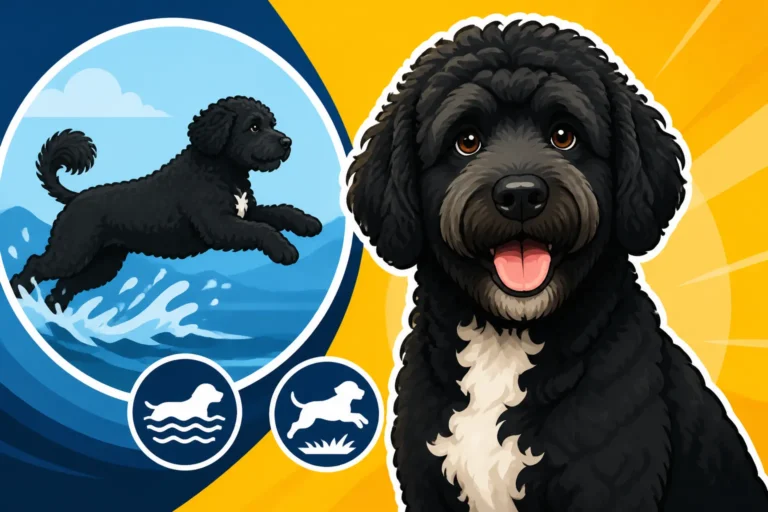
The history of the Portuguese Water Dog is intrinsically linked to the ocean. They are true working dogs, with a robust build, powerful swimming capabilities, and webbed feet perfect for navigating water. Their ancestors spent hours in the Atlantic, retrieving, diving, and assisting fishermen. This heritage means that a PWD isn't just a dog that likes water; for many, it's an essential part of their being. They need ample opportunity to run, play, and ideally, swim. Denying a PWD regular, vigorous exercise can lead to boredom, destructive behaviors, and overall unhappiness. For the Obamas, having access to secure, expansive grounds would have made meeting these needs more feasible than for the average apartment dweller. A Portuguese Water Dog Was Bred to Work a Boat, Not a Yard, and understanding this heritage is key to understanding their energy levels.
The Daily Commitment to Exercise and Mental Stimulation
Owning a Portuguese Water Dog is a commitment to an active lifestyle. These dogs require significant daily exercise – think long walks, runs, energetic games of fetch, and ideally, swimming. Beyond physical exertion, their sharp minds also need consistent mental stimulation. Puzzle toys, training sessions, and interactive games are vital to keep them engaged and prevent boredom-induced mischief. A bored PWD can quickly become a destructive PWD, turning household items into chew toys or developing nuisance behaviors like excessive barking. Providing a varied routine, perhaps with regular walks around the White House grounds, games on the South Lawn, or even specialized training, would have been essential for Bo and Sunny. When considering toys or enrichment items for your own PWD, you can find a huge variety of mentally stimulating options at places like Chewy. It's a testament to the family's commitment that they were prepared for What a Portuguese Water Dog Needs Every Day.
The Realities of PWD Ownership: Grooming and Care
While the low-shedding aspect of the Portuguese Water Dog's coat is a huge benefit for allergy sufferers, it comes with its own set of responsibilities, particularly regarding grooming. Many new owners are surprised by the sheer amount of maintenance these distinctive coats require.
The Curly/Wavy Coat and Grooming Requirements
The Portuguese Water Dog comes in two coat types: curly and wavy. Both are single-coated and non-shedding, but they are prone to matting if not regularly maintained. This means daily or every-other-day brushing is often necessary, especially during adolescence when their puppy coat is transitioning to an adult coat. Without diligent brushing, mats can form quickly, becoming painful and requiring professional dematting or even shaving down. Regular clipping is also essential, usually every 6-8 weeks, to keep the coat at a manageable length and prevent it from becoming too dense. There are two primary clips: the "Retriever clip," which is a uniform, shorter cut, and the more traditional "Lion clip," which leaves the muzzle, hindquarters, and a plume on the tail longer. For most pet owners, the Retriever clip is more practical for everyday maintenance. The Clip You Choose Decides a Portuguese Water Dog's Grooming Bill, but home grooming requires an investment in time and quality tools, many of which are available on Chewy.
Health Considerations and Breeder Responsibility
Like all purebred dogs, Portuguese Water Dogs can be predisposed to certain genetic health conditions. Responsible breeders diligently screen their breeding stock for these issues to minimize their occurrence in future generations. Key health concerns in the breed include hip dysplasia, progressive retinal atrophy (PRA), GM1 gangliosidosis (a storage disease), and juvenile dilated cardiomyopathy (JDCM), a heart condition. Addison's disease, an endocrine disorder, is also seen in the breed. When selecting a Portuguese Water Dog, it is absolutely critical to work with a reputable breeder who performs all recommended health clearances and can provide documentation of these tests for both parents. The Orthopedic Foundation for Animals (OFA) and Canine Eye Registry Foundation (CERF) are common registries for these health certifications. Ensuring a healthy puppy from the outset can save owners immense heartache and veterinary bills down the line, so always ask What a Portuguese Water Dog Breeder Should Have Tested.
Portuguese Water Dog Traits and Owner Responsibilities
To summarize the key characteristics that made the Portuguese Water Dog an appealing choice for the Obamas, and what prospective owners should be aware of, here's a helpful overview:
| Trait Category | Portuguese Water Dog Characteristic | Owner Responsibility |
|---|---|---|
| Coat | Single, curly/wavy, non-shedding, "hypoallergenic" | Daily brushing to prevent mats, professional grooming every 6-8 weeks. |
| Energy Level | High, requires significant physical and mental stimulation | Daily vigorous exercise (long walks, runs, swimming), interactive toys, training. |
| Temperament | Intelligent, eager to please, loyal, social, can be independent | Consistent, positive reinforcement training; early socialization; firm but gentle leadership. |
| Water Drive | Strong natural affinity for water, webbed feet for swimming | Opportunities for safe swimming, rinsing coat after swims, diligent ear care to prevent infections. |
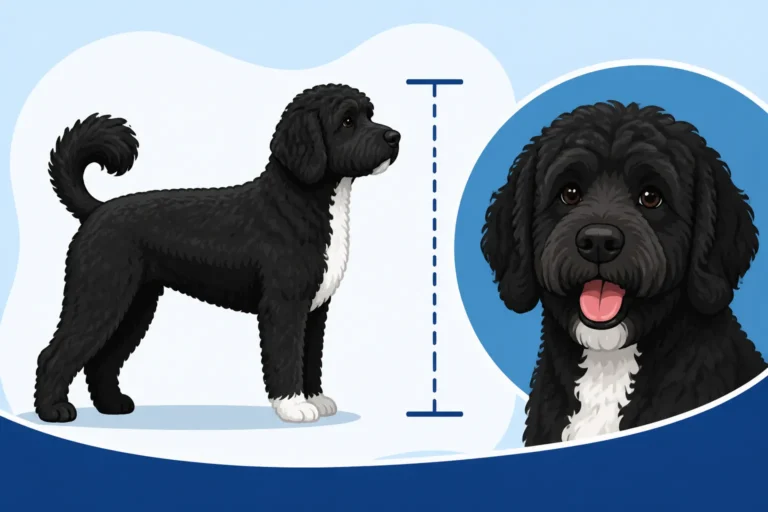
| Size | Medium-large (males 42-60 lbs, females 35-50 lbs) | Adequate space, appropriate nutrition for an active dog. |
| Health | Generally robust, but predisposed to certain genetic conditions | Choose a reputable breeder, ensure genetic health testing of parents, regular vet check-ups. |
The choice of the Portuguese Water Dog for the First Family was a thoughtful one, addressing specific needs while embracing the wonderful qualities of this active, intelligent, and affectionate breed. Their experience highlighted the breed's strengths and also served as a valuable lesson for many about the commitment required to truly care for these special dogs. While their time in the White House brought them unprecedented fame, the core appeal of the Portuguese Water Dog remains its loyal nature, keen intelligence, and joy for life, especially around water.
Disclaimer
This article is for general informational purposes only and does not constitute professional advice. Laws, prices and regulations vary by location and change over time. Consult a qualified professional for guidance on your specific situation.