Whether a Portuguese Water Dog Guarded the Catch
It’s easy to look at a sturdy, intelligent Portuguese Water Dog today, with their confident demeanor and watchful eyes, and imagine them standing guard over a fisherman’s hard-won catch. After all, they’re big, capable dogs, and protecting valuable resources has been a canine role for millennia. But when we dive into the fascinating history of this incredible breed, we find that their talents on the fishing boats of Portugal were actually far more specialized and dynamic than simply standing guard. This guide will explore the true historical tasks of the Portuguese Water Dog, dispelling some myths and highlighting their truly unique contributions to the seafaring life.
The Heart of the Fleet: What a Portuguese Water Dog Really Did
For centuries, the Portuguese Water Dog, or Cão de Água Português, was an indispensable crew member on the fishing vessels along the rugged coast of Portugal, particularly in the Algarve region. These weren't just pets; they were working dogs, bred for an impressive array of tasks that made life easier and more productive for their human counterparts. Their webbed feet, powerful build, and keen intelligence weren't for show – they were tools for survival and success at sea.
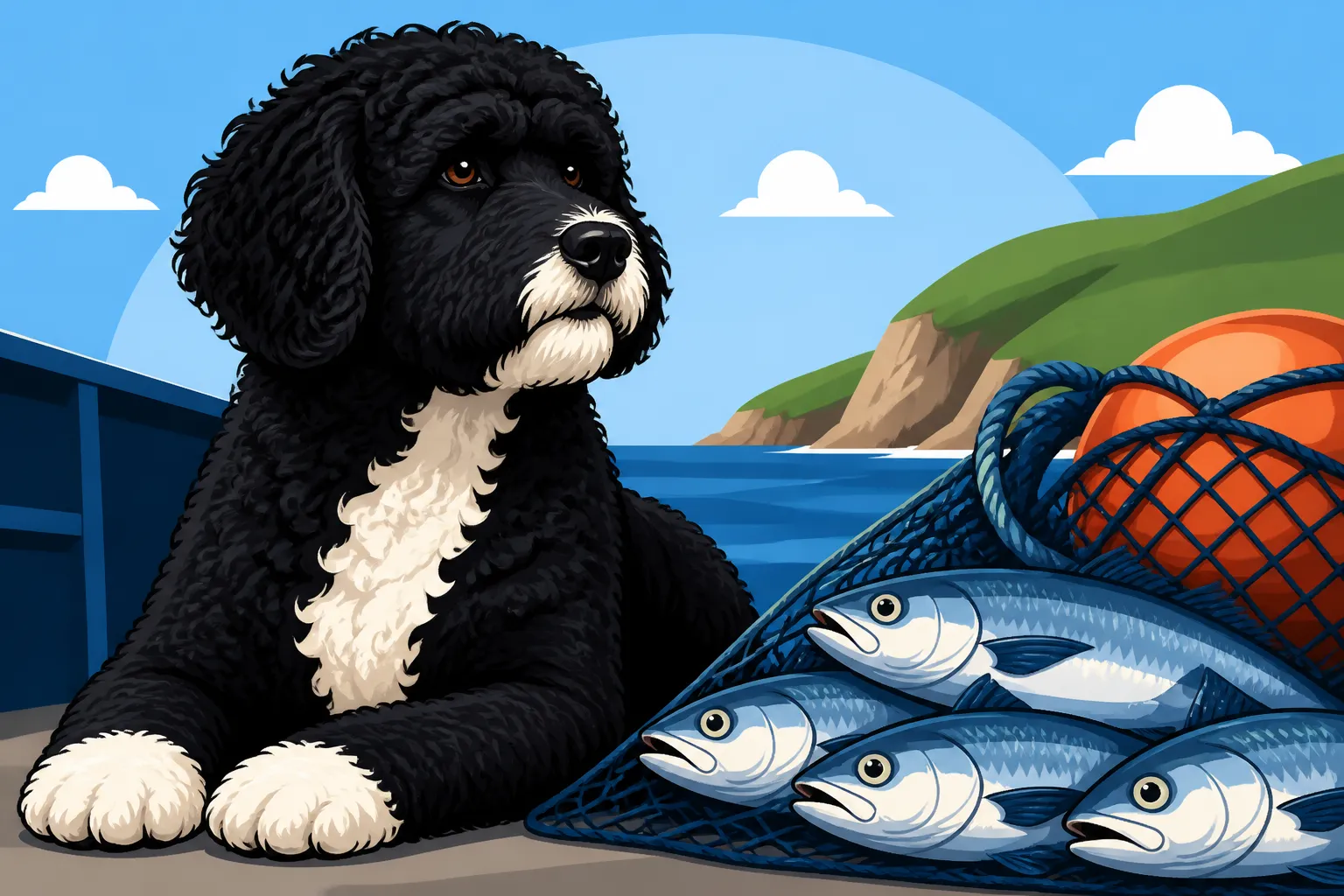
Many people assume a dog on a boat must have been a guard dog, and while a PWD's presence might have deterred casual pilfering, that wasn't their primary job. Their daily duties were far more involved and critical to the fishing operation itself. They were true partners, integral to the very act of catching and securing fish, not just protecting it after the fact. Understanding this difference helps us appreciate the depth of their intelligence and adaptability.
It's tempting to project a familiar image onto historical roles, but the PWD’s specialization stands out. Imagine the chaotic environment of a small fishing boat, with nets being hauled, fish flopping, and the ever-present danger of losing gear to the waves. This was where the Portuguese Water Dog truly shone, performing tasks that no human could do as effectively or safely. They weren't just companions; they were an extension of the crew, navigating the treacherous waters with incredible skill.
Driving Fish into Nets
One of the most remarkable and often misunderstood tasks of the Portuguese Water Dog was their ability to help herd fish. Picture a scenario where a fishing net has been cast, but the fish are scattered or not moving into the trap efficiently. This is where the PWD's unique skills came into play. They would leap into the water, often on command, and swim in wide arcs, splashing and barking to create a commotion that would essentially "drive" the fish towards the waiting nets. It sounds almost unbelievable, doesn't it?
This wasn't a casual splash; it was a deliberate, coordinated effort. The dogs understood the objective, working in tandem with the fishermen. Their agility in the water and their natural vocalizations were perfectly suited for this unusual task. It required immense stamina, a strong understanding of their handler's signals, and an innate ability to work independently yet cooperatively. It's a testament to their intelligence and work ethic.
The fishermen relied on this skill to maximize their haul. A good working PWD could mean the difference between a meager catch and a bountiful one. It certainly wasn't about guarding a static pile of fish, but actively participating in the hunt itself, manipulating the environment to achieve a common goal. This kind of active engagement is a hallmark of the breed's history. You can learn more about this incredible feat in How a Portuguese Water Dog Drove Fish Into a Net.
Retrieving Lost Tackle and Broken Nets
Another critical function of the Portuguese Water Dog was retrieving anything that went overboard. On a small boat at sea, losing valuable gear like nets, lines, or even a gaff could be costly, dangerous, or both. The PWD was essentially the crew's aquatic retriever, fearless in the face of cold water and strong currents. Their thick, single coat provided insulation, allowing them to stay in the water much longer than other breeds.
Imagine a heavy wooden buoys or a section of net slipping over the side in rough seas. A human might struggle, but the PWD, with its powerful swimming ability and natural retrieving instinct, could often dive in and bring the item back. This wasn't just about saving money; it was about safety and efficiency for the crew. They were truly indispensable in preventing loss at sea.
This retrieving instinct is still strong in modern PWDs. If you've ever played fetch with a PWD, you know how utterly dedicated they are to bringing things back. They live for it! This is a direct echo of their ancestors' vital work on the fishing boats. Understanding Whether a Portuguese Water Dog Still Retrieves can shed more light on this enduring trait.
Carrying Messages Between Boats
Believe it or not, these clever dogs also served as aquatic messengers. In the days before radio communication, fishing fleets might spread out, and communication between boats was essential. A Portuguese Water Dog could be tasked with swimming from one vessel to another, carrying a message tucked safely into a waterproof container attached to its collar. This was a challenging task, requiring navigation skills, endurance, and an unwavering focus on their destination.
This unique ability highlights their exceptional intelligence and trainability. It wasn't just about swimming; it was about understanding a mission and executing it flawlessly across open water. Imagine the trust a fisherman placed in his dog to deliver critical information or supplies across potentially miles of ocean. These dogs were truly part of the team.
This specialized messenger role, along with other duties, truly explains How a Portuguese Water Dog Earned Its Place on a Boat. They weren't just decorative; they were essential for the very operation and coordination of the fishing fleet.
Why "Guarding the Catch" Wasn't Their Defining Role
While any dog's presence might offer a general sense of security, the idea of a Portuguese Water Dog primarily "guarding the catch" in the way one might imagine a sheepdog guarding a flock or a mastiff guarding a property doesn't align with their historical purpose. Their guarding, if it happened at all, was more incidental than specialized.
The fishermen typically weren't dealing with land-based thieves trying to sneak onto boats to steal fish while they were out at sea. The immediate threats were environmental—the ocean itself, with its capacity to snatch gear or scatter fish. Their jobs were proactive, involved in the actual labor of fishing, rather than solely reactive protection of a static asset.
The Focus on Active Work, Not Passive Protection
The core of the Portuguese Water Dog's work was active participation in the fishing process. Their webbed feet, powerful tail (which acted like a rudder in the water), and agile bodies were all adaptations for swimming and working in the aquatic environment. Their intelligence was geared towards understanding complex commands and problem-solving within dynamic situations at sea. This is a far cry from a dog whose primary role is to sit or lie beside a pile of fish and deter threats.
Think of it this way: their value wasn't in deterring human intruders from a static object, but in augmenting human capabilities in a harsh, unpredictable environment. They were literally "water dogs," designed for specific water-based tasks. The entire anatomy and temperament of the breed point towards an active working role. You can explore How a Portuguese Water Dog Was Bred to Work a Boat, Not a Yard to see just how specialized their design truly was.
Moreover, the environment of a fishing boat meant that space was often at a premium. Having a dog whose main job was to occupy space and guard a static pile of fish when there were so many other active, indispensable tasks to be done would have been inefficient. Every crew member, human or canine, had to pull their weight and contribute actively to the day's labor.
The Bond of Companionship Over Guard Duty
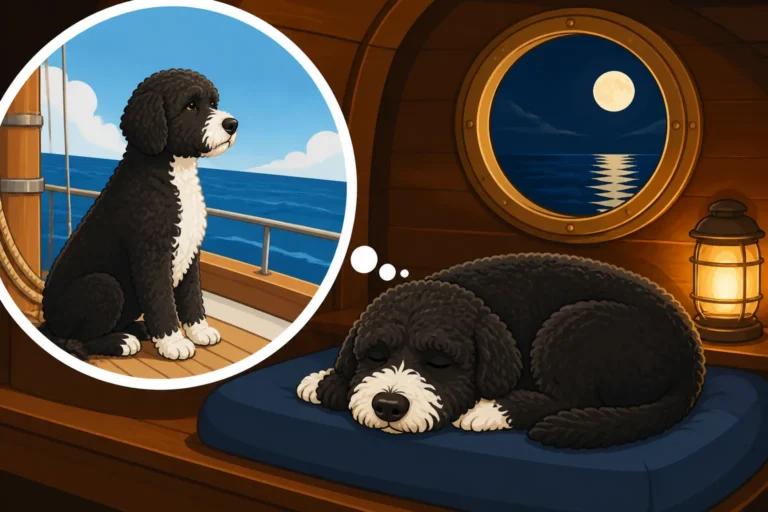
While a Portuguese Water Dog's historical roles were very much about work, there was also a profound bond of companionship between these dogs and their fishermen. These dogs spent long days and nights at sea, enduring the same harsh conditions as their human partners. They were integral to the daily lives of the fishermen, often sleeping aboard the boats and sharing meals.
This close relationship meant a certain level of natural protection would have been inherent. Any dog that is deeply bonded with its human family will instinctively act to protect them and their property if a threat arises. So, while "guarding the catch" wasn't a specific job title, the dog's loyalty and connection to its crew would have provided a general sense of security. It was a mutual reliance and respect that defined their presence, far beyond a simple security detail.
This deep bond often surprises people who focus only on the working aspects. But these dogs were truly family members, and their commitment to their people, then as now, is immense. It’s part of what makes them such beloved family dogs today.
Modern Echoes: Instincts in Today's Portuguese Water Dog
Even today, centuries removed from their fishing boat heritage, modern Portuguese Water Dogs still carry many of these ancestral instincts. Understanding their history helps us appreciate their quirks, their energy levels, and their profound need for a "job."
Many PWD owners will tell you their dogs are highly intelligent, sometimes too intelligent, often coming up with their own solutions to problems. This independent thinking was crucial when swimming miles between boats or herding fish. They weren't just robotic followers; they were thinkers.
The Persistent Desire to Work and Retrieve
The retrieving drive is perhaps the most obvious modern manifestation of their historical role. Give a PWD a ball or a toy, and they will retrieve it tirelessly, especially if it involves water. Many PWDs are absolute fiends for fetch and thrive in dog sports like dock diving or water trials, which directly simulate their ancestral tasks. They need that outlet for their boundless energy and intelligence.
This intense desire to work and retrieve often translates into a dog that needs more than just a casual walk. They crave mental and physical stimulation. Interactive toys, puzzle feeders (which you can find readily on sites like Chewy), and structured training can help satisfy this need. A bored PWD is often a mischievous PWD, a trait stemming from their intelligent problem-solving nature that historically served them well on the boats.
Without appropriate outlets, these smart dogs can invent their own "jobs," which might include rearranging your house, countertop surfing, or becoming a champion chewer. You might find a whole range of durable toys and brain games on Chewy that can help channel that drive positively. The key is to keep them engaged, much like their ancestors were on the boats.
Their Affectionate and Watchful Nature
While not primarily guard dogs, PWDs are observant and often reserved with strangers until properly introduced. This watchful quality, combined with their loyalty to their family, can give them a protective edge. They are usually excellent at alerting you to someone at the door or anything unusual, a trait that certainly would have been useful even casually on a boat.
They are known for being very "in tune" with their people, often following them from room to room. This close proximity and attentiveness is a carryover from their role as constant companions and working partners on those small vessels. They needed to be aware of their fisherman's every move, ready to spring into action at a moment's notice.
So, while they might not have been guarding a static catch from human thieves, their inherent loyalty, intelligence, and athleticism made them the perfect dynamic partners for the Portuguese fishing fleets. Their legacy is one of active contribution, unwavering partnership, and an enduring love for the water. If you're considering bringing one of these amazing dogs into your life, be prepared for a smart, energetic, and incredibly devoted companion who still carries the heart of a working sailor. You might also want to read What a Portuguese Water Dog Needs Every Day to truly understand their requirements.
| Historical Role | Primary Function | Modern Day Manifestation |
|---|---|---|
| Herding Fish | Active manipulation of fish towards nets. | High intelligence, problem-solving, agility in water. |
| Retrieving Gear | Recovering lost items from the water. | Strong retrieving drive, love for fetch and water sports. |
| Carrying Messages | Delivering communications between boats. | Trainability, eagerness to please, strong bond with handler. |
| General Watchfulness/Companionship | Awareness of surroundings, loyalty to crew. | Good alert barkers, affectionate, "velcro" dogs. |
| Guarding the Catch | Not a specialized or primary role. | Incidental protection due to presence and loyalty. |
This table helps illustrate that while guarding might have been a passive benefit, it wasn't the core job they were bred for. Their skills were much more about active participation in the fishing process itself.
The Broader Historical Context of the Portuguese Water Dog
To truly understand whether the Portuguese Water Dog guarded the catch, we need to consider the full scope of their historical existence. Their development as a breed was entirely centered around their utility to the fishermen. Every aspect of their physical characteristics and temperament evolved to make them efficient and effective at sea.
These dogs were working-class heroes, not luxury pets. Their survival as a breed depended on their ability to perform demanding tasks under challenging conditions. The fishermen wouldn't have kept a dog that didn't earn its keep through vital contributions. This practical reality shaped the breed more than any other factor.
The Portuguese Water Dog's history is a rich tapestry woven with tales of dedication, hard work, and an unbreakable bond with their human companions. From the rugged coastlines of Portugal to the modern homes they grace today, their spirit remains that of a tireless worker and a devoted friend. Discovering What a Portuguese Water Dog Was Bred to Do on a Boat truly highlights their incredible heritage.
The Decline of Their Working Role
With the advent of modern technology, such as radar, sonar, and mechanized fishing equipment, the need for the Portuguese Water Dog's unique skills gradually diminished. Motors replaced sails, and radios replaced canine messengers. By the 20th century, the breed faced near extinction, as their traditional role on the fishing boats disappeared. This is why preserving their history is so crucial.
It's a bittersweet part of their story. The very technological advancements that improved fishing efficiency also rendered the PWD's specialized jobs obsolete. This is a common theme for many working breeds, whose purposes fade with societal changes. It meant that a new role, that of a companion animal, would be essential for the breed's survival.
Thankfully, dedicated enthusiasts recognized the breed's incredible qualities and worked tirelessly to save them from disappearing altogether. Their efforts ensured that future generations could experience the joy of these remarkable dogs. Many breeders today still seek to preserve the working drive and intelligence that defined the breed, often through various dog sports and activities. Many Portuguese Water Dog owners are passionate about keeping the historical connection alive. You can find more about their journey back from the brink in The Portuguese Water Dog Was Almost Gone by the 1930s.
The PWD as Portugal's National Dog
The Portuguese Water Dog is more than just a historical working breed; it's a symbol of Portugal's seafaring heritage. It is recognized as How Portuguese Water Dog Is Portugal's National Dog, a testament to its deep roots and significance in the country's culture. This national pride underscores just how integral these dogs were to the lives and livelihoods of the Portuguese people.
This isn't just a designation; it's a recognition of the profound impact these dogs had on the nation's history. They embody the spirit of resilience, hard work, and an unbreakable bond with the sea that defines a significant part of Portuguese identity. To think of them merely as guard dogs would be to diminish their much grander and more active contribution.
The stories of the Portuguese Water Dogs are passed down through generations, celebrating their intelligence, courage, and loyalty. They serve as a living link to a bygone era of fishing, a reminder of the ingenuity and partnership between humans and animals. This deep cultural connection further emphasizes their multifaceted roles beyond simple guarding.
Disclaimer
This article is for general informational purposes only and does not constitute professional advice. Laws, prices and regulations vary by location and change over time. Consult a qualified professional for guidance on your specific situation.