Whether a Portuguese Water Dog Slept Aboard
When we think about the magnificent Portuguese Water Dog, with their sturdy build and intelligent eyes, it's natural to picture them alongside their human companions, working tirelessly on the high seas. Many people wonder about the intimate details of this historical partnership, specifically, did these dedicated canine crew members actually sleep aboard the fishing boats with their human counterparts? It’s a great question, delving into the practicalities of life on the often-cramped vessels of the Portuguese coast and how these dogs integrated into every aspect of a fisherman's existence, not just their waking hours. This guide will explore the historical context of their work, the realities of life at sea, and what this meant for a Portuguese Water Dog's sleeping arrangements.
The Historic Life of a Portuguese Water Dog on a Fishing Vessel
Imagine the rugged coast of Portugal centuries ago, with small, sturdy fishing boats heading out into the Atlantic. These weren't luxury yachts; they were working vessels, often small and exposed to the elements. The crew would consist of a handful of fishermen, tough and resourceful, and right there with them, a Portuguese Water Dog or two. These dogs weren't just pets; they were integral members of the crew, earning their keep in various, often perilous, ways.
Their roles were incredibly diverse and absolutely vital for the success and safety of the fishing expeditions. They were legendary for their swimming prowess, often leaping into the cold Atlantic waters to retrieve broken nets, lost tackle, or even steer fish into the nets. They had an uncanny ability to carry messages between boats or from boat to shore, swimming tirelessly through choppy seas with a note in a waterproof pouch attached to their collar. The life was demanding, physical, and often dangerous, requiring immense stamina and an unwavering bond with their human masters. How a Portuguese Water Dog Earned Its Place on a Boat truly speaks to the respect and necessity these dogs commanded. They weren't just present; they were actively contributing, every single day.
This wasn't a job for just any dog. The Portuguese Water Dog, or Cão de Água Português, was specifically bred for this challenging environment. Their unique coat, webbed feet, and powerful musculature made them perfectly suited to the ocean. They were intelligent, problem-solvers who could think on their feet – or paws, rather – often making independent decisions when out of sight of their human companions in the vastness of the ocean. This level of engagement and responsibility meant they were far more than mere animals on a ship; they were partners, companions, and essential tools in the trade. Given this deep integration into the daily work, it stands to reason that their entire lives, including rest, would be closely tied to the boat and its crew. The Portuguese Water Dog Worked the Algarve Fishing Fleet provides more context on their specific roles.
Aboard or Ashore? Unpacking the Sleeping Arrangements
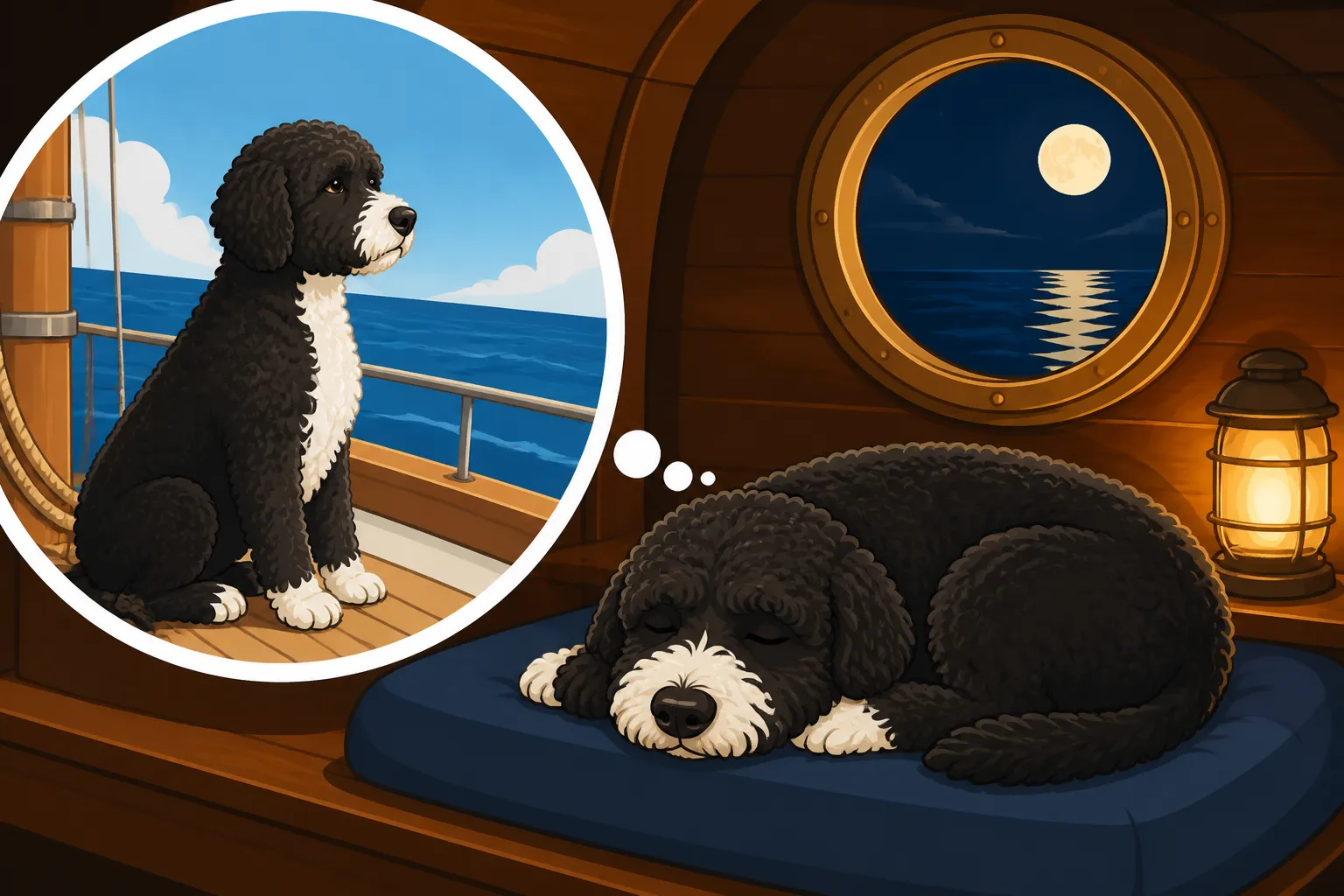
So, did they sleep aboard? The answer, like much of history, isn't a simple yes or no, but rather, "it depended," with a strong leaning towards yes. For a dog so deeply embedded in the daily operations of a fishing vessel, it would have been impractical, if not impossible, to send them ashore every night. Fishermen often stayed out for extended periods, or departed before dawn and returned after dusk, making a round trip to drop off the dog unfeasible. The dog's presence was needed the moment the boat left the harbor, and often, their presence was needed even when the boat was moored, as they might serve as watchdogs.
The sleeping arrangements would have been rudimentary, to say the least. These boats were not spacious. The crew themselves would often sleep in cramped quarters, perhaps on bunks or on the deck covered by a tarp. A Portuguese Water Dog, being part of the crew, would likely have found a spot to curl up, perhaps beside a fisherman, in a sheltered corner of the deck, or even down in the hull if conditions allowed. Their thick, dense coat provided excellent insulation against the cold and damp, making them quite resilient to the elements. The warmth of their human companions, or simply a sheltered spot, would have been enough.
It's also important to consider the bond. These dogs weren't simply working animals; they were beloved companions in a tough, isolated life. Fishermen relied on their dogs, and in return, the dogs offered unwavering loyalty and comfort. Sharing a sleeping space, even a small one, would have reinforced this bond, offering mutual protection and warmth. There wasn't a concept of "pet beds" or specialized canine sleeping quarters on these vessels. Life was utilitarian, and the dog adapted to the available space, always remaining close to its human family. You can imagine a rough blanket or a pile of old sails becoming a makeshift bed for a tired dog after a long day of retrieving lines and herding fish. Whether a Portuguese Water Dog Carried Messages Between Boats highlights the trust involved in this relationship.
The Realities of Space and Safety
The size of the fishing boats varied, but many were not large. Space was at a premium. Every inch was utilized for equipment, nets, and the meager living quarters of the crew. This meant that any space a dog occupied for sleeping would have been functional and integrated into the overall flow of the boat. It wasn't about comfort as we perceive it today, but about practicality and survival.
Safety was another critical factor. The ocean is unpredictable. Storms could brew quickly, and a dog left ashore might be separated from its crew. Keeping the dog on board ensured it was always with its human partners, ready to assist if an emergency arose, and protected from the dangers of being abandoned or lost on land while the boat was out. The dog was an asset, and keeping that asset safe meant keeping it close, even during rest. This inherent need for proximity explains why sleeping aboard was not just a possibility, but often a necessity, reinforcing the idea that the dog was truly an all-in-one companion.
The Practicalities of Maritime Living for a Canine Companion
Living on a boat, even for humans, comes with a unique set of challenges. For a dog, these challenges are magnified. Yet, the Portuguese Water Dog was built for this life.
Food, Water, and Shelter at Sea
Providing food and fresh water on a fishing boat required careful planning. Food for the dogs would have been scraps from the crew's meals, often fish-based, supplemented by whatever might be caught or available. Fresh water was a precious commodity, but essential for both humans and dogs. The dogs would have been given their share, perhaps drinking from a shared bucket or a small trough.
Shelter was generally improvisational. Beyond the occasional small cabin for the human crew, dogs found refuge from the wind and rain under tarpaulins, behind equipment, or nestled amongst ropes. Their thick, waterproof double coat was their primary defense against the cold spray and driving rain. While we might worry about a modern dog sleeping outdoors in such conditions, for the historically hardy Portuguese Water Dog, it was simply part of their existence. Drying a Portuguese Water Dog After Every Swim would have been a constant chore, but also a simple fact of life at sea.
Hygiene and Weather Considerations
Hygiene on a small fishing vessel was basic. Dogs would likely have been hosed down with seawater to keep them somewhat clean, though their coat was designed to shed dirt once dry. The constant exposure to salt water and dampness also meant their ears needed regular attention. Without modern ear cleaning solutions, issues like ear infections could have been a recurring problem. This is a far cry from the meticulous grooming routines many Portuguese Water Dog owners maintain today, using specialized shampoos and conditioners from retailers like Chewy to keep their dog's coat and skin healthy.
The weather dictated much of life at sea. Hot sun, freezing winds, and torrential downpours were all part of the package. The Portuguese Water Dog adapted by finding shade, seeking shelter, or simply enduring. Their deep chests and robust build allowed them to power through strong currents and withstand cold temperatures for extended periods. This resilience made them ideal boat companions, capable of functioning and resting in whatever conditions the sea threw at them.
Here's a quick look at the stark differences between a historical boat dog's "quarters" and a modern PWD's home life:
| Aspect | Historical Fishing Boat Environment | Modern Home Environment |
|---|---|---|
| Sleeping Area | Cuddled with crew, sheltered deck, pile of ropes/sails | Dog bed, crate, couch, human bed |
| Food Source | Fish scraps, shared rations, whatever was available | High-quality kibble, specialized diets (e.g., from Chewy) |
| Water Source | Shared fresh water bucket, rain barrel | Fresh, filtered water bowl, automatic water fountains |
| Shelter | Under tarps, behind equipment, dog's own coat | Climate-controlled home, doghouses, outdoor shelters |
| Hygiene | Sea rinse, self-cleaning coat, basic ear checks | Regular baths, specialized shampoos, ear cleaning solutions |
| Companionship | Constant, intense bond with small crew | Family unit, often left alone for periods, doggy daycare |
| Physical Activity | Constant work, swimming, retrieving, boat duties | Structured walks, swimming, dog sports, yard play |
How Their Seafaring Past Shapes the Modern Portuguese Water Dog
Understanding the historical context of the Portuguese Water Dog's life on fishing boats isn't just a fascinating dive into the past; it's crucial for understanding the breed today. Their ancestry as working boat dogs profoundly impacts their temperament, energy levels, and needs as modern companions.
An Innate Love for Water and Companionship
The deep-seated desire to be near and in water is perhaps the most obvious legacy of their seafaring ancestors. A Portuguese Water Dog that doesn't love water is truly an anomaly. They aren't just tolerate of water; they crave it. This isn't just for fun; it's an instinct bred into them over centuries of working in and around the ocean. From the moment they were puppies, they were likely introduced to the water, learning skills that would make them indispensable crew members. Teaching a Portuguese Water Dog to Swim on Cue connects directly to this heritage. For today's owners, this means providing ample opportunities for swimming, whether it's at a local lake, a dog-friendly beach, or even a backyard pool. This isn't a recommendation; it's a fundamental need for their well-being.
Just as important as water is their need for companionship. A dog that slept alongside its human crew, worked shoulder-to-shoulder, and relied on its people for every aspect of its survival developed an incredibly strong bond. This translates today into a breed that thrives on being part of the family. They are not dogs that do well being left alone for long stretches in a yard. They want to be where the action is, involved in family activities, and close to their humans. Separation anxiety can be a real issue if their need for connection isn't met. What a Portuguese Water Dog Needs Every Day clearly outlines this need for constant engagement.
Meeting Their Physical and Mental Needs Today
While modern Portuguese Water Dogs aren't typically herding fish or retrieving nets from the freezing Atlantic, their minds and bodies are still wired for that demanding work. This means they need significant physical exercise and, perhaps even more importantly, mental stimulation. Simply a walk around the block won't cut it. They need vigorous activity that engages their intelligence and athleticism. Think long hikes, agility training, rally obedience, and, of course, plenty of swimming. The Portuguese Water Dog That Has Not Had Enough Exercise can attest to the chaos that ensues when their energy isn't channeled appropriately.
Their heritage also informs the need for durable and practical gear. If you're taking your Portuguese Water Dog swimming, you'll want high-quality, quick-drying gear. Life jackets are a must for safety, especially if you're out on a boat or near strong currents. Many owners turn to reputable online retailers like Chewy for sturdy, well-fitting life jackets that stand up to enthusiastic water play. A good waterproof bed is also a smart investment for a dog that's frequently wet, helping to keep both the dog comfortable and your home cleaner. Finding a durable, quick-drying dog bed on sites like Chewy can be a game-changer for maintaining a tidy home with a water-loving canine.
In conclusion, the historical record strongly suggests that Portuguese Water Dogs did indeed sleep aboard the fishing boats with their human companions. It was a testament to their invaluable role as working partners and beloved members of the crew. This profound integration into the lives of fishermen has shaped the breed into the intelligent, energetic, and deeply loyal companions we know and love today, always with a spark in their eye for an adventure, especially if it involves water.
Disclaimer
This article is for general informational purposes only and does not constitute professional advice. Laws, prices and regulations vary by location and change over time. Consult a qualified professional for guidance on your specific situation.