How a Portuguese Water Dog Earned Its Place on a Boat
For centuries, the rugged coastlines and bustling fishing villages of Portugal were home to a remarkable partnership: that between the local fishermen and their equally rugged, incredibly capable dogs. If you’ve ever wondered how the Portuguese Water Dog truly earned its stripes and became an indispensable crew member on those ancient fishing boats, you're not alone. This guide delves deep into the history, physical adaptations, and keen intelligence that forged an unbreakable bond between man and dog at sea.
The Call of the Sea: A Brief History of the Portuguese Water Dog
It’s easy to look at a fluffy, playful Portuguese Water Dog today and see a beloved family pet, but their history is steeped in the salty spray and hard labor of the open ocean. These dogs weren't just companions; they were vital members of the fishing crews along the Iberian Peninsula, playing a role that demanded incredible physical and mental fortitude. Understanding their lineage helps us appreciate just how much of their ancestral instincts remain strong in the breed today.
Origins and Ancient Ties to the Iberian Peninsula
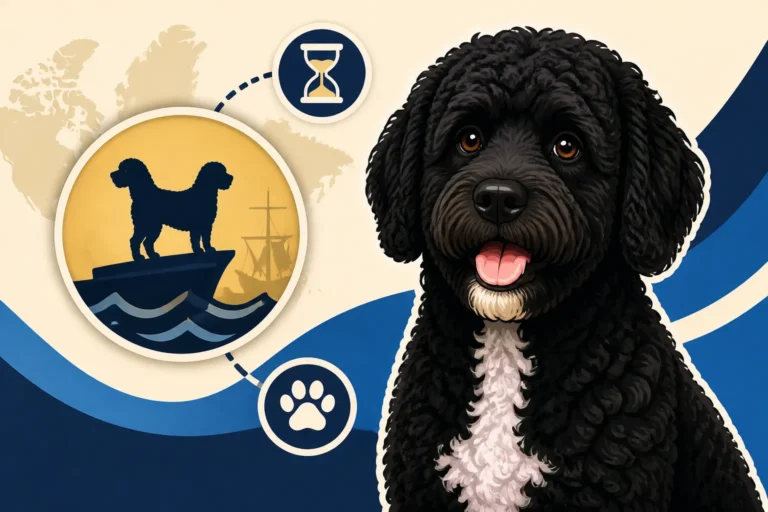
The story of the Portuguese Water Dog, or "Cão de Água Português" as they're known in their homeland, is a fascinating journey that stretches back centuries. While exact origins can be hazy, it's widely believed that their ancestors arrived on the Iberian Peninsula with nomadic tribes or seafaring traders, possibly even brought by the Visigoths from Central Asia. These early dogs were versatile, robust working animals, capable of herding, guarding, and, crucially, working in and around water. They were not bred for delicate beauty but for hardiness and utility. Over time, as fishing became a cornerstone of coastal communities, a specific type of dog began to emerge, one perfectly suited to the unique demands of life at sea. Their history is intertwined with that of the Portuguese people and their maritime endeavors, reflecting a pragmatic need for a canine partner that could thrive in a challenging environment. This deep connection to their roots is why understanding Where the Portuguese Water Dog Comes From is so vital for any owner.
The Decline of the Breed and Near Extinction
As with many traditional working breeds, the advent of modern technology brought challenges that threatened the very existence of the Portuguese Water Dog. With the introduction of motorized fishing boats, sonar, and more advanced fishing gear in the early to mid-20th century, the demand for canine assistance on board drastically declined. Fishermen no longer needed dogs to drive fish into nets or retrieve lost equipment; machines could do it faster, more efficiently, and without needing to be fed. This shift led to a precipitous drop in the breed's population. It wasn't that the dogs were no longer capable; it was simply that their specialized skills were becoming obsolete in a rapidly modernizing world. For a time, it looked as though this unique breed, which had served faithfully for centuries, might simply fade away. The struggle to keep the breed alive is a testament to the dedication of a few passionate individuals who recognized the incredible value of these dogs, even as their traditional role vanished. It's a sobering thought to consider How Close the Portuguese Water Dog Came to Extinction.
The Resurgence and Modern Recognition
Thankfully, the story of the Portuguese Water Dog doesn't end in obscurity. In the early 20th century, a few dedicated enthusiasts, most notably Dr. Vasco Bensaude, a wealthy Portuguese shipping magnate, took it upon themselves to save the breed from vanishing entirely. He meticulously sought out the remaining dogs, studying their lineage and working tirelessly to establish a breeding program that would preserve their unique characteristics and working abilities. This effort was crucial in bringing the breed back from the brink. From these dedicated conservation efforts, the breed slowly began to recover, finding new homes and new purposes, often as beloved companions and performance dogs, rather than purely working animals. When the breed made its way to North America, its intelligence and lively spirit quickly won over new admirers. It was these efforts that eventually led to the breed's recognition by major kennel clubs, securing its place in the canine world. This journey from near extinction to global recognition is a truly remarkable chapter in the breed's How Old the Portuguese Water Dog Breed Is story.
More Than a Pet: The Working Role of the Portuguese Water Dog
To truly grasp the essence of the Portuguese Water Dog, you must understand their original job. These weren't decorative dogs lounging on cushions; they were active, indispensable members of the fishing fleet, facing harsh elements and demanding tasks daily. Their lives revolved around the rhythm of the ocean and the needs of their human partners.
Driving Fish into Nets
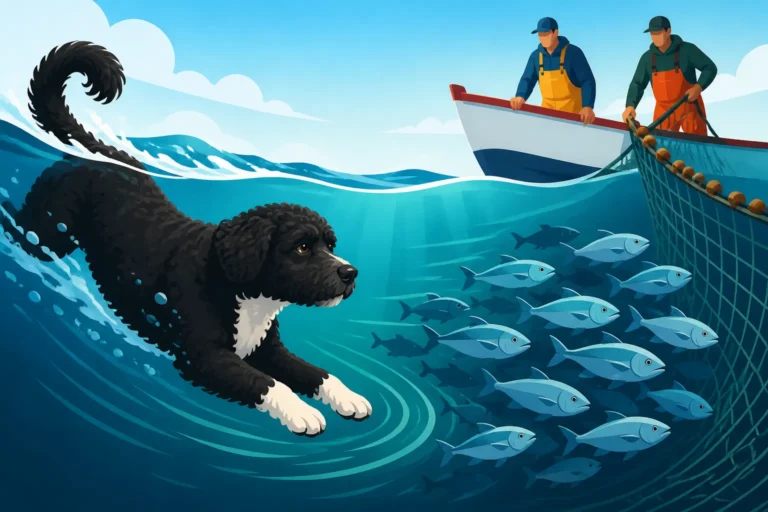
One of the most fascinating and iconic roles of the Portuguese Water Dog was their ability to "herd" fish. Imagine being out on the vast ocean, nets deployed, but the fish are just a little too scattered, a little too reluctant to enter the trap. This is where the PWD shone. With their exceptional swimming ability and keen intelligence, these dogs would dive into the water, often on command, splashing and barking to create a commotion that would scare fish toward the waiting nets. It was a sophisticated task that required more than just instinct; it demanded cooperation, understanding of complex commands, and a remarkable stamina in often cold, rough waters. The dog acted as an extension of the fisherman's will, a living, breathing tool for maximizing the day's catch. This was no simple fetch task; it was strategic, coordinated effort, making a significant difference to the crew's livelihood. It truly exemplifies How a Portuguese Water Dog Drove Fish Into a Net.
Retrieving Lost Tackle and Broken Nets
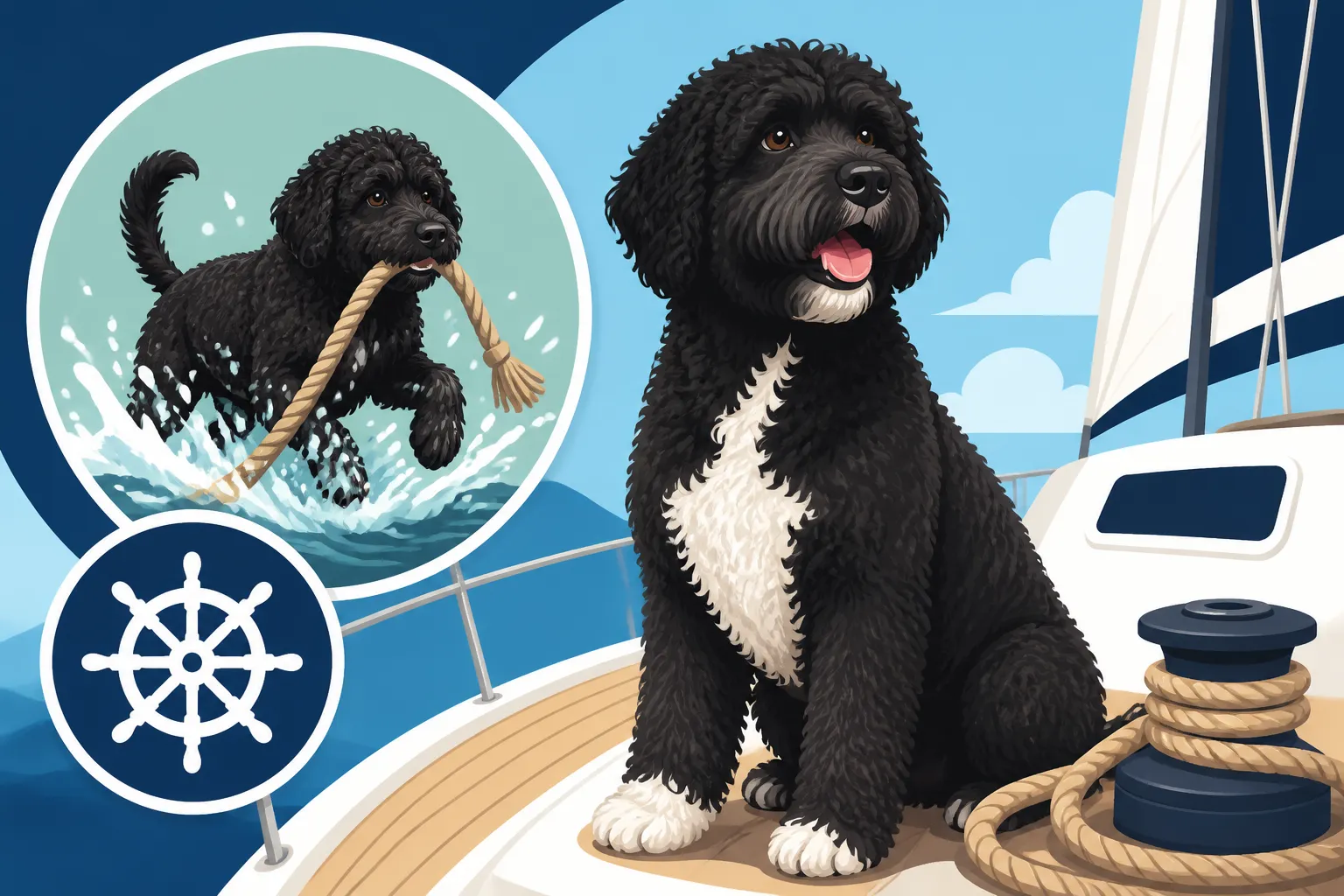
Life at sea is unpredictable, and accidents happen. Nets could break, ropes could snap, and valuable equipment could be lost overboard, especially in choppy waters. For a small fishing vessel, losing gear could mean losing income, or worse, putting the crew in danger. This is where the Portuguese Water Dog's retrieval skills became invaluable. They would eagerly plunge into the water, often without a second thought, to retrieve anything that fell into the sea, from stray cork floats to lines and even pieces of broken nets. Their powerful swimming, exceptional eyesight, and strong desire to please made them perfect for this crucial job. They understood the importance of bringing things back, often holding on gently but firmly until the item was safely back on board. This wasn't just about playing fetch; it was about saving time, money, and potentially lives. Their tenacity in adverse conditions was legendary, solidifying their reputation as reliable working partners. Many owners today recognize this inherent drive when their PWD joyfully retrieves a ball from the deepest end of a pool, a direct echo of their ancestors' work.
Carrying Messages Between Boats and Shore
Communication was a vastly different challenge in the days before radios and advanced navigation systems. When fishing fleets were out at sea, often spread across a wide area, or when a boat needed to communicate with shore without returning to port, the Portuguese Water Dog stepped up as a four-legged messenger. They were trained to swim from one boat to another, or even between a boat and the shore, carrying important messages or small packages in a waterproof container attached to their collar. This task required immense bravery, endurance, and an unwavering sense of direction, even in adverse weather conditions. Imagine the trust placed in these dogs, carrying vital information or supplies across miles of open water. Their ability to deliver these "messages" accurately and reliably showcased their incredible intelligence and loyalty, forging an irreplaceable bond with the fishermen who depended on them. This specialized skill is a prime example of What a Portuguese Water Dog Did for a Fishing Crew and really makes you wonder Whether a Portuguese Water Dog Carried Messages Between Boats.
Built for the Water: Physical Attributes That Made Them Indispensable
The Portuguese Water Dog isn't just a dog that likes water; it's a dog designed for it. Every aspect of their physical makeup, from their feet to their coat, has been honed over generations to make them incredibly efficient and resilient in a maritime environment. They are truly aquatic athletes, and their bodies reflect a perfect adaptation to their watery workplace.
The Remarkable Webbed Feet and Powerful Tail
One of the most distinctive and functional features of the Portuguese Water Dog is their incredibly well-developed webbed feet. These aren't just slightly webbed; they are heavily webbed, acting like natural paddles that provide superior propulsion and maneuverability in the water. Think of them as built-in flippers, giving them an undeniable advantage over other breeds when it comes to swimming speed and endurance. This adaptation means they can cover long distances in the water with surprising ease and agility, allowing them to perform their tasks efficiently. Complementing their webbed feet is their powerful, rudder-like tail. Unlike many breeds whose tails are mostly for balance on land, the PWD's thick, muscular tail acts as a crucial steering mechanism in the water, helping them navigate swiftly through currents, make sharp turns, and maintain direction even when battling waves. Without these two essential features, their effectiveness as working dogs at sea would have been severely diminished. It’s no wonder people marvel at Why a Portuguese Water Dog Has Webbed Feet and how it contributes to their prowess. In fact, their webbing is so impressive, one might even ask How Much a Portuguese Water Dog's Webbing Adds to Its Speed.
The Unique Coat Designed for Insulation and Buoyancy
Another extraordinary adaptation is the Portuguese Water Dog's unique coat. Unlike many double-coated breeds, the PWD has a single coat that comes in two distinct types: curly or wavy. What makes this coat so special for a water dog is its non-shedding, waterproof, and insulating properties. The dense, thick hair acts like a natural wetsuit, providing excellent insulation against the frigid waters of the Atlantic. It traps a layer of warm water close to the dog's skin, preventing hypothermia during long stretches in cold environments. Furthermore, the buoyant nature of their coat helps them stay afloat with less effort, conserving energy during strenuous swimming tasks. This meant they could spend extended periods in the water without succumbing to the cold or expending excessive energy just to stay on the surface. After a long day of work, drying them was still important to prevent skin issues, but their coat offered significant protection. You might find specialty shampoos and conditioners for these coats on sites like Chewy, designed to maintain their health and integrity. Understanding What a Portuguese Water Dog's Coat Is Made Of helps new owners appreciate the grooming commitment.
Robust Build and Stamina for Endless Work
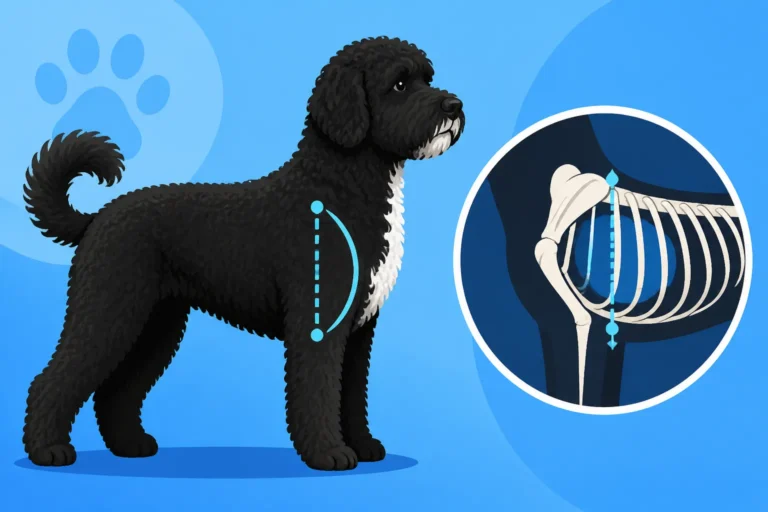
Beyond their specialized aquatic features, the Portuguese Water Dog possesses a generally robust and athletic build, perfectly suited for the demanding life of a working dog. They are moderately sized, muscular, and well-proportioned, allowing for both strength and agility. Their strong backs, deep chests, and well-angulated hindquarters provide the power needed for explosive dives and sustained swimming. This isn't a breed built for short bursts of speed, but for endurance. They could work tirelessly for hours on end, facing strong currents, rough seas, and unpredictable weather conditions without faltering. Their physical prowess was matched by their unwavering stamina, a trait essential for a dog whose job might involve multiple retrievals, fish-herding sessions, or swims between boats over the course of a long day at sea. This combination of strength, resilience, and boundless energy ensured they could consistently perform their duties, making them truly indispensable partners to the fishermen.
| Trait / Task | Physical Adaptation | Benefit in Working Role |
|---|---|---|
| Driving Fish | Webbed Feet, Powerful Tail | Agile pursuit, directional control, speed |
| Retrieving Gear | Dense, Waterproof Coat | Insulation in cold water, buoyancy, protection |
| Carrying Messages | Robust Build, Stamina | Endurance for long swims, resilience to elements |
| Spending Hours in Water | Single, Insulating Coat | Prevents hypothermia, maintains core temperature |
| Navigating Currents | Powerful Tail, Muscular Body | Steering, strong propulsion, stability |
An Intelligent Companion: Mental Acuity and Trainability on Board
Physical attributes alone wouldn't have been enough. The life of a fishing dog demanded a keen mind, a willingness to learn, and an unwavering loyalty. The Portuguese Water Dog possessed all these traits in spades, making them not just physical laborers, but intelligent partners capable of independent thought and complex problem-solving.
Problem-Solving on the High Seas
Fishermen faced countless challenges each day: shifting tides, unpredictable weather, and the ever-elusive fish. Their dogs needed to be more than mere automatons; they needed to be intelligent problem-solvers. The Portuguese Water Dog excelled at this. They could assess a situation quickly, understanding the nuances of where a net was snagged, the direction a fish was fleeing, or the best route to take between two bobbing boats. This wasn't about rote commands; it was about genuine understanding and initiative. A PWD could, for instance, figure out how to navigate a tricky patch of water to retrieve a lost item, or instinctively know where to splash to drive fish most effectively. This level of cognitive ability meant they could respond to unspoken cues and adapt to changing circumstances, making them invaluable assets rather than just tools. Their independent thinking, honed over generations of working alongside humans, is a hallmark of the breed's intelligence. This ability to think on their paws is a key reason why Training a Portuguese Water Dog That Was Bred to Think for Itself is so important for owners today.
Loyalty and Dedication to Their Human Partners
The bond between a fisherman and his Portuguese Water Dog was one of profound trust and loyalty. These dogs spent their entire lives with their human families, often sleeping on board, sharing meals, and enduring the same hardships. This constant proximity and shared experience forged an incredibly strong connection. The dogs were utterly dedicated to their owners, working tirelessly not just for a reward, but out of an innate desire to please and contribute to the pack. This deep loyalty made them highly trainable and eager to perform their duties, even when conditions were harsh. A PWD wouldn't abandon a task because it was difficult or uncomfortable; they would persevere, driven by their bond with their fisherman. This dedication extended beyond work, as they also served as faithful companions during lonely nights at sea, offering comfort and security. It’s this profound loyalty that makes them such cherished family members in modern homes.
Adapting to the Demands of Fishing Life
Life on a fishing boat was anything but routine. Days could be long, cold, and wet, with unpredictable schedules dictated by weather and the movement of fish. A working dog needed to be adaptable, able to switch from intense activity to quiet rest, from the chaos of a busy catch to the stillness of open water. The Portuguese Water Dog's temperament allowed them to thrive in this environment. They were energetic and focused when work was required but could also settle down and be calm when resting on the boat. They needed to tolerate the close quarters, the constant movement of the sea, and the presence of other crew members and sometimes other dogs. Their resilient nature meant they could handle the stress and physical demands without becoming overwhelmed or exhibiting undesirable behaviors. This incredible adaptability highlights not just their physical prowess but their mental and emotional stability, making them ideal partners in a challenging profession. This aspect is vital for understanding A Portuguese Water Dog Was Bred to Work a Boat, Not a Yard.
Daily Life Aboard: The Practicalities of a Working Dog's Existence
It wasn't just about the work tasks; it was about the entire lifestyle. Living on a boat, day in and day out, presented unique challenges and considerations for both the dogs and their human companions. Their integration into the crew was total, reflecting their essential role.
Feeding and Care in a Maritime Environment
Feeding a dog on a fishing boat required practicality. There weren't elaborate pet food stores, and resources were often scarce. Dogs likely ate whatever scraps were available from the fishermen’s meals, supplemented by smaller, less desirable parts of the daily catch. This diet, while perhaps not perfectly balanced by today's standards, provided the necessary protein and nutrients for their high-energy lifestyle. Water, of course, was plentiful from the sea, but fresh drinking water needed to be conserved and shared. After a long day of swimming in salt water, the dogs would need rinsing to prevent skin irritation, and their coats would require thorough drying to prevent matting and chilling. While elaborate grooming wasn't a priority, a rudimentary level of care was essential for their health and effectiveness. Today, finding the right high-quality, high-protein food for an active Portuguese Water Dog is simple, with many options available at retailers like Chewy, ensuring they get the best nutrition to fuel their boundless energy.
Sleeping Arrangements and Space Constraints
Space on a traditional fishing boat was, by necessity, at a premium. There were no designated "dog beds" in the way we think of them today. The Portuguese Water Dog would typically sleep wherever they could find a spot: curled up near their owner, tucked into a corner, or perhaps in a sheltered part of the deck. They were accustomed to the constant motion of the boat, the sounds of the sea, and the close proximity of the crew. Their adaptability extended to their sleeping habits, as they learned to rest whenever possible, ready to spring into action at a moment’s notice. This close living arrangement further strengthened the bond between the dogs and their human partners, as they shared every aspect of their lives, from the daily grind to the quiet moments of rest.
Social Dynamics with the Crew and Other Dogs
The Portuguese Water Dog was truly a part of the crew, treated less like a mere animal and more like a junior partner. They interacted constantly with the fishermen, understanding their moods, commands, and expectations. This constant social interaction fostered a highly attuned dog, sensitive to human communication. On boats where multiple dogs were present, a clear hierarchy and cooperative dynamic would develop, essential for smooth operations. They had to learn to coexist peacefully, work together when needed, and respect each other's space in confined quarters. These dogs were not solitary workers; they were pack animals operating within a human pack, a testament to their excellent social skills. This history also explains why a modern Portuguese Water Dog thrives on being an integral part of their family, often getting along well with children and other pets, as they were bred for such close social integration. A Portuguese Water Dog with Children and Other Dogs is a topic many modern owners consider.
The End of an Era: Why Their Role Diminished
Even the most perfect partnership can come to an end, and for the Portuguese Water Dog, technological progress ultimately changed their destiny. While their skills were once indispensable, the world moved on, and with it, the traditional need for their specialized services waned.
Technological Advancements in Fishing
The primary reason for the decline of the Portuguese Water Dog’s working role was the rapid advancement in fishing technology. The introduction of diesel engines meant boats could travel further, faster, and more reliably, without needing dogs to help with propulsion or navigation. Sonar and other electronic fish-finding equipment replaced the dogs' natural ability to sense fish movement. More durable and efficient netting materials, along with mechanical hauling systems, rendered the dogs' retrieval and fish-herding skills less critical. Essentially, machines began to do the jobs that dogs once performed, often with greater scale and less reliance on biological factors. This wasn't a reflection of the dogs becoming less capable, but rather of a fundamental shift in the industry that simply didn't require their unique talents anymore. It's a classic example of how progress can inadvertently lead to the displacement of traditional roles. This technological shift directly explains Why Fishermen Stopped Needing the Portuguese Water Dog.
Economic Pressures and Changing Lifestyles
Beyond technology, broader economic pressures and changing societal lifestyles also contributed to the decline. As fishing became more industrialized and competitive, profit margins became tighter, and every expense was scrutinized. Feeding and caring for a dog on board, even an invaluable one, became an additional cost that many struggling fishermen could no longer justify when machines offered a "free" alternative. Furthermore, as economies developed, fewer young people were entering the arduous life of a fisherman. Lifestyles became more land-based, and the idea of having a dog live permanently on a boat became less common. The traditional family units and communal fishing practices that sustained the PWD's role began to erode, leading to a natural reduction in the demand for working water dogs.
A Legacy That Endures in Sport and Companionship
While their original maritime role faded, the legacy of the Portuguese Water Dog's exceptional abilities and temperament certainly did not. Instead, their inherent traits found new avenues for expression. Their intelligence, agility, and love for water made them ideal candidates for canine sports like dock diving, agility, and obedience trials. Their loyal and affectionate nature, combined with their non-shedding coat (a big plus for allergy sufferers), made them highly desirable family companions. They transitioned from working dogs to beloved pets and competitive athletes, proving that their value extended far beyond the fishing boats of Portugal. Today's owners cherish these very qualities, often marveling at how a dog bred for such a specific, demanding job can adapt so beautifully to modern family life, bringing joy, laughter, and an insatiable desire for fun in the water.
Preserving the Heritage: Modern Portuguese Water Dogs and Their Instincts
Even though the nets are now often hauled by machines and messages sent by radio, the spirit of the Portuguese Water Dog's ancestors lives on. Modern breeders and owners actively work to preserve the incredible instincts and abilities that made them such invaluable partners on the fishing boats. It’s about honoring their past while embracing their future.
Water Trials and Performance Sports
One of the most direct ways modern Portuguese Water Dogs honor their heritage is through water trials and other performance sports. Organizations offer specific water tests designed to simulate the tasks their ancestors performed, such as retrieving articles from the water, swimming between points, or delivering items to a "boat." These events showcase the breed's natural aptitude for aquatic work and provide an outlet for their strong retrieving drive and love for the water. Beyond water work, their intelligence and athleticism make them stars in a variety of canine sports, including agility, rally obedience, and even scent work. These activities not only provide mental and physical stimulation for the dogs but also help preserve the very traits that made them successful working partners. Owners passionate about these activities often invest in specialized gear and training, sometimes even seeking out durable water toys and training aids from online pet suppliers like Chewy. These trials are more than just competition; they are a living testament to the breed's historical capabilities. Dock Diving and Water Trials With a Portuguese Water Dog is a popular activity for many.
The Enduring Love for Water
You simply cannot separate a Portuguese Water Dog from its love for water. This isn't just a casual enjoyment; it's an intrinsic part of their being, a deep-seated instinct passed down through generations. Whether it's a lake, a river, a swimming pool, or the ocean, a PWD will almost always gravitate towards water with an infectious enthusiasm. They often don't just swim; they dive, splash, and retrieve with boundless energy, reflecting their historical role. This innate passion is a powerful link to their past, a reminder of the thousands of hours their ancestors spent working in the challenging maritime environment. For many owners, providing regular access to water activities isn't just about exercise; it's about fulfilling a fundamental need of the breed, allowing them to express a core part of their identity. This strong drive means you might frequently find yourself rinsing them off after a swim, and having absorbent towels and perhaps even a dedicated drying station, available on Chewy, becomes essential.
Breeding for Health and Working Traits
Responsible breeders today are not just focused on producing beautiful show dogs; they are deeply committed to preserving the health, temperament, and working instincts of the Portuguese Water Dog. This means carefully selecting breeding pairs based on rigorous health testing for common breed-specific conditions, ensuring the continuation of a healthy genetic pool. It also involves evaluating temperaments to ensure puppies inherit the intelligent, loyal, and adaptable nature that defined their working ancestors. Furthermore, many breeders actively seek to maintain the strong working drive and love for water by participating in performance events or placing puppies in homes where these instincts can be nurtured. This commitment to both physical and mental well-being ensures that future generations of Portuguese Water Dogs will continue to embody the incredible spirit and capabilities that earned their place on those historic fishing boats. This dedication makes a huge difference in the lifespan and vitality of the breed, ensuring that What a Portuguese Water Dog Breeder Should Have Tested remains a top priority.
Disclaimer
This article is for general informational purposes only and does not constitute professional advice. Laws, prices and regulations vary by location and change over time. Consult a qualified professional for guidance on your specific situation.