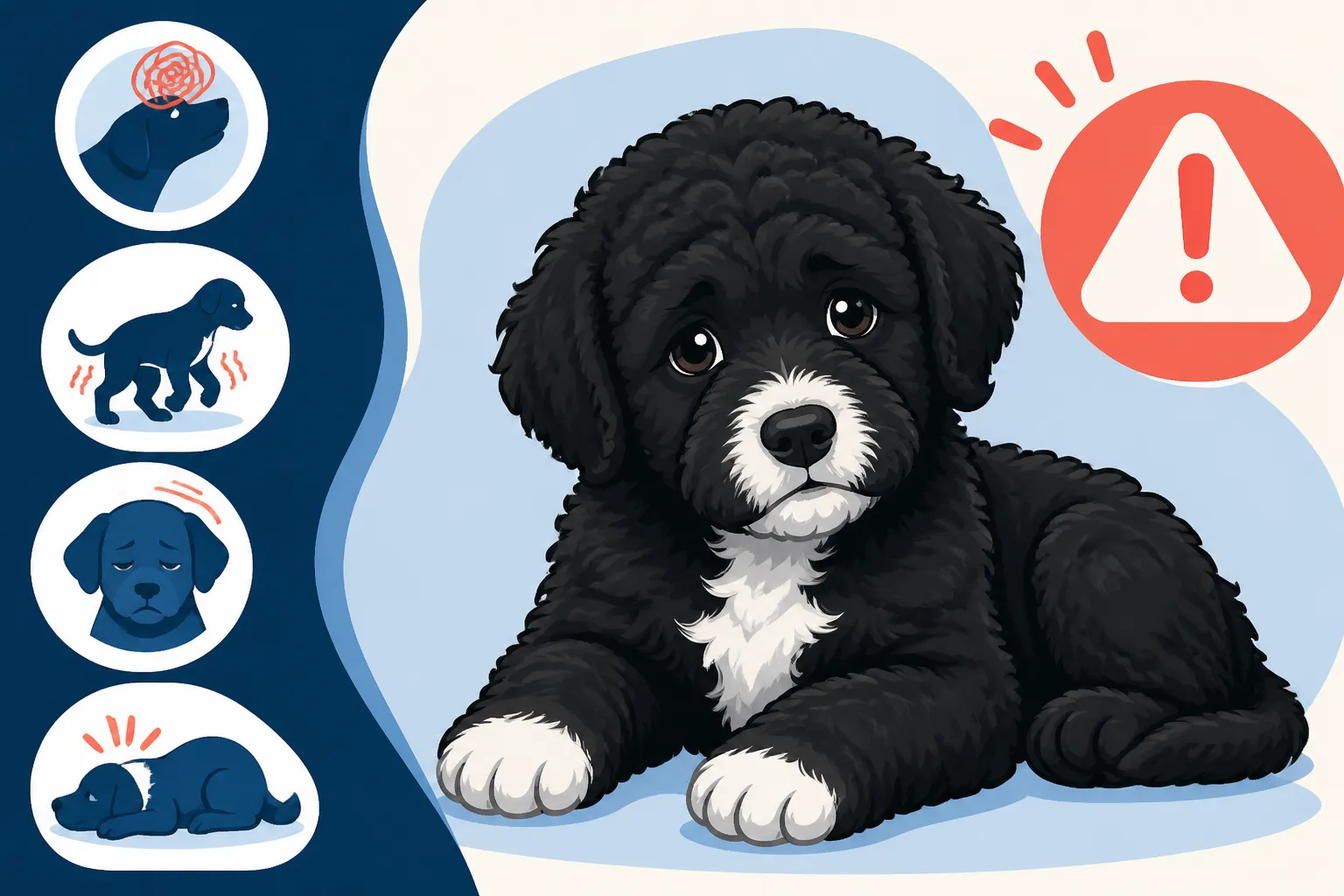
Signs a Portuguese Water Dog Puppy Has GM1
Bringing a new Portuguese Water Dog puppy into your home is an incredibly exciting time, filled with dreams of adventures by the water and endless cuddles. But sometimes, despite all the hope and joy, a subtle worry can creep in when you notice something just isn't quite right with your little one. It's a heartbreaking realization for any owner, especially when facing a complex genetic condition like GM1 Gangliosidosis. This guide is here to shed light on the tell-tale signs that might indicate your precious Portuguese Water Dog puppy is affected by GM1, helping you understand what to look for and why early awareness is so vital.
What Exactly is GM1 Gangliosidosis?
GM1 Gangliosidosis is one of those deeply serious genetic conditions that, thankfully, responsible breeders work tirelessly to eliminate from their lines. It's a cruel disease that impacts a puppy's central nervous system, and understanding its root cause is the first step toward recognizing its devastating effects.
The Genetic Basis of GM1 in Portuguese Water Dogs
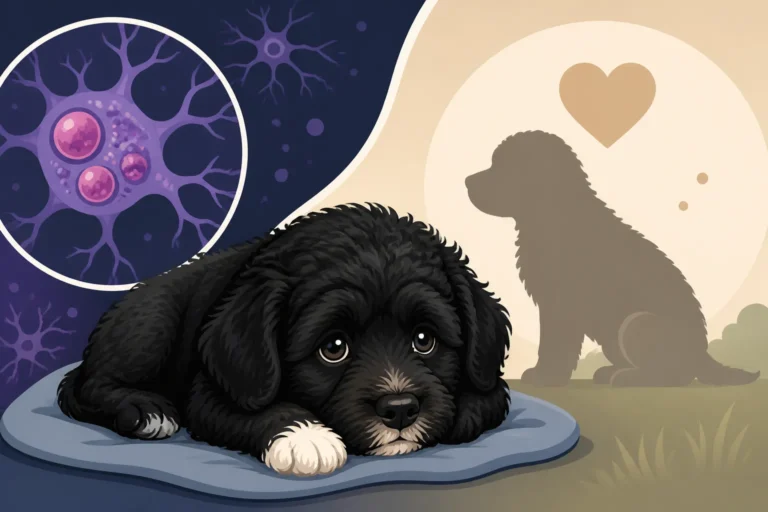
At its core, GM1 Gangliosidosis is a lysosomal storage disease, a fancy term for a problem with how the body breaks down and recycles cellular waste. Imagine your puppy's cells as tiny houses, and lysosomes as their waste disposal and recycling centers. In a healthy dog, these lysosomes contain various enzymes, each acting like a specific worker tasked with breaking down certain types of complex molecules. For puppies affected by GM1, there's a critical enzyme missing or deficient: beta-galactosidase. This enzyme is supposed to break down a fatty substance called GM1 ganglioside. Without this "worker," the GM1 ganglioside starts to accumulate, much like garbage piling up when the trash collectors don't show up.
This accumulation doesn't just happen anywhere; it primarily affects nerve cells, especially in the brain, spinal cord, and even other organs. It's an autosomal recessive genetic condition, meaning a puppy must inherit a copy of the faulty gene from both parents to be affected. If a puppy inherits only one copy, they are considered a "carrier" and won't show symptoms, but they can pass the gene on to their offspring. This is why thorough genetic testing of breeding dogs, which we’ll discuss in detail later, is paramount. You can dive deeper into What GM1 Gangliosidosis Does to a Portuguese Water Dog to understand the full scope of this cellular chaos.
The Impact of GM1 on a Puppy's Development
The continuous buildup of GM1 ganglioside within the nerve cells begins to disrupt their normal function. Think of those nerve cells as intricate wiring for all of your puppy's bodily processes, from movement and coordination to thought and sensation. As the "garbage" accumulates, these wires become clogged and damaged, progressively losing their ability to transmit signals effectively. This isn't a sudden, acute injury; it's a slow, insidious decline that impacts development from a very young age.
Initially, a puppy might seem relatively normal, but as weeks turn into months, the accumulating damage starts to manifest in observable ways. The brain and spinal cord, being highly dependent on healthy nerve function, are particularly vulnerable. Over time, the puppy's ability to control its movements, process information, and even maintain basic bodily functions deteriorates. This process is relentless and irreversible. The effects are tragic, and understanding How GM1 Builds Up in a Portuguese Water Dog Puppy helps us grasp why the symptoms worsen over time.
The Earliest, Most Subtle Signs of GM1
Identifying GM1 early can be incredibly challenging because puppies are naturally clumsy, and many early signs can be mistaken for normal puppy antics or slight developmental variations. However, paying very close attention to subtle cues can make a significant difference.
Initial Developmental Delays
One of the first things you might notice, especially if you have a litter of puppies or have experience with Portuguese Water Dog puppies, is that the affected puppy seems a bit "off" compared to its littermates. They might not hit their developmental milestones at the same time or with the same proficiency. For instance, while other puppies are confidently navigating their surroundings, tumbling over each other, and exploring with gusto, the GM1 puppy might be slightly less coordinated. They may appear to lag in their motor skills, perhaps taking a bit longer to learn to walk steadily, or showing a lack of the typical energetic bounces and playful clumsiness you expect from a growing pup.
This isn't just about being a "late bloomer." It’s a persistent, underlying lack of agility. When the other puppies are racing around or wrestling, the GM1 puppy might participate less enthusiastically, or seem easily fatigued. You might observe a subtle awkwardness in their movements, as if their brain isn't quite communicating smoothly with their limbs. These are not always obvious red flags in isolation, but when viewed as a pattern, they can raise serious concerns. It's a quiet alarm bell, easily missed by an untrained eye or someone simply attributing it to a unique personality.
Changes in Coordination and Gait
As the GM1 ganglioside continues its destructive work on the nerve cells, the subtle developmental delays often progress into more noticeable issues with coordination, medically termed ataxia. This is often first observed in the hindquarters. You might see your puppy taking wider stances, swaying slightly, or having difficulty maintaining balance, particularly when standing still or making quick turns. Instead of a fluid, bouncy gait, their movements might appear stiff, stilted, or overly deliberate.
A classic sign often described is a "bunny hopping" gait, where the puppy moves both hind legs together, almost like a rabbit, rather than alternating them. This is a compensatory mechanism, an attempt to stabilize themselves as their neurological control over individual limb movement diminishes. They might stumble more frequently, trip over their own paws, or struggle with stairs or uneven terrain that other puppies handle with ease. Even simple actions like getting up from a lying position can become a clumsy, laborious effort. These progressive changes in how they walk and move are critical indicators. To understand this further, you can read Why a GM1 Puppy Loses Coordination.
Observable Neurological Symptoms as GM1 Progresses
As GM1 takes a firmer hold, the symptoms unfortunately become much more pronounced and difficult to ignore. These are typically clear signs of neurological dysfunction that warrant immediate veterinary attention.
Tremors and Seizures
Beyond general unsteadiness, many GM1-affected puppies will begin to exhibit involuntary muscle tremors. These tremors often start subtly, perhaps a slight trembling of the head or a limb, especially when the puppy is excited, focused intently on something, or even just trying to hold a specific position. It's not the normal shivers of a cold or nervous puppy; it's a persistent, often rhythmic tremor that speaks to deeper neurological instability.
As the disease progresses, these tremors can become more severe and generalized. Eventually, some puppies will develop full-blown seizures. These seizures can vary widely in presentation, from focal seizures (where only a part of the body is affected, like repetitive twitching of a facial muscle or a limb) to grand mal seizures (where the entire body is involved, with loss of consciousness, rigid limbs, and paddling movements). Witnessing a seizure in your beloved puppy is incredibly frightening, and it's a profound indicator of severe neurological compromise. If you've ever had a puppy experience something like this, you know how terrifying it is. This devastating progression is why knowing Whether a GM1 Portuguese Water Dog Has Seizures is so crucial for early recognition and compassionate care.
Vision and Hearing Impairment
The accumulation of GM1 ganglioside doesn't just affect the motor control centers of the brain; it can also impact the sensory organs. As nerve cells in the eyes and ears are affected, a GM1 puppy may start to experience progressive vision and hearing impairment. You might notice them bumping into furniture or walls, especially in unfamiliar environments or in low light. Their pupils might appear dilated, or their eyes might have an unusual, "glassy" stare. Some owners report a lack of typical puppy curiosity or an inability to track moving objects with their eyes effectively.
Additionally, hearing loss can manifest. Your puppy might not respond to their name, to loud noises, or to the crinkle of a treat bag, behaviors that would typically grab any healthy puppy's attention. They may startle easily when approached from behind because they didn't hear you coming. Ocular signs like nystagmus (involuntary, rapid eye movements) or strabismus (crossed eyes) can also sometimes be observed. These sensory deficits further isolate the puppy and significantly impact their quality of life, making their world smaller and more confusing.
Behavioral and Cognitive Red Flags
Beyond the physical and neurological signs, GM1 can also profoundly affect a puppy's personality, cognitive abilities, and overall well-being. These changes can be particularly distressing for owners who remember their puppy's earlier vibrancy.
Changes in Temperament and Interaction
A healthy Portuguese Water Dog puppy is typically a bundle of playful energy, curious about the world, and eager to interact with their human family and littermates. With GM1, however, you might notice a stark contrast. Affected puppies often become noticeably lethargic, lacking the typical puppy zest for life. They may sleep more than usual, appear uninterested in games, or show reduced enthusiasm for exploring their surroundings. What once was a spirited, engaging pup can become withdrawn and quiet.
Their ability to interact normally can also diminish. They might not respond to affection or playtime cues in the way you'd expect. A once-eager pup might simply lie there when approached, showing little interest in toys, food, or even human companionship. This isn't just a phase; it's a persistent change that signals a deeper issue, reflecting the cognitive decline caused by the accumulating gangliosides in their brain. It’s a tragic loss of their puppy spirit, and Whether GM1 Changes a Portuguese Water Dog's Temperament is an important consideration for anyone concerned about their pup's health.
Eating Difficulties and Growth Stunting
Proper nutrition is paramount for a growing puppy, and eating difficulties are a critical red flag in GM1. In the early stages, you might notice a GM1 puppy having trouble suckling effectively, or later, struggling with solid food. They might chew awkwardly, gag, or regurgitate food more often than normal. This isn't just pickiness; it's a genuine difficulty in the coordination required for eating and swallowing. They might take longer to finish meals, or simply lose interest halfway through.
As a direct consequence of these feeding challenges and the underlying metabolic disturbance, GM1 puppies often fail to thrive. Despite appearing to eat, or at least attempting to, they may not gain weight at the expected rate. They can look smaller, thinner, or generally less robust than their littermates, exhibiting growth stunting. This consistent failure to maintain a healthy weight and grow properly, even when food is provided, is a serious indicator that their body isn't functioning as it should. It's a heartbreaking symptom that underscores the severity of the disease, leaving them fragile and weak.
The Critical Role of Genetic Testing
Given the devastating nature of GM1, genetic testing is not just helpful; it is absolutely indispensable for both breeders and owners. It offers definitive answers where clinical signs can only raise suspicion.
Why Clinical Signs Aren't Enough
While observing the clinical signs we've discussed is crucial for prompting concern, relying solely on symptoms for a diagnosis of GM1 Gangliosidosis is fraught with peril. Many other conditions, some less severe and treatable, can present with similar neurological or developmental issues in puppies. For example, certain nutritional deficiencies, toxic exposures, head trauma, or even other genetic disorders can cause ataxia, tremors, or developmental delays. A vet might initially suspect something like a liver shunt or a neurological infection based on early symptoms.
Without a definitive test, an owner might embark on a long, expensive, and emotionally draining diagnostic journey, chasing down possibilities while the true culprit continues its silent destruction. The emotional toll of not knowing, combined with invasive and often uncomfortable tests for the puppy, makes a genetic test the most humane and direct path. It eliminates guesswork and provides clarity, allowing for appropriate decisions regarding care. This understanding is particularly important for breed integrity and why knowing The Four DNA Tests Every Portuguese Water Dog Breeder Runs is essential knowledge for anyone looking for a puppy.
Breeder Responsibility and Testing Protocols
This is where responsible breeding truly shines. Because GM1 is an inherited condition, the best defense is to prevent affected puppies from being born in the first place. Reputable Portuguese Water Dog breeders understand this intimately and prioritize comprehensive genetic health testing for all their breeding stock. They won't just test for GM1; they'll often run a full panel of DNA tests for several prevalent breed-specific conditions, ensuring they are not breeding carriers to carriers.
The GM1 DNA test is highly accurate and has been available for some time, making it inexcusable for breeders not to utilize it. A responsible breeder will be transparent, providing documentation of their dogs' clear genetic status (not affected, not a carrier) or carrier status, along with proof that they only breed carriers to clear dogs to avoid producing affected puppies. This proactive approach has dramatically reduced the incidence of GM1 in the breed. If you're looking for a puppy, always ask your potential breeder for the health clearances of the parents. This knowledge has fundamentally changed How the GM1 Test Changed Portuguese Water Dog Breeding, allowing for much healthier lines. Moreover, understanding What a Portuguese Water Dog Breeder Should Have Tested will empower you as a buyer.
What Happens After a GM1 Diagnosis?
Receiving a confirmed diagnosis of GM1 Gangliosidosis is devastating news for any Portuguese Water Dog owner. It's a moment when the dreams for your puppy's future collide with a harsh reality.
Prognosis and Quality of Life Considerations
The unfortunate truth about GM1 Gangliosidosis in Portuguese Water Dogs is that it is a relentlessly progressive and ultimately fatal disease. There is currently no cure, and the neurological damage caused by the accumulating GM1 ganglioside cannot be reversed. Most puppies diagnosed with GM1 will only live a few months, typically not reaching six months of age due to the severe neurological deterioration. This incredibly short lifespan means that difficult decisions must be made, often much sooner than anyone anticipates.
The focus shifts entirely to providing comfort, minimizing suffering, and ensuring the puppy's remaining time is as peaceful and loving as possible. This might involve managing symptoms as they arise, ensuring they can eat and drink adequately, and keeping them safe and secure in their environment. It’s about quality of life over quantity, and it requires immense courage and compassion from the owners. Facing GM1 Gangliosidosis and the Portuguese Water Dog Puppy That Never Reaches Six Months is one of the hardest parts of owning a PWD with this genetic condition.
Supportive Care and Financial Implications
While there's no cure for GM1, supportive care can help manage some of the symptoms and improve a puppy's comfort for a time. This might include medications to help control seizures, physical therapy to maintain some muscle strength and mobility, and nutritional support if eating becomes too difficult. Regular veterinary visits become crucial for monitoring their condition and adjusting care as needed. These interventions are aimed at palliation – easing suffering – rather than recovery.
The financial implications of caring for a GM1-affected puppy can be significant, even if treatment is primarily supportive. Veterinary consultations, medications, specialized diets, and potential euthanasia services can add up quickly. This is where having pet insurance, like a plan from Healthy Paws, can offer some peace of mind, potentially covering a portion of diagnostic tests and ongoing care costs. While insurance won't change the prognosis, it can alleviate some of the financial burden, allowing owners to focus entirely on their puppy's comfort without added monetary stress. Although there's no treatment to reverse the disease, understanding Whether GM1 Can Be Treated in a Portuguese Water Dog helps set realistic expectations for care.
Here’s a quick overview of the signs to look out for:
| Category | Early Signs (Weeks 4-8) | Progressive Signs (Weeks 8-20) |
|---|---|---|
| Development & Movement | Subtle clumsiness, lagging behind littermates, slight unsteadiness | Noticeable ataxia (wobbliness), "bunny hopping" gait, frequent stumbling |
| Neurological Symptoms | Mild head tremors, difficulty rising | Generalized body tremors, focal or grand mal seizures, nystagmus (eye flickering) |
| Sensory Function | Reduced curiosity, less response to environmental stimuli | Obvious vision impairment (bumping into objects), hearing loss |
| Behavior & Cognition | Reduced playfulness, increased lethargy, less interactive | Withdraws from interaction, apathy, disinterest in surroundings, disorientation |
| Feeding & Growth | Difficulty suckling, messy eating, slower weight gain | Significant trouble chewing/swallowing, regurgitation, failure to thrive, severe growth stunting |
Disclaimer
The information provided in this article is for educational and informational purposes only and does not constitute veterinary advice. If you suspect your Portuguese Water Dog puppy has GM1 Gangliosidosis or any other health condition, please consult with a qualified veterinarian immediately for accurate diagnosis and treatment.