Whether GM1 Still Appears in Portuguese Water Dogs
It’s heartbreaking to consider the possibility of a beloved Portuguese Water Dog puppy suffering from a debilitating genetic disease. For years, GM1 Gangliosidosis was a very real and terrifying threat that could steal away a puppy's future far too soon. Thankfully, incredible strides have been made in understanding and managing this condition, but it's vital for every prospective and current owner to know exactly where we stand today and what continued vigilance means for the health of our amazing companions.
Understanding GM1 Gangliosidosis in Portuguese Water Dogs
GM1 Gangliosidosis is a devastating inherited neurological disorder that, if left unchecked, can lead to a tragic outcome for affected puppies. It's not just a "little problem"; it's a condition that attacks the very core of a dog's nervous system, slowly robbing them of their abilities.
What GM1 Actually Does to a Portuguese Water Dog
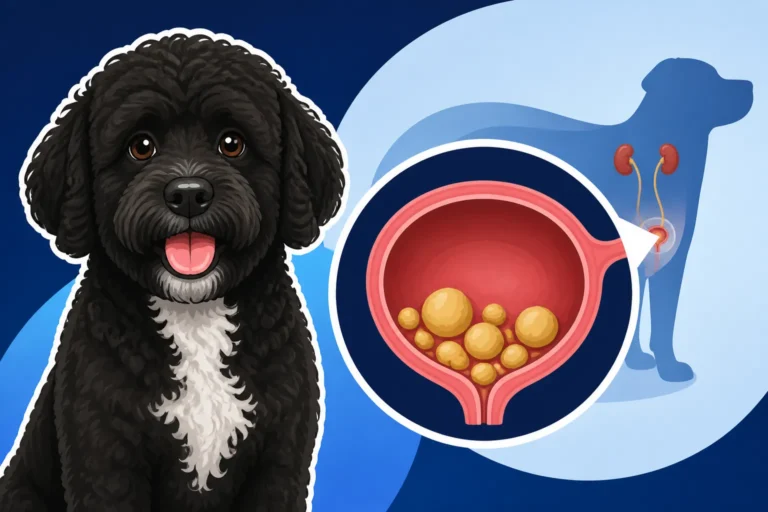
At its heart, GM1 is what we call a lysosomal storage disease. Think of it like this: your dog's body has tiny clean-up crews inside its cells called lysosomes. These crews contain enzymes that break down waste products and old cellular materials. In a Portuguese Water Dog affected by GM1, there's a critical enzyme missing or deficient – beta-galactosidase. Without enough of this specific enzyme, a particular type of fatty material, called GM1 ganglioside, starts to build up to toxic levels within the cells, especially in the brain and nervous system.
This accumulation doesn't happen overnight, but it's relentless. As these fatty deposits grow, they start to interfere with normal cellular function, essentially choking the cells and preventing them from working correctly. Neurons, the vital cells that make up the brain and nerves, are particularly vulnerable. Over time, this cellular damage leads to progressive neurological dysfunction. It’s like a slow, irreversible short-circuiting of the brain, impacting everything from coordination to cognitive function. Understanding exactly what GM1 Gangliosidosis Does to a Portuguese Water Dog really underscores the severity of this genetic flaw.
The Devastating Symptoms of GM1 in Puppies
The initial stages of GM1 can be incredibly deceptive. Puppies often appear completely normal at birth and for the first few weeks of their lives, bustling with typical puppy energy. This makes the eventual onset of symptoms even more heartbreaking because you see a healthy, thriving pup suddenly start to falter. Typically, the first signs begin to manifest between three and six months of age, though sometimes earlier or slightly later.
Parents often notice subtle changes at first. Perhaps a slight awkwardness in their gait, a little less coordination than their littermates, or a tremor in their head or limbs that wasn't there before. As the disease progresses, these symptoms become much more pronounced. You might see a puppy struggling to balance, falling frequently, or developing a wide-legged stance to compensate for their instability. They can experience ataxia, which is a complete loss of full control of bodily movements. Seizures can also become a terrifying reality as the brain's function deteriorates. In some cases, puppies develop an exaggerated startle response to sudden noises or movements. Vision loss is another tragic symptom, as the accumulating gangliosides also affect the eyes. Eventually, the puppy loses the ability to walk, stand, or even eat independently, leading to a profound decline in their quality of life. The devastating reality is that GM1 Gangliosidosis and the Portuguese Water Dog Puppy That Never Reaches Six Months is often the outcome, as affected puppies rarely survive past their first year, typically succumbing to the disease around 6 to 10 months of age. For a more detailed look, see our guide on the Signs a Portuguese Water Dog Puppy Has GM1.
The History of GM1 in the Breed and Breeding Efforts
The journey to control GM1 in Portuguese Water Dogs is a testament to the dedication of responsible breeders, veterinarians, and researchers. It highlights how a united effort can profoundly improve the health of a breed.
How GM1 Was Discovered in Portuguese Water Dogs
The recognition of GM1 Gangliosidosis as a specific genetic problem within the Portuguese Water Dog breed didn't happen overnight. In the early days, before genetic testing was widely available, breeders and veterinarians encountered puppies with these perplexing and ultimately fatal neurological symptoms. These cases were heartbreaking and frustrating, as there was no clear explanation or effective treatment. When multiple cases started appearing in related lines, it raised suspicions that an inherited factor was at play.
Researchers, often working in collaboration with concerned breed clubs and dedicated owners, began investigating these cases in earnest. They performed necropsies (animal autopsies) on affected puppies and examined tissue samples, particularly from the brain. It was through this meticulous scientific detective work that the characteristic accumulation of GM1 gangliosides in the lysosomes was identified. This discovery was a pivotal moment, confirming that Portuguese Water Dogs were susceptible to this specific, inherited storage disease. This understanding then paved the way for identifying the genetic mutation responsible.
The Role of DNA Testing in Eradicating GM1
Once the genetic mutation causing GM1 was identified, the next crucial step was the development of a reliable DNA test. This was a game-changer for the breed. The availability of a simple, non-invasive test – often just a cheek swab – meant that breeders could, for the first time, definitively determine the genetic status of their breeding dogs.
The test reveals whether a dog is "Clear" (meaning they don't carry the gene and won't pass it on), a "Carrier" (meaning they have one copy of the faulty gene but are unaffected themselves, and can pass it on), or "Affected" (meaning they have two copies of the faulty gene and will develop the disease).
When the GM1 DNA Test Became Available, it revolutionized breeding practices. Responsible breeders immediately embraced this new tool. They could now make informed decisions, ensuring that two carrier dogs were never bred together, thus preventing the birth of affected puppies. This proactive approach allowed for the systematic reduction of the GM1 gene in the population without drastically shrinking the gene pool. It meant that healthy carriers could still contribute to the breed, provided they were bred to a clear mate. This strategic testing fundamentally changed How the GM1 Test Changed Portuguese Water Dog Breeding, transforming a devastating mystery into a manageable health concern.
Current Status: Is GM1 Still a Concern Today?
The short answer is both yes and no. While the landscape has dramatically improved, the battle against GM1 isn't entirely over.
The Significant Decline in GM1 Cases
Thanks to the widespread adoption of DNA testing, the incidence of GM1 Gangliosidosis in Portuguese Water Dogs has plummeted. It's truly a success story in responsible breeding and genetic health management. Most reputable breeders today routinely test all their breeding stock for GM1, along with other critical genetic conditions. They understand that a healthy puppy starts with healthy parents and a transparent approach to genetic health.
When you speak with breeders who are committed to the health of their lines, they will readily share the GM1 test results for both parent dogs. You'll often find that breeding pairs are selected so that at least one parent is "Clear" of the GM1 gene, ensuring that no affected puppies can be produced. This diligent practice has made actual cases of GM1 in Portuguese Water Dogs incredibly rare in well-bred litters. It’s a huge relief for anyone looking to bring one of these wonderful dogs into their home, knowing that the risk of this particular tragedy is minimal when choosing a responsible source.
Why Vigilance is Still Absolutely Critical
Despite the impressive progress, stating that GM1 has been entirely eradicated would be premature and misleading. Vigilance remains absolutely critical. Here's why:
Firstly, the gene still exists in the breed. While responsible breeders actively manage it, carrier dogs are still part of the breeding population, and appropriately so, to maintain genetic diversity. If breeders become complacent and stop testing, or if inexperienced or unethical breeders cut corners, there's always a risk that two carrier dogs could be unknowingly bred together. This could lead to the resurgence of affected puppies.
Secondly, the existence of "backyard breeders" or individuals who breed without understanding or adhering to established health protocols poses a continuous risk. These breeders often do not perform the necessary health screenings, including DNA tests for GM1. A puppy from such a source, while potentially cheaper upfront, comes with a significantly higher risk of carrying or being affected by genetic diseases. This is why What a Cheap Portuguese Water Dog Puppy Signals is often a warning about lack of health testing.
Finally, some people adopt rescue dogs, which is wonderful, but it's crucial to understand that their genetic history might be unknown. While many rescues do their best to gather information and health test, not every dog's full genetic background will be available. When considering a rescue, it's always wise to ask What Comes With a Rescue Portuguese Water Dog, specifically inquiring about any known health testing. The key takeaway is that while the prevalence is low, the potential for GM1 to appear is ever-present if responsible breeding practices aren't universally maintained.
The Mechanics of GM1 Inheritance and Testing
Understanding how GM1 is passed down, even at a basic level, empowers prospective owners to ask the right questions and appreciate the efforts of good breeders.
Understanding Carrier Status and Affected Puppies
GM1 Gangliosidosis is inherited in an autosomal recessive pattern. This means a puppy must inherit two copies of the faulty gene – one from each parent – to actually be affected by the disease. Here's a simple breakdown of the possibilities:
- Clear Dog (N/N): Has two normal copies of the gene. Will not develop GM1 and will not pass the gene to any offspring.
- Carrier Dog (N/GM1): Has one normal copy and one faulty copy of the gene. Will not develop GM1 symptoms themselves (they are "unaffected"), but can pass the faulty gene to their offspring.
- Affected Dog (GM1/GM1): Has two faulty copies of the gene. Will develop GM1 symptoms.
The critical interaction comes when planning a breeding. If you breed a Clear dog to another Clear dog, all puppies will be Clear. If you breed a Clear dog to a Carrier dog, approximately half the litter will be Clear and half will be Carriers, but none will be Affected. This is generally considered a safe and responsible pairing for maintaining genetic diversity while preventing disease. However, if two Carrier dogs are bred together, that's when the risk arises. In that scenario, statistically, 25% of the puppies will be Clear, 50% will be Carriers, and a devastating 25% will be Affected. This is the pairing that responsible breeders actively avoid. Whether a GM1 Carrier Portuguese Water Dog Is Affected themselves is a common question, and the answer is no, they do not show symptoms, which is why testing is so vital.
Here's a quick table to illustrate the genetic outcomes:
| Parent 1 Status | Parent 2 Status | Offspring Probabilities (Approximate) |
|---|---|---|
| Clear (N/N) | Clear (N/N) | 100% Clear |
| Clear (N/N) | Carrier (N/GM1) | 50% Clear, 50% Carrier |
| Clear (N/N) | Affected (GM1/GM1) | 100% Carrier |
| Carrier (N/GM1) | Carrier (N/GM1) | 25% Clear, 50% Carrier, 25% Affected |
| Carrier (N/GM1) | Affected (GM1/GM1) | 50% Carrier, 50% Affected |
| Affected (GM1/GM1) | Affected (GM1/GM1) | 100% Affected |
Note: Breeding an Affected dog is not recommended for obvious ethical reasons.
How Breeders Use the GM1 DNA Test
Responsible Portuguese Water Dog breeders rely heavily on DNA tests as a fundamental part of their breeding program. Before any breeding takes place, both prospective parents are tested for GM1, among other genetic conditions. This isn't just a suggestion; it's a non-negotiable step for ethical breeding. Which Lab Runs the Portuguese Water Dog JDCM Test is a similar question often asked, and for GM1, laboratories like OptiGen or the Orthopedic Foundation for Animals (OFA) often process these tests, or provide resources on where to send samples.
The process is straightforward: a certified veterinarian or breeder takes a DNA sample, typically a cheek swab or blood sample, and sends it to a specialized genetics laboratory. The lab then analyzes the DNA and reports back the dog's status: Clear, Carrier, or Affected.
Armed with this information, breeders can make informed decisions. A common strategy is to always breed a Carrier dog to a Clear dog. This ensures that no puppies will be affected by GM1, while still allowing the Carrier dog to pass on other valuable traits to its offspring, thereby preserving genetic diversity. All puppies from such a pairing would then be either Clear or Carriers, but never affected. It's still good practice to inform puppy buyers if their puppy is a carrier, as this information is important if that puppy were ever to be considered for breeding in the future. Reputable breeders will also make sure to show you the actual test results for the parent dogs when you inquire about a puppy. This commitment to transparency and genetic health is a cornerstone of responsible breeding. You should expect to see these results, alongside those for other important conditions like PRA and JDCM, when a Portuguese Water Dog Breeder Shows the GM1 Result.
What Prospective Owners Need to Know About GM1
Choosing a Portuguese Water Dog puppy is an exciting time, but it also comes with the responsibility of ensuring you're making a healthy choice. Knowing what to ask and what to look for can make all the difference.
Essential Questions for Your Portuguese Water Dog Breeder
When you're looking for a Portuguese Water Dog puppy, one of the most important things you can do is engage in a thorough conversation with the breeder about health. Don't be shy – a good breeder will welcome your questions and be eager to share information. Here are some essential questions specifically regarding GM1, but also touching on broader genetic health:
- "Can I see the GM1 DNA test results for both the sire (father) and dam (mother) of the litter?" A reputable breeder will have these results readily available, often posted on their website or provided to you directly. They should be from a recognized laboratory and clearly state whether each parent is "Clear" or "Carrier." If either parent is a carrier, ensure the other parent is clear.
- "Which other genetic tests do you perform on your breeding dogs?" GM1 is just one piece of the puzzle. You'll also want to ask about tests for Juvenile Dilated Cardiomyopathy (JDCM), Progressive Retinal Atrophy (PRA), and certifications for hips and elbows. A comprehensive breeder will also conduct eye exams by a veterinary ophthalmologist and cardiac evaluations by a veterinary cardiologist. This aligns with The Four DNA Tests Every Portuguese Water Dog Breeder Runs and What a Portuguese Water Dog Breeder Should Have Tested.
- "What is your health guarantee for puppies?" Understand the terms of their health guarantee, especially concerning genetic conditions. A responsible breeder will stand behind the health of their puppies.
- "Are these results registered with the Orthopedic Foundation for Animals (OFA) or another public database?" Public registration of health test results provides an extra layer of transparency and accountability, allowing you to verify the information independently.
Any hesitation or inability to provide these documents should be a significant red flag. Choosing a breeder who openly shares and prioritizes health testing is the best way to ensure you bring home a healthy puppy. What a Fully Tested Portuguese Water Dog Litter Costs More is entirely justified by the extensive health screenings undertaken by dedicated breeders.
Supporting the Future Health of the Breed
As a prospective Portuguese Water Dog owner, your choices have a direct impact on the future health of the breed. By choosing to purchase a puppy from a breeder who adheres to the highest standards of genetic health testing, you are actively supporting ethical breeding practices. This demand for healthy, tested puppies encourages all breeders to prioritize these screenings.
Furthermore, many responsible breeders submit their dogs' health information to public databases such as the OFA (Orthopedic Foundation for Animals) or the Canine Health Information Center (CHIC). These databases are invaluable resources for researchers and for prospective owners looking to verify health clearances. When you ask about these registries and encourage your breeder to use them, you're contributing to a collective effort to gather data and track genetic health trends over generations.
Even after you bring your puppy home, maintaining their health through regular veterinary care, a high-quality diet, and appropriate exercise is paramount. While a responsible breeder mitigates many genetic risks, having a good pet insurance plan from providers like Healthy Paws can still offer peace of mind for unexpected illnesses or accidents down the line. Investing in a well-bred, health-tested puppy and then providing excellent care yourself is the best way to ensure your Portuguese Water Dog lives a long, happy, and healthy life. Supporting the efforts of breed clubs and organizations that fund health research also plays a crucial role in safeguarding the breed for years to come.
What to Do If You Suspect GM1 in a Puppy
Discovering that your puppy might be suffering from a severe genetic disease like GM1 is every pet parent's worst nightmare. It's a devastating blow, and knowing what steps to take can help you navigate an incredibly difficult time.
Immediate Steps and Veterinary Consultation
If you notice any of the concerning signs mentioned earlier – progressive uncoordination, tremors, seizures, difficulty eating, or a general failure to thrive – your very first step must be to contact your veterinarian immediately. Do not delay. Clearly describe all the symptoms you've observed, noting when they started and how they've progressed. Be as detailed as possible, as this information is crucial for your vet to begin building a picture of what might be happening.
Your vet will conduct a thorough physical and neurological examination. They will likely want to rule out other more common puppy ailments first. If GM1 is suspected, the diagnostic process can include blood tests, urinalysis, and potentially even an MRI or spinal tap, though these more advanced diagnostics might be recommended by a veterinary neurologist. Ultimately, a definitive diagnosis of GM1 requires specific genetic testing or specialized enzyme activity tests. If you purchased your puppy from a reputable breeder, inform them immediately, as they will want to be involved and may be able to provide genetic history or assistance. The financial burden of caring for a seriously ill puppy, even if it's short-lived, can be immense, making pet insurance from companies like Healthy Paws a wise consideration from day one.
The Emotional Toll and Limited Treatment Options
Coming to terms with a diagnosis of GM1 Gangliosidosis is an emotionally grueling experience for any owner. The pain of watching a vibrant puppy decline is profound, and it's essential to acknowledge and allow yourself to feel that grief. It's not just a pet; it's a family member, and the dreams you had for their future are suddenly shattered.
The harsh reality of GM1 is that there is currently no cure or effective long-term treatment. The disease is progressive and ultimately fatal. Veterinary care at this stage focuses primarily on palliative care – managing symptoms to ensure the puppy's comfort and quality of life for as long as possible. This might involve medications to control seizures, nutritional support, or providing a safe, comfortable environment. However, as the neurological deterioration progresses, the puppy's quality of life will inevitably diminish, and difficult decisions often need to be made with the guidance of your veterinarian regarding humane euthanasia.
This is why the proactive genetic testing done by responsible breeders is so incredibly vital. It's about preventing this unimaginable heartache from ever happening. If you find yourself in this situation, lean on your support system, your veterinarian, and remember that you gave that puppy love and comfort during their short time. Companies like Healthy Paws, while not covering pre-existing conditions, can be invaluable for unexpected illnesses in healthy puppies, but GM1 is often a devastating exception where prevention through genetic testing is the only real "cure."
Disclaimer
This article is intended for informational purposes only and should not be considered a substitute for professional veterinary advice. Always consult with a qualified veterinarian for any health concerns or before making any decisions about your pet's health or treatment.