How Common Hip Dysplasia Is in Portuguese Water Dogs
It's heartbreaking to see your active, water-loving Portuguese Water Dog suddenly hesitant to jump or struggle after a good run, and your mind immediately goes to their joints. The worry about something as debilitating as hip dysplasia is a very real concern for any PWD owner or prospective owner, especially with how athletic and boisterous these dogs naturally are. This guide is here to shed light on how common hip dysplasia truly is in Portuguese Water Dogs, helping you understand the risks, recognize the signs, and equip you with the knowledge to either prevent or manage this challenging condition effectively.
Understanding Hip Dysplasia and Its Prevalence in Portuguese Water Dogs
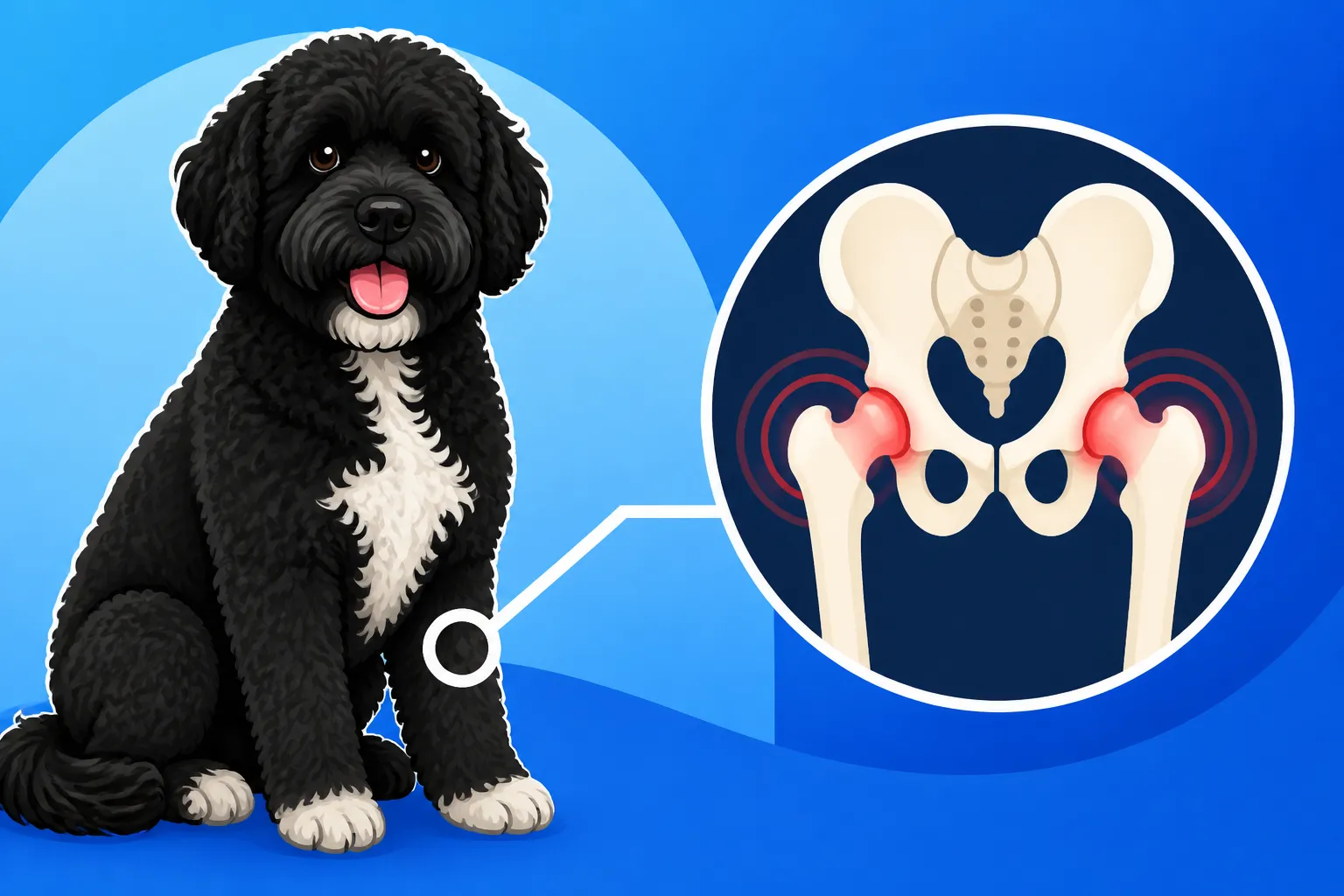
Hip dysplasia is a complex, multifactorial disease that affects the hip joints of many dog breeds, particularly larger and more athletic ones like our beloved Portuguese Water Dogs. It's not a simple condition; rather, it involves the abnormal development or growth of the hip joint. Essentially, the ball (femoral head) and socket (acetabulum) don't fit together snugly, leading to joint laxity. Over time, this poor fit causes wear and tear, inflammation, and ultimately, degenerative joint disease or osteoarthritis.
The genetic component is significant, meaning it's often passed down through generations. However, environmental factors like nutrition, exercise, and rapid growth rates can also play a role in how severely the condition manifests. For Portuguese Water Dogs, whose history involves rigorous physical activity on fishing boats, strong, healthy joints are paramount. This innate athleticism, while wonderful, also means that any joint compromise can severely impact their quality of life. Understanding the mechanics of Hip Dysplasia in a Portuguese Water Dog is the first step towards recognizing and addressing it.
When we talk about "how common" it is, we turn to breed health registries for the most accurate picture. Organizations like the Orthopedic Foundation for Animals (OFA) compile data from thousands of radiographs submitted by veterinarians and breeders across the United States. The OFA assigns a hip rating (Excellent, Good, Fair, Borderline, Mild, Moderate, or Severe) based on specific radiographic criteria. A dog must be at least 24 months old to receive a final OFA certification, as puppy hips are still developing.
According to OFA statistics, specifically for Portuguese Water Dogs, the breed does show a notable incidence of hip dysplasia. While it's certainly not every PWD, the numbers indicate it's a condition to be taken seriously. For instance, looking at historical data, a significant percentage of PWDs evaluated through OFA have received dysplastic ratings (Mild, Moderate, or Severe). It's crucial to note that these statistics typically reflect dogs that have been screened, often by responsible breeders, meaning the actual population prevalence might be even higher if we included all PWDs, especially those from less rigorous breeding programs. This highlights why checking What a Portuguese Water Dog Breeder Should Have Tested is non-negotiable.
Recognizing the Early and Advanced Signs of Hip Dysplasia
One of the most frustrating aspects of hip dysplasia is that its signs can be subtle at first, especially in a breed as stoic and eager to please as the Portuguese Water Dog. They're often quite good at masking discomfort, driven by their high pain tolerance and desire to keep up with their families. This can make early detection tricky, but knowing what to look for can make all the difference in intervening before the condition progresses too far.
Subtle Clues in Young PWDs
In puppies or young adult Portuguese Water Dogs, the signs might be easily mistaken for simple puppy clumsiness or growing pains. However, if you notice a consistent pattern, it warrants a closer look. One of the classic early indicators is a "bunny hop" gait, where the dog uses both hind legs simultaneously to propel themselves forward, rather than alternating them. This is an attempt to reduce pressure on one hip at a time. You might also observe a reluctance to engage in typical puppy antics, such as jumping, climbing stairs, or prolonged running.
Another subtle sign could be a decrease in activity level or a preference for lying down rather than standing. They might seem stiff after resting or wake up from a nap with a noticeable limp that gradually improves as they warm up. Owners might also report a slight "wobble" in the hindquarters or a reduced range of motion in the hips, though this can be hard to spot without veterinary guidance. Paying close attention to how your puppy moves and behaves during their active growth phase, and understanding Whether a Portuguese Water Dog Puppy Should Swim for Exercise versus high-impact activities, is critical.
Overt Symptoms in Mature Dogs
As hip dysplasia advances, or in older Portuguese Water Dogs, the symptoms tend to become more pronounced and harder to ignore. Pain becomes more evident, leading to more obvious lameness in one or both hind legs. They might struggle to get up from a lying position, especially after a long rest, and could be visibly stiff. Muscle atrophy in the hindquarters is common as the dog uses those muscles less, leading to a noticeable thinning of the upper thighs, which can sometimes be obscured by their thick coat.
You might see a significant change in their gait, beyond the bunny hop, to a short, choppy stride in the hind legs as they try to avoid extending their hips fully. Some dogs may even experience a grating sound or sensation in the hip joint during movement, though this is usually detected by a veterinarian during an examination. Behavioral changes due to chronic pain are also possible, such as irritability, decreased appetite, or a general reluctance to play or interact, which is a stark contrast to the typically joyful PWD temperament. It's a sad reality that The Age a Portuguese Water Dog Gets Arthritis can be surprisingly young if hip dysplasia is present.
Diagnosing and Managing Hip Dysplasia Effectively
Once you suspect hip dysplasia, getting a definitive diagnosis is the next crucial step. Early and accurate diagnosis allows for the implementation of management strategies that can significantly slow the progression of the disease and maintain your Portuguese Water Dog's quality of life for as long as possible. The process usually involves a combination of physical examination and diagnostic imaging.
The Diagnostic Journey: From Exam to X-rays
Your veterinarian will start with a thorough physical examination, observing your dog's gait, palpating the hips for pain or instability, and assessing their range of motion. They might perform specific maneuvers, like the Ortolani sign, which can indicate hip joint laxity. While this gives a strong suspicion, the gold standard for diagnosing hip dysplasia is radiography, or X-rays.
For official evaluation, such as through the OFA or PennHIP programs, specific radiographic views are required. These X-rays are typically taken under sedation or anesthesia to ensure the dog is perfectly positioned, allowing for clear and accurate images of the hip joints. The sedation also ensures your dog is comfortable and still, which is vital for proper assessment. OFA evaluates the hips for signs of osteoarthritis and joint congruence, while PennHIP focuses on measuring hip laxity, which can detect the predisposition to dysplasia even in younger dogs. Understanding When a Portuguese Water Dog Should Be X Rayed is essential for timely evaluation.
Once a diagnosis is made, the specific grade of dysplasia will inform the treatment plan. It's important to remember that a diagnosis isn't an end-of-the-world scenario. Many dogs with mild to moderate dysplasia can live full, happy lives with proper management.
Navigating Treatment Options: Conservative and Surgical Approaches
Managing hip dysplasia in Portuguese Water Dogs typically involves a combination of conservative and, in some cases, surgical interventions. The goal is always to minimize pain, maximize joint function, and improve overall quality of life.
Conservative Management focuses on non-surgical methods and is often the first line of defense, especially for mild to moderate cases or for dogs that aren't surgical candidates.
- Weight Management: This is paramount. Excess weight puts significant additional strain on compromised joints. Maintaining a lean body condition is one of the most impactful things you can do.
- Controlled Exercise: While exercise is crucial for muscle strength, high-impact activities like aggressive fetching on hard surfaces or intense jumping should be limited. Instead, focus on low-impact activities like swimming. Why Swimming Protects a Portuguese Water Dog's Joints cannot be overstated for this breed, as it builds muscle mass without stressing the joints. Regular, moderate walks on soft surfaces are also beneficial.
- Medication: Non-steroidal anti-inflammatory drugs (NSAIDs) are commonly prescribed to reduce pain and inflammation. Other medications, such as gabapentin, might be used for neuropathic pain. Your vet might also recommend joint supplements containing glucosamine, chondroitin, and MSM, though their efficacy can vary.
- Physical Rehabilitation: Just like in humans, physical therapy can be incredibly helpful. This can include hydrotherapy (underwater treadmill), therapeutic exercises, massage, and laser therapy to build muscle, improve range of motion, and reduce pain.
Surgical Intervention is considered for more severe cases or when conservative management is no longer effective. The choice of surgery depends on the dog's age, size, and the severity of the dysplasia.
- Femoral Head Ostectomy (FHO): This procedure involves removing the head and neck of the femur, allowing a "false joint" to form. It's typically reserved for smaller dogs or those with severe, unilateral dysplasia, as it's less invasive than total hip replacement but also offers less ideal function. What Hip Surgery Costs on a Portuguese Water Dog is a significant factor here.
- Total Hip Replacement (THR): This is the most effective surgical treatment, replacing the damaged hip joint with artificial components. It offers excellent results in restoring pain-free function but is a major surgery with a substantial recovery period and higher cost.
- Triple Pelvic Osteotomy (TPO) / Double Pelvic Osteotomy (DPO): These procedures are typically performed in younger dogs (under 10-12 months) before significant osteoarthritis has developed. They involve cutting and rotating pelvic bones to improve the fit of the femoral head into the acetabulum.
Dealing with the diagnosis of hip dysplasia can be financially daunting, and having a robust pet insurance plan like one from Healthy Paws can truly alleviate some of that stress. Beyond the initial diagnosis, ongoing management, including physical therapy and medication, can accrue significant costs. Many owners find peace of mind with providers like Healthy Paws, knowing major medical bills are supported. This allows you to make the best decisions for your dog's health without the added burden of overwhelming financial worry.
Proactive Measures: Protecting Your Portuguese Water Dog's Hips
Preventing hip dysplasia, or at least minimizing its severity, begins long before you even bring a puppy home. Responsible breeding practices are the cornerstone of reducing the incidence of this hereditary disease. Beyond genetics, the way you raise and care for your Portuguese Water Dog, especially during their critical growth phases, plays a significant role in their long-term joint health.
The Importance of Choosing a Responsible Breeder
The single most impactful decision you can make is selecting a breeder who rigorously health tests their breeding stock. Responsible Portuguese Water Dog breeders will perform hip evaluations, typically through OFA or PennHIP, on both parent dogs before breeding. They should be able to provide documentation proving that their breeding pair has hip scores of Fair, Good, or Excellent. A breeder who claims their dogs are "vet checked" or "no problems noticed" without official certifications is a red flag.
Don't hesitate to ask for copies of these certifications and verify them on the OFA website. A truly transparent breeder will be proud to share their results. They will also screen for other common conditions like Elbow Dysplasia in a Portuguese Water Dog, which often goes hand-in-hand with hip screening. A good breeder understands the genetic predispositions of the breed and actively works to mitigate them, ensuring the healthiest start for their puppies. This dedication to health often means a higher initial cost for the puppy, but it’s an investment in a lifetime of fewer vet bills and more joy.
Nurturing Joint Health from Puppyhood to Senior Years
Once you bring your Portuguese Water Dog home, ongoing care plays a pivotal role in supporting their joint health. This care encompasses appropriate exercise, nutrition, and vigilant monitoring.
- Balanced Exercise for Growing Pups: Over-exercising a puppy can be just as detrimental as under-exercising. Puppies need play and movement, but their growth plates are still open and vulnerable to injury from high-impact activities like prolonged running on hard surfaces, excessive jumping, or forced strenuous exercise. Focus on free play, short walks, and, once cleared by your vet, plenty of swimming. Letting your PWD puppy enjoy water in a controlled manner helps build crucial muscle support around their joints without the concussive forces of running.
- Optimal Nutrition: Feed a high-quality, balanced diet appropriate for your dog's age and activity level. For large breed puppies, sometimes specific "large breed puppy formulas" are recommended to support slower, more controlled growth, which can help prevent developmental orthopedic diseases. Avoid overfeeding, as maintaining an ideal body weight is absolutely crucial at every stage of life.
- Joint Supplements: While not a cure-all, many vets recommend starting joint supplements like glucosamine and chondroitin, often combined with MSM or omega-3 fatty acids, early in a PWD's life, especially if there's any genetic predisposition or early signs of joint issues. These supplements aim to support cartilage health and reduce inflammation.
- Regular Veterinary Check-ups: Routine veterinary visits are essential for monitoring your dog's overall health, including their joint condition. Your vet can identify subtle changes, recommend preventive measures, and advise on appropriate interventions if any concerns arise. As your Portuguese Water Dog ages, these check-ups become even more important for Caring for a Portuguese Water Dog Past Nine, when arthritis and other age-related joint issues may become more prevalent.
Investing in preventative care and having a good pet insurance policy, such as those offered by Healthy Paws, can make a huge difference in long-term financial planning for your PWD's health. It provides a safety net, allowing you to focus on the best medical care without worrying about unexpected costs.
| Signs of Hip Dysplasia | Young Portuguese Water Dog (Puppy/Adolescent) | Mature Portuguese Water Dog (Adult/Senior) |
|---|---|---|
| Activity Level | Reluctance to play, jump, or climb stairs | Decreased willingness to exercise or play |
| Gait/Movement | "Bunny hopping" (using both hind legs), slight lameness | Obvious lameness, stiffness after rest, short choppy strides |
| Pain Response | May whimper with specific movements, avoids certain positions | Pain on palpation of hips, difficulty rising from rest |
| Muscle Tone | Subtle muscle loss in hindquarters (hard to detect) | Noticeable muscle atrophy in hindquarters (thighs appear thinner) |
| Sound/Feel | May have subtle "click" or "pop" in joint | Visible grinding or popping in severe cases |
| Behavioral | More tired, less engaged, occasional irritability | Irritability, decreased appetite, seeks comfort, avoids touch |
Disclaimer
Please remember that the information provided in this guide is for general informational purposes only and does not constitute veterinary advice. Always consult with a qualified veterinarian for any health concerns or before making any decisions about your Portuguese Water Dog's care, diagnosis, or treatment. Your vet can provide tailored advice based on your dog's specific condition and history.