Whether the Improper Coat Gene Affects Anything Else
It’s a common worry among potential Portuguese Water Dog owners: if a puppy has an "improper coat," does that mean there are deeper health problems lurking beneath the surface? Many people understandably fear that a visible genetic trait might be linked to other, more serious health concerns. This comprehensive guide will put those fears to rest, meticulously exploring whether the improper coat gene affects anything beyond just your beloved PWD’s unique fur texture.
Decoding the Improper Coat Gene: More Than Just Appearance
When you hear the term "improper coat" in the context of a Portuguese Water Dog, it's natural to assume something is fundamentally "wrong." However, it's crucial to understand that this trait is primarily about the texture of the dog's fur, not a sign of illness or a defect in their overall health. The improper coat, often abbreviated as IC, is caused by a specific recessive gene, often referred to as IC1 or the FGF5 gene mutation. This means a puppy must inherit two copies of this gene – one from each parent – to display the trait. If a dog only has one copy, they are considered a carrier but will have a standard Portuguese Water Dog coat.
The standard Portuguese Water Dog coat is either curly or wavy, both dense with a healthy sheen, and vitally, they are single-coated and have minimal shedding, making them a popular choice for families with allergies. An improper coat, in contrast, tends to be softer, more cotton-like, and typically longer, especially on the legs and body. It often has a more open texture, which can feel less dense to the touch, and it usually does shed more than a traditional PWD coat. This difference in texture and shedding is the primary manifestation of the IC gene. It's a throwback to an older coat type, not a mutation that causes systemic issues.
You might be wondering, "But if it's 'improper,' doesn't that hint at other problems?" The term itself can be misleading, as it relates to the breed standard for show dogs, not necessarily the health or functionality of the dog as a companion. For a deeper dive into what it visually entails, you can explore what an improper coated Portuguese Water Dog looks like.
Direct Health Impacts of the Improper Coat Gene
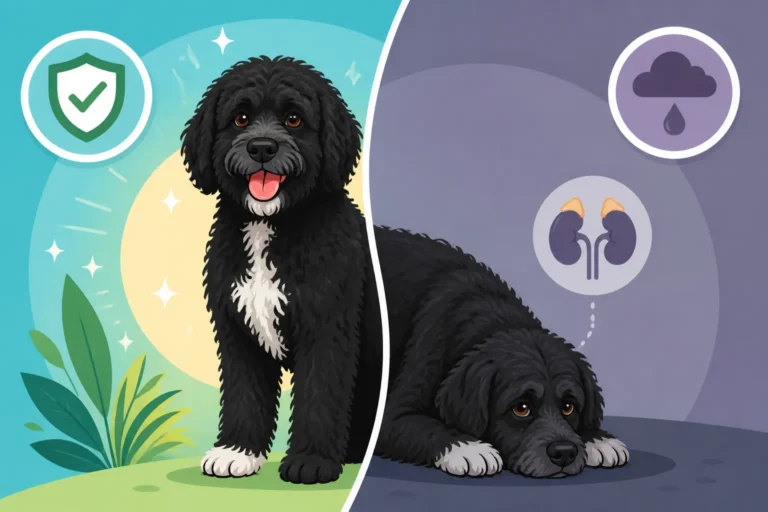
This is the big question that keeps many prospective owners up at night: does the improper coat gene compromise a Portuguese Water Dog's health in any way? The resounding answer from veterinary science and experienced breeders is no. The IC gene has been thoroughly studied, and current research overwhelmingly indicates that it is a cosmetic trait only. It does not lead to skin problems, immune system deficiencies, organ dysfunction, or any other internal health issues. Your Portuguese Water Dog with an improper coat is just as robust and healthy as their traditionally coated siblings.
For instance, you won't find improper coated PWDs more prone to allergies, ear infections (beyond what a regular PWD might experience due to their ear structure), or gastrointestinal problems. They don't have compromised immune systems or a higher likelihood of developing conditions like Addison's disease or hip dysplasia, which are concerns in the breed generally, but entirely unrelated to coat type. The gene affects the keratin structure in the hair follicles, influencing growth and texture, but it doesn't extend its influence to other bodily systems. This means that a dog with an improper coat can live a full, active, and healthy life, often reaching The Twelve to Fifteen Years a Portuguese Water Dog Gets just like any other well-bred PWD.
The only potential "impact" related to health might be indirect. Because the coat is softer and can be more prone to matting if neglected, some owners might inadvertently allow mats to develop, which can pull on the skin and cause irritation or skin infections. However, this isn't a direct result of the gene causing skin issues; it's a consequence of inadequate grooming for that specific coat type. With proper care, these concerns are easily avoided, meaning Whether an Improper Coated Portuguese Water Dog Is Healthy remains a firm yes.
Grooming and Environmental Considerations
While the improper coat gene doesn't affect internal health, it absolutely influences grooming requirements and how your dog might interact with certain environments. This is where the practical differences really come into play. A traditional Portuguese Water Dog coat is famously low-shedding, requiring regular brushing and professional grooming to prevent mats. An improper coat, however, tends to shed more and can mat more easily if not managed diligently.
The texture of an improper coat is often described as finer and less dense, which means it can tangle and felt closer to the skin much quicker, particularly in areas of friction like behind the ears, under the harness, or in the armpits. If you're used to the minimal shedding and unique curl of a standard PWD, an improper coat will feel quite different to manage. You might find yourself needing to brush your dog more frequently, perhaps even daily, especially after swimming or vigorous play in brushy areas.
Grooming an Improper Coated PWD:
| Feature | Standard PWD Coat (Curly/Wavy) | Improper PWD Coat |
|---|---|---|
| Texture | Dense, harsh (curly), soft (wavy), waterproof feel | Softer, cottony, often shaggier, less dense |
| Shedding | Minimal, hair is held in coat | Moderate, noticeable shedding |
| Matting Tendency | Moderate to high, needs regular brushing/clipping | High, mats faster and closer to skin |
| Drying Time | Can take a while, especially if dense and wet | May absorb more water, potentially longer to dry fully |
| Grooming Frequency | Every 4-8 weeks professional clip; weekly brushing | Every 6-8 weeks professional clip; daily/every other day brushing |
The shedding aspect of an improper coat means that while standard PWDs are often lauded as "hypoallergenic" (though no dog is truly 100% allergen-free), an improper coated PWD will likely trigger allergies for sensitive individuals more readily due to increased dander and hair release. This is a crucial consideration for allergy sufferers.
From an environmental standpoint, the slightly less dense nature of the improper coat might offer marginally less insulation in extremely cold water compared to a very dense standard coat, but for most activities, including swimming, it's perfectly adequate. Their natural athleticism and love for water, which are inherent to the breed's heritage, remain completely unaffected by coat type. Whether your PWD has an improper coat or not, they will still likely enjoy retrieving from the water and demonstrate the incredible swimming prowess the breed is known for. Remember, A Portuguese Water Dog Was Bred to Work a Boat, Not a Yard, and their enthusiasm for water is deep-seated.
The Working Dog Instinct and an Improper Coat
The Portuguese Water Dog was historically bred to be a robust, intelligent, and capable working companion for fishermen. Their original jobs included retrieving lost fishing tackle, carrying messages between boats, and even herding fish into nets. These were demanding tasks that required physical endurance, keen intelligence, and an indomitable spirit. The "improper coat" gene has absolutely no bearing on these intrinsic qualities.
An improper coated PWD will possess the same high energy levels, the same sharp mind, and the same drive to please and work alongside their human companions as any traditionally coated PWD. They are just as capable of excelling in dog sports like agility, obedience, rally, and, of course, water trials and dock diving. Their webbed feet, powerful musculature, and innate love for water are breed characteristics that transcend coat type.
For example, if you're looking for a dog to join you kayaking or hiking, an improper coated PWD will be just as eager and capable. You won't find them less enthusiastic about a retrieve or slower in the water. Their natural inclination to jump in and swim for a toy or an object is entirely independent of their fur texture. Many owners of improper coated PWDs report that their dogs still embody the full "Portuguese Water Dog experience" in every meaningful way, demonstrating the intelligence and biddability that makes the breed so rewarding to train. They can be trusted near a lake and will retrieve from land as well as water, just like any other PWD.
Social Acceptance and Breeder Responsibilities
Historically, an improper coat was often seen as undesirable, particularly in the show ring, as it deviated from the breed standard. This led to some misconceptions that improper coated dogs were somehow inferior or less "purebred." However, with advancements in genetic testing and a greater understanding of canine genetics, responsible breeders now understand that it is simply an aesthetic variation. The gene for improper coat (IC1) is just one of many genes that contribute to a dog's overall genetic makeup, and it doesn't carry any other negative health baggage.
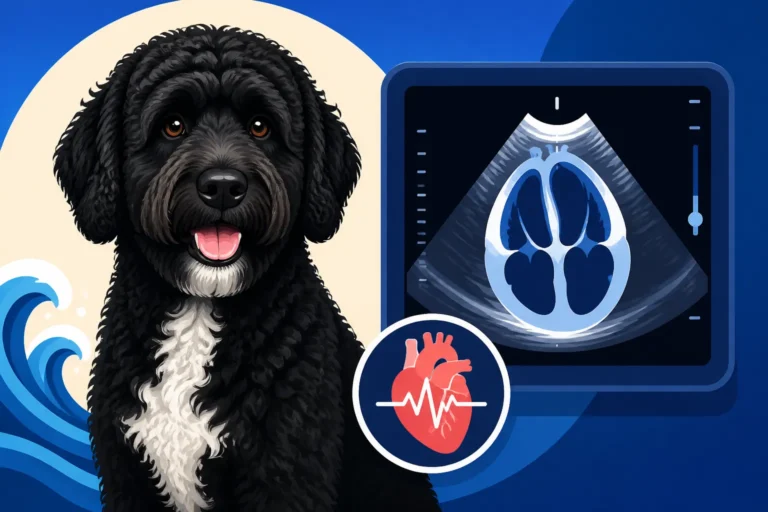
Ethical breeders who prioritize the health and temperament of their dogs will test their breeding stock for the IC gene, alongside other important health clearances like those for hip and elbow dysplasia, progressive retinal atrophy (PRA), GM1 gangliosidosis, and juvenile dilated cardiomyopathy (JDCM). Knowing a dog's IC status allows breeders to make informed decisions to avoid producing entire litters of improper coated puppies if that is their goal, or to ensure that prospective owners are fully aware if a puppy has the trait. The goal is transparency and responsible breeding practices, not to suggest that improper coated dogs are unhealthy or unworthy. Healthy Paws, for instance, emphasizes the importance of understanding a breed's genetic predispositions for overall wellness planning, reinforcing the idea that knowing about the IC gene is part of responsible ownership, not a red flag for widespread health issues.
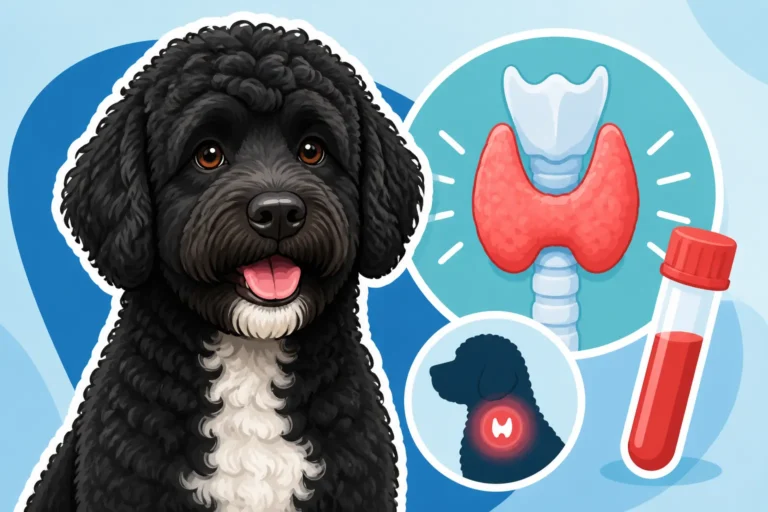
It's important to differentiate between an improper coat and an "open" or "sparse" coat that could be a sign of poor nutrition or an underlying medical condition like hypothyroidism or follicular dysplasia. The improper coat is a genetic predisposition to a specific texture and length, not a symptom of illness. A well-nourished improper coated PWD should still have a healthy, if different, fur growth. If a breeder is open about the genetic testing for Which Gene Causes Improper Coat in a Portuguese Water Dog and explains it thoroughly, it's a good sign of their commitment to the breed's overall health.
In conclusion, if you're considering a Portuguese Water Dog and encounter one with an improper coat, you can rest assured that this trait is purely cosmetic. It will not impact their health, their lifespan, their ability to participate in activities, or their wonderful temperament. It simply means a slightly different grooming routine and an acceptance of a coat that doesn't quite fit the traditional show ring aesthetic. What you get in return is still 100% pure Portuguese Water Dog: a loyal, intelligent, and endlessly entertaining companion.
Disclaimer
This article is intended for informational purposes only and does not constitute veterinary advice. Always consult with a qualified veterinarian for any health concerns or before making any decisions about your pet's health or treatment.