Whether a Hypothyroid Portuguese Water Dog Loses Coat
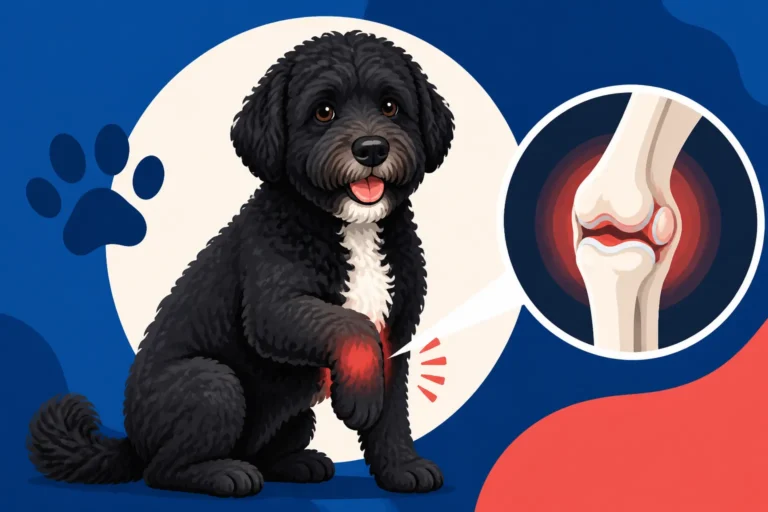
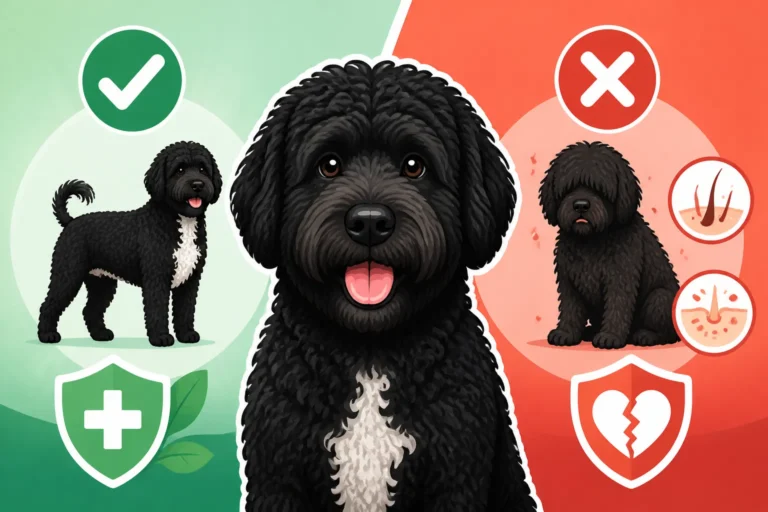
It’s incredibly disheartening when you start noticing changes in your beloved Portuguese Water Dog’s gorgeous, usually robust coat. One day it’s a vibrant, springy mass of curls or waves, and the next you might spot thinning patches or a dullness that just wasn't there before. This guide will delve deep into how hypothyroidism can manifest in your PWD’s coat, offering clarity on what to look for and what steps you can take.
Understanding Hypothyroidism in Portuguese Water Dogs
When we talk about hypothyroidism in dogs, especially a breed like the Portuguese Water Dog, it's not just a minor health blip; it's a significant endocrine disorder that can impact multiple bodily functions. The thyroid gland, located in your dog's neck, is a powerhouse, producing hormones that regulate metabolism, growth, and even the health of their skin and coat.
What Hypothyroidism Actually Means for Your PWD
Simply put, hypothyroidism means your dog's thyroid gland isn't producing enough of these vital hormones. Think of it like a car engine running on fumes – things just aren't firing on all cylinders. In Portuguese Water Dogs, this condition is relatively common, often due to autoimmune thyroiditis where the dog's own immune system mistakenly attacks and destroys the thyroid gland. Without sufficient thyroid hormones, every cell in their body starts to slow down. This isn't just about feeling a bit tired; it impacts cellular regeneration, energy production, and, yes, even the very fibers of their beautiful coat. When you consider that a healthy metabolism is key to maintaining everything from energy levels to a thick, lustrous coat, it becomes clear why a sluggish thyroid can cause so many noticeable problems. If you're wondering, "whether a Portuguese Water Dog gets hypothyroidism," the answer is a resounding yes, and it’s something responsible owners should always be aware of.
Common Symptoms Beyond Coat Issues
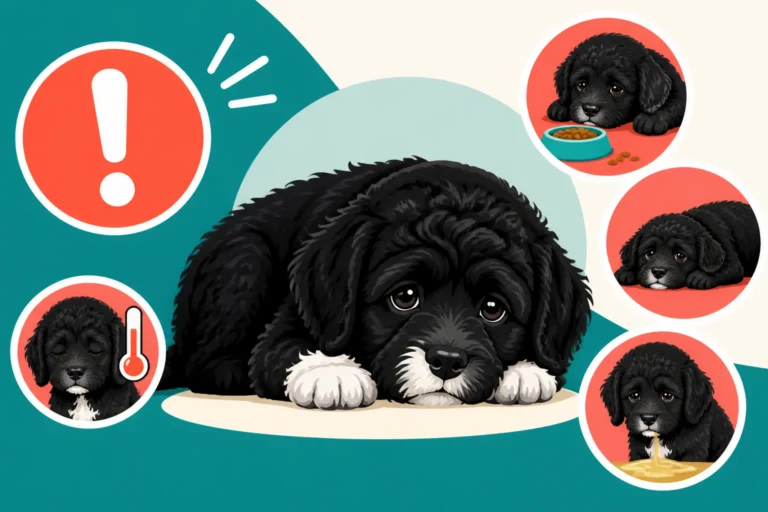
While a change in coat is a hallmark sign, it's crucial to remember that hypothyroidism is a systemic disease with a broad range of symptoms. Often, owners might initially dismiss these other signs as just part of their dog "getting older" or "slowing down," but they could be vital clues. Beyond the coat, you might observe a significant dip in energy, with your typically exuberant PWD becoming more lethargic and less interested in their usual activities. They might gain weight despite no change in diet, as their metabolism has slowed to a crawl. Some dogs develop a heightened intolerance to cold, seeking out warm spots or shivering more easily. Skin issues are also prevalent, often appearing as dry, flaky skin, recurrent infections, or even hyperpigmentation (darkening of the skin), especially in areas of friction. You might also notice a "sad" or "tragic" facial expression, sometimes due to changes in muscle tone around the eyes. Behavioral shifts, such as increased aggression or anxiety, can also occur, though these are less common and harder to pinpoint directly to thyroid issues. It's important to be aware of all the potential "signs a Portuguese Water Dog's thyroid is low," as these can collectively paint a clearer picture for your veterinarian.
The Link Between Hypothyroidism and Coat Changes
The magnificent, often dense coat of a Portuguese Water Dog is one of its most defining features, making any adverse changes particularly noticeable and concerning for owners. Understanding why hypothyroidism impacts the coat helps to truly grasp the seriousness of the condition.
Why Hair Loss Occurs with Low Thyroid Hormone
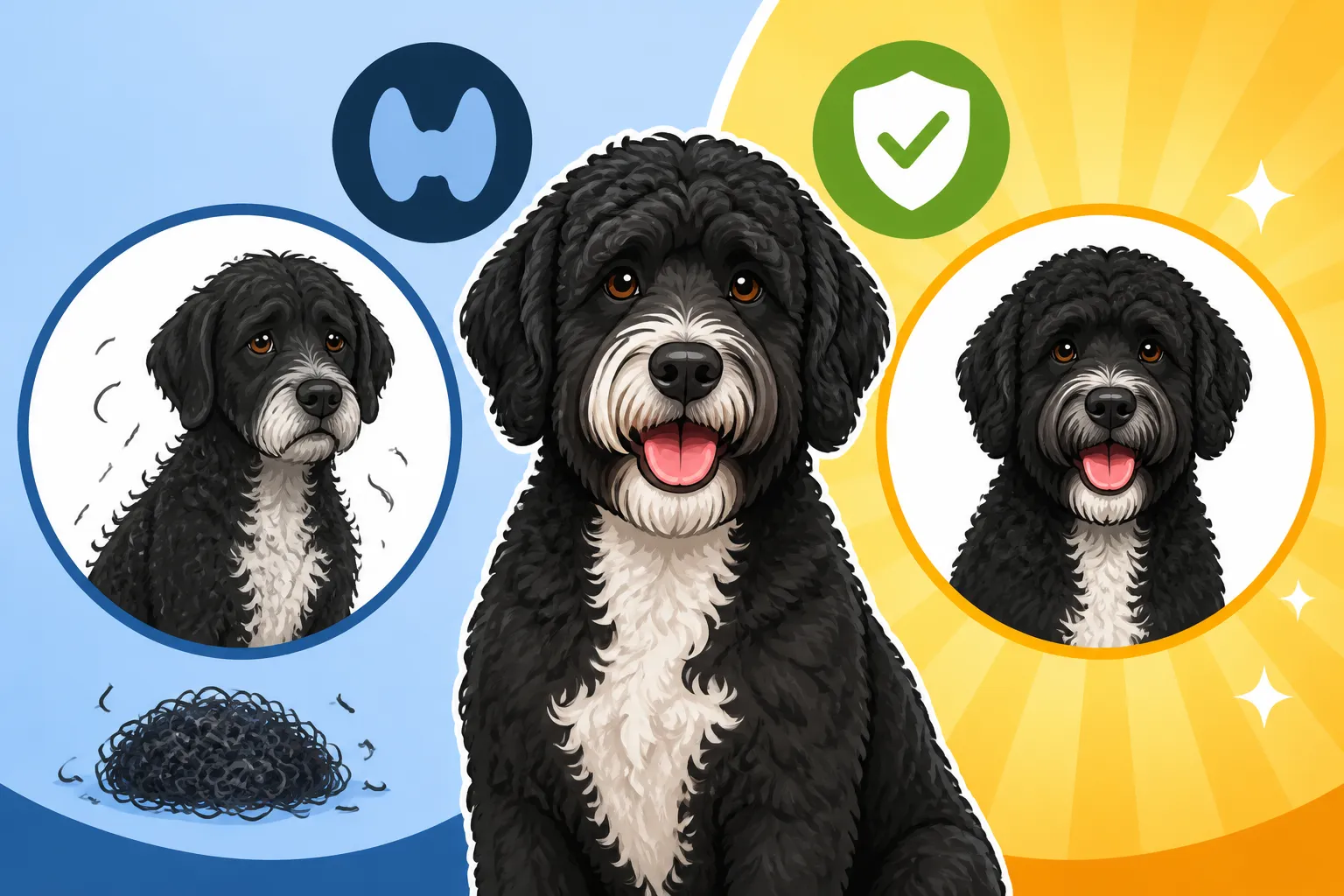
The process of hair growth is a finely tuned cycle, with each hair follicle moving through phases of growth (anagen), regression (catagen), and rest (telogen). Thyroid hormones play a critical role in regulating this cycle, particularly in initiating the anagen phase and maintaining healthy growth. When there isn't enough thyroid hormone circulating in your PWD's system, these cycles are severely disrupted. Many hair follicles get stuck in the resting phase, or the anagen phase is prematurely cut short. This results in hair that doesn't grow properly, becomes weak and brittle, and eventually falls out without being replaced. Over time, this leads to thinning or complete hair loss. You might notice a classic pattern, such as a "rat tail" where the tail becomes thin and sparse, or symmetrical patches of hair loss on the flanks, chest, or belly. It’s a direct consequence of the body's slowed metabolic rate failing to support the energy-intensive process of growing new, healthy hair.
What Hypothyroid Coat Loss Looks Like
Hypothyroid coat loss isn't usually dramatic, sudden shedding like a seasonal coat blow-out. Instead, it’s typically a gradual, insidious thinning that can be hard to spot in a breed with such a thick coat. Often, the hair loss is symmetrical, meaning it occurs similarly on both sides of the body. Common areas include the flanks, the chest, the back of the thighs, and the bridge of the nose, but the tail is a particularly common spot, earning the nickname "rat tail" for its sparse, thin appearance. The remaining coat might become noticeably dull, dry, and brittle, lacking its usual sheen and elasticity. You might find it feels coarser or more 'stuffed' rather than soft and springy. Beyond just hair loss, the skin underneath often tells a story too. It can become dry, flaky, thickened, and sometimes hyperpigmented, turning a darker, almost leathery texture. Your PWD might also develop secondary bacterial or yeast infections due to the compromised skin barrier and immune function, leading to redness, itching, and an unpleasant odor. It's important to remember that a "Portuguese Water Dog's coat hides weight loss" and other subtle changes, so diligent checking is necessary.
Differentiating Hypothyroid Coat Changes from Other Issues
It's easy for owners to get confused, especially since many other conditions can cause coat and skin problems in dogs. Allergies, for instance, can lead to intense itching, redness, and secondary infections, often causing patchy hair loss from excessive scratching or licking. However, allergic hair loss is typically irregular and self-inflicted, whereas hypothyroid loss tends to be symmetrical and non-itchy in its initial stages. Seasonal shedding, while a normal process, usually involves a generalized thinning followed by regrowth, not the specific patterns or quality changes seen with hypothyroidism. Other hormonal imbalances, like Cushing's disease, can also cause symmetrical hair loss, but they come with their own distinct set of symptoms (e.g., pot-bellied appearance, increased thirst and urination). Skin parasites, fungal infections (like ringworm), or even nutritional deficiencies can also impact coat health. This is why a proper veterinary examination is absolutely critical. Your vet won't just look at the coat; they'll consider the entire clinical picture, including other symptoms, your dog's age, and history, to rule out other potential causes and determine if a thyroid panel is the right diagnostic step. Don't try to self-diagnose based on coat changes alone – it’s always best to consult a professional.
Diagnosing and Managing Hypothyroidism in Your PWD
When you suspect something is amiss with your Portuguese Water Dog, especially concerning their health and coat, the journey to diagnosis and effective management is a crucial one. It can feel overwhelming, but with the right veterinary care, most PWDs with hypothyroidism can live full, happy lives.
Getting a Proper Diagnosis
The first step is always a thorough veterinary examination. Your vet will ask about all the symptoms you've observed, no matter how minor they seem, and conduct a physical exam. If hypothyroidism is suspected, blood tests are essential. A comprehensive thyroid panel is usually recommended, which goes beyond just a basic total T4 (thyroxine) level. This panel typically includes:
- Total T4 (TT4): This measures the total amount of thyroid hormone in the blood. While a low TT4 can indicate hypothyroidism, it can also be low due to other illnesses (known as "euthyroid sick syndrome" or non-thyroidal illness).
- Free T4 (fT4): This measures the biologically active, unbound portion of the thyroid hormone and is less affected by non-thyroidal illnesses or certain medications.
- Canine TSH (cTSH): This hormone, produced by the pituitary gland, stimulates the thyroid. In primary hypothyroidism (the most common type), TSH levels are often high because the pituitary is working overtime to try and stimulate an underperforming thyroid gland.
Your vet might also recommend a full chemistry panel and complete blood count (CBC) to check for other underlying health issues and ensure there are no other contributing factors to your dog's symptoms. It’s good practice to ensure "what a Portuguese Water Dog's yearly bloodwork should cover" includes a look at thyroid function, especially as they get older. These tests are vital for pinpointing the exact issue and ruling out other conditions that might mimic hypothyroid symptoms.
Treatment and Prognosis for Coat Health
Once hypothyroidism is confirmed, the good news is that it’s usually very manageable with daily oral medication. The standard treatment involves administering synthetic thyroid hormone, typically levothyroxine, which replaces the hormones your PWD’s own body isn't producing. This medication is given orally, usually once or twice a day, and is lifelong.
The prognosis for dogs with hypothyroidism is excellent with proper treatment. You won’t see an immediate change in the coat; hair regrowth is a slow process, as hair follicles need to go through their natural growth cycles. Typically, you might start to see some improvement in energy levels and other symptoms within a few weeks, but it can take anywhere from two to four months – sometimes even longer – for significant coat regrowth and improvement in skin health. The dullness might resolve first, followed by new, healthy hair starting to fill in thin patches. Regular re-evaluations and blood tests (usually 4-6 weeks after starting medication, and then every 6-12 months) are essential to ensure the dosage is correct and your dog’s thyroid levels are in the optimal range. This consistent monitoring is key to maintaining their overall health and ensuring their coat returns to its former glory.
Supporting Your PWD's Coat During Treatment
While medication works its magic internally, there are things you can do to support your Portuguese Water Dog's coat health externally during their treatment. Gentle grooming is important; use a soft brush and avoid harsh brushing that could irritate sensitive skin or pull out fragile hair. Regular bathing with a mild, moisturizing shampoo specifically formulated for dogs can help alleviate dry, flaky skin and prevent secondary infections. Be sure to rinse thoroughly and gently dry their coat completely afterward.
Nutritional support also plays a role. Ensure your PWD is on a high-quality diet that provides essential fatty acids (like Omega-3s), which are beneficial for skin and coat health. Some vets might recommend supplements like fish oil, but always consult with your vet before adding any supplements. Remember, "feeding an athletic Portuguese Water Dog" is a bit different, and their dietary needs might adjust with their activity levels and health status.
Finally, consistent veterinary care and open communication with your vet are paramount. Discuss any ongoing concerns about coat quality or other symptoms. Investing in a good pet insurance plan, like Healthy Paws, can also provide peace of mind and financial support for the ongoing medication costs and regular blood tests required for managing hypothyroidism, ensuring you can always provide the best care for your furry friend.
Here's a quick table to help differentiate between typical coat changes and those that might signal hypothyroidism:
| Feature | Normal Coat Changes (Shedding/Seasonal) | Hypothyroid Coat Changes |
|---|---|---|
| Onset | Gradual, predictable (e.g., seasonal) | Gradual, insidious, often not seasonal |
| Pattern of Loss | Generalized thinning, uniform over body | Symmetrical, patchy; often on flanks, chest, tail |
| Coat Texture | May thin but generally retains quality | Dull, dry, brittle, coarse, lacking luster |
| Skin Appearance | Healthy | Dry, flaky, thickened, hyperpigmented, oily |
| Itchiness | Generally none, unless secondary issues | Typically non-itchy initially; may itch with secondary infection |
| Regrowth | Timely and full | Slow, poor, or absent until treated |
| Other Symptoms | None | Lethargy, weight gain, cold intolerance, "tragic" facial expression, mental dullness |
Remember, your Portuguese Water Dog is part of your family, and their health is a top priority. Being proactive, recognizing potential signs like those described in "signs a Portuguese Water Dog's thyroid is low," and working closely with your veterinarian will ensure they lead a long and healthy life. Understanding "the twelve to fifteen years a Portuguese Water Dog gets" means you're prepared for potential age-related health issues and can tackle them head-on. Regular checks, including asking "when a Portuguese Water Dog's thyroid should be tested," are key to maintaining their vibrant spirit and glorious coat.
Disclaimer
The information provided in this article is for educational purposes only and is not intended to be a substitute for professional veterinary advice, diagnosis, or treatment. Always seek the advice of your veterinarian or other qualified health provider with any questions you may have regarding a medical condition.