Whether a Portuguese Water Dog’s Coat Thins With Illness
It’s incredibly disheartening to notice changes in your beloved Portuguese Water Dog's luxurious coat. That beautiful, robust fur isn't just for show; it's often a mirror of their internal health. When you start seeing thinning, dullness, or even patchy spots, it immediately sparks worry, making you wonder if it’s just a normal phase or a sign that something deeper is amiss. This guide aims to thoroughly explore how illness can manifest through changes in your PWD's coat, helping you understand what to look for and when to seek professional help.
Understanding Your Portuguese Water Dog's Coat and What it Tells You
Our Portuguese Water Dogs are renowned for their incredible, water-resistant coats, which can be either curly or wavy. This unique single coat, designed to protect them from the elements and cold water, is a significant part of their breed identity. But beyond its aesthetic appeal and functional purpose, your PWD's coat acts as a fantastic health indicator. Think of it as a natural barometer – when things are going well inside, the coat typically appears vibrant, thick, and healthy. When internal systems are out of whack, whether due to stress, nutritional deficiencies, or underlying medical conditions, the coat can be one of the first places to show subtle, and sometimes not-so-subtle, changes.
It's not uncommon for new owners, or even seasoned ones, to grapple with the nuances of their PWD's coat. We're so focused on the regular grooming – the brushing, the clipping, the baths – that sometimes we might miss early warning signs that aren't just about a mat forming. Recognizing that coat thinning can be a symptom of a deeper illness requires a keen eye and an understanding of what constitutes normal versus abnormal for your specific dog. Every dog is an individual, and while breed standards give us a general idea, your dog's baseline health is the best reference.
Why Illness Can Affect Coat Thickness
When a dog is unwell, their body often diverts resources to fight the illness or to manage compromised systems, sometimes at the expense of less critical functions like maintaining a pristine coat. The skin and hair follicles are incredibly dynamic, requiring a steady supply of nutrients, hormones, and a healthy immune system to function optimally.
For instance, metabolic disorders can throw the entire body into disarray, impacting everything from energy levels to hair growth cycles. Hormonal imbalances, in particular, play a massive role in regulating skin and coat health. If these hormones aren't produced in the right amounts, hair follicles can weaken, leading to slowed growth, increased shedding, and ultimately, thinning. Inflammation, whether systemic or localized to the skin, also damages hair follicles and can disrupt normal hair cycles. Nutrient absorption issues, which can stem from gastrointestinal problems, mean that even if your dog is eating a high-quality diet, their body isn't effectively utilizing the vitamins and minerals essential for a healthy coat. All of these factors can contribute to a noticeable reduction in the density and quality of your Portuguese Water Dog's glorious fur.
How Coat Thinning Manifests in a Portuguese Water Dog
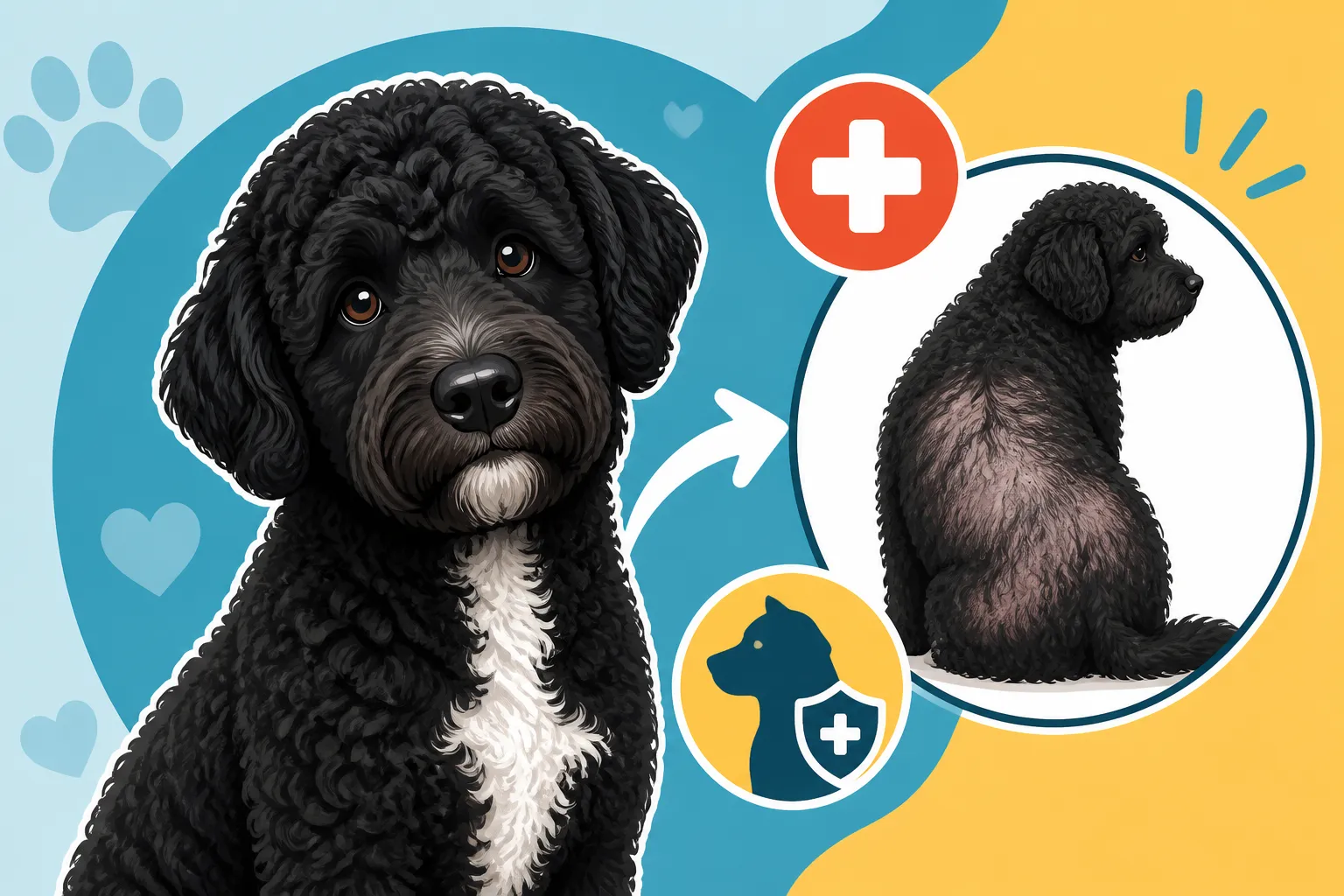
Coat thinning isn't always a dramatic, overnight transformation. Sometimes it's a gradual process, making it harder to spot until it's quite advanced. You might notice your PWD's coat feels less dense when you run your hands through it. Instead of a thick, uniform texture, you might feel more skin beneath the fur.
Patchy hair loss is another common manifestation. This isn't just a few stray hairs; it's distinct areas where the fur is significantly sparser or completely absent. These patches can appear symmetrically on both sides of the body, which is often a tell-tale sign of a systemic issue. Areas like the flanks, chest, belly, and around the eyes or ears are common spots for thinning to begin. Beyond just the thickness, the coat might also change in quality. It might become dull, brittle, or feel coarser to the touch, losing its natural sheen and soft texture. You might also notice an increase in shedding, though PWDs are generally low-shedding, so any significant increase should be noted. This increased shedding, combined with slower regrowth, contributes to the overall thinning effect.
Specific Illnesses That Can Cause Coat Thinning in Portuguese Water Dogs
It's a scary thought to connect a change in your dog's coat to a serious health issue, but understanding the possibilities can empower you to act quickly. Several conditions are known to affect coat health, and some are particularly relevant to Portuguese Water Dogs.
Hypothyroidism and Its Impact on the Coat
Hypothyroidism is a common endocrine disorder where the thyroid gland doesn't produce enough thyroid hormones. These hormones are absolutely critical for regulating metabolism, which in turn impacts almost every bodily function, including skin and hair health. Without sufficient thyroid hormones, hair follicles enter a resting phase prematurely and stay there longer, leading to a dull, dry, and brittle coat that thins over time. You might also see areas of hair loss, often symmetrically on the flanks, chest, and tail.
Beyond the coat, you'd likely notice other symptoms. A dog with low thyroid function might become lethargic, gain weight even without an increase in food intake, and seem intolerant to cold temperatures. They might also develop skin infections, have excessive dandruff, or develop a tragic expression due to thickening of the facial skin. If you suspect this, it's crucial to have your vet run a full thyroid panel. For more insights into recognizing this condition, you can read about Signs a Portuguese Water Dog's Thyroid Is Low. It’s truly a condition where the coat tells a significant part of the story, and a prompt diagnosis can lead to effective treatment, often with lifelong medication. The good news is that with proper medication, the coat usually improves significantly, regaining its former glory. You can also learn more about Whether a Hypothyroid Portuguese Water Dog Loses Coat specifically, as it's a prominent symptom.
Addison's Disease and Hair Follicle Health
Addison's Disease, or hypoadrenocorticism, is another endocrine disorder that can wreak havoc on a dog's body, including their coat. In Addison's, the adrenal glands don't produce enough corticosteroid hormones, particularly cortisol and aldosterone. Cortisol plays a role in skin health and the hair growth cycle, and a deficiency can lead to a dry, dull coat, and in some cases, patchy hair loss, particularly if the disease becomes chronic and goes undiagnosed for a period. While not as universally recognized for coat changes as hypothyroidism, it's definitely a factor.
The symptoms of Addison's are often vague and can mimic other conditions, which is why it's sometimes called "the great pretender." Beyond coat changes, you might observe recurrent gastrointestinal upset (vomiting, diarrhea), lethargy, poor appetite, increased thirst, and muscle weakness. These signs can wax and wane, making diagnosis tricky. However, it's a serious condition that can lead to life-threatening Addisonian crises if left untreated. Given that Addisons Disease Is Common in Portuguese Water Dogs, it's certainly on the list of considerations if you're seeing concerning coat changes alongside other subtle signs. Don't hesitate to investigate further if you notice any of the Signs a Portuguese Water Dog Has Addisons. Thankfully, like hypothyroidism, Addison's is manageable with lifelong medication, and early diagnosis through veterinary testing is key to a good prognosis.
Nutritional Deficiencies and Poor Coat Quality
You are what you eat, and the same goes for our dogs. A balanced diet is fundamental for overall health, and especially for maintaining a thick, lustrous coat. If your Portuguese Water Dog isn't getting adequate nutrition, either because of a poor-quality diet or issues with nutrient absorption, their coat will suffer. Deficiencies in essential fatty acids (like Omega-3 and Omega-6), vitamins (especially A, E, and B-complex), and certain minerals (like zinc and copper) can all lead to dry, brittle, sparse fur that easily breaks or falls out.
For a highly active breed like the PWD, who loves to swim and work, proper nutrition is even more critical. A diet that's too low in protein or contains poor-quality protein sources can also impact hair growth, as hair is primarily protein. Before jumping to more serious conclusions, it's worth evaluating your dog's diet and discussing it with your vet. Sometimes, simply upgrading to a higher-quality dog food or adding appropriate supplements can make a world of difference. Consulting a nutritionist or your vet about Feeding an Athletic Portuguese Water Dog can help ensure their dietary needs are perfectly met.
Skin Infections, Allergies, and Other Skin Conditions
While not always leading to uniform "thinning," various skin infections and allergies can certainly result in significant hair loss, which can look like thinning in affected areas. Bacteria, fungi (like ringworm), and yeast can all cause skin infections that lead to itching, inflammation, and subsequent hair loss as your dog scratches, bites, and licks the affected spots.
Allergies, whether environmental (pollen, dust mites), food-related, or due to fleas, are incredibly common and can cause intense itching. The constant scratching and self-trauma from allergies often break hair shafts and pull out fur, creating patchy hair loss and general thinning in areas like the belly, armpits, and paws. These areas might also appear red, inflamed, or thickened. Sometimes, secondary bacterial or yeast infections develop because of the compromised skin barrier from allergies. If you suspect allergies, your vet can help identify the allergen and recommend treatments, which might include diet changes, medications, or immunotherapy. Learning more about Whether a Portuguese Water Dog Gets Skin Allergies can help you recognize these symptoms. It's often a cycle: allergies lead to scratching, scratching leads to infection, and both contribute to a diminished coat.
Chronic Stress and Generalized Illness
The body's response to chronic stress or any long-term illness can also manifest in coat quality. When a dog is under constant stress, their body releases cortisol (which, ironically, is deficient in Addison's but overproduced in Cushing's disease, another condition affecting the coat). Elevated cortisol levels can suppress the immune system and negatively impact skin and hair health, leading to a dull coat and increased shedding.
Any chronic illness that taxes the body's systems, from kidney disease to certain cancers, can also cause a general decline in overall health, which includes the coat. These dogs might appear unthrifty, with a lackluster coat that lacks its usual density and shine. This is because the body is working hard to combat the primary illness, diverting energy and nutrients away from less essential functions like maintaining hair growth. It's often accompanied by other general signs of illness, such as weight loss, lethargy, or changes in appetite. Keeping an eye on your dog's weight, especially How a Portuguese Water Dog's Coat Hides Weight Loss, can be crucial in catching these subtle declines.
Distinguishing Normal Coat Changes from Illness-Related Thinning
It's easy to jump to conclusions when you see changes in your Portuguese Water Dog's coat, but it's important to remember that some coat variations are entirely normal. Knowing the difference can save you a lot of unnecessary worry.
The Puppy Coat Change and Adolescent Growth
One of the most significant coat transformations your PWD will undergo is the transition from their soft, fluffy puppy coat to their denser, adult coat. This typically happens between 6 and 18 months of age, though it can vary. During this period, you might notice increased shedding as the puppy fur gives way to the adult texture. The coat might also appear somewhat uneven or less dense in spots as the new coat comes in. This is a perfectly natural developmental stage.
However, a normal coat change is usually an overall process, not sudden, severe, or patchy hair loss in specific areas. It’s more about a change in texture and density as the adult coat matures, rather than a significant thinning to the point of seeing skin. Keep up with consistent grooming during this time, as the transitioning coat can be prone to matting. If the thinning seems extreme or accompanied by skin irritation, it's always best to check with your vet.
Seasonal and Age-Related Coat Variations
While Portuguese Water Dogs are generally low-shedding, their coats are not completely static throughout the year. Minor seasonal changes can occur, especially in dogs that spend a lot of time outdoors. You might notice a slight increase in shedding in spring and fall as their coat adapts to temperature shifts. However, these changes are usually minimal and don't typically lead to significant thinning.
As our Portuguese Water Dogs enter their golden years, typically around 8-9 years old, their coats can also undergo age-related changes. You might notice a graying of the muzzle and around the eyes, but the coat itself can sometimes become thinner, coarser, or lose some of its original luster. This is a natural part of aging, much like how human hair changes. You can learn more about What an Aging Portuguese Water Dog's Coat Looks Like and What Changes in an Aging Portuguese Water Dog's Coat to understand these shifts better. It's a gentle, overall thinning that occurs over time, rather than a rapid, patchy loss. The overall health of an older dog is still paramount, and any dramatic changes should still warrant a vet visit.
Grooming Practices and Coat Health
Improper grooming techniques can also inadvertently cause thinning or damage to your PWD's coat. Excessive or harsh brushing, especially with the wrong tools, can break hair shafts and pull out healthy fur. Not line brushing down to the skin can leave mats that, when eventually removed, can take large chunks of hair with them, creating temporary bald spots that look like thinning.
Over-bathing with harsh shampoos or not thoroughly drying the coat can also lead to skin irritation and infections, which in turn can cause hair loss. The unique texture of a PWD's coat requires specific care, and maintaining a regular grooming schedule with appropriate tools and techniques is crucial for its health. If you're doing a lot of home grooming, ensure you're using professional-grade clippers and blades to avoid pulling or damaging the coat, which can stress hair follicles. Regular, gentle grooming helps maintain circulation and distributes natural oils, contributing to a healthier coat.
When to Consult Your Veterinarian
The moment you notice anything truly unusual about your Portuguese Water Dog's coat, especially persistent thinning, it's wise to consult your veterinarian. Early detection and diagnosis are crucial for many of the underlying conditions that can cause coat changes.
Red Flag Symptoms Accompanying Coat Thinning
While a slight change in coat texture might be normal, here are some red flag symptoms that absolutely warrant a vet visit if they accompany coat thinning:
- Symmetry: Hair loss that occurs on both sides of the body in a symmetrical pattern is highly indicative of a systemic issue, like a hormonal imbalance, rather than a localized problem.
- Itching, Redness, or Rashes: If the thinning areas are also itchy, red, inflamed, or have visible rashes, this points to allergies, parasites, or a skin infection that needs immediate attention.
- Lethargy or Behavioral Changes: A sudden decrease in energy, increased sleeping, or noticeable changes in your dog's usual temperament can indicate an underlying systemic illness.
- Weight Changes: Unexplained weight gain or loss, despite no change in diet or exercise, is a significant indicator that something is metabolically amiss.
- Increased Thirst or Urination: These can be signs of kidney disease, diabetes, or Addison's disease, all of which can affect overall health and coat quality.
- Vomiting or Diarrhea: Persistent gastrointestinal upset can lead to poor nutrient absorption and dehydration, impacting coat health.
- Changes in Skin Texture: Thickened skin, excessive dandruff, or very dry, flaky skin along with thinning hair are often signs of endocrine disorders.
- Odor: An unusual or unpleasant skin odor can signal a bacterial or yeast infection.
Don't ignore these accompanying signs. It's truly a package deal when it comes to diagnostics.
The Diagnostic Process at the Vet
When you bring your PWD in for coat thinning concerns, your vet will perform a thorough physical examination. They’ll look closely at the skin and coat, check for fleas or other parasites, and might take skin scrapings to look for mites or fungal infections. They might also take samples for cytology to check for bacterial or yeast overgrowth.
To investigate systemic causes, your vet will likely recommend blood tests. A comprehensive blood panel will assess organ function, blood cell counts, and often includes a thyroid panel to check for hypothyroidism. If Addison's Disease is suspected, specific tests like an ACTH stimulation test will be required. Sometimes, a urinalysis is also part of the diagnostic workup. These tests provide invaluable insights into your dog's internal health. Regular wellness checks and annual bloodwork, which should cover What a Portuguese Water Dog's Yearly Bloodwork Should Cover, are excellent proactive measures to catch potential issues early. Navigating potential diagnostic costs can be overwhelming, but pet insurance providers like Healthy Paws can offer peace of mind when facing extensive testing and treatment plans.
Remember, you are your dog's best advocate. Don't hesitate to share all observations, no matter how small they seem. Your detailed history, combined with your vet's expertise and diagnostic tools, will be the fastest route to getting your Portuguese Water Dog back to optimal health and a glorious, full coat once again.
| Symptom Category | Normal Coat Changes | Potential Illness Indicators |
|---|---|---|
| Thinning Pattern | Gradual, overall slight decrease, often seasonal or age-related. Puppy coat transition. | Patchy, symmetrical hair loss, localized severe thinning (e.g., flanks, tail, abdomen). |
| Skin Appearance | Healthy, supple, clear, no redness or irritation. | Redness, inflammation, dandruff, scaling, blackheads, thickened skin, sores, bumps, or rashes. |
| Coat Texture | May become slightly coarser with age, or vary during puppy coat change. | Dry, brittle, dull, greasy, excessively coarse, easily broken hairs. |
| Itchiness | None. | Mild to severe itching, leading to scratching, licking, biting. |
| Odor | Normal dog scent. | Yeasty or bacterial odor, unpleasant smell from skin/coat. |
| Accompanying Symptoms | None, dog remains active and healthy. | Lethargy, weight changes, increased thirst/urination, vomiting, diarrhea, changes in appetite, behavioral shifts. |
| Progression | Slow, predictable changes over months or years, or a defined puppy phase. | Rapid onset, worsening over days/weeks, or persistent despite grooming efforts. |
It's clear that while some changes are just part of life for your PWD, significant or sudden coat thinning, especially when accompanied by other symptoms, is a loud signal that your vet needs to investigate. Having a robust pet insurance plan, such as those offered by Healthy Paws, can alleviate the financial stress of diagnosis and treatment, ensuring you can always prioritize your dog's well-being.
Final Thoughts on Your Portuguese Water Dog's Health and Coat
Observing changes in your Portuguese Water Dog's coat can be a nerve-wracking experience, but it’s important to approach it with information and proactive care. Our PWDs are generally healthy dogs and enjoy The Twelve to Fifteen Years a Portuguese Water Dog Gets, but like all breeds, they have predispositions to certain conditions. Their stunning coats are not just for admiring; they are vital indicators of their overall health.
If you're noticing significant or unexplained coat thinning, don't dismiss it as merely a grooming issue. It could be a critical message from your dog's body, signaling an underlying health problem that requires veterinary attention. From hormonal imbalances like hypothyroidism or Addison's disease to nutritional deficiencies or persistent allergies, the causes can vary, but timely diagnosis is always the best path to recovery.
Remember to be observant, meticulous in your grooming, and communicate openly with your veterinarian about any concerns. Keeping an eye on their general demeanor, energy levels, appetite, and any other subtle shifts in behavior or physical condition is just as important as noticing the change in their coat. A well-nourished, well-cared-for Portuguese Water Dog with consistent veterinary oversight is more likely to maintain that magnificent, healthy coat we all adore. And when unexpected health challenges arise, knowing you have a reliable pet insurance partner like Healthy Paws can make all the difference, allowing you to focus on loving and caring for your canine companion without added financial strain.
Disclaimer
This article is intended for informational purposes only and does not constitute veterinary advice. Always consult with a qualified veterinarian for any health concerns or before making any decisions about your pet's medical care.