How Long a Portuguese Water Dog Can Stay in Cold Water
It’s a natural worry for many Portuguese Water Dog owners: you know your canine companion absolutely adores the water, but when the temperatures drop, how long is too long for them to be in that chilly lake or ocean? It’s a valid concern, because while these dogs are built for aquatic life, they’re not immune to the risks of cold exposure. This guide will help you understand the factors involved and how to keep your water dog safe while still letting them enjoy their passion.
The Portuguese Water Dog's Intrinsic Connection to Cold Water
Our Portuguese Water Dogs are truly something special, aren't they? They possess an undeniable magnetism towards water, a trait that’s not just a cute quirk but a deep-seated instinct forged over centuries. Understanding this inherent connection is the first step in appreciating their capabilities and, more importantly, their limits when it comes to cold water.
Born for the Water: A Historical Perspective
Imagine the rugged coastlines of Portugal, where brave fishermen would venture out into the Atlantic, often in less-than-ideal conditions. Their constant companion? The Cão de Água Português, our beloved Portuguese Water Dog. These weren't pampered pets; they were integral members of the crew, working tirelessly. Their job involved herding fish into nets, retrieving lost tackle, and even carrying messages between boats. This wasn't a fair-weather gig; they were expected to perform in all kinds of conditions, including the chilly waters off the coast.
This history has imprinted deeply on the breed. They developed a robust physique, powerful swimming muscles, and that distinctive coat, all perfectly adapted for sustained periods in a maritime environment. It’s why when you see your PWD plunge into a cold stream without a second thought, it’s not just enthusiasm; it’s instinct kicking in. They were literally bred for this, making them different from many other breeds when it comes to water tolerance. Their webbed feet are another marvel of natural selection, acting like powerful paddles that propel them effortlessly through the water, further increasing their efficiency and ability to handle colder temperatures, at least for a time.
The Unique Coat and Its Cold-Water Role
A common misconception is that because Portuguese Water Dogs have a dense, single coat and are "hypoallergenic," they're automatically impervious to cold. It’s true their coat is incredibly effective at insulating them, but there's a nuance here that owners absolutely need to understand. Unlike some double-coated breeds that have a fluffy undercoat to trap air and repel water, the PWD has a single layer of hair, which can be curly or wavy. This coat, when healthy and well-maintained, acts as fantastic insulation, especially when it’s dry and can trap warm air close to the skin.
However, once that coat becomes thoroughly saturated, it becomes heavy and can actually conduct cold to the body. Imagine stepping out of a warm house into a winter storm wearing a thick wool sweater. It's great while it's dry, but if it gets soaked, it quickly loses its insulating properties and becomes a cold, heavy burden. This is why thorough drying after a swim, especially in colder weather, is absolutely critical. While their coat provides initial protection, it's not a magical shield against sustained cold. Neglecting proper drying can lead to significant heat loss and other issues, even for a dog built for water. You'll find more on their coat types in Curly or Wavy: the Two Portuguese Water Dog Coats.
Instinctual Drive vs. Modern Realities
Our Portuguese Water Dogs have this incredible, almost obsessive, drive to be in the water. It’s what makes them such joyful, energetic companions. They’ll chase a thrown stick into the surf with boundless enthusiasm, seemingly oblivious to the chill. This is where we, as responsible owners, need to step in and apply modern understanding to their ancient instincts. While their ancestors had a job to do that often necessitated enduring cold, modern PWDs are our beloved family members. Their safety and well-being are paramount.
The sheer joy they exhibit can sometimes mask the physical toll the cold is taking. They might not show immediate signs of discomfort, continuing to play because their drive is so strong. It's up to us to monitor the conditions, understand their individual resilience, and know when to call it a day, even if they're begging for "just one more fetch." Never assume that because they want to be in the cold water, it's automatically safe for them to be there for extended periods.
Critical Factors Influencing Cold Water Safety and Endurance
Determining "how long" your Portuguese Water Dog can safely stay in cold water isn't a simple equation with a single answer. It's a dynamic calculation involving several variables, from the ambient conditions to the individual characteristics of your dog. Ignoring these factors can inadvertently put your enthusiastic swimmer at risk.
Temperature Variables: Water and Air
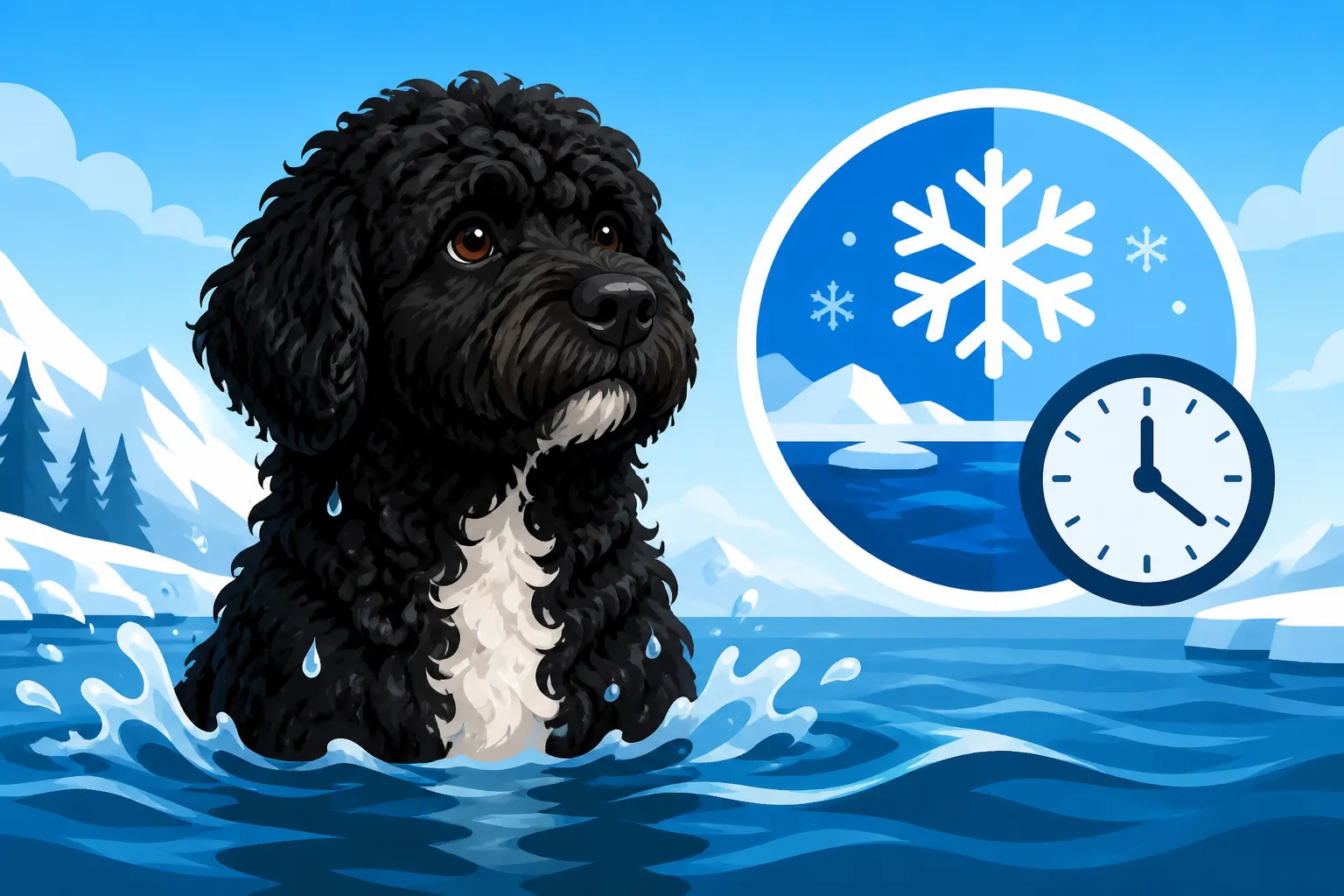
The most obvious factor is the temperature of the water itself. Water conducts heat away from the body far more rapidly than air does, meaning even moderately cool water can lead to significant heat loss over time. What feels refreshing to us for a quick dip might be genuinely cold for a dog after a few minutes. Water temperatures below 45-50°F (7-10°C) should be approached with extreme caution, and prolonged exposure should be avoided.
However, the air temperature is just as crucial, particularly after your dog exits the water. If the air is cold and windy, the evaporative cooling effect will rapidly draw heat from their wet coat, accelerating the risk of hypothermia. A sunny, still day with a mild breeze is vastly different from a blustery, overcast day, even if the water temperature is the same. Always consider the whole picture: the water, the air, and any wind chill. A brisk wind on a 60°F (15°C) day can feel much colder for a soaking wet dog than a calm 45°F (7°C) day.
Individual Health, Age, and Acclimation
Just like people, not all Portuguese Water Dogs are created equal when it comes to cold tolerance. A robust, healthy adult dog in its prime will generally handle cold better than a tiny puppy or an older senior dog. Puppies have less body fat and less developed thermoregulation systems, making them highly susceptible to cold. Conversely, older dogs might have underlying health conditions, such as arthritis or cardiac issues, that make them more vulnerable to the stress of cold. The Age a Portuguese Water Dog Is Considered Senior is a good read if you have an older companion.
Acclimation also plays a significant role. A dog that regularly swims in cooler water throughout the year will likely be more accustomed and better conditioned than one suddenly exposed to cold water after a long break. However, even an acclimated dog has limits. If your PWD has any known health issues, such as Addisons disease, which is common in the breed, consult your vet before allowing them extended cold water exposure. What Addisons Disease Does to a Portuguese Water Dog details how this condition can impact their overall resilience.
Activity Level and Duration of Exposure
A Portuguese Water Dog actively swimming and retrieving will generate more body heat than one simply standing or wading in the water. The physical exertion helps keep their core temperature up. However, even with activity, continuous exposure will eventually lead to heat loss. The longer they are in the water, the greater the risk, regardless of how much they're moving.
Think of it this way: a vigorous 10-minute swim might be less risky than 30 minutes of standing still in slightly warmer water. It’s about the cumulative effect. Pay close attention to the duration. Short, energetic bursts of water play, followed by a warm-up and thorough drying, are always preferable to extended, less active periods, especially in colder temperatures. Don't let their enthusiasm trick you into thinking they can go on indefinitely.
Recognizing Risks and Equipping for Cold Water Adventures
Even the most robust Portuguese Water Dog can succumb to the effects of cold water if not properly managed. As owners, we have a responsibility to not only understand the risks but also to equip ourselves and our dogs to mitigate them. Being prepared can be the difference between a fun outing and a frantic trip to the emergency vet.
Identifying Signs of Hypothermia
Hypothermia occurs when a dog's body loses heat faster than it can produce it, leading to a dangerously low core body temperature. It's a serious condition that can escalate quickly. The subtle signs often go unnoticed by excited owners or even the dog itself, due to their high drive.
Early signs might include shivering (though a very cold dog might stop shivering as their body gives up trying to warm itself), a slowing down of movements, reluctance to continue playing, and a stiff gait. As it progresses, you might notice pale gums, a cold-to-the-touch body (especially ears and paws), mental dullness, dilated pupils, and labored breathing. In severe cases, they might collapse or lose consciousness. If you suspect hypothermia, get your dog out of the cold immediately, wrap them in warm towels or blankets, and head to the nearest veterinary clinic. Never try to warm them up too quickly with extremely hot water or heating pads, as this can cause further complications.
Essential Gear for Enhanced Safety
Preparation is key, and having the right gear can make all the difference in ensuring your Portuguese Water Dog's safety in colder waters.
- Life Vest: Even though PWDs are champion swimmers, a well-fitting dog life vest provides an extra layer of insulation against the cold water. It also offers buoyancy, reducing the energy your dog expends staying afloat, especially in strong currents or if they become fatigued. Look for vests with a strong handle on the back, which is invaluable for helping your dog in and out of the water or pulling them to safety. Many excellent options are available on Amazon.
- Absorbent Towels: Bring multiple large, highly absorbent towels. The goal is to get as much water off your dog as quickly as possible the moment they exit the water. Microfiber towels are particularly effective.
- Force Dryer: For true cold-weather water dogs, a high-velocity force dryer is a game-changer. These dryers (again, many professional-grade options can be found on Amazon) blow off excess water and rapidly dry the coat, preventing evaporative cooling and quickly restoring their natural insulation. This is far more effective than air drying, especially in cool or cold conditions.
- Warm Coverings: Have a warm blanket or a dog coat ready for immediate use once they're towel-dried. This helps lock in body heat and continues the warming process.
- Paw Protection: In icy conditions, paw boots can protect against frostbite and cuts from ice shards.
The Indispensable Role of Post-Swim Care
Your dog’s safety doesn’t end the moment they leave the water. What happens after the swim is just as important, if not more so, for preventing cold-related issues.
The absolute priority is to get your Portuguese Water Dog thoroughly dry and warm. Start with vigorous towel drying as soon as they're out of the water. Pay special attention to their underbelly, chest, and between their paw pads. If using a force dryer, start on a low setting and slowly increase as your dog gets used to it, ensuring you don't overheat them. The aim is to get them bone dry, not just superficially dry. Leaving a PWD damp, particularly in cooler temperatures, is an open invitation for a chill and even skin issues.
Don’t forget their ears! Portuguese Water Dogs are prone to ear infections due to their floppy ears and their love of swimming. After any water activity, but especially in colder conditions, thoroughly dry their ears. You can use a soft towel to wipe out the outer ear canal and consider an ear-drying solution if your vet recommends it. Why a Portuguese Water Dog's Ears Need Checking Every Week is a great resource for maintaining ear health. Once dry, keep them in a warm, draft-free environment. A car with the heater on, or a cozy spot at home, is ideal. Providing a high-quality, easily digestible snack can also help their metabolism generate some internal warmth.
Implementing Safe Practices for Enjoyable Water Play
With an intelligent, high-drive breed like the Portuguese Water Dog, establishing clear, consistent safety protocols around water is crucial. Their enthusiasm can sometimes override their common sense, making your role as a vigilant guide indispensable. By following these practices, you can ensure their aquatic adventures remain joyful and safe.
Gradual Introduction and Consistent Supervision
Never throw a Portuguese Water Dog, especially a puppy, into cold water to "teach" them to swim. This can be traumatic and dangerous. Instead, introduce them gradually to water, starting in shallow areas. This allows them to acclimate to the temperature, the sensation, and build confidence at their own pace. Even for adult dogs, if they haven't been in cold water for a while, start with shorter sessions.
Constant, active supervision is non-negotiable whenever your PWD is near or in water, particularly cold water. Even strong swimmers can get caught in currents, encounter submerged obstacles, or become disoriented. Be within arm's reach or, at the very least, have them within clear sight and earshot. If you're out near a lake or river, ensuring they have a strong recall is vital, as their natural drive might compel them to plunge in before you've assessed the conditions. Teaching a Portuguese Water Dog to Wait on the Bank can be a lifesaving skill for this breed.
Establishing Sensible Time Limits
This is where the "how long" question gets its practical answer. There is no hard and fast rule, as it depends on all the factors we've discussed, but a conservative approach is always best. As a general guideline:
| Water Temperature | Recommended Max Exposure Time (Active Dog) | Key Considerations |
|---|---|---|
| Above 60°F (15°C) | 30-60 minutes | Monitor for fatigue, individual tolerance. |
| 50-60°F (10-15°C) | 15-30 minutes | Observe closely, consider age/health. Dry immediately. |
| 40-50°F (4-10°C) | 5-15 minutes | Extreme caution. Short bursts only. Life vest recommended. |
| Below 40°F (4°C) / Icy Water | Avoid altogether | Significant risk of hypothermia/frostbite. |
These are maximums for healthy adult dogs who are acclimated and actively moving. For puppies, senior dogs, or those with health conditions, these times should be significantly reduced or avoided entirely. Always err on the side of caution. It's better to end a swim while your dog is still energetic and warm than to push them to their limits and risk their health. Pay attention to how often a Portuguese Water Dog should swim; it's not about constant exposure but consistent, safe opportunities. How Often a Portuguese Water Dog Should Swim can help you plan.
Prioritizing Training for Water Environments
Beyond just "sit" and "stay," specific training tailored to water environments can significantly enhance your Portuguese Water Dog's safety. A bomb-proof recall, for instance, means you can call them back from the edge of a tempting body of water, or if they've already plunged in and you notice conditions are deteriorating. Training them to "wait" at the water's edge until released, or to "load up" into a boat or car on command, provides crucial control in dynamic situations.
Consider enrolling in water-specific training classes, such as those offered by organizations that teach water retrieval or dock diving. These programs not only teach your dog important skills but also educate owners on safe handling practices around water. While BAXTER & Bella is a fantastic resource for general puppy and dog training, focusing on obedience, confidence, and basic manners, these foundational skills are transferable to specific water scenarios, helping your dog be more responsive and well-behaved when their natural water instincts kick in. A well-trained dog is a safer dog, and that applies just as much to aquatic environments. Knowing How a Portuguese Water Dog Can Be Trusted Near a Lake is paramount to a safe experience.
Ultimately, the goal is to balance your Portuguese Water Dog's undeniable love for water with vigilant care and common sense. They're incredible animals, but they rely on us to keep them safe, especially when their instincts tell them to just keep swimming.
Disclaimer
This article is for general informational purposes only and does not constitute professional advice. Laws, prices and regulations vary by location and change over time. Consult a qualified professional for guidance on your specific situation.