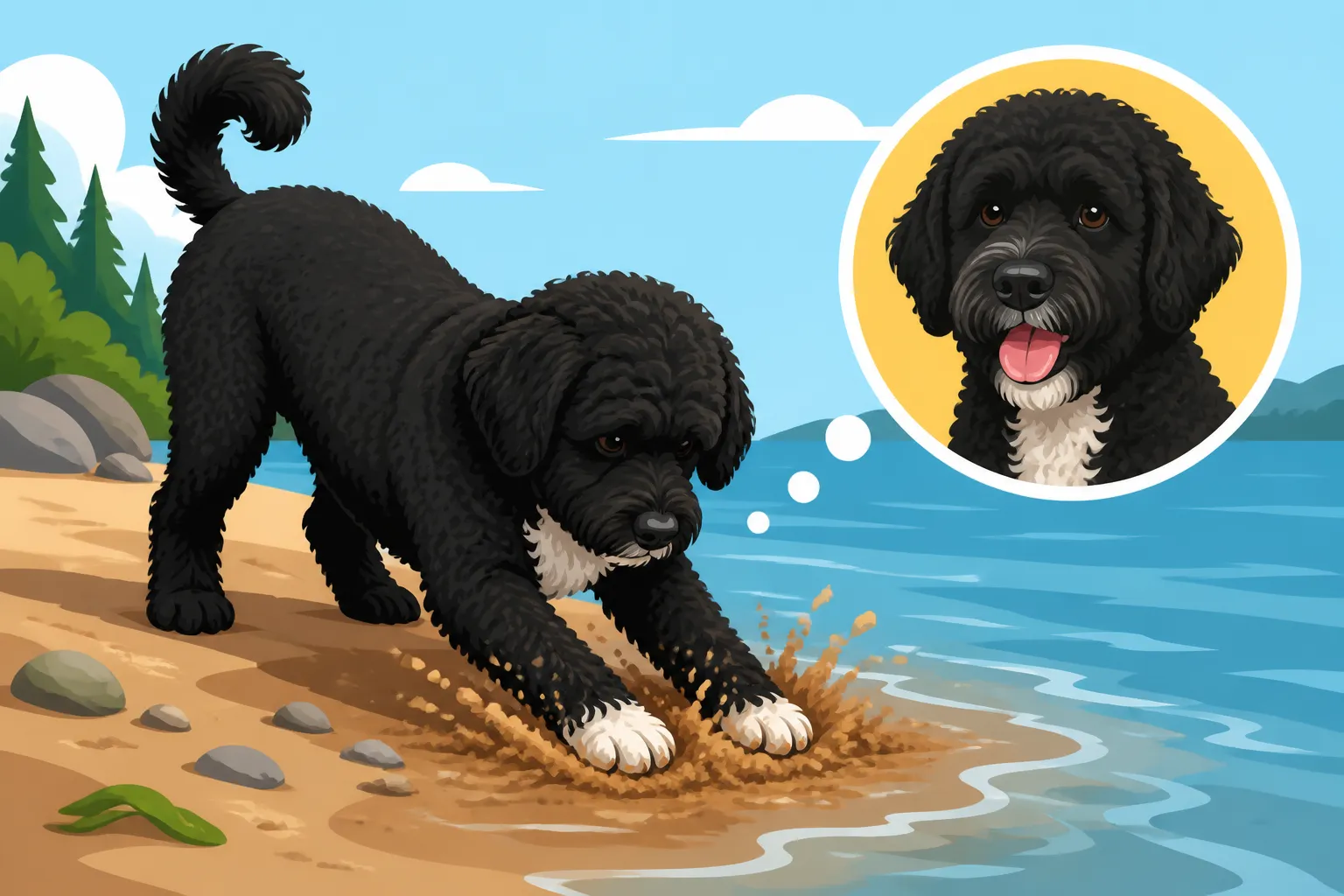
Whether a Portuguese Water Dog Digs at the Water’s Edge
It's a common, muddy frustration for many Portuguese Water Dog owners: you take your intelligent, energetic companion to the beach, lake, or even a backyard water feature, hoping for a refreshing swim or a joyful romp, only to find them enthusiastically excavating at the water's edge. This isn't just about a messy dog and sandy paws; it's about understanding and redirecting a powerful, natural instinct that can leave your dog covered in mud, your car needing a deep clean, and your carefully maintained shoreline looking like a construction zone. This guide will delve into why your Portuguese Water Dog might be digging at the water's edge and, more importantly, what you can do about it to preserve your peace and your property.
Unpacking the Portuguese Water Dog's Digging Instincts
Let's be real, most dogs dig to some extent, but with a Portuguese Water Dog, it often feels like they take it to an Olympic level, especially near water. This isn't defiance; it's often rooted in a combination of their heritage, their high intelligence, and sometimes, simple boredom or discomfort. Understanding the "why" is the first step in addressing the "how to stop it."
The Call of the Wild: Instinctual Drives
Your Portuguese Water Dog comes from a long line of working dogs, bred to assist fishermen along the coast of Portugal. Their job wasn't just about retrieving nets and lost gear; it was about being an active, intelligent partner. These dogs were problem-solvers, and their paws were essential tools. Digging can be a manifestation of several deep-seated instincts:
- Hunting for Buried Treasures: While they weren't typically hunting rodents in the sand, the urge to discover, unearth, and manipulate objects with their paws is strong. At the water's edge, there might be interesting smells, buried shells, or even just the feel of cool, damp sand or earth that triggers this exploratory drive. It’s like a treasure hunt to them, and the reward is the sheer act of discovery. This goes hand-in-hand with Why a Portuguese Water Dog Puts Everything in Its Mouth; they use their paws and mouths to investigate their world.
- Temperature Regulation: On a hot day, digging down into the cooler, damp earth near the water can be incredibly appealing. It’s their way of creating a natural, personalized cooling spot. This is especially true if they've been running and playing hard and are feeling a bit warm. They're not just digging for fun; they're trying to make themselves more comfortable.
- Building a Den or Shelter: While less common in a modern pet setting, the ancestral urge to create a safe, sheltered spot is present. A freshly dug hole near the water can feel like a secure, private little nook, even if it's only temporary. It's a throwback to a time when dogs relied on such spaces for safety and comfort.
Energy and Boredom: A Recipe for Canine Excavation
Portuguese Water Dogs are incredibly smart and energetic. They need a job, and if you don't provide one, they'll often create their own – and that often involves digging, chewing, or other "rebellious" behaviors. Many owners lament that their PWD is "always into something," and often, that "something" is digging.
- An Unchanneled Mind: These dogs thrive on mental stimulation. If they're not challenged with training, puzzle toys, or engaging activities, their clever minds will seek out ways to entertain themselves. Digging provides both mental and physical engagement. They have to think about where to dig, how deep, and what they might find, all while burning off physical energy. This is why What a Portuguese Water Dog Needs Every Day includes so much more than just a walk around the block.
- Excess Physical Energy: A tired dog is a good dog, and a Portuguese Water Dog often isn't truly tired after a casual stroll. They need vigorous exercise, often involving swimming or demanding retrieval games. If they haven't had enough appropriate outlets for their boundless energy, digging can become an easy, satisfying way to release pent-up steam. Think about The Portuguese Water Dog That Has Not Had Enough Exercise and the mischief that can follow.
- Lack of Appropriate Outlets: If your dog doesn't have designated digging areas or appropriate toys that satisfy their urge to mouth and manipulate, they'll find their own. The sandy, loose earth at the water's edge is an irresistible canvas for their creative digging endeavors. It’s like giving a child a sandbox versus telling them not to touch the freshly planted flower bed—one is a clear invitation, the other a frustrating boundary.
The "Where" Matters: Digging in Different Water Environments
The type of water environment your Portuguese Water Dog is in can influence why they dig and how you approach the solution. Whether it's the beach, a serene lake, or your own backyard pool, each setting presents unique challenges and opportunities.
Beach Adventures: Sand, Salt, and Surprises
Beaches are often prime digging territory for Portuguese Water Dogs, and it's easy to see why. The sand is loose, easily moved, and full of enticing smells from the ocean.
- Sensory Overload: The beach is a wonderland of scents – dead crabs, seaweed, other animals' tracks, buried treasures left by the tide. For a Portuguese Water Dog's powerful nose, it’s an irresistible invitation to excavate. They might be digging to uncover something interesting they smell beneath the surface, following a scent trail right into the sand.
- Cooling Down: Sand, while appearing hot on the surface, can be surprisingly cool a few inches down. After a vigorous session of retrieving floating toys or splashing in the waves, a PWD might instinctively dig a shallow pit to lie in and cool their belly. This is a very natural behavior for many dogs seeking relief from the heat.
- The Sheer Joy of Digging: Let's not forget, digging in sand is just plain fun for many dogs! The ease with which they can move the sand, the satisfying feel of it between their paws, and the immediate visual result of their efforts can be incredibly rewarding. It's an activity that engages their entire body and provides a great sensory experience.
Lake & River Banks: Mud, Roots, and Rushing Water
Lakes and rivers offer a different digging experience, often with muddier consequences. The banks can be rich in soil, roots, and perhaps even some critters lurking beneath.
- Mud Pit Creation: Unlike the beach, digging at a lake or river often results in glorious, mucky mud. For a Portuguese Water Dog, who often doesn't shy away from getting dirty, this can be an added bonus. They might enjoy the feel of the wet earth and the opportunity to make a big mess. This is where you might find yourself needing to know How Often a Portuguese Water Dog Needs a Bath after every outing.
- Root and Rock Obstacles: Digging near trees or dense vegetation on a riverbank can lead to frustrating encounters with roots or rocks. This can either deter some dogs or, for a persistent PWD, become a challenge they're determined to overcome, leading to even more vigorous digging. They might be trying to dislodge an interesting root or unearth a rock that caught their attention.
- Following Critters: Lake and river banks are often home to voles, moles, groundhogs, and other small burrowing animals. Your PWD's keen sense of smell can easily detect these creatures, and their digging might be a concentrated effort to get to the source of that intriguing scent. This hunting drive is a powerful motivator.
Backyard Ponds or Pools: The Familiar and the Forbidden
Even in your own backyard, a Portuguese Water Dog might decide the edge of a pond or pool is an excellent spot for an excavation project.
- "Fixing" the Liner: If you have a pond with a liner, a PWD might, with the best intentions, try to "fix" what they perceive as an imperfection. They might dig at the edges of decorative rocks or plants, trying to rearrange them or get to the soft earth underneath. This can, unfortunately, lead to punctures or damage to your carefully constructed water feature.
- Cooling by the Pool: While a pool offers a direct way to cool off, some PWDs might still dig at the damp earth or soft grass right at the edge of the pool deck. It's a habit from other water sources, or simply a spot where the ground is consistently cool and moist.
- Boredom in a Familiar Setting: Sometimes, backyard digging is simply a sign of boredom. If your PWD spends a lot of time unsupervised in the yard, especially near a water source that's usually off-limits or not as exciting as a full-on swim, they might resort to digging as a form of self-entertainment. This ties back to needing What a Portuguese Water Dog Does All Day to be enriching.
Strategies to Prevent and Redirect Water's Edge Digging
You can't completely extinguish a dog's natural instincts, but you can absolutely manage them and redirect that energy into more desirable activities. It's all about proactive training, providing appropriate outlets, and consistent management.
Environmental Management and Smart Set-Up
Sometimes, the simplest solution is to change the environment or your dog's access to it. This takes the temptation away, giving you a chance to teach better habits.
- Designated Digging Zones: If your PWD loves to dig, consider creating a designated "dig pit" in your yard, away from the water's edge. Fill it with sand or loose soil, bury some dog-safe toys or treats, and encourage them to dig there. Praise them enthusiastically when they do. This gives them a sanctioned outlet for their natural urge. You can find durable toys suitable for burying and digging on platforms like Amazon.
- Physical Barriers and Deterrents: For areas you absolutely want to protect, physical barriers are often the most effective. This could mean temporary fencing around a pond, strategic placement of large, immovable rocks at the edge of a lake, or even planting dense, thorny shrubs (dog-safe, of course) in areas you want to discourage digging. Teaching a Portuguese Water Dog to Wait on the Bank is crucial if you have a dog prone to bolting for the water or digging at its edges.
- Supervision is Key: This might sound obvious, but active supervision is paramount. If you're at the beach or lake, keep your Portuguese Water Dog on a long line or leash if their digging habit is strong. Don't just let them run free while you're distracted. When you're actively watching, you can intervene immediately.
Training and Redirection Techniques
Positive reinforcement training is your best friend when it comes to managing digging. It's about teaching your PWD what to do, rather than just punishing what you don't want them to do.
- "Leave It" and "Come": These are foundational commands that will serve you well. Practice "leave it" with tempting items, gradually increasing the distractions. When your PWD starts to dig at the water's edge, use a firm "leave it" and redirect them to a more appropriate activity. "Come" is essential for recalling them away from a digging hotspot. Consistent practice, perhaps through an online program like BAXTER & Bella, can solidify these crucial skills.
- Plenty of Exercise and Mental Stimulation: As mentioned, a bored or under-exercised PWD is a digging PWD. Ensure your dog gets ample physical activity, especially swimming. How Often a Portuguese Water Dog Should Swim depends on the individual, but regular water work is often the best way to burn off their energy. Combine this with mental games like puzzle toys, obedience training, or scent work. If you're wondering Which Retrieving Games Tire a Portuguese Water Dog, fetch games with floating bumpers are usually a hit and keep their minds engaged.
- Provide Alternatives: Always have appropriate toys on hand. Chew toys, robust ropes for tug, or floating retrieve toys can offer a more suitable outlet for their energy and mouthy tendencies. When you see them start to dig, offer a toy and engage them in a game. Make the toy more interesting than the dirt.
Here's a quick comparison of common digging motivations and their ideal solutions:
| Digging Motivation | Common Scenarios | Recommended Intervention |
|---|---|---|
| Boredom/Excess Energy | Long periods unsupervised, insufficient exercise | Increase structured exercise (swimming, fetching); mental games; provide puzzle toys. What a Portuguese Water Dog Needs Every Day is more than just a walk. |
| Instinct/Exploration | New environments, interesting smells, loose earth | Create a designated digging pit; bury toys in appropriate areas; practice "Leave It" consistently. |
| Temperature Regulation | Hot days, sunny spots by water | Provide shade and fresh water; ensure access to actual water for swimming; offer cooling mats or vests. |
| Anxiety/Stress | Left alone, new places, loud noises | Identify and address stress triggers; increase companionship; provide safe, quiet space; consult a professional trainer. |
| Attention Seeking | Digs when ignored, stops when acknowledged | Ignore digging attempts; reward calm, non-digging behavior; ensure sufficient attention through play and training. |
Long-Term Consistency and Patience
Training a Portuguese Water Dog requires patience and consistency, especially with deeply ingrained behaviors like digging. They are intelligent and will test boundaries.
- Consistency is Crucial: Everyone in the household needs to be on the same page regarding rules and redirection. If one person allows digging and another corrects it, your PWD will get confused and the behavior will be harder to extinguish.
- Positive Reinforcement Always: Never punish digging with harsh methods. This can damage your bond and make your dog fearful or secretive about their digging. Instead, focus on rewarding the behaviors you want to see. If they choose to play with a toy instead of digging, or if they come when called away from a digging spot, reward them generously.
- Seek Professional Help if Needed: If digging is extreme, destructive, or accompanied by other behavioral issues, don't hesitate to consult a certified professional dog trainer or a veterinary behaviorist. They can help you identify underlying causes and develop a tailored training plan. Sometimes, a professional eye can spot things we, as owners, might miss.
Remember, your Portuguese Water Dog is a fantastic, driven companion, and their digging is just one facet of their vibrant personality. With understanding, patience, and consistent effort, you can transform that digging frustration into a more harmonious relationship with your water-loving friend.
Disclaimer
This article is for general informational purposes only and does not constitute professional advice. Laws, prices and regulations vary by location and change over time. Consult a qualified professional for guidance on your specific situation.