Teaching a Portuguese Water Dog to Trade
Oh, the joy of a Portuguese Water Dog! They're brilliant, athletic, and full of life, but let's be real, their intelligence can sometimes manifest as a stubborn streak, especially when they've got something they really, really don't want to give up. Whether it's a stolen sock, a treasured toy, or something they shouldn't have at all, getting your PWD to willingly hand it over can feel like an Olympic negotiation. This guide is all about teaching your clever companion the "trade" command, turning those frustrating standoffs into a seamless exchange where everyone wins.
Understanding the Portuguese Water Dog's Instinct to Hold Onto Things
Before we dive into training, it's really helpful to understand why your Portuguese Water Dog might be a bit possessive about their treasures. It's not usually about malice; it's often rooted in their breed history and natural instincts.
The Retriever's Mentality: Hold and Carry
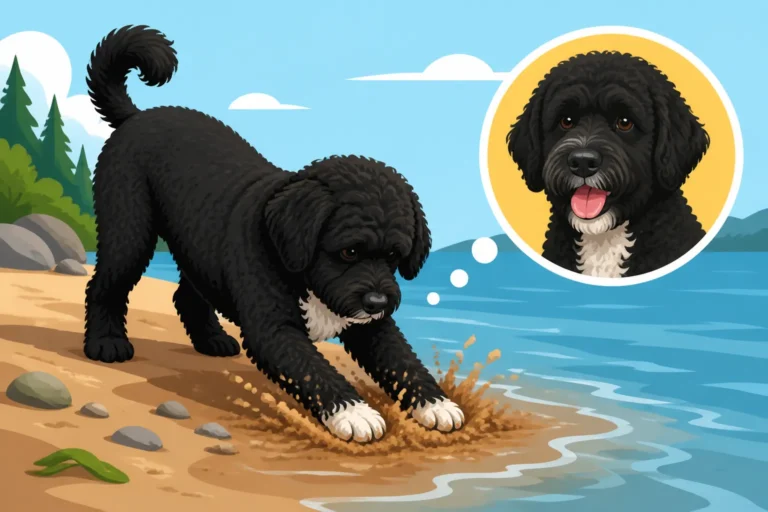
Portuguese Water Dogs were bred to work closely with fishermen, retrieving lost tackle, herding fish into nets, and even carrying messages between boats. This job required them to hold onto objects gently but firmly, often for extended periods, and bring them back to their human. This deep-seated instinct to retrieve and carry is powerful. For a PWD, holding an item is often the first step in "bringing it to you," but the "giving it up" part might not be as clear in their ancient programming. They don't want to let go of what they consider theirs or what they're "working" with, which is often anything they can get their jaws around. This can make the early puppy months, when they're exploring with their mouths, particularly challenging. Why a Portuguese Water Dog Puts Everything in Its Mouth can offer more insights into this stage.
The Independent Thinker's Perspective: "Why Should I?"
One of the most charming, yet sometimes exasperating, traits of the Portuguese Water Dog is their independent nature. They were bred to be problem-solvers on the boat, making decisions on their own without constant direct command. This means they often "think for themselves" rather than blindly obeying. If your PWD has something in their mouth, their immediate thought isn't always "I must drop this for my human." Instead, it might be, "What's in it for me if I give this up?" or "This is interesting, why would I let go?" This independent streak is why a simple "drop it" command might not always work, especially if they perceive the item as high-value or they suspect you're just going to take it away without a fair exchange. They are smart, and they learn quickly if the trade is always in their favor.
Setting the Stage for Successful Trade Training
Before you even start uttering the "trade" command, you need to set up the environment and your approach for success. This isn't just about repetition; it's about building trust and making the trade a positive, rewarding experience every single time.
Choose Your Training Arena Wisely
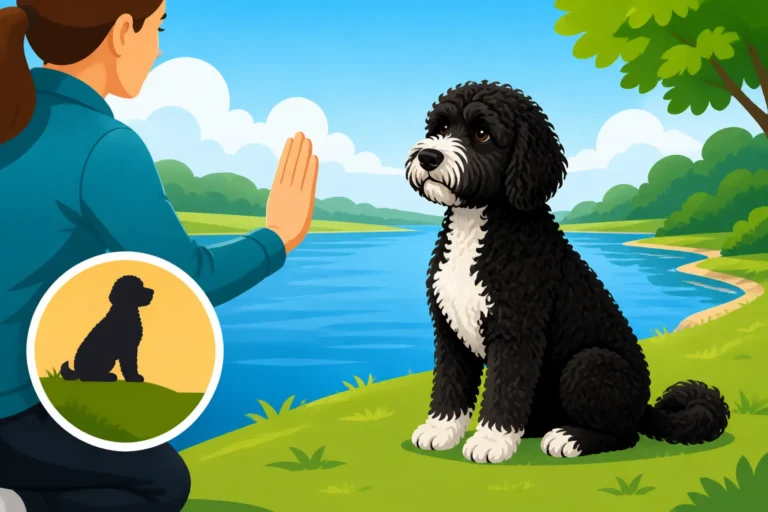
Start in a quiet, low-distraction environment. Your living room, a quiet corner of the yard, or even a spacious crate can be ideal. The goal is to minimize anything that might compete with your attention or the value of the treats you're offering. Once your PWD masters the concept in a controlled setting, you can gradually introduce more distractions, like another family member nearby, or even a short walk in the park. But for the initial lessons, keep it simple and focused. You want your dog to feel comfortable and secure, not overwhelmed or anxious. Remember, a stressed dog isn't a learning dog.
Gather Your High-Value Rewards and Decoy Items
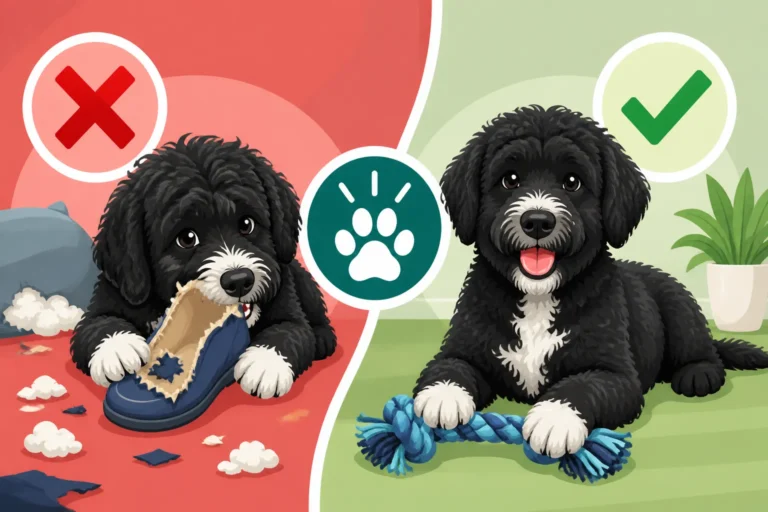
This is crucial. For trade training, your rewards must be higher value than whatever your dog is holding. Think irresistible: small pieces of cooked chicken, cheese, hot dogs, or especially delicious commercially available training treats. Don't use their everyday kibble for this; it needs to be something truly exciting. For "decoy" items, start with something your dog likes but isn't overly obsessive about. This could be a favorite chew toy that they don't guard aggressively, or a worn-out sock. As they get better, you can gradually move to slightly higher-value items they might be more reluctant to give up, but always, always have an even higher value treat ready to exchange. This reinforces the idea that giving up something always leads to something better. Many owners find great success with a variety of durable toys from places like Amazon to use as the "held item," alongside a pouch full of the irresistible treats.
Establish a Foundation of Trust
This training relies heavily on trust. Your dog needs to believe that when you ask for something, it's not going to be taken away forever, but rather exchanged for something wonderful. Never snatch an item from your dog's mouth. This can lead to resource guarding and make them even more likely to run away or swallow something they shouldn't. Instead, always approach with a calm demeanor and a tempting treat. If your PWD is particularly prone to stealing forbidden items, consider working on What a Portuguese Water Dog Carries Off When Bored or Why a Portuguese Water Dog Steals Objects to address the root causes of those behaviors. Building a strong bond through consistent positive reinforcement will make all your training, including "trade," much smoother.
Step-by-Step Guide to Teaching the "Trade" Command
Now for the fun part! This process is about building a positive association, step by gentle step. Consistency is your best friend here.
Step 1: The Initial Exchange – No Command Yet
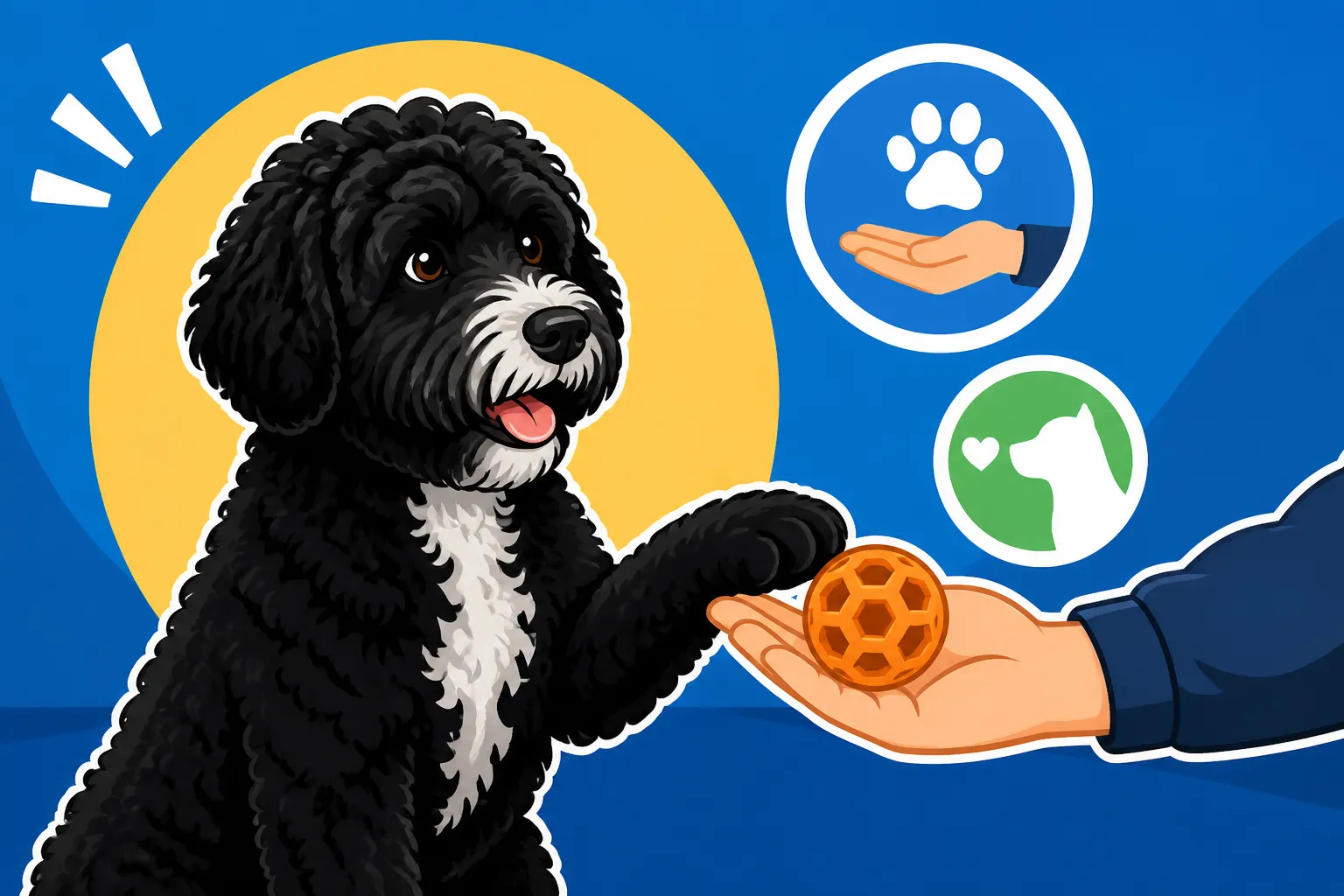
Start by offering a high-value treat to your Portuguese Water Dog when they have a low-value item in their mouth (like a standard chew toy). Don't say anything yet. Just present the treat. Most dogs will drop what they have to take the treat. The moment they drop the item, praise them enthusiastically ("Yes! Good dog!") and let them have the treat. Pick up the original item. Then, offer the original item back if it's appropriate, or a different low-value toy, and repeat. The key here is that they get the delicious treat after dropping the item, but before you pick it up. This teaches them that letting go of something means good things happen immediately.
Step 2: Adding the "Trade" Command
Once your PWD consistently drops the item for the treat without you having to say anything, you can introduce the verbal cue. As you present the high-value treat, say "Trade!" in a calm, upbeat tone. The instant they drop the item, praise them, give the treat, and then pick up the item they dropped. Again, you can offer the original item back, or a different one, to keep the game going. The more successful, positive exchanges you have, the stronger the association between "Trade!" and "delicious treat!" will become.
Let's look at a simple table to illustrate this progression:
| Stage | Dog Has… | You Do… | Dog Does… | You Do… |
|---|---|---|---|---|
| No Command | Low-value toy | Present high-value treat silently | Drops toy | Praise, give treat, pick up toy |
| Add Command | Low-value toy | Say "Trade!", present high-value treat | Drops toy | Praise, give treat, pick up toy |
| Higher Value | Mid-value toy | Say "Trade!", present even higher-value treat | Drops toy | Praise, give treat, pick up toy |
| Real-Life | Stolen sock | Say "Trade!", present irresistible treat (like chicken) | Drops sock | Praise enthusiastically, give treat, secure sock, redirect to proper toy |
Step 3: Increasing the Value of the Item Being Held
Once your Portuguese Water Dog is reliably "trading" low-value items, gradually increase the value of the item they are holding. Move from a regular chew toy to a slightly more favored toy, then maybe a bone, and eventually to items they might have "stolen," like a shoe or a remote control. Remember, with each increase in the item's perceived value, you must increase the value of the treat you offer in exchange. If they're holding a really prized possession, you might need to pull out the cooked steak pieces! This consistent reinforcement that giving up something always leads to something better is key to preventing resource guarding down the line.
You might find that for really tempting items, a brand like BAXTER & Bella, known for its comprehensive positive reinforcement training, emphasizes these types of exchanges to build a strong foundation. Their methods often revolve around making the desired behavior far more rewarding than the undesirable one.
Step 4: Practicing in Different Environments and With Varied Items
Just like with any command, generalization is important. Once your PWD understands "trade" in a quiet room, practice in other areas of your home, in the yard, and eventually on walks or at the park. Introduce different types of items – soft toys, hard chew toys, safe household objects. The more varied your practice, the more reliable the command will become. If your Portuguese Water Dog has a particular affinity for certain types of objects, like What a Portuguese Water Dog Chews as a Puppy or other items they regularly mouth, these are excellent things to practice trading with. Just ensure you always have that high-value reward ready!
Troubleshooting Common "Trade" Training Challenges
Even with the best intentions, you might run into some bumps on the road. Portuguese Water Dogs are clever, and they might try to outsmart you!
My Dog Won't Drop the Item
If your PWD is reluctant to drop the item, it's usually for one of two reasons: the treat isn't high-value enough, or they've had negative experiences where items were simply taken from them. First, level up your treats. Seriously, go for the good stuff! Second, back up a step. Re-establish trust by never taking anything away. Only offer a trade. If they still won't drop it, gently place the treat right in front of their nose. Sometimes the smell alone is enough to trigger a release. Avoid chasing them or reaching for the item, as this can escalate their possessiveness. Remember, a trade is a voluntary exchange, not a forced removal.
My Dog Grabs the Treat and Then Runs With Both Items
This is a common PWD move! They're smart, and they quickly learn to game the system. To counter this, once they drop the item and get the treat, immediately pick up the item they dropped. Don't give them a chance to re-grab it. You want the association to be: "I drop item, I get treat, original item disappears, I keep treat." This teaches them that the original item is gone, and the treat is their reward. If you want them to have the original item back, you can present it after the exchange is complete and they've eaten the treat. This also helps to break the cycle of Whether a Portuguese Water Dog Guards What It Takes.
My Dog Starts Resource Guarding After I Tried to "Trade"
Resource guarding is a serious concern, and if you suspect your PWD is developing it, stop trade training immediately and consult with a professional positive reinforcement trainer or a veterinary behaviorist. Resource guarding can manifest as growling, snarling, snapping, or freezing when you approach an item they possess. It's often born out of fear and a lack of trust. Never punish your dog for resource guarding, as this will only intensify their fear and make the behavior worse. A professional can help you develop a safe and effective plan to address the underlying issues.
My Portuguese Water Dog Just Isn't Interested
Sometimes, a PWD might just seem… indifferent. Perhaps they're not highly food-motivated, or they're genuinely more interested in the item they have. In this case, try different types of high-value rewards – it might not be food. Some dogs will trade for a quick game of tug, a toss of a favorite ball, or even a few enthusiastic scratches behind the ears. Experiment to find what truly motivates your individual dog. Also, ensure they're not overly full from a recent meal. A hungry dog is often a more motivated dog! Which Toy a Portuguese Water Dog Will Work Hardest For might give you some ideas.
Maintaining the "Trade" Skill for Life
Teaching "trade" isn't a one-and-done deal. It's a skill that needs to be regularly practiced and reinforced to remain reliable, especially with a smart and independently-minded breed like the Portuguese Water Dog.
Regular Practice Sessions Are Key
Integrate "trade" into your daily routine. Don't just practice when your dog has something they shouldn't. Make it a fun game with their toys. Play "trade" several times a week, always ending on a positive note. For example, during playtime, ask your dog to "trade" their tug toy for a treat, then give them the tug toy back to continue playing. This keeps the skill sharp and maintains the positive association. Consistent, short, and fun sessions are far more effective than infrequent, long, and frustrating ones.
The "Trade Up" Principle
Always, always aim to "trade up." This means that whatever you offer in exchange for the item your dog has should be perceived as better than what they're giving up. This could be a tastier treat, a different, more exciting toy, or even a brief play session. If you consistently trade for something less desirable, your PWD will quickly learn that "trade" isn't a good deal for them, and they'll be less likely to comply in the future. This principle is vital for establishing long-term reliability and trust. For instance, if your dog has a basic tennis ball, offer a favorite squeaky toy or a piece of chicken. If they have a stick they found on a walk, offer a high-value bully stick or a handful of their absolute favorite treats from a brand like Amazon's extensive selection.
What to Do When Your Portuguese Water Dog Grabs a "Forbidden" Item
Despite all your training, your clever PWD will inevitably snatch something they shouldn't – a sock, a tissue, a dropped pill, perhaps even something more dangerous. When this happens, stay calm! Your reaction is critical. Don't yell, don't chase, don't rush towards them with a panicked look. That will only make them bolt or swallow it quickly. Instead, get their attention calmly, then immediately offer your most irresistible, highest-value treat. Say "Trade!" in a calm, upbeat tone. As soon as they drop the item, praise them profusely, give the treat, and then safely secure the forbidden item. This reinforces that "trade" is the easiest, most rewarding way to get rid of something they're not supposed to have. Teaching them Teaching a Portuguese Water Dog to Trade early in The First Year With a Portuguese Water Dog Puppy is invaluable for these situations.
Keep Training Fun and Positive
Portuguese Water Dogs thrive on positive reinforcement and engaging activities. Training "trade" should never be a punishment or a struggle. If you or your dog are getting frustrated, take a break. End the session on a success, even if it's a simple, easy trade with a low-value toy. Maintaining a positive, playful attitude will keep your PWD eager to learn and cooperate. Remember, they are partners, not automatons, and they respond best when they feel understood and rewarded. This is especially true for Training a Portuguese Water Dog That Was Bred to Think for Itself.
By consistently applying these steps and always making "trade" a positive experience, you'll equip your Portuguese Water Dog with a valuable skill that not only keeps them safe but also strengthens the bond of trust between you.
Disclaimer
This article is for general informational purposes only and does not constitute professional advice. Laws, prices and regulations vary by location and change over time. Consult a qualified professional for guidance on your specific situation.