What a Harsh Word Does to a Portuguese Water Dog’s Water Work
It's incredibly frustrating when you're trying to train your spirited Portuguese Water Dog, especially around their beloved water work, and you find yourself getting short-tempered or, worse, using harsh words. You probably feel awful afterward, and you might notice your PWD's usual enthusiasm for splashing and retrieving just… vanishes. This guide is here to shed light on why a harsh word can have such a profound and lasting negative impact on your Portuguese Water Dog's water work, and how to nurture their natural love for the water with kindness and effective communication.
Understanding the Sensitive Soul of a Portuguese Water Dog
Portuguese Water Dogs are renowned for their intelligence, vivacity, and deep connection with their human companions. They are eager to please, yes, but they're also highly sensitive and possess a remarkable memory, which means every interaction, positive or negative, makes a strong impression.
Their Innate Drive and How They Learn
These dogs were bred for centuries to be working partners with fishermen, requiring them to think independently, problem-solve, and retrieve in challenging aquatic environments. This means your Portuguese Water Dog isn't just a mindless follower; they're a thinker. They learn by association, by observing outcomes, and by understanding your cues. When you introduce a sharp tone or a scolding word into a training session, especially one they're wired to love like water work, they don't necessarily connect it to a specific "mistake" in the way a human might. Instead, they often associate the unpleasant feeling with the activity itself, or even with you.
Their problem-solving nature means they might try to figure out what they did "wrong" to avoid the unpleasantness, rather than understanding the desired behavior. This can lead to hesitation, confusion, or even a complete shutdown. Think of it this way: they're not asking "what did I do?" but "how do I avoid that bad feeling?" This breed thrives on clear, consistent, and positive guidance. They want to be your partner, not your subordinate constantly fearing correction. If you're struggling with their independent nature, resources like Training a Portuguese Water Dog That Was Bred to Think for Itself can offer valuable insights.
The Importance of Positive Reinforcement
For a breed as sensitive and intelligent as the Portuguese Water Dog, positive reinforcement isn't just a training method; it's the foundation of a healthy relationship and effective learning. When you use treats, praise, or their favorite water toy to reward desired behaviors, you're building strong, happy associations. For instance, when your PWD brings back that bumper from the lake, a cheerful "Good retrieve!" and a gentle pat reinforces that action far more effectively than a stern "No!" if they hesitate.
This method encourages them to offer behaviors willingly because they've learned that doing so brings good things. It fosters confidence, builds trust, and keeps their natural enthusiasm for learning and working with you intact. Many excellent online training programs, such as those offered by BAXTER & Bella, emphasize these positive, force-free techniques, which are absolutely crucial for a Portuguese Water Dog. It’s about making learning a game, a joyful shared experience, rather than a task fraught with the potential for disapproval. Their innate drive to retrieve, for example, can be amplified through fun, positive sessions rather than squashed by negativity.
The Immediate Impact of Harsh Words on Water Work
When you raise your voice or use a harsh tone with your Portuguese Water Dog, especially during something as instinctual and joyful as water work, the effects can be immediate and deeply unsettling for them. It’s like a cold splash of water on their enthusiasm, but not in the fun way.
Crushing Their Confidence in the Water
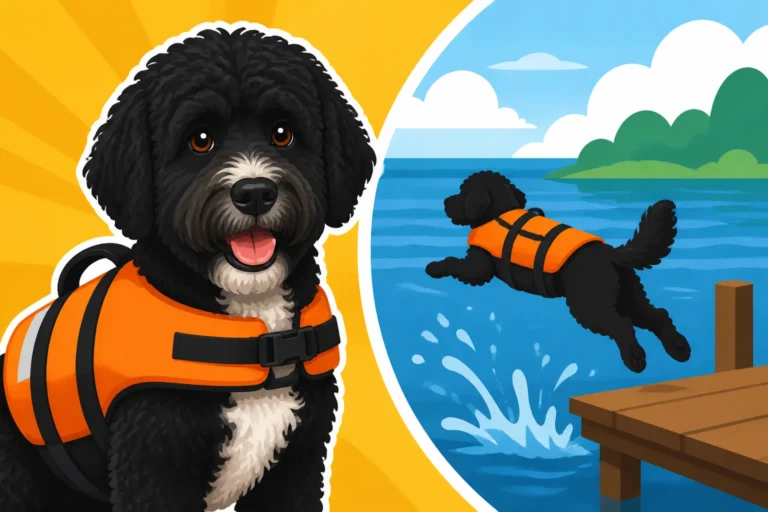
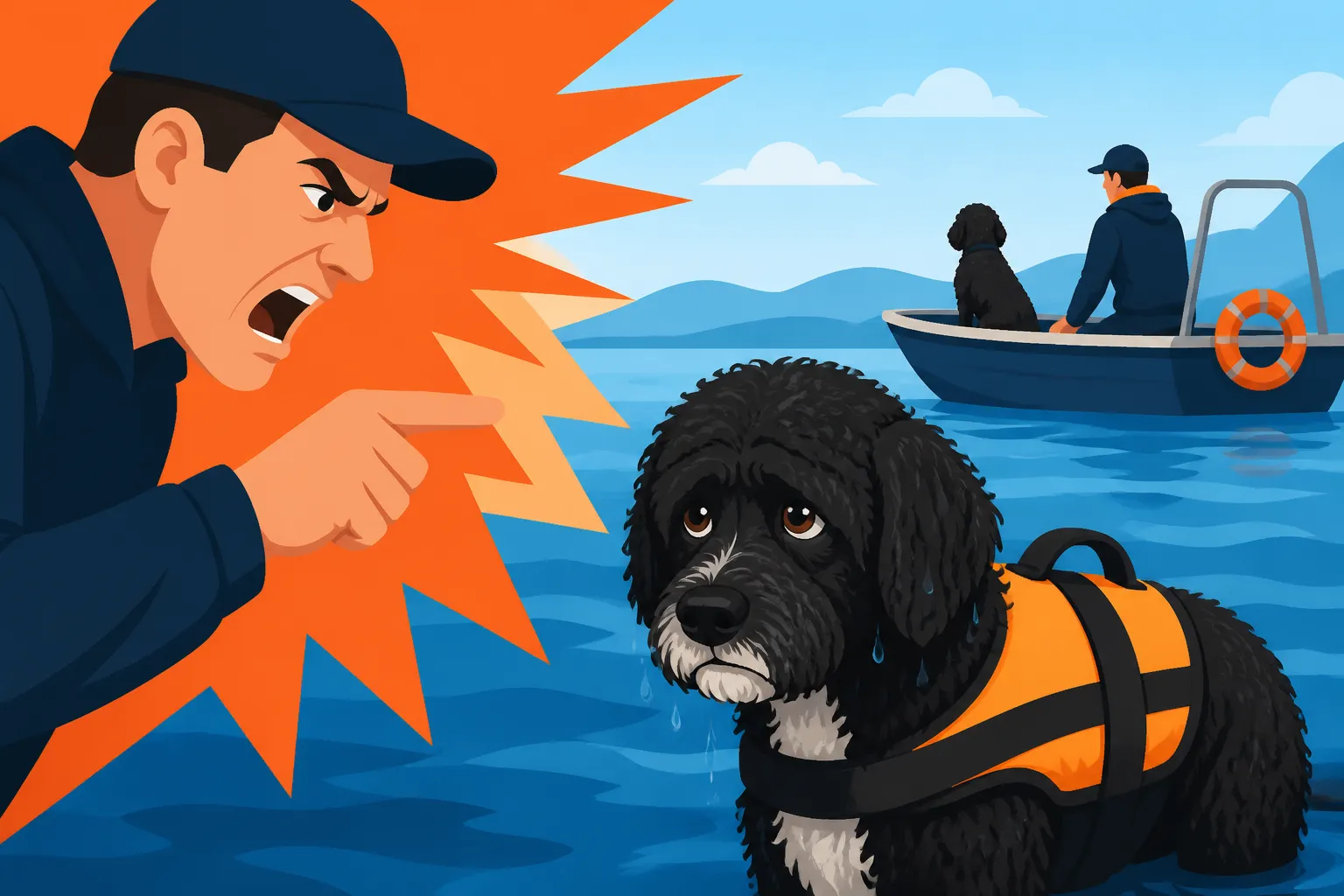
Imagine your Portuguese Water Dog, tail wagging, eyes bright, ready to plunge into the cool water. Perhaps they're a little over-eager, or maybe they momentarily get distracted. If your response is a sharp, angry command or a loud scolding, that pure joy and confidence can shatter in an instant. You might see them pause, flatten their ears, or even visibly shrink back. Instead of performing the retrieve or entering the water with gusto, they might:
- Hesitate at the water's edge: The place that once sparked excitement now carries a memory of your displeasure. They might dip a paw, look at you uncertainly, and then back away.
- Slow their retrieves: A once lightning-fast dash to the dummy becomes a reluctant paddle, or they might even drop the item halfway back, showing a clear lack of confidence.
- Avoid eye contact: Their natural desire to engage with you can diminish as they try to avoid further reprimand.
- Display displacement behaviors: They might shake off excessively, scratch themselves, or yawn, all signs of stress and anxiety in a dog.
These reactions are their way of saying, "I'm confused and uncomfortable." Their natural instinct to swim and retrieve, which is a core part of What a Portuguese Water Dog Was Bred to Do on a Boat, can be overridden by the fear of making a "mistake" that leads to your harsh words. It effectively creates a negative emotional state around an activity that should be nothing but pure fun and connection.
Associating You with Negative Experiences
Dogs, and especially a highly bonded breed like the Portuguese Water Dog, are masters of association. If "going to the lake" or "getting the bumper" consistently leads to a sharp voice or an angry outburst from you, they won't just associate the negativity with the specific action they performed. They will link it to the entire context: the water, the toy, and most importantly, you.
This isn't just about a temporary dip in enthusiasm; it's about eroding the trust and partnership you're working so hard to build. Instead of seeing you as the source of fun, guidance, and safety, they start to see you as unpredictable or a potential source of fear during these activities. This can make them reluctant to even start water work with you, anticipating the negative reaction rather than the joyful interaction. It’s a subtle shift, but one that can deeply damage the training relationship and their overall willingness to engage in tasks, whether it’s in the water or simply Teaching a Portuguese Water Dog to Trade for a cherished item.
Long-Term Consequences and Repairing the Bond
The ripple effect of harsh words extends far beyond the immediate moment. For a Portuguese Water Dog, whose entire history is built on working closely and harmoniously with humans, repeated negativity can have lasting effects on their behavior and your relationship.
Eroding Trust and Creating Avoidance
Consistent harsh corrections, especially during activities they love and excel at, can severely erode the deep bond of trust that is so crucial with a Portuguese Water Dog. They learn that engaging with you in certain scenarios carries a risk of displeasure or fear. This can manifest in various ways over time:
- Generalized anxiety: The stress might not stay confined to water work. They might become more anxious or timid in other training situations or even in daily interactions.
- Complete avoidance of water: What was once their absolute favorite thing – swimming, retrieving from a pond, or even just playing with the hose – could become something they actively resist. They might bolt in the other direction if they see you preparing water gear, or refuse to enter even familiar bodies of water. This is heartbreaking to witness in a breed so defined by its aquatic heritage.
- Reduced willingness to learn: A dog that fears making a mistake will often stop offering behaviors. They might become dull in training sessions, waiting for explicit instructions rather than trying to figure things out, which goes against their intelligent, independent nature.
- Damaged owner-dog relationship: The joy of doing things together diminishes. Your Portuguese Water Dog might still love you fiercely, but a subtle barrier forms, making them less likely to initiate play or seek out your guidance in new situations. This can particularly impact their confidence in new environments or when meeting new people, as discussed in How a Portuguese Water Dog Greets a Stranger.
The long-term goal for any Portuguese Water Dog owner should be to foster a confident, happy, and willing partner. Harshness is a direct counter to that goal, replacing eagerness with apprehension.
Rebuilding Enthusiasm for Water Work
If you've realized that your past training methods might have inadvertently dampened your Portuguese Water Dog's enthusiasm for water, don't despair! Rebuilding their confidence and joy is absolutely possible, but it requires patience, consistency, and a steadfast commitment to positive reinforcement.
Here's how to start turning the tide:
- Go back to basics, with fun: Forget formal "training" for a while. Reintroduce water in the most fun, low-pressure ways imaginable. Maybe it's playing with a sprinkler in the yard, or a very short, shallow dip in a kiddie pool with high-value treats and a favorite toy you bought from Amazon. The key is to make it pure play, with no expectations.
- Reinforce any positive interaction: Even if they just dip a paw in, give enthusiastic praise and a treat. If they look at the water without signs of stress, reward that. You're trying to overwrite old, negative associations with new, positive ones.
- Short, successful sessions: Keep water-related interactions brief and always end on a high note. As soon as they show a flicker of enjoyment, call it a day. This builds a positive memory for the next time.
- Use calming signals: Be mindful of your own body language. Speak in a calm, upbeat tone. Avoid direct stares or looming over them. Get down to their level.
- Engage with high-value rewards: Figure out what truly motivates your Portuguese Water Dog. Is it a special squeaky toy? A piece of cooked chicken? Use these only for water-related activities to build strong positive associations.
- Seek professional help: If the avoidance is severe, consider consulting a positive-reinforcement trainer specializing in fear-based behaviors or working breeds. They can help you craft a tailored plan. For general training struggles, BAXTER & Bella's online resources often have excellent advice for overcoming training hurdles with sensitivity.
- Patience is paramount: It took time to build the negative associations, and it will take time to undo them. Celebrate small victories and remember that every positive interaction is a step forward. This can be a long process, especially if the dog has experienced significant stress, but the reward of seeing their natural joy return is immeasurable. The long-term health and well-being of your PWD, as discussed in The Twelve to Fifteen Years a Portuguese Water Dog Gets, is greatly enhanced by a strong, trusting bond.
Strategies for Effective and Kind Water Training
Training a Portuguese Water Dog, especially for water work, should always be a partnership, built on mutual respect and understanding. This means being proactive in your approach and managing your own reactions just as much as you manage your dog's environment and learning.
Setting Up for Success, Not Scolding
The best way to avoid using harsh words is to set your Portuguese Water Dog up for success from the very beginning. This means careful planning, understanding their limits, and managing the environment.
- Start young and gently: Introduce puppies to water in a fun, non-threatening way. A shallow pool on a warm day, or even just playing with a hose gently, can build positive experiences. The Age a Portuguese Water Dog Can Start Swimming is a great resource for understanding appropriate introductions.
- Gradual progression: Don't throw your PWD into deep water and expect perfection. Start with shallow entries, then move to retrieving in deeper water as their confidence grows. Break down complex tasks, like retrieving specific items or swimming long distances, into tiny, achievable steps.
- Manage distractions: Before you take your PWD to a busy beach or lake, ensure they have a strong foundation of obedience in less distracting environments. A sudden splash from another dog or an unexpected wave can be overwhelming if they're not confident in their skills and your guidance.
- Use appropriate gear: A comfortable, well-fitting harness (you can find many options on Amazon) can make a big difference, especially if you need to guide them gently in the water. For safety, consider a dog life jacket, particularly for puppies or those still building confidence.
- Know your dog's limits: Pay attention to signs of fatigue or stress. A Portuguese Water Dog can swim for a long time, but overdoing it can lead to exhaustion and make them less receptive to training. Always end a session before they're completely worn out. How Long a Portuguese Water Dog Can Stay in Cold Water is a helpful read for understanding their physical capabilities and limits in different conditions.
By carefully structuring your training sessions and ensuring your Portuguese Water Dog feels secure and capable, you'll naturally reduce situations where you might feel frustrated and tempted to use a harsh tone. It's about proactive guidance rather than reactive correction.
Your Role as a Calm, Confident Leader
Your demeanor is arguably the most powerful tool in your training toolbox. Portuguese Water Dogs look to you for guidance and reassurance. If you are calm, confident, and consistent, they will feel safe and be more likely to engage and learn.
Here are ways to cultivate your role as an effective, kind leader:
- Maintain a positive attitude: Even if things aren't going perfectly, keep your voice cheerful and encouraging. Your dog picks up on your emotional state. A slight shift in your voice can convey a world of anxiety to them.
- Clear and consistent cues: Use the same words and hand signals every time for a given command. Ambiguity creates confusion, which can lead to mistakes and, consequently, your frustration. If you're using a structured program like BAXTER & Bella, stick to their methods for consistency.
- Patience is a virtue: Learning takes time, and every dog learns at their own pace. What might be easy for one Portuguese Water Dog could be a challenge for another. Resist the urge to rush them or compare them to other dogs.
- Celebrate every small success: Make a big deal out of even tiny steps in the right direction. Over-the-top praise, a favorite treat, or a quick game of tug are all powerful motivators.
- Be a detective, not a judge: If your Portuguese Water Dog isn't performing a task, don't immediately assume stubbornness. Instead, ask yourself: Is the environment too distracting? Is the cue clear enough? Are they tired? Is there an underlying fear? Sometimes, their refusal to work could even be a subtle sign of discomfort or pain, something to always be mindful of, especially with concerns like Hips and Joints in a Portuguese Water Dog.
- Take a break when you get frustrated: We all have moments of frustration. When you feel yourself getting short-tempered, it's a sign that you need a break, not that your dog needs a scolding. Step away, take a few deep breaths, and come back to the session when you're feeling calm and positive again. Your Portuguese Water Dog will thank you for it.
By embodying a calm, positive, and understanding presence, you create an environment where your Portuguese Water Dog feels safe to explore, learn, and excel in their beloved water work, strengthening your bond with every splash.
| Training Approach | Impact on Portuguese Water Dog | Outcome for Water Work |
|---|---|---|
| Harsh Correction | Fear, confusion, anxiety | Hesitation, avoidance, reduced enthusiasm, damaged bond |
| Positive Reinforcement | Confidence, eagerness, joy | Enthusiastic participation, strong desire to please, strengthened bond |
Disclaimer
This article is for general informational purposes only and does not constitute professional advice. Laws, prices and regulations vary by location and change over time. Consult a qualified professional for guidance on your specific situation.