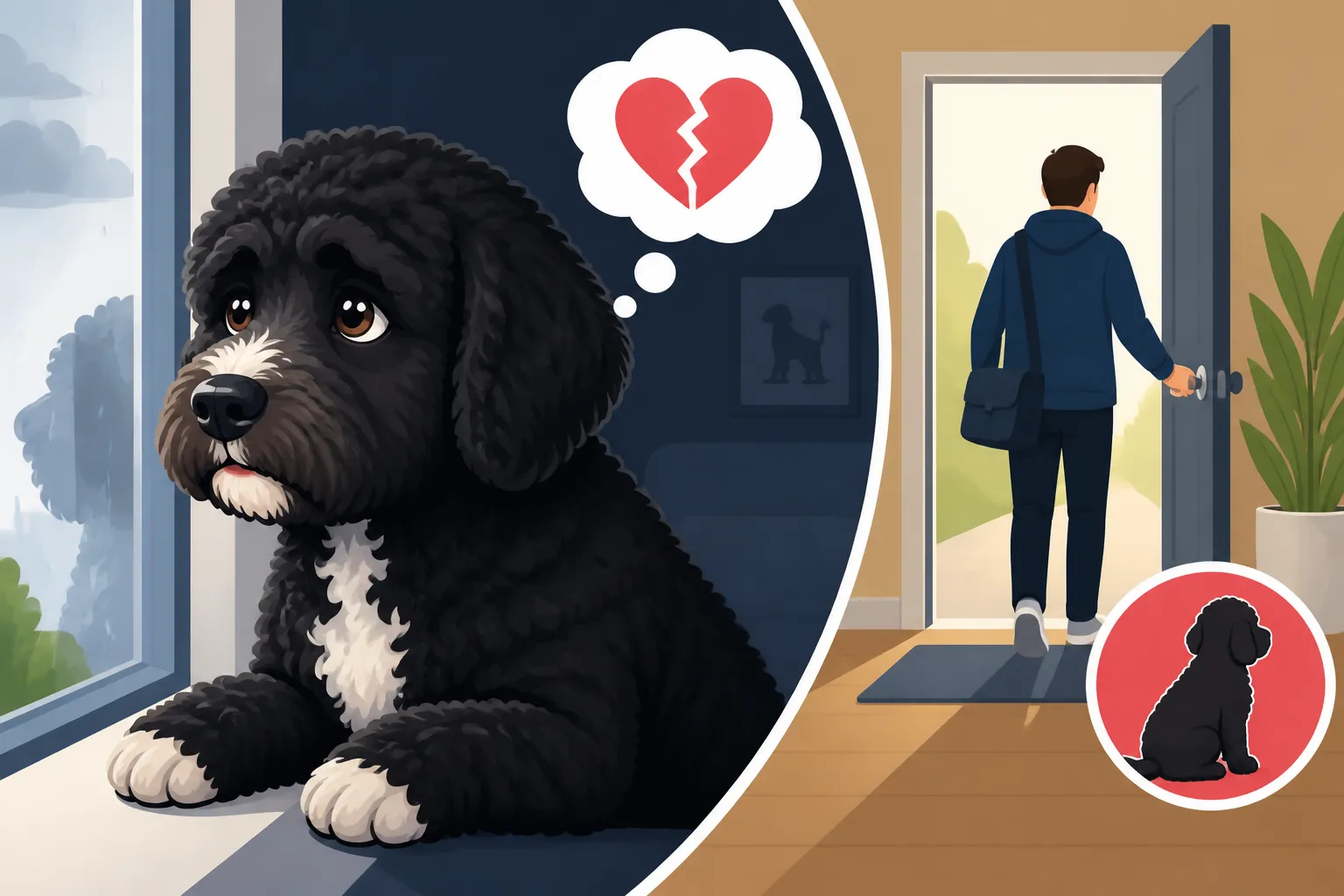
How a Portuguese Water Dog Behaves When You Leave
It's a common scenario that weighs heavily on the hearts of Portuguese Water Dog owners: the moment you step out the door, leaving your beloved, energetic companion behind. You might wonder, "What does my PWD do all day?" or perhaps, "Are they tearing up the sofa again?" Given their history as working dogs and their innate intelligence, a Portuguese Water Dog's behavior when left alone can range from angelic slumber to mischievous mayhem. This comprehensive guide will delve into their typical responses to solitude, help you understand the root causes of certain behaviors, and equip you with practical strategies to ensure your PWD is calm, content, and safe while you're away.
Understanding the Portuguese Water Dog's Core Nature
To truly grasp how a Portuguese Water Dog (PWD) behaves when left alone, we first need to understand the very essence of their being. These aren't just pretty faces with fascinating coats; they are a breed steeped in history, intelligence, and a deep need for engagement. When these fundamental needs aren't met, their alone-time behavior can quickly go sideways, leaving owners feeling frustrated and confused.
A History of Constant Companionship and Work
Imagine the fishing boats of Portugal's Algarve coast. You wouldn't find a Portuguese Water Dog lounging idly on deck. No, these dogs were integral members of the crew, working tirelessly alongside their human counterparts. They retrieved lost tackle, carried messages between boats, and even drove fish into nets. This wasn't a job for a solitary creature; it was a partnership. Their very purpose was to be with people, engaged in meaningful tasks. This deeply ingrained history means that PWDs thrive on companionship and purpose. When we bring them into our modern homes, their ancient instincts don't just disappear. They still crave that connection, that "job" to do, even if it's just being by your side. A PWD left alone with nothing to do is, in many ways, an unemployed sailor with too much time on their paws.
High Energy and Mental Stimulation Needs
Beyond their historical role, PWDs are inherently high-energy dogs with keen minds. They're not content to simply exist; they want to do. A quick trot around the block before you head out the door just isn't going to cut it for most of them. They need vigorous physical exercise that truly tires their bodies and, equally important, challenging mental stimulation that engages their intelligent brains. Think of it this way: a physically tired PWD might nap, but a mentally bored PWD will invent their own entertainment, which often involves things you'd rather they didn't. This breed needs more than just a fenced yard; they need interactive play, training, and opportunities to problem-solve. The Portuguese Water Dog That Has Not Had Enough Exercise Without this crucial outlet, their pent-up energy and intellect can manifest as restless pacing, incessant whining, or destructive exploration of your home's contents.
Common Behaviors When a Portuguese Water Dog is Left Alone
So, you've locked the door and headed off to work or errands. What's unfolding behind you? A Portuguese Water Dog's solo performance can vary wildly, depending on their individual temperament, training, and how well their needs were met before your departure.
The Good: Calmness and Contentment
The ideal scenario for any PWD owner is to return home to a calm, happy dog who has spent their alone time productively, or, more often, blissfully napping. A well-adjusted, properly exercised, and mentally stimulated Portuguese Water Dog will typically settle down after you leave. They might spend a few minutes observing your departure through a window, then perhaps grab a favorite chew toy, or simply find a comfy spot for a snooze. You might come home to find them stretching out, blinking sleepily, perhaps with a soft toy nearby, completely undisturbed by your absence. This ideal state is usually the result of consistent training, ample exercise before you leave, and a safe, prepared environment. They understand that you will return, and they have learned to occupy themselves peacefully in the interim.
The Bad: Destructive Chewing and Mouthing
Unfortunately, not every homecoming is to a peacefully snoozing PWD. One of the most common and frustrating behaviors for PWD owners is destructive chewing. These dogs are inherently "mouthy," a trait stemming from their retrieving days on fishing boats. They used their mouths to grab ropes, bring in nets, and retrieve items from the water. This strong oral fixation, combined with boredom, anxiety, or excess energy, can turn your furniture, shoes, or even door frames into tempting chew toys. Why a Portuguese Water Dog Puts Everything in Its Mouth It's not out of spite; it's often a coping mechanism or simply a PWD's way of finding a job for their busy jaws. I've heard countless stories of people returning to find a favorite pair of sneakers shredded, or a remote control dismantled. Providing appropriate, durable chew toys is absolutely essential. Brands like Kong or Nylabone, readily available on Amazon, can be a lifesaver, redirecting that natural instinct onto something acceptable.
The Ugly: Barking, Howling, and Separation Anxiety
Then there are the behaviors that not only cause damage but also distress – both for the dog and for concerned neighbors. Excessive barking or howling when left alone is a common complaint. How Much a Portuguese Water Dog Barks This vocalization can be a sign of boredom, an attempt to call for attention, or, more seriously, a symptom of separation anxiety. A PWD might bark at every passing sound, alerting to squirrels, mail carriers, or even just the wind rustling leaves. They might whine or howl almost continuously from the moment you leave until you return, a mournful sound that indicates true distress.
Separation anxiety is a serious behavioral issue, distinct from simple boredom or protest barking. While a bored PWD might chew a shoe, a truly anxious PWD might destroy a door trying to escape, injure themselves in the process, or engage in self-mutilation. Signs to look for include: frantic pacing, excessive drooling, destructive chewing focused on exit points (doors, windows), inappropriate urination or defecation (even if house-trained), and an intense, over-the-top greeting when you return. Signs a Portuguese Water Dog Has Separation Anxiety This isn't just a dog being "bad"; it's a dog in panic.
Strategies for a Happy, Alone Portuguese Water Dog
The good news is that many of these undesirable behaviors can be managed and even prevented with the right approach. It takes consistency, understanding, and a willingness to meet your PWD's unique needs.
Prioritize Exercise and Mental Engagement Before You Leave
This is arguably the most critical step. A tired dog is a good dog, and a PWD needs to be truly tired, both physically and mentally, before you expect them to settle down alone. Before you head out for the day, commit to a substantial exercise session. This could be a long, brisk walk or jog, a vigorous game of fetch in a secure area, or, ideally, a swim if you have access to safe water. How Many Miles a Portuguese Water Dog Needs on a Dry Day Swimming is excellent for PWDs as it provides a full-body workout with less impact on their joints.
Beyond physical exertion, engage their clever brains. Short, focused training sessions (even 10-15 minutes) can be incredibly taxing for them. Puzzle toys, especially those that dispense treats, are fantastic for mental stimulation. Load up a treat-dispensing toy with a portion of their breakfast and let them work on it as you prepare to leave. This not only keeps them occupied but also creates a positive association with your departure. Whether a Portuguese Water Dog Solves a Puzzle Toy Too Fast
Creating a Safe and Stimulating "Alone Zone"
Where your Portuguese Water Dog spends their alone time is just as important as what they do beforehand. You need to create an environment that is both safe and engaging.
- Crate Training: For many PWDs, a properly introduced and positive crate experience provides a den-like sanctuary. It prevents destructive behavior and keeps them safe from ingesting harmful items. The crate should be just large enough for them to stand, turn around, and lie down comfortably. Never use the crate as punishment.
- Dog-Proofed Room: If crate training isn't an option or your PWD is reliable enough, a dog-proofed room (like a laundry room or kitchen with safe flooring) can work. Remove anything valuable or potentially dangerous: electrical cords, houseplants, small rugs they might chew, and low-lying personal items.
- Enrichment: Once the space is safe, fill it with appropriate enrichment. This means a variety of chew toys (rotating them keeps them interesting), food puzzles, or even a frozen Kong filled with peanut butter or plain yogurt. These items provide a positive outlet for their natural mouthing instincts and keep their minds busy. Think about a durable, long-lasting chew that will occupy them for a good chunk of time. You can find a huge selection of these on Amazon.
Gradual Desensitization and Building Independence
Helping your PWD cope with being alone is a process, not a quick fix. It involves gradually increasing their tolerance for solitude and creating positive associations with your departures.
- Practice Short Absences: Start small. Leave for just 5-10 minutes, then return. Don't make a big fuss when you leave or when you return. The goal is to make your departure and arrival as uneventful as possible.
- "Cues" of Departure: Dogs often pick up on our routines. The jingling of keys, putting on your shoes, grabbing your bag – these can become anxiety triggers. Practice these cues randomly when you're not leaving, so they lose their power. Grab your keys, walk around the house, put them back.
- Calm Departures and Arrivals: When you do leave, keep it low-key. A quick, "Be back soon!" is fine, but avoid long, emotional goodbyes that can heighten their anxiety. When you return, don't immediately shower them with attention. Wait until they are calm, then offer a quiet greeting. This teaches them that your absence isn't a crisis and your return is nothing to be overly excited about.
- Monitoring Tools: Pet cameras, many with two-way audio, can be incredibly helpful. They allow you to observe your PWD's behavior in real-time, helping you understand if they settle quickly or if anxiety is truly building. You can even use the audio feature to calmly reassure them, though some experts advise against this if it prolongs the barking rather than calming them.
A structured training program can also be incredibly beneficial, especially for puppies or new-to-you dogs. Programs like BAXTER & Bella offer online resources and guidance that can help you establish routines and build a strong foundation of independence in your PWD.
When to Seek Professional Help
While many PWD alone-time behaviors can be managed with consistent effort, there are times when professional intervention is necessary. Knowing the difference can save you and your dog a lot of stress.
Identifying True Separation Anxiety
As mentioned earlier, separation anxiety is a genuine panic disorder. It's more than just a dog being naughty. Here are clearer signs that you're dealing with true separation anxiety:
- Destruction at Exit Points: Chewing or scratching doors, windows, or crates in an attempt to escape. This can lead to broken nails, bloody paws, or chipped teeth.
- Self-Harm: Licking or chewing paws or other body parts to the point of irritation or injury.
- Inappropriate Elimination: Urinating or defecating indoors, even immediately after being let out, and only when left alone.
- Excessive Vocalization: Constant barking, howling, or whining that persists throughout your absence, not just for the first few minutes.
- Hyper-Vigilance: Pacing, panting, or trembling as you prepare to leave, even if you're just putting on your shoes.
- Frantic Greetings: Overly excited, almost hysterical greetings upon your return, as if they haven't seen you in years, even if you were only gone for a short time.
If you observe a consistent pattern of these behaviors, it's a strong indicator that your PWD is experiencing true distress, not just boredom.
Consulting a Vet or Certified Behaviorist
If you suspect separation anxiety or if your PWD's alone-time behaviors are persistent, severe, or causing them harm, it's time to seek professional help.
- Veterinarian Check-up: First, always consult your veterinarian. They can rule out any underlying medical conditions that might be contributing to the behavior, such as a urinary tract infection causing indoor accidents, or pain that leads to restlessness. They can also discuss potential anti-anxiety medications or supplements as part of a comprehensive treatment plan, though these are typically used in conjunction with behavioral modification.
- Certified Professional Dog Trainer (CPDT) or Certified Applied Animal Behaviorist (CAAB): For behavioral issues, a professional specializing in canine behavior is invaluable. Look for certifications and experience with anxiety disorders. They can conduct an in-depth assessment, observe your dog's behavior (often with video you provide), and create a tailored behavior modification plan. This plan will likely involve counter-conditioning, desensitization, and management strategies specific to your dog's needs. Remember, dealing with separation anxiety often requires patience and consistency, sometimes taking weeks or months to see significant improvement.
By understanding your Portuguese Water Dog's inherent nature and implementing thoughtful strategies, you can transform their alone time from a source of stress into a period of calm contentment, benefiting both your dog and your home life.
| Behavior Type | Signs of Boredom/Protest | Signs of Separation Anxiety |
|---|---|---|
| Vocalization | Occasional barking at outside noises, whining for attention upon departure/arrival | Persistent, frantic barking, howling, or whining throughout absence |
| Destructive Acts | Chewing on available items (shoes, toys, non-door furniture) | Focused destruction around exit points (doors, windows, crate bars), self-harm (licking paws raw) |
| Elimination | May have accidents if not fully house-trained or held too long | Urinating/defecating indoors specifically when left alone, even if recently relieved |
| Escape Attempts | None, or mild pawing at door | Frantic attempts to escape crate/room, possibly injuring self |
| Pre-Departure | Normal behavior, perhaps slight curiosity | Pacing, panting, trembling, hiding, following you closely, hypersalivation |
| Greetings | Happy, normal greeting, wagging tail | Overly frantic, hysterical greetings, jumping, whining, difficulty settling |
Disclaimer
This article is for general informational purposes only and does not constitute professional advice. Laws, prices and regulations vary by location and change over time. Consult a qualified professional for guidance on your specific situation.