How a Portuguese Water Dog Can Swim Beside a Kayak
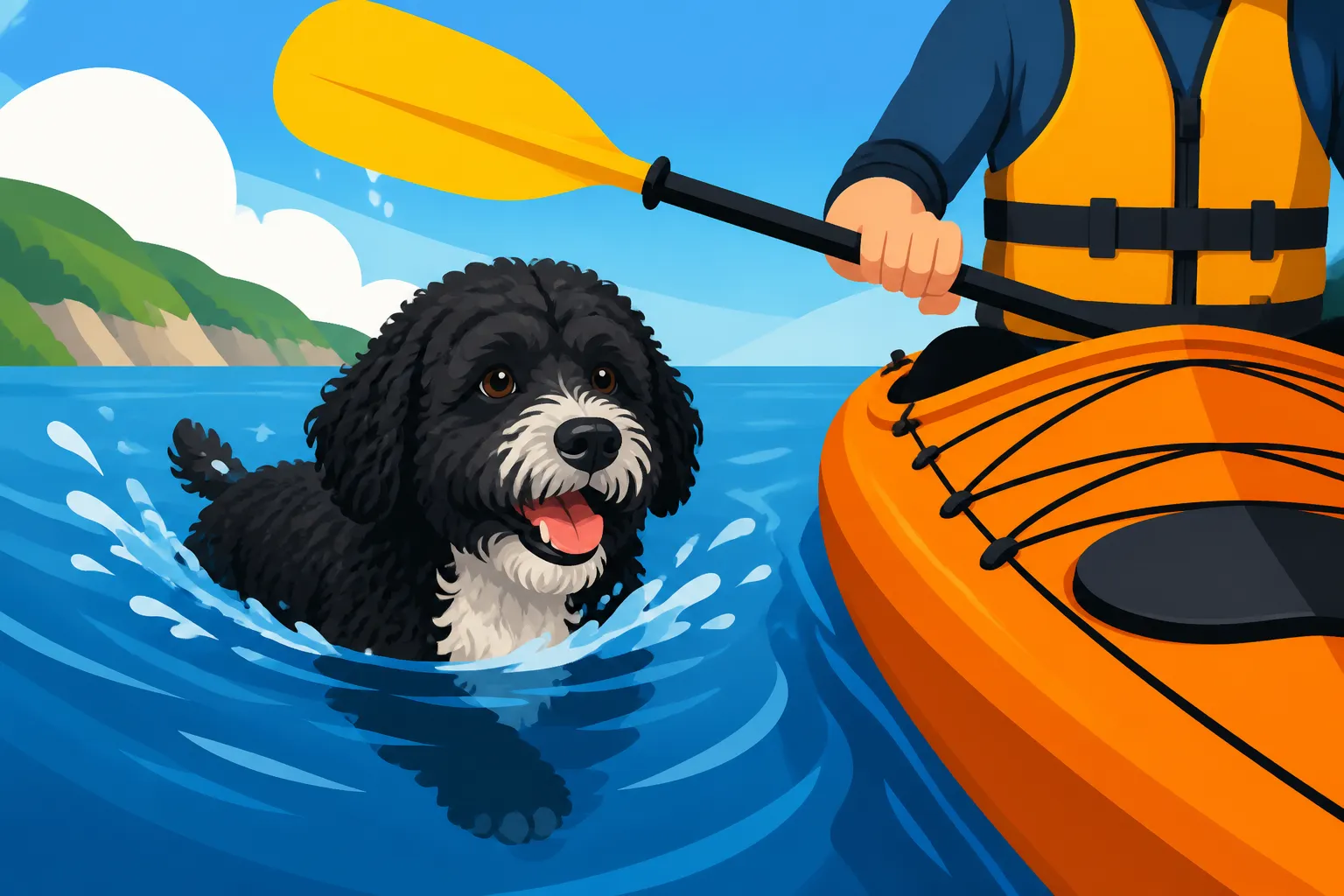
The dream of paddling serenely across a lake or a calm ocean inlet, with your beloved Portuguese Water Dog gracefully swimming alongside your kayak, is a beautiful one. Many of us with these water-loving companions envision this exact scenario. However, making that dream a reality takes a bit of preparation, careful training, and a deep understanding of your dog's capabilities and your own equipment. It’s not just about tossing them in the water; it’s about ensuring a safe, enjoyable, and harmonious experience for both of you. This guide will walk you through the essential steps and considerations to help your PWD become your perfect kayaking partner.
Laying the Groundwork: Training and Safety Essentials
Before you even think about launching your kayak with your Portuguese Water Dog, you need to ensure you’ve got a solid foundation of safety and training. It’s tempting to just get out there, especially with a breed renowned for its love of water, but cutting corners here can lead to stress, accidents, or even a lifelong aversion to kayaking. Think of this as your pre-flight checklist for canine aquatic adventures.
Essential Safety Gear for Your Water Dog
First and foremost, a properly fitted doggie life jacket is non-negotiable. Even the strongest swimmers can tire, encounter unexpected currents, or get disoriented. A life jacket provides crucial buoyancy and, perhaps most importantly, offers a sturdy handle on your dog's back, allowing you to easily lift them back into the kayak or boat if needed. You want a jacket that fits snugly but doesn't restrict movement, especially around the shoulders for full swimming motion. Look for bright colors for visibility and reflective strips if you'll be out in low light conditions. The difference between a cheap, ill-fitting vest and a quality one is immense, both in terms of your dog's comfort and your peace of mind. What a Life Jacket for a Portuguese Water Dog Costs is a small price to pay for security. You can find excellent options on Amazon, often with reviews from other dog owners who regularly hit the water.
Beyond the life jacket, consider a long, lightweight line or leash that you can use to guide your dog initially, but only if it can be easily released to prevent tangling. A waterproof first-aid kit, fresh drinking water for both of you, and perhaps a high-value, waterproof floating toy are also smart additions. Remember, your PWD's thick coat can make them prone to overheating on hot days, even in the water, so carrying plenty of water is vital.
Sharpening Core Obedience Skills for Water Work
Your Portuguese Water Dog should have a rock-solid recall before you consider taking them out on open water. Imagine your dog spotting a duck or another kayaker and deciding to investigate. Can you call them back reliably, even from a distance and with distractions? Commands like "come," "stay," and "leave it" are not just for land; they're even more critical in an environment where you have less direct control over their physical proximity. Practice these commands extensively in and around water, incrementally increasing distractions. A reliable "wait" command can be particularly useful when you're launching or landing your kayak, ensuring they don't jump out prematurely. Teaching a Portuguese Water Dog to Wait on the Bank is a skill that will serve you well, keeping everyone safe during transitions.
Developing a strong recall specifically from the water is a unique challenge. Unlike land, water offers less resistance and more enticing distractions. Start in a controlled, shallow environment where your dog is happy and confident. Use high-value rewards and enthusiastic praise when they respond. Gradually increase the distance and the level of distraction. You want their response to "come" to be automatic, regardless of what exciting things might be happening around them. This strong foundation is what allows you to confidently enjoy your time on the water, knowing you can keep your dog safe. Whether a Portuguese Water Dog Recalls Out of Water is a crucial test of their training. For comprehensive obedience training that builds a solid foundation for activities like kayaking, consider an online program like BAXTER & Bella, which can guide you through positive reinforcement techniques.
Building Water Confidence and Kayak Familiarity
While most Portuguese Water Dogs are natural swimmers, simply loving water isn't enough for safe kayaking. They need to be comfortable swimming for extended periods and have enough stamina to keep up. Start with shorter swims, gradually increasing the duration and distance. Pay attention to how far your Portuguese Water Dog can comfortably swim before showing signs of fatigue. How Far a Portuguese Water Dog Can Swim will give you an idea of their natural endurance, but every dog is an individual, and you need to build up their personal capacity.
Introduce your kayak on land first. Let your dog sniff it, investigate it, and get comfortable around it. Toss treats on and inside the kayak, making it a positive, rewarding place. Practice having them get into and out of the kayak while it's stable on solid ground. This desensitization process is crucial. You want them to view the kayak as an extension of their safe space, not a strange, wobbly object. Only once they're completely comfortable with the kayak on land should you introduce it to the water, starting in very shallow, calm areas.
Mastering the Kayak Experience with Your PWD
Once your PWD is comfortable with the kayak and has solid obedience skills, it’s time to integrate them into the actual paddling experience. This phase focuses on teaching them how to interact with the kayak, whether they’re swimming beside it or riding inside.
Graceful Entry and Exit Techniques
One of the biggest hurdles can be getting your Portuguese Water Dog into and out of the kayak smoothly. If they're clumsy, they could easily capsize a lightweight kayak or scratch it up. Start with the kayak on shore or in very shallow water. Lure your dog into the kayak with treats. Practice the command for entering and exiting, like "up" or "boat." Reward calm, controlled movements. You might need to physically assist them at first, gently guiding them in. The goal is for them to enter and exit on command, without fuss or drama, maintaining the boat's stability.
If your PWD is swimming alongside, they'll eventually need a break and may want to get back in. This is where that life jacket handle becomes invaluable. Practice lifting them in and out of the kayak from the water in a calm, controlled environment, perhaps near a dock or a shallow beach. This helps both of you understand the mechanics and build trust. Knowing you can easily get them back into the kayak if they tire will give you immense confidence for longer excursions.
The Art of Swimming Alongside on Command
This is the core skill for kayaking with a swimming Portuguese Water Dog. You want them to swim with you, not just aimlessly or far ahead. Introduce a specific command like "kayak" or "beside." Start on a very calm day in shallow water. Launch your kayak, and have your dog swim for a short distance beside you, rewarding them frequently for staying in position. Use a long, lightweight line initially if necessary, keeping it loose but ready for guidance. The key is to make it a positive experience, gradually increasing the distance and duration. Your dog should understand that swimming beside you, rather than racing off, is the rewarding behavior.
Consistency is crucial. If you're always letting them chase after ducks, they won't learn to stay with you. Reinforce the "beside" command whenever you're in the water with the kayak. Your goal is for them to understand that your kayak is their anchor, and they should maintain a respectful distance without bumping or interfering with your paddling.
Handling Water-Based Distractions and Situations
Lakes, rivers, and oceans are full of exciting smells, sights, and sounds. Other boats, wildlife like birds or fish, and even other people can be massive distractions for a curious Portuguese Water Dog. This is where your reinforced "leave it" and recall commands become critical. Practice these in increasingly distracting environments. If your dog has a strong prey drive, you might need to be extra vigilant and perhaps choose quieter paddling spots initially.
You also need to teach your PWD to be comfortable with the motion of the kayak, the sounds of your paddle, and even the occasional splash. Some dogs might be nervous at first. Keep sessions short and positive, associating these sensations with treats and praise. It’s also wise to prepare for unexpected situations, like your kayak tipping. While rare, knowing that your dog can confidently swim to shore or that you can easily retrieve them with their life jacket handle will help you react calmly.
Practicalities for an Enjoyable Kayak Adventure
Beyond the training, there are several practical considerations that can make or break your kayaking experience with your Portuguese Water Dog. Thoughtful planning ensures a smooth and fun outing for both of you.
Selecting the Right Kayak for Your Canine Companion
Not all kayaks are created equal when it comes to dog companions. If your PWD will be riding in the kayak for some of the journey or for breaks, you'll need one with enough space. Wider, more stable recreational kayaks or sit-on-tops are generally better than narrow, fast touring kayaks. The added stability will make both you and your dog feel more secure. Some owners even opt for inflatable kayaks which can be surprisingly robust and offer good stability, plus they're easy to transport. Consider the ease of entry and exit – a low freeboard (the distance from the water to the top of the boat) is ideal for dogs getting back in from the water.
If your PWD is primarily swimming, the type of kayak is less about space and more about your ability to paddle efficiently while keeping an eye on them. Still, a stable platform is always a bonus, allowing you to stop and assist your dog if needed without feeling like you're going to tip over.
Adjusting Your Paddling Style
Paddling with a dog, whether they're in the boat or swimming alongside, requires adjustments. You might find yourself paddling with one hand more often, holding a leash (if appropriate and safe) or simply using a hand signal to guide your dog. Your focus will naturally be split between your paddling and monitoring your dog. This means you might not cover ground as quickly or efficiently as you would solo, and that's perfectly okay. The goal is enjoyment, not speed records.
It's also important to be aware of your paddle strokes. Avoid splashing your dog excessively if they're close by, unless they enjoy it and it doesn't distract them from their task of swimming alongside. You want to maintain a calm, consistent rhythm that your dog can easily match.
Breaks, Hydration, and Environmental Awareness
Even the most athletic Portuguese Water Dogs need breaks. Plan your route to include spots where you can pull over, let your dog shake off, relieve themselves, and drink fresh water. Carry more water than you think you'll need, especially on warmer days. A collapsible bowl is a must-have. Don't assume your dog will drink enough from the lake or ocean; that water can contain parasites, bacteria, or high salt content that can make them sick. How Much Water a Portuguese Water Dog Drinks a Day can be significant, especially with exercise.
Always check the weather and water conditions before heading out. Strong currents, high winds, choppy water, or extreme temperatures (both hot and cold) can quickly turn a fun outing into a dangerous situation. Your Portuguese Water Dog's double coat offers insulation, but they can still get hypothermia in very cold water or overheat on a scorching day. What Temperature Water Is Too Cold for a Portuguese Water Dog is a critical piece of knowledge, as is knowing the signs of heatstroke. Be realistic about your dog's endurance and the conditions; it's always better to err on the side of caution.
Post-Adventure Care
After an exciting kayak trip, proper post-swim care is vital to keep your Portuguese Water Dog healthy and comfortable. If you've been in salt water, a thorough rinse with fresh water is essential to prevent skin irritation and matting. When a Portuguese Water Dog Should Be Rinsed After the Sea is not just good practice, it's preventative medicine. Similarly, if you've been in a chlorinated pool or a lake with questionable water quality, a rinse is a good idea.
Pay special attention to their ears. Portuguese Water Dogs are prone to ear infections due to their floppy ears and love of water, which can trap moisture. Use an ear-drying solution or gently dry the outer ear canal after every swim. Whether a Portuguese Water Dog's Ears Should Be Dried Inside can make a huge difference in preventing painful infections. Don't forget to check their paw pads for any cuts or abrasions from rocks or sharp objects in the water or along the shore. Regular nail trims are also important, as long nails can make it harder for them to grip surfaces and can even tear when scrambling ashore. How Often a Portuguese Water Dog's Nails Need Trimming is a routine part of good care.
Overcoming Common Kayaking Challenges
Even with the best preparation, you might encounter a few bumps along the watery road. Understanding these common challenges and having strategies to address them can save you a lot of frustration.
The Overzealous Water Enthusiast
Some Portuguese Water Dogs are so thrilled by the water that they become a bit too enthusiastic. They might constantly try to chase every ripple, bird, or distant boat, ignoring your commands. This isn't just annoying; it can be dangerous. The key here is prevention and consistent reinforcement. If you know your dog has a strong prey drive, choose calmer environments initially. Keep them closer to the kayak with your "beside" command. If they break position, calmly reel them back in (if using a long line) or paddle directly to them, and reset.
It's crucial that breaking away from the kayak isn't rewarding. If they chase a duck and have a grand time, they'll do it again. Instead, make staying with you the most rewarding option. High-value treats, verbal praise, or even a quick toss of a favorite floating toy after a period of good behavior can reinforce the desired action. Never punish them for being a PWD; redirect their energy and focus.
Addressing the Reluctant Water Dog
While rare for the breed, some Portuguese Water Dogs might surprisingly show reluctance towards kayaking or even swimming, despite their heritage. Perhaps a negative experience, the wobble of the kayak, or simply a personality quirk makes them hesitant. Forcing a dog into a situation they fear is counterproductive and can create lasting aversion. Instead, go back to basics. Make all interactions with the kayak and water incredibly positive.
Revisit the land-based kayak desensitization. Play games around the kayak, feed them meals near it, and reward any calm interaction. In the water, start with very shallow areas, making it a fun, low-pressure experience. Toss toys, get in with them, and make it about play, not performance. If your dog prefers to ride in the kayak rather than swim alongside, embrace it! The goal is to share the experience, not force a specific activity. If their reluctance persists, consider a professional positive reinforcement trainer for guidance. What to Do About a Portuguese Water Dog That Refuses Water can provide more insights if this becomes a persistent issue.
Managing Fatigue and Knowing When to Call It
It’s easy to get caught up in the enjoyment of a long paddle, but your Portuguese Water Dog can get tired, just like you. Signs of fatigue include lagging behind, slower strokes, a lower head carriage in the water, or repeatedly trying to climb into the kayak. Ignoring these signs can lead to exhaustion, which is a serious safety concern.
Always err on the side of caution. If your dog shows any signs of tiredness, give them a break, lift them into the kayak for a ride, or head for shore. It’s far better to end a trip a little early than to push your dog beyond their limits. Having them ride in the kayak for part of the journey is a great way to extend your time on the water without overexerting them. Remember, a tired dog is more prone to accidents and less able to respond to commands, making them more vulnerable in the water.
Troubleshooting Gear and Environmental Issues
Even the best gear can sometimes cause problems. A life jacket might chafe if it's wet and used for too long, or a leash could tangle in an unexpected way. Always carry spares or alternatives when possible. For instance, a small soft towel can help prevent chafing if you notice it early. Regular checks of your dog's paws, ears, and under their life jacket are crucial during and after your trip.
Environmental issues are also a factor. Overheating, as mentioned, is a real risk. Be mindful of hot sun on exposed skin, especially if your PWD has a lighter coat or has been recently clipped short. On the flip side, extremely cold water can also be dangerous. Always be prepared to adapt your plans based on current conditions, and never hesitate to turn back if something doesn't feel right.
| Aspect | Consideration for Kayaking with PWD | Why it Matters |
|---|---|---|
| Life Jacket Fit | Snug, non-restrictive, bright color, strong handle. | Prevents chafing, ensures buoyancy, allows easy retrieval. |
| Recall Training | Rock-solid, even with water distractions. | Essential for safety, prevents chasing wildlife or other boats. |
| Kayak Type | Stable (sit-on-top, recreational), sufficient space if riding inside, low freeboard for re-entry. | Prevents capsizing, provides comfort, makes re-entry easier. |
| Hydration | Carry ample fresh water and a collapsible bowl. | Prevents dehydration and stops consumption of potentially harmful open water. |
| Weather Conditions | Check for strong currents, high winds, extreme heat or cold. | Ensures safety, prevents hypothermia/heatstroke, enhances enjoyment. |
| Post-Swim Rinse | Rinse thoroughly with fresh water after salt, chlorine, or murky lake water. | Prevents skin irritation, matting, and removes contaminants. |
| Ear Care | Dry ears thoroughly, consider ear-drying solution. | Prevents painful ear infections common in water dogs. |
| Paw Health | Check pads for cuts, ensure nails are trimmed. | Prevents injury from underwater debris or rough terrain when landing. |
| Training Consistency | Maintain commands ("beside," "stay," "leave it") consistently in new environments. | Reinforces desired behavior, manages distractions, builds reliability. |
Kayaking with your Portuguese Water Dog can be one of the most rewarding experiences you share, deepening your bond and allowing you to enjoy their natural enthusiasm for water. With careful preparation, consistent training, and an eye on safety, you’ll be paddling happily together for years to come.
Disclaimer
This article is for general informational purposes only and does not constitute professional advice. Laws, prices and regulations vary by location and change over time. Consult a qualified professional for guidance on your specific situation.