Whether a Portuguese Water Dog Holds Still for an Ear Exam
Anyone who shares their home with a Portuguese Water Dog knows that these amazing, energetic companions come with some unique grooming and health needs. One area that often causes a lot of head-scratching, and sometimes even a wrestling match, is the dreaded ear exam. It’s frustrating when your usually cooperative dog suddenly transforms into a squirming, unhappy mess at the mere sight of an ear cleaner or the approach of your fingers. This guide is here to help you understand why PWDs can be particular about their ears and, more importantly, how to teach your beloved companion to not only tolerate but even cooperate with ear examinations, making life easier for both of you and your vet.
Understanding the Portuguese Water Dog's Ear Challenge
It's easy to feel like your PWD is being stubborn or difficult when they resist an ear exam, but often, their reaction is rooted in a combination of their unique anatomy and past experiences. Understanding these factors is the first step toward finding a solution that works.
The Anatomy That Invites Trouble
Portuguese Water Dogs possess a beautiful, dense coat that extends right into their ear canals, and those lovely drop ears, while endearing, unfortunately create a warm, moist environment that is a perfect breeding ground for bacteria and yeast. This combination means that PWDs are inherently more prone to ear infections and buildup than breeds with open, upright ears. A PWD’s ear canal is also L-shaped, which can trap debris and moisture deep inside, making it harder for natural cleaning mechanisms to work and often requiring more diligent owner intervention.
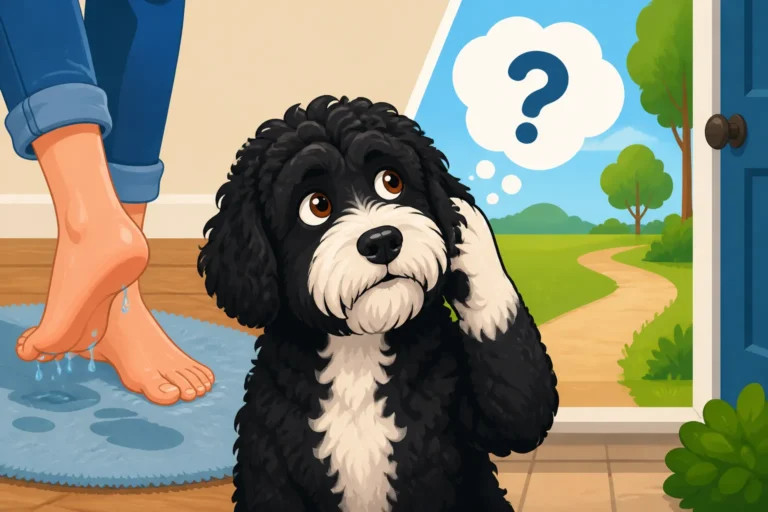
Because their ears are naturally predisposed to issues, they can become a sensitive area for many PWDs. If a dog has ever experienced an ear infection, even a mild one, they might associate any touch near their ears with pain or discomfort. This lingering memory can make them wary, even when their ears are perfectly healthy. It's not about being "bad"; it's about self-preservation, stemming from an instinct to protect a potentially vulnerable or previously painful area. You might notice they shake their head a lot, or paw at their ears, which are clear signs that something might be brewing. For more on this, you might find Whether a Portuguese Water Dog Gets Ear Infections helpful.
Early Experiences Matter
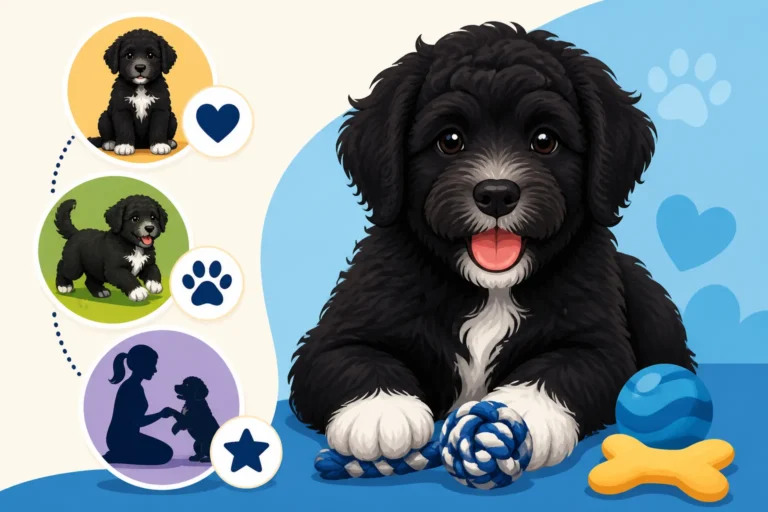
Just like with us, a dog's early experiences shape their perceptions and reactions. A Portuguese Water Dog puppy that has been regularly and gently handled, with positive associations linked to ear checks, is far more likely to tolerate them as an adult. Conversely, a puppy that hasn't had much ear handling, or worse, has had painful or stressful ear experiences early on, will understandably be resistant. Think about it from their perspective: if the only time someone touches your ear is when it hurts, you'd probably flinch too!
Many PWDs are active dogs, often swimming and playing outdoors. While fantastic for their physical and mental well-being, this also means their ears are exposed to water, dirt, and foreign bodies more often. If drying and cleaning routines aren't established early and consistently, these healthy activities can inadvertently lead to ear problems, which in turn reinforces a negative association with ear handling. Establishing a good routine from puppyhood, even just a quick daily peek and gentle rub, can make a world of difference. Consider reading The First Year With a Portuguese Water Dog Puppy for broader tips on early training.
Building a Foundation of Trust for Ear Handling
The key to getting your Portuguese Water Dog to hold still for an ear exam isn't force; it's trust, patience, and positive reinforcement. We want them to view ear handling as a pleasant or, at the very least, neutral experience, not something to dread.
Desensitization and Counter-Conditioning
This sounds fancy, but it simply means gradually introducing ear touches while making sure really good things happen. Start incredibly small, perhaps just touching their shoulder, then their neck, slowly moving closer to the ear. Each touch should be followed immediately by a high-value treat, like a piece of cooked chicken or cheese. The goal is to change their emotional response from apprehension to anticipation.
As they become comfortable with one level of touch, you can progress to the next. This could mean a quick stroke on the outside of the ear, then lifting the ear flap, then briefly peering inside. Always go at your dog's pace. If they show any signs of discomfort—a head turn, a lip lick, a slight pull back—you've gone too fast. Go back to the last step where they were comfortable and try again, but with an even shorter duration or gentler touch. Consistency is paramount here. Even a few seconds, several times a day, is more effective than one long, stressful session once a week. You might even integrate a structured program like those offered by BAXTER & Bella, which often incorporate cooperative care techniques from a young age.
Here’s a breakdown of the desensitization process:
| Step | Action | Reward & Goal |
|---|---|---|
| Phase 1: Gentle Touch | Touch shoulder, then neck, then top of head. | Instant high-value treat. Goal: Dog associates touch with positive outcome. |
| Phase 2: Outer Ear | Gently stroke outside of ear flap. | Instant high-value treat. Goal: Dog accepts light ear touch without tension. |
| Phase 3: Lifting the Flap | Briefly lift the ear flap. Hold for 1 second. | Instant high-value treat. Goal: Dog allows ear flap to be moved. |
| Phase 4: Inner Ear Peek | Lift flap and briefly, gently peek into the ear canal. | Instant high-value treat. Goal: Dog tolerates quick visual inspection. |
| Phase 5: Gentle Massage/Wipe | Gently massage the base of the ear or briefly touch inside with a cotton ball. | Instant high-value treat. Goal: Dog accepts light contact inside the ear. |
| Phase 6: Holding Still Longer | Gradually increase duration of each step. | Generous treats throughout the longer hold. Goal: Dog maintains position for a few seconds during inspection/cleaning. |
Remember to keep sessions short and positive. Always end on a good note, even if it means doing a much easier step. This builds a positive association with the process overall.
Positive Reinforcement is Key
When it comes to ear handling, rewards are your best friends. Every single time your PWD allows even the slightest positive interaction with their ears, they should be praised lavishly and rewarded with a treat they absolutely adore. This isn't about bribing them; it's about creating a clear communication system: "You let me touch your ear, and wonderful things happen!"
You can also incorporate a "settle" or "chin rest" cue, where your dog learns to rest their head on your lap or a comfortable surface while you work. This gives them a job and can make them feel more secure. Over time, you might introduce a special ear-checking mat or towel, so they associate that specific item with calm ear care. The goal is to make ear checks a predictable, positive ritual rather than a surprise invasion of privacy. For tips on ear cleaning itself, you can learn What to Clean a Portuguese Water Dog's Ears With.
Practical Strategies for a Successful Ear Exam
Even with a solid foundation of trust, the actual ear exam can still be a challenge. Having a plan and the right approach can make all the difference, especially when you need to check for signs of infection or just perform routine cleaning.
Setting the Right Environment
Before you even start, choose a quiet, calm space where your PWD feels safe and comfortable, free from distractions. A slippery bathroom floor or a busy living room with kids running around isn't ideal. A sturdy grooming table can be incredibly useful, especially for a larger PWD, as it positions them at a comfortable height for you and can help define the "work zone." However, even a non-slip mat on the floor can work. Make sure you have all your supplies ready beforehand: treats, ear cleaner, cotton balls, and a good light source if needed. There's nothing worse than having to stop midway to grab something, breaking your dog's focus and patience.
Think about the timing too. Don't attempt an ear exam right after an exciting game of fetch or when your dog is over-tired. A relaxed dog is a cooperative dog. A good time might be after a long walk when they are mellow, or perhaps during a quiet evening snuggle session. If you’re preparing for a vet visit where an ear exam is likely, practice your gentle handling just before you leave for the clinic. This consistent setup will help your PWD understand what's expected of them.
Tools and Techniques for Examination
When it's time for the actual exam, your technique matters. Be confident, but gentle. Avoid hovering or being tentative, as dogs can pick up on your anxiety.
- Start with praise and treats: Even before you touch the ear, reward your dog for simply being in position.
- Lift the ear flap gently: Use your thumb to hold the flap up and back, allowing you to see into the ear canal. For a PWD, you might need to part some of the hair.
- Visual inspection: Look for redness, swelling, discharge (wax, pus), or any foreign objects. A healthy ear canal should be pale pink and relatively clean.
- Sniff test: Gently smell the ear. A healthy ear has little to no odor. A yeasty, sweet, or foul smell is a red flag.
- Gentle palpation: Very carefully, gently feel around the base of the ear for any warmth, swelling, or pain reaction.
- Use a good light source: A small penlight or even your phone's flashlight can help you get a clearer view inside the canal. You can find excellent, inexpensive options on Amazon that are perfect for this.
Remember, the goal is a quick, efficient, and positive experience. If you spot signs of an infection (excessive redness, discharge, strong odor, pain), resist the urge to vigorously clean it yourself, as you could cause more irritation. At that point, it’s time to call your vet.
Seeking Professional Guidance
Sometimes, despite your best efforts, your PWD might still be too resistant or their ears too painful to examine properly at home. This is completely normal and not a failure on your part. Your veterinarian or a professional groomer experienced with PWDs can be invaluable resources.
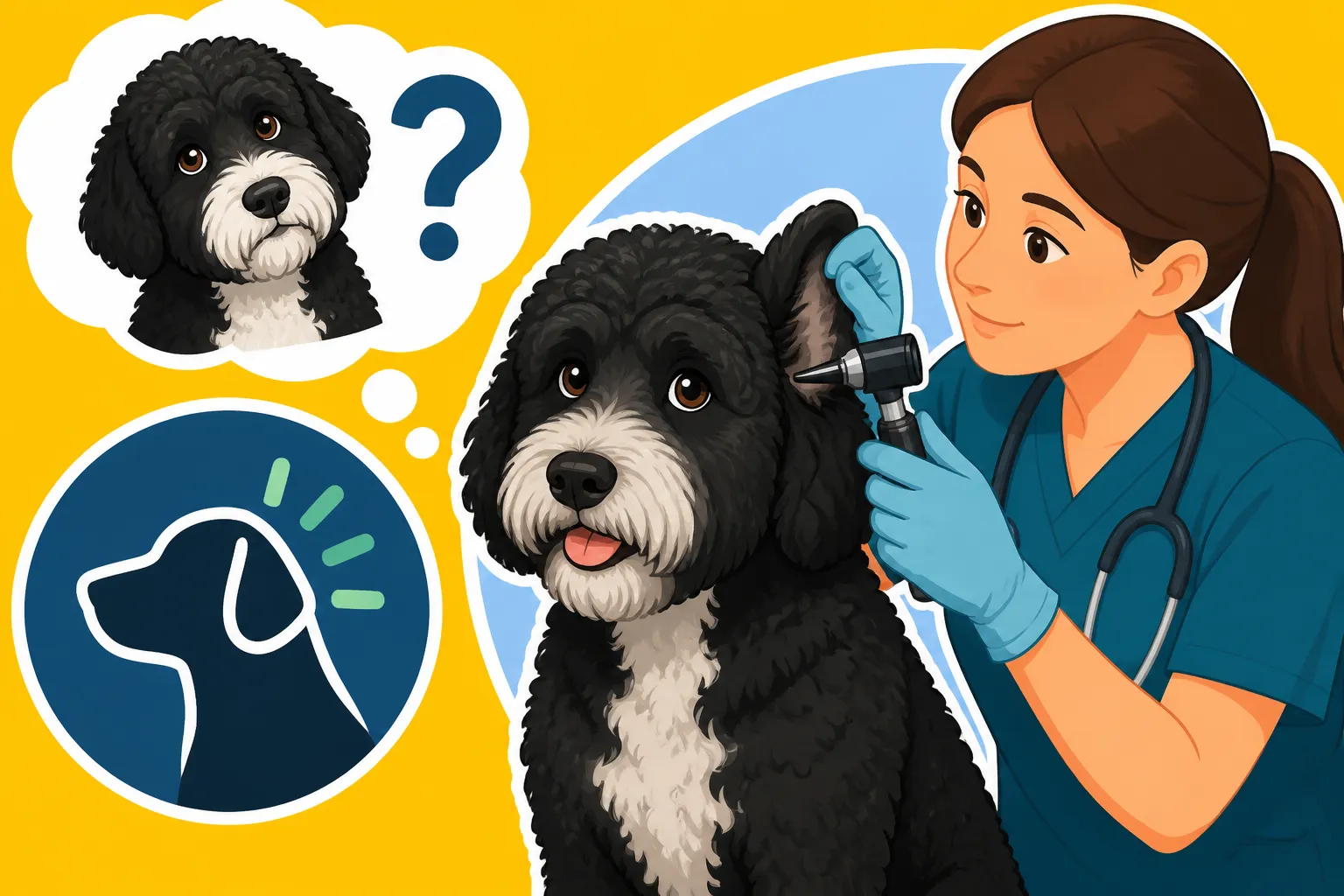
Veterinarians can not only diagnose and treat ear infections but also offer practical advice on handling techniques. They can demonstrate how to hold your dog, how to clean the ears effectively, and provide guidance on desensitization. If the ears are very painful, your vet might prescribe medication to reduce inflammation before you attempt cleaning. For cases of severe resistance, a vet might perform the exam under sedation to ensure thoroughness and minimize stress for your dog. A good groomer, especially one who understands the unique coat and ear care needs of a Portuguese Water Dog, can also help maintain ear hygiene between vet visits and offer tips on making the experience more comfortable. They can also advise on Whether a Portuguese Water Dog's Ear Hair Should Be Removed.
Preventing Ear Issues and Maintaining Compliance
The best defense is a good offense, and that holds true for Portuguese Water Dog ear health. Regular, proactive care not only keeps their ears healthy but also reinforces their tolerance for handling.
Regular Maintenance Routines
Because PWDs are prone to ear issues, establishing a consistent weekly or bi-weekly ear cleaning routine is crucial, especially if your dog loves to swim. Moisture is the enemy inside their ear canals! After every swim or bath, thoroughly dry their ears, both the outer flap and as much of the canal as you can reach with a cotton ball or soft cloth. An ear-drying solution, often available at pet stores or from your vet, can be a great addition to this post-swim routine.
Beyond drying, regularly checking and cleaning their ears helps prevent buildup and allows you to catch potential problems early. Use a veterinarian-approved ear cleaner—there are many gentle, effective options available, and a quick search on Amazon will show you a variety of choices. Avoid cotton swabs, as these can push debris further into the ear canal. Instead, stick to cotton balls or gauze pads. A consistent schedule, perhaps making it a part of your weekly grooming session (which PWDs need plenty of!), will help your dog anticipate and accept it. For more detailed instructions on cleaning, you can refer to Why a Portuguese Water Dog's Ears Need Checking Every Week.
Recognizing Signs of Trouble Early
The quicker you identify an impending ear problem, the easier it is to treat and the less discomfort your PWD will experience, which in turn helps maintain their cooperation for future exams. Keep an eye out for these common red flags:
- Excessive head shaking or scratching at the ears: This is often the first sign of irritation.
- Redness or swelling: A healthy ear is pale pink.
- Discharge: Look for dark brown, waxy buildup; yellow, pus-like discharge; or a crusty residue.
- Unpleasant odor: A strong, sweet, or foul smell is a definite sign of infection.
- Pain or sensitivity: If your dog cries out, flinches, or guards their head when you touch their ears.
- Limping or balance issues: In severe inner ear infections, dogs can develop a head tilt or lose their balance.
If you notice any of these signs, it's time for a trip to the vet. Timely intervention can prevent a minor irritation from escalating into a painful, chronic infection that makes future ear handling a nightmare. Remember, a dog that has learned to trust you with their ears will be much more cooperative, even when they're not feeling 100%. Maintaining this trust means being vigilant and proactive about their ear health.
Disclaimer
This article is for general informational purposes only and does not constitute professional advice. Laws, prices and regulations vary by location and change over time. Consult a qualified professional for guidance on your specific situation.