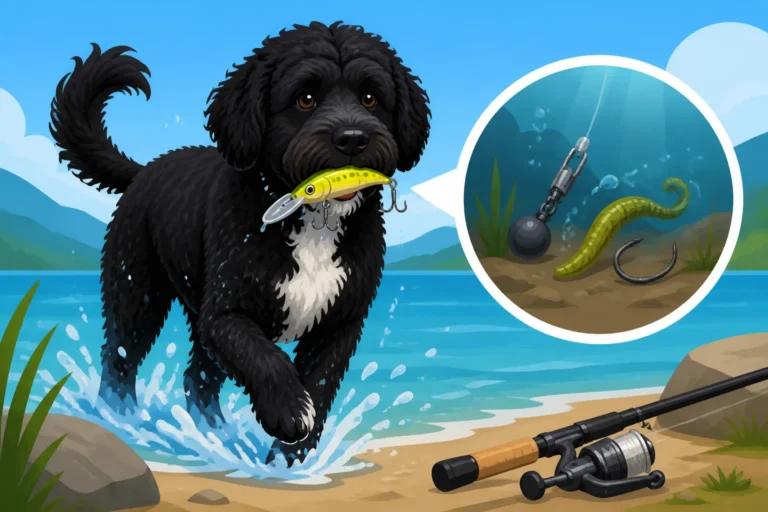
Why a Portuguese Water Dog Needs a Job
It’s a common scenario: you’ve fallen in love with the Portuguese Water Dog’s charming looks, the stories of their intelligence, and the promise of a non-shedding companion. But once that adorable, energetic puppy comes home, many new owners quickly discover that these aren't just pretty faces. A Portuguese Water Dog thrives on having a purpose, a "job," and without it, their incredible intelligence and boundless energy can quickly turn into frustrating, even destructive, behaviors. This guide is here to help you understand why your PWD needs to work and how to channel that innate drive into a happy, well-adjusted life for both of you.
The Historical Imperative: A Dog Built for Work
To truly understand why your Portuguese Water Dog needs a job, you have to look back at their history. These aren't dogs bred for dainty laps or quiet strolls in the park; they were bred for the rough, demanding life of a fisherman's companion along the coasts of Portugal. Every fiber of their being, from their webbed feet to their keen intellect, was designed for active service.
Origins as a Fisherman's Companion
Imagine the bustling fishing boats off the coast of the Algarve, centuries ago. That’s where the Portuguese Water Dog earned its keep. They weren’t just passengers; they were integral crew members. Their daily tasks were varied and vital for the fishermen's livelihood. They would retrieve broken nets, dive into the icy waters to recover lost gear, and even act as swimming messengers between boats. This wasn't just about fetching; it was about critical thinking, problem-solving in dynamic environments, and a deep partnership with their human counterparts. Their lives depended on their ability to perform under pressure, making split-second decisions in the waves. If you want to dive deeper into their past, explore The Portuguese Water Dog Worked the Algarve Fishing Fleet.
More Than Just a Retriever
While retrieving was a big part of their role, it wasn't the sum total of their work. These dogs were also known for herding fish into nets – a task that required strategy, agility, and a strong understanding of their environment and the fishermen's cues. They had to be quick-witted, adaptable, and incredibly responsive, often working independently far from the boat. This level of engagement demanded a highly intelligent dog with a strong will and an independent streak, capable of figuring things out on their own when necessary. This independent thinking, combined with their loyalty, is what makes them such a captivating, yet sometimes challenging, breed today. Understanding How a Portuguese Water Dog Worked a Net really puts their historical purpose into perspective.
The Ramifications of an Unemployed PWD
When you bring a dog with such a strong working heritage into a modern home without providing adequate mental and physical outlets, you're essentially asking a super-athlete to sit on the couch all day. It’s no surprise that this often leads to a host of behavioral problems. These aren't "bad" dogs; they are simply unfulfilled dogs trying to find a way to express their natural drives.
Destructive Chewing and Mouthing
One of the most common complaints from PWD owners is destructive chewing and incessant mouthing. Remember, these dogs were bred to use their mouths. They retrieved heavy ropes, brought in fish, and held onto gear. Their oral fixation is deeply ingrained. If they aren't given appropriate objects to carry, retrieve, and chew as part of a "job," they will find their own targets. That often means your furniture, shoes, remote controls, or anything else they can get their paws and teeth on. It’s not malice; it's instinct. It truly goes back to Why a Portuguese Water Dog Puts Everything in Its Mouth. They need to do something with that mouth, and if you don't give them a productive outlet, they'll create one for themselves.
Excessive Barking and Anxiety
Another hallmark of a bored or under-stimulated Portuguese Water Dog is excessive barking. They are alert and vocal dogs by nature, but when they don't have enough to occupy their minds and bodies, that natural tendency can escalate into nuisance barking. They might bark at every leaf blowing past the window, every person walking by, or simply out of sheer frustration and boredom. This constant state of vigilance and arousal can also lead to anxiety. You might see pacing, shadow chasing, or even resource guarding as they try to manage their unspent energy and mental tension. It's a clear sign that their mental coffers are empty and they're looking for stimulation any way they can get it. If you're wondering what kind of trouble they can get into, you might want to read What an Under Exercised Portuguese Water Dog Does.
Defining "Work" for the Modern Portuguese Water Dog
So, what does a "job" look like for a Portuguese Water Dog living in a twenty-first-century home? It's certainly not about throwing them onto a fishing boat (unless you happen to own one!). Instead, it's about providing structured activities that engage their formidable intelligence, their physical prowess, and their strong desire to partner with you.
Beyond Basic Obedience
While basic obedience is crucial for any well-behaved dog, for a Portuguese Water Dog, "sit," "stay," and "come" are just the appetizers. They are smart dogs and will master these commands quickly, often becoming bored if that's all they're asked to do. A PWD needs more complex tasks that challenge their problem-solving abilities and require sustained focus. Think about advanced obedience exercises, rally, or even trick training. These activities force them to think, interpret cues, and sequence behaviors, which is far more fulfilling than simply repeating the same simple command over and over. They need to feel like they're contributing, like they have a valuable role to play.
Water Sports and Their Natural Aptitude
This one is almost a no-brainer for a breed with "Water Dog" in its name! Water sports are often the most natural and fulfilling outlet for a Portuguese Water Dog's historical drive. Activities like Dock Diving and Water Trials With a Portuguese Water Dog allow them to use their powerful swimming abilities, their strong retrieving instincts, and their desire to work in partnership with a handler. Whether it's leaping off a dock after a toy or following complex commands to retrieve articles from the water, these activities tap into their genetic blueprint. They feel incredibly satisfied when they're wet, working, and getting to use their full physical and mental capabilities. If you want to know more about their working history, check out What a Portuguese Water Dog Was Bred to Do on a Boat.
Brain Games and Problem Solving
Even if you don't have access to open water, there are countless ways to provide mental stimulation. Puzzle toys, especially interactive ones that require manipulation to dispense treats, can keep their minds engaged. Scent work, where they learn to find hidden treats or specific odors, is another fantastic "job" that taps into their powerful noses and innate hunting drive. Agility training, flyball, or even complex obstacle courses in your backyard can provide both mental and physical challenges. Remember, for a Portuguese Water Dog, the process of figuring something out is often as rewarding as the treat itself. You can find a huge variety of these types of enrichment tools on sites like Amazon, making it easy to rotate options and keep things fresh.
Here's a quick comparison of different "jobs" your PWD might enjoy:
| Job Type | Activity Level | Mental Engagement | Equipment Needed | Best For… |
|---|---|---|---|---|
| Dock Diving/Water Trials | High | Medium-High | Life jacket, retrieve toys, access to water | Natural water lovers, strong retrievers, high energy dogs |
| Agility | High | High | Jumps, tunnels, weaves, A-frame (or DIY) | Energetic, quick-thinking dogs, builds confidence |
| Scent Work | Low-Medium | High | Specific odors, boxes, hides, treats | Any age, quieter energy, builds focus and independence |
| Rally Obedience | Medium | High | Leash, treats, signs, cones (or DIY) | Builds teamwork, obedience, and attention |
| Puzzle Toys | Low-Medium | Medium-High | Variety of interactive toys | Any dog, especially good for quiet time or bad weather |
| Trick Training | Low-Medium | High | Treats, clicker, creative ideas | Builds bond, confidence, flexible and fun for all ages |
Integrating a Job into Daily Life
Understanding what a job looks like is one thing, but consistently integrating it into your daily routine is another. It doesn't mean every moment has to be a formal training session, but it does mean being mindful of opportunities to engage your PWD’s working brain.
Structured Training Sessions
Consistency is key. Aim for several short, focused training sessions throughout the day rather than one long, overwhelming one. Fifteen minutes in the morning, another ten at lunchtime, and twenty in the evening can be far more effective than an hour-long session once a day. These sessions could involve practicing advanced obedience commands, working on a new trick, or doing a short scent-work exercise. Use positive reinforcement, keep it fun, and always end on a high note. Think of these as their "shift" – a dedicated time where they know they're expected to work their brains. For those looking for structured guidance, programs like BAXTER & Bella offer comprehensive online training that can help you design and implement these sessions effectively.
Daily Enrichment and Engagement
Beyond formal training, look for ways to weave "jobs" into your everyday life. Does your PWD love to carry things? Let them "help" bring in the mail or retrieve specific toys. Hide their kibble in various places around the house or yard for them to "hunt" rather than just putting it in a bowl. Use meal times as a chance for mental work by stuffing a Kong or using a slow feeder puzzle. Take them on walks where they can sniff and explore new environments, rather than just marching in a straight line. Even simple games of "find it" with a favorite toy can be a mini-job that keeps their mind sharp. These small, consistent efforts add up and make a huge difference in their overall contentment. For a wider view on daily needs, consider What a Portuguese Water Dog Needs Every Day.
The Benefits of a Busy, Fulfilled Portuguese Water Dog
Putting in the effort to provide your Portuguese Water Dog with a job isn't just about preventing bad behavior; it’s about unlocking the best version of your dog. The rewards for both of you are immense and long-lasting.
A Happier, Calmer Companion
A PWD that has regular mental and physical stimulation is a dog that is much more likely to be calm and content in the home. When their innate drives are satisfied, they are less likely to seek out destructive ways to entertain themselves. Instead of chewing your furniture or barking incessantly, they'll be more inclined to settle down, rest, and enjoy quiet time with the family. Their confidence grows, and their bond with you deepens because you are meeting their fundamental needs. This leads to a harmonious household where everyone can relax and enjoy each other's company. They become the joyful, intelligent companions they were always meant to be.
Enhanced Mental and Physical Health
Just like humans, dogs need to keep their brains active to maintain cognitive function as they age. Providing a "job" throughout their lives helps keep their minds sharp, potentially delaying cognitive decline. The physical activity involved in many of these jobs, particularly water sports or agility, also contributes significantly to their overall health and fitness. Strong muscles, healthy joints, and a robust cardiovascular system are all benefits of an active lifestyle. A well-exercised and mentally stimulated PWD is a healthier PWD, which can contribute to a longer, more vibrant life. You want your dog to enjoy The Twelve to Fifteen Years a Portuguese Water Dog Gets to the fullest, and giving them a purpose is a huge part of that. Knowing How Long a Portuguese Water Dog Lives on Average can inspire you to prioritize their well-being.
Overcoming Common Obstacles
We all lead busy lives, and sometimes the idea of adding more "tasks" to our day, even for our beloved dogs, can feel overwhelming. However, many common obstacles to providing a PWD with a job can be overcome with a little planning and creativity.
Time Constraints and Busy Schedules
One of the biggest hurdles for many owners is simply finding the time. If you work long hours, consider hiring a dog walker who does more than just a quick potty break. Look for services that offer structured playtime, sniffaris, or even short training sessions. Doggy daycare can also be an option, but be sure to choose one that provides mental engagement and not just free-for-all play. Puzzle toys, as mentioned, are great for independent engagement while you’re busy. Even spending a few minutes playing a focused game of fetch or tug in the living room can make a difference. The key is quality engagement over sheer quantity. While PWDs are tenacious, it's wise to consider How Many Hours a Week a Portuguese Water Dog Really Takes before committing to the breed.
Finding the Right Fit for Your Dog
Not every Portuguese Water Dog will be a dock diving champion, and that’s perfectly okay! Just like people, individual dogs have preferences and aptitudes. Some might adore scent work, while others live for agility. Some might be natural therapy dogs, thriving on the interaction and gentle work of visiting hospitals or nursing homes. It might take a bit of trial and error to discover what truly lights up your particular PWD. Don't force them into an activity they don't enjoy, as that can be counterproductive. Observe what excites them, what they naturally gravitate towards, and explore those avenues. The goal is enjoyment and fulfillment, not necessarily ribbons and titles, although those are a fun bonus if they come!
Disclaimer
This article is for general informational purposes only and does not constitute professional advice. Laws, prices and regulations vary by location and change over time. Consult a qualified professional for guidance on your specific situation.