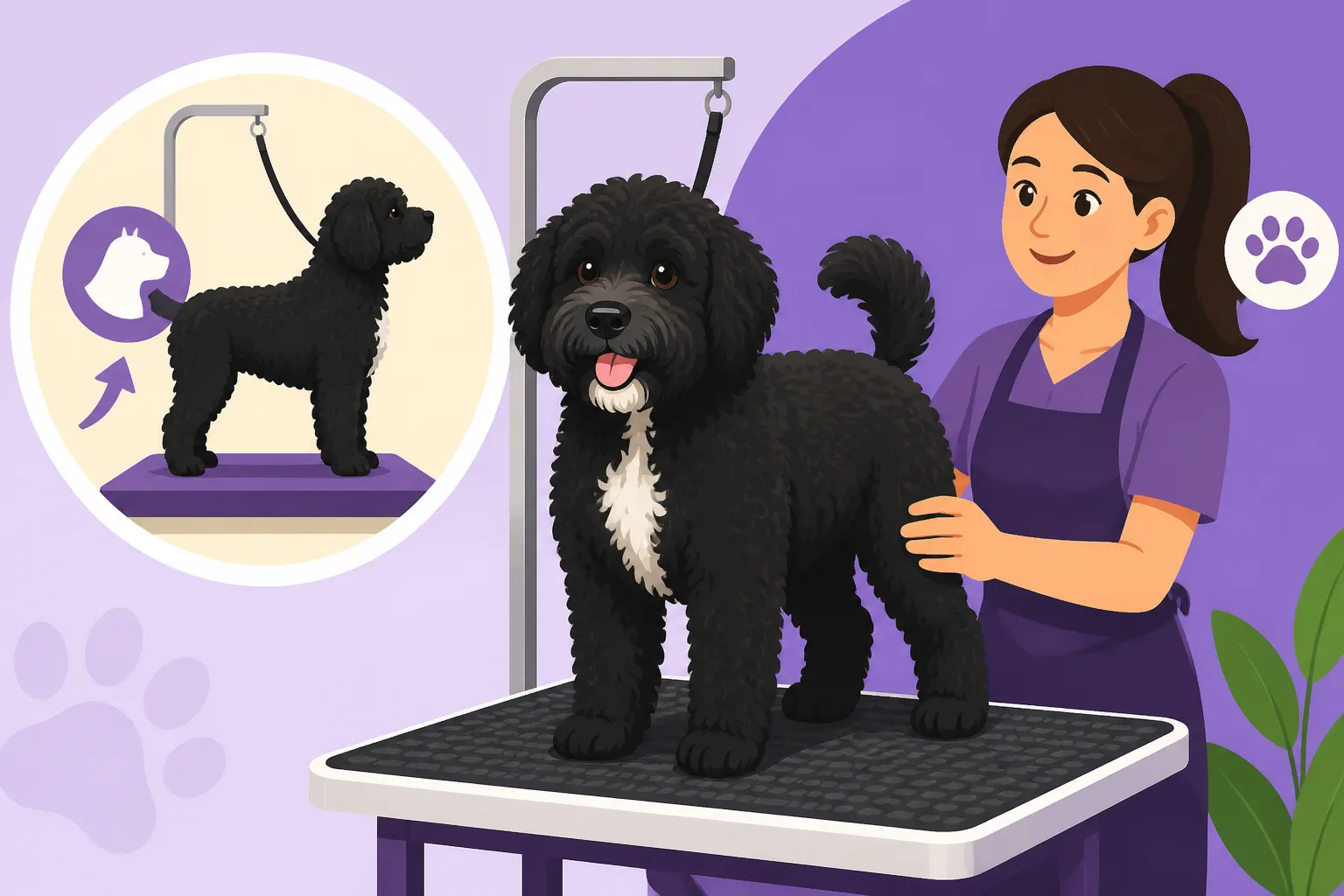
Teaching a Portuguese Water Dog to Stand for Grooming
Getting your spirited Portuguese Water Dog to stand patiently for grooming can feel like trying to braid a waterfall – challenging, wet, and often ending in a delightful mess. Many owners find themselves frustrated, battling a wiggly dog who’s far more interested in playing than posing for a brush-out. This guide is here to walk you through a positive, step-by-step approach to teaching your Portuguese Water Dog to happily tolerate, and even enjoy, their grooming sessions, transforming a chore into a bonding experience.
Why Standing Still for Grooming is Such a Challenge
Let's be real: nobody wants to stand still when there's an entire world to explore, especially not an intelligent, high-energy breed like the Portuguese Water Dog. They are working dogs, bred for activity and independent thought, not for passive compliance. This innate drive is fantastic in the water or during a training session where they're actively engaged, but it can be a real headache when you're trying to untangle a mat behind their ear.
Their rich, dense, single coat, whether curly or wavy, is a marvel, but it's also a magnet for debris and mats. If they haven't been properly introduced to grooming from a young age, the sensation of brushing, combing, or even the sound of clippers can be startling or uncomfortable. Imagine someone grabbing at your hair and pulling every day – you wouldn't be thrilled either! It’s not that they’re being stubborn; often, it’s a lack of positive association, an underlying discomfort, or simply that their natural instincts haven't been redirected towards standing calmly. The feeling of being restrained, even gently, can trigger their urge to escape or wiggle, which is a perfectly normal dog reaction.
Setting the Stage for Successful Grooming Sessions
Before you even pick up a brush, you need to think about creating an environment where your Portuguese Water Dog feels safe, comfortable, and rewarded. This isn't just about the tools; it's about the entire atmosphere. Your goal is to make grooming a positive experience, not a wrestling match.
Creating a Calm and Positive Environment
The first thing to consider is where you'll be grooming. A chaotic, noisy room is only going to amp up your dog's anxiety. Choose a quiet space in your home where distractions are minimal. This could be a laundry room, a quiet corner of the kitchen, or even a dedicated grooming area if you have one. Ensure good lighting so you can clearly see what you're doing. Some owners find that having a dedicated grooming table helps immensely. It raises your dog to a comfortable working height, saving your back, and often puts the dog in a "work" mindset, as they learn that the table means grooming time. You can find durable, non-slip grooming tables on platforms like Amazon that will be a game-changer for consistency and comfort for both you and your dog.
Think about the surfaces. A slippery floor can make your dog feel insecure, leading to more wiggling. Place a non-slip mat or a bath towel on your grooming surface to provide better traction. Soft, soothing music or a white noise machine can also help to mask jarring household sounds and create a more serene ambiance. Remember, a calm owner begets a calm dog, so take a deep breath yourself before you begin.
Gathering the Right Tools and Treats
Having all your supplies ready before you bring your dog to the grooming area is crucial. Fumbling around for clippers or a comb while your dog is already impatient will only make things worse. For a Portuguese Water Dog, you’ll need a good quality slicker brush that can reach their skin, a sturdy metal comb for checking for mats, blunt-nosed scissors for trimming around sensitive areas, and potentially clippers with various blade sizes. You might also want a force dryer, which is incredibly efficient for drying their dense coat after a swim and preventing mats. What a Force Dryer Does for a Portuguese Water Dog is a great read if you're curious about adding one to your grooming kit.
But tools aren't just for grooming; they're also for training. High-value treats are your best friends here. These aren't kibble; these are tiny, incredibly delicious, easy-to-swallow treats that your dog absolutely adores. Think small pieces of cheese, cooked chicken, or specialized training treats. The idea is to associate the grooming tools and process with something wonderful. You'll also need a leash or grooming arm with a secure loop to keep your dog safely on the table, not for punishment, but for gentle guidance and safety. Remember to keep sessions short, especially in the beginning – five to ten minutes is perfect. It's better to end on a positive note, even if you've only accomplished a small section, than to push too far and create a negative experience. You might also want to check out What Home Grooming Equipment Costs for a Portuguese Water Dog for a full breakdown of essential items.
Step-by-Step Training for Standing Still
Now that you've got your setup and supplies, it's time to actually start teaching. This isn't a race; it's a marathon of tiny, positive steps. Patience and consistency are your greatest allies.
Introducing the Grooming Space and Tools
Start by simply getting your dog comfortable with the grooming area and equipment without any actual grooming happening. Bring them to the designated spot, praise them for being there, and give them a treat. Let them explore the grooming table – if they're hesitant, just standing near it and getting a treat is a win. Then, introduce the tools. Let them sniff the brush, the comb, and even the clippers (while off). Each time they show curiosity or calm indifference, reward them with a treat. Don't force interaction; let them come to you.
Once they're okay with the sight and smell, start with very light, gentle touches with the brush. Just a single stroke, immediately followed by a treat and praise. Repeat this many times. The goal is to build a positive association: "Brush touches me, I get a delicious treat!" Gradually increase the number of strokes, always stopping before your dog gets anxious or tries to move away. This initial desensitization is critical, especially for a breed as sensitive and intelligent as the Portuguese Water Dog. If you've got a young puppy, starting this process early is invaluable; even BAXTER & Bella, an online puppy school, emphasizes early positive handling experiences for lifelong confidence.
The "Stand" Command and Positive Reinforcement
Once your dog is comfortable with brief touches from the brush, you can start working on the "stand" command. Lure your dog into a standing position with a treat, moving it from their nose over their head and back towards their tail. As soon as all four paws are on the ground in a standing posture, say "Stand," praise, and immediately give the treat. Release them from the stand after a second or two. Repeat this frequently, keeping it fun and quick.
Gradually increase the duration they remain in the stand before getting the treat. Start with just a couple of seconds, then three, then five, and so on. During these brief stands, you can introduce a light touch of the brush, still rewarding for the stand itself. The key is to associate the "stand" command with calm stillness and, of course, delicious rewards. If your dog breaks the stand, simply reset and try again without punishment. We want to reinforce the desired behavior, not scold the unwanted one. Consistency here will pay dividends, as it teaches your dog How Trainable a Portuguese Water Dog Is when motivated correctly.
Progressing to Full Grooming Sessions
As your dog becomes more reliable with the "stand" command and comfortable with the grooming tools, you can start incorporating actual grooming tasks. Begin with brushing, doing a small section, then rewarding, then another small section. For example, brush a patch on their shoulder, treat. Brush another patch, treat. As they tolerate more, you can gradually increase the size of the area you groom before rewarding, and extend the duration of the entire session. How Often a Portuguese Water Dog Needs Brushing is a good guide to understand the frequency required.
Remember to take breaks if your dog starts to get restless. A short walk, a quick game of fetch, or even just stepping away from the grooming table for a minute can help reset their focus. Work on different body parts separately. Many dogs are sensitive about their paws, face, or tail. Tackle these areas with extra patience and high-value treats. The sound of clippers can be particularly alarming; introduce them turned off, then on at a distance, gradually moving closer, always pairing with treats. This slow, steady approach is critical to preventing fear and building trust. Over time, these consistent positive experiences will make grooming a routine part of your dog's life, rather than a dreaded chore. Just like learning to retrieve, which is innate, learning to stand still for grooming is a learned skill that comes with dedicated practice and positive reinforcement. Which Other Sports Suit a Portuguese Water Dog also discusses the importance of engagement and focus that can translate to grooming patience.
Here’s a helpful breakdown of the training progression:
| Stage | Goal | Action | Reward | Duration |
|---|---|---|---|---|
| 1. Acclimatization | Positive association with grooming space & tools | Bring dog to space, let sniff tools; single gentle touch with brush | High-value treats, verbal praise | 5 minutes, 2-3 times/day |
| 2. Stand Introduction | Dog holds "stand" for short periods | Lure to stand, say "Stand," praise & treat; release | High-value treats, verbal praise | 5-10 minutes, 1-2 times/day |
| 3. Combining Touches | Dog stands while being touched with brush | While standing, perform short brush strokes (1-3), then treat | High-value treats, verbal praise | 10 minutes, daily |
| 4. Extending Duration | Dog stands for longer periods of grooming | Gradually increase number of strokes/area brushed before treating | High-value treats, verbal praise | 10-15 minutes, daily |
| 5. Introducing Clippers | Dog tolerates clipper sound & vibration | Clippers off, then on at distance, then closer, always treat | High-value treats, verbal praise | 5 minutes, 1-2 times/day |
| 6. Full Session Practice | Dog calmly tolerates full grooming session | Groom small sections, reward; take breaks as needed | Treats & praise throughout | 15-30 minutes, 2-3 times/week |
Troubleshooting Common Grooming Challenges
Even with the best intentions and a positive approach, you're bound to run into some bumps on the grooming road. Portuguese Water Dogs are clever and can test your limits! But don't despair; most challenges can be overcome with patience, consistency, and a little creative problem-solving.
Dealing with Wiggling and Resistance
The most common issue is, of course, the wiggle monster. If your Portuguese Water Dog constantly tries to sit, lie down, or just plain escape, it's a sign that the session is either too long, they're uncomfortable, or they haven't fully grasped what's expected. First, shorten your sessions drastically. Go back to just a few seconds of standing, rewarding heavily, and releasing them. Slowly build back up. You can also use a grooming arm with a noose or loop to gently keep them in a standing position, but this is a management tool, not a training tool. It should never be used to hoist or punish them. Its purpose is to safely keep them from jumping off the table and to provide a physical cue for "stand." You can find various types of grooming table arms and loops on Amazon that are designed for safety and stability.
If your dog is resisting, evaluate if they are in pain or discomfort. Are you pulling their coat? Is the brush too harsh? Are there mats you're trying to work through that are painful? Mats absolutely hurt, and trying to brush them out without proper detangling spray and a gentle hand will make them dread grooming. Address any discomfort first. For very high-energy dogs, a good long walk or a vigorous play session before grooming can help burn off excess energy, making them more receptive to standing still. Remember, The Portuguese Water Dog That Has Not Had Enough Exercise is often the most challenging to train in any context.
Addressing Mouthing or Biting the Brush
Some Portuguese Water Dogs, especially as puppies, might try to mouth or "help" with the brush or comb. This is often an attention-seeking behavior or an attempt to engage in play. It can also be a sign of anxiety. If it's a puppy exploring, redirect them with an appropriate chew toy they can hold while you work. If it's more persistent or includes nipping, immediately stop the grooming session. Don't scold, just stop. Wait a few moments, then calmly resume. If the mouthing starts again, stop again. Your dog will quickly learn that mouthing makes the fun (and treats!) stop.
Ensure your hands smell good (e.g., of treats) so they're not tempted by your fingers. You can also try a chew stick or a lick mat smeared with peanut butter (xylitol-free!) attached to the grooming table to keep them occupied. This distraction can be a lifesaver, especially for sensitive areas. If you find your Portuguese Water Dog tends to mouth everything, not just grooming tools, you might find some useful insights in Why a Portuguese Water Dog Puts Everything in Its Mouth.
Overcoming Fear of Clippers or Dryers
The noise and vibration of clippers and the sheer power of a force dryer can be incredibly intimidating for some dogs. This requires careful desensitization. Start by just having the clippers (off) or the dryer (off) near your dog, giving treats. Then, turn them on at a distance, letting your dog hear the sound while you give treats. Gradually bring the running tools closer, all while maintaining a calm demeanor and a steady stream of rewards.
For clippers, just touch them (off) to your dog's body, then turn them on briefly and touch them to your dog's paw (a less sensitive area), reward, then turn off. Repeat. Never force it. If your dog is genuinely terrified, work with a professional groomer or a certified positive reinforcement trainer. They can help you implement a more structured counter-conditioning program. The goal is for your dog to associate these potentially scary sounds with positive outcomes, like tasty treats. Reading Whether a Portuguese Water Dog Tolerates a Dryer can also give you more context on how best to introduce this powerful tool.
Maintaining Good Grooming Habits
Once you've put in the hard work to teach your Portuguese Water Dog to stand for grooming, maintaining those good habits is key. Consistency and positive reinforcement should be lifelong practices.
Regularity and Consistency are Key
Portuguese Water Dogs need regular grooming, not just occasional touch-ups. Their coats are designed to repel water but also have a tendency to mat if not cared for properly. Weekly brushing is a minimum, and more frequent sessions may be needed if your dog is swimming often or if their coat is going through its "change" from puppy to adult texture. How Long Home Grooming a Portuguese Water Dog Takes Weekly highlights just how much dedication is needed.
Even if you only have five minutes, use that time to reinforce the "stand" command and do a quick brush-through of an easy area. Short, frequent, positive sessions are far more effective than long, infrequent, dreaded battles. Make grooming a regular part of your routine, like meal times or walks, so it becomes predictable and less anxiety-inducing for your dog. You might find that once your dog understands the routine, they'll actually look forward to the attention and treats!
Making Grooming a Positive Bonding Experience
Grooming shouldn't just be about keeping your dog tidy; it should also be an opportunity for bonding. Use a soothing voice, offer gentle praise, and maintain a calm energy throughout. This isn't just a physical task; it's a chance to connect with your Portuguese Water Dog. Incorporate gentle massages during brushing, making it feel good for them.
Think of it as part of their overall welfare, like ensuring they get enough exercise or good nutrition. A well-groomed dog is a comfortable dog, free from painful mats and skin irritations. Your calm approach will help reinforce the idea that grooming is a safe and pleasant interaction with their favorite person. The Twelve to Fifteen Years a Portuguese Water Dog Gets also means many years of grooming, so making it positive early on is an investment in their long-term comfort and your sanity! Building this trust will make future handling, like vet visits or health checks, much easier as well. It’s all interconnected.
Disclaimer
This article is for general informational purposes only and does not constitute professional advice. Laws, prices and regulations vary by location and change over time. Consult a qualified professional for guidance on your specific situation.