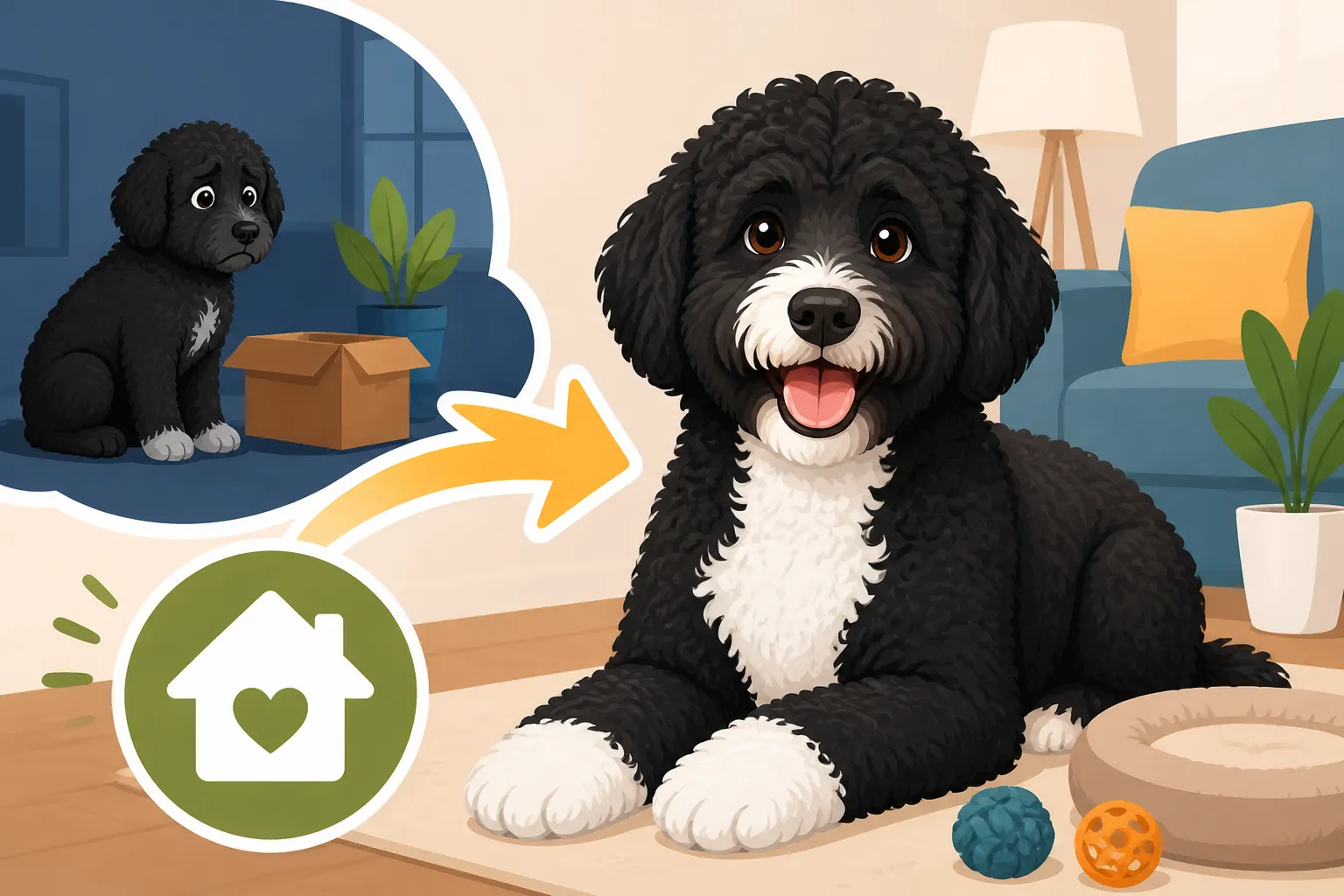
How a Portuguese Water Dog Adjusts to a New Home
Bringing a new Portuguese Water Dog home is an incredibly exciting time, but let's be honest, it can also feel like navigating a complex maze. There's a lot of advice out there, and it's easy to get overwhelmed trying to do everything "right" while your new furry family member seems a bit lost. This guide is here to walk you through the process, offering practical, empathetic steps to help your Portuguese Water Dog settle into their new environment with confidence and joy.
Creating a Welcome Haven: Before Your Portuguese Water Dog Arrives
The period before your new Portuguese Water Dog even steps paw inside your home is absolutely critical for a smooth transition. Think of it as setting the stage for a calm, secure welcome. A little preparation goes a long way in reducing stress for both you and your new companion. It's not just about having supplies; it's about having a plan.
Designating a Safe and Secure Space
Every dog, especially a new one, needs a personal sanctuary – a place where they can retreat, feel safe, and not be bothered. For a Portuguese Water Dog, this might be a crate or a cozy corner in a quiet room, away from the main hustle and bustle of family life. This isn't just a place to sleep; it's their den, their calm zone. Make sure it's set up before they arrive, with a soft bed, fresh water, and a safe chew toy. This designated area will be their safe harbor as they get accustomed to all the new sights, sounds, and smells of your home. They need to know they have a quiet place to decompress.
You might even want to cover the crate with a light blanket to create a den-like feel, offering extra privacy and reducing visual stimulation. This can be particularly helpful for a sensitive pup or an older rescue who might be feeling a bit overwhelmed. Placing it in a common area where they can still see and hear you, but are not directly in the middle of everything, often strikes a good balance. Remember, a PWD thrives on being near their people, but they also need moments of quiet solitude, especially when processing so much new information.
Gathering Essential Supplies and Setting Up Routines
Before the big day, stock up on everything your Portuguese Water Dog will need. This includes high-quality food (ideally, what they were eating before, to avoid stomach upset), food and water bowls, appropriate chew toys (PWDs are notorious mouthers!), a comfortable leash and collar, and grooming supplies like brushes and ear cleaner. Having these items ready prevents last-minute scrambles and allows you to focus entirely on your new dog. You can find many great options for durable toys and grooming tools on platforms like Amazon, making it easy to get everything you need delivered right to your door.
Beyond physical items, start thinking about a consistent daily routine. When will they eat? When will they go out for potty breaks? When will exercise happen? A predictable schedule is like a comforting roadmap for a new dog. It helps them understand what's expected and when, reducing anxiety and building confidence. Even if it's not perfect at first, having a plan helps you stay consistent, which is key to helping any dog, let alone a clever and sensitive Portuguese Water Dog, settle in. Consistency in their early days will establish a strong foundation for their behavior and confidence later on.
The First Days: Gentle Introductions and Building Trust
The initial days with your Portuguese Water Dog are all about gentle introductions, minimal pressure, and observing their cues. This isn't the time for big parties or crowded gatherings. Your primary goal is to help them feel safe and understand that you are a benevolent, predictable leader who will meet their needs.
The Grand Tour and Potty Protocol
When you first bring your Portuguese Water Dog home, the very first stop should be the designated potty area outside. Carry a small treat bag with you. Once they do their business, reward them immediately and enthusiastically. This positive reinforcement starts their house-training off on the right foot. After that, a quiet, leash-guided tour of their new home is appropriate. Let them sniff and explore at their own pace. Don't force interactions or overwhelm them with too much excitement. Their safe space should be easily accessible during this tour.
For a young Portuguese Water Dog puppy, expect to take them out to potty every 1-2 hours, especially after waking up, eating, and playing. For an older dog, the frequency might be less, but it's still good to offer frequent opportunities. Accidents will happen, and that's okay! Clean them up calmly without scolding. Your new Portuguese Water Dog is trying to figure out the rules, and your patience is paramount. Consistency with your potty protocol will be far more effective than any punishment in the long run.
Limiting Stimulation and Encouraging Quiet Observation
In these crucial first days, less is more when it comes to stimulation. Avoid inviting over a parade of friends and family immediately. Your Portuguese Water Dog needs time to bond with their immediate household without being overwhelmed by new faces, smells, and sounds. Keep the television and radio at a normal, low volume. Avoid loud noises or sudden movements that might startle them. Encourage quiet observation from their safe space.
Allow your PWD to approach you on their own terms. Sit on the floor, offer a hand for sniffing, and speak in a soft, calm voice. If they choose to cuddle, great! If they prefer to observe from a distance, respect that too. Building trust is a gradual process that involves letting them feel secure and unthreatened. A confident Portuguese Water Dog who feels safe will eventually seek out interaction, but rushing it can create apprehension. Remember, a PWD, while naturally social, needs to feel secure in their new environment before fully letting their personality shine.
Establishing Routine and Nurturing a Confident Companion
Once the initial few days have passed, and your Portuguese Water Dog seems a little more at ease, it's time to solidify those routines and actively build their confidence. This stage is about integrating them fully into your life while still providing the structure and security they need.
The Power of a Predictable Schedule
Now is the time to really lean into that consistent daily schedule you planned. Regular feeding times, consistent potty breaks, scheduled playtime, training sessions, and quiet rest periods create a predictable rhythm that significantly reduces anxiety for your Portuguese Water Dog. Dogs thrive on routine; it tells them what to expect, and that knowledge creates a sense of security. If their schedule suddenly changes drastically, it can throw them off, so try to keep it as stable as possible. For instance, if you usually go for a walk at 7 AM, try to stick to that time.
A predictable schedule also helps with house training. When your PWD knows that a potty break is coming at a certain time, their body clock adjusts, making accidents less likely. It also makes it easier for you to anticipate their needs. For a working breed like the Portuguese Water Dog, mental and physical exercise should be woven into this routine daily. What a Portuguese Water Dog Needs Every Day delves deeper into meeting these requirements. Even small, consistent efforts in maintaining a schedule will yield huge benefits in creating a well-adjusted, happy dog.
| Time Slot | Activity | Notes |
|---|---|---|
| Early Morning | Potty Break & Breakfast | Immediate outdoor trip, then feed in crate |
| Mid-Morning | Playtime / Training Session | Short, engaging activities, positive reinforcement |
| Noon | Potty Break & Quiet Time | Quick outdoor trip, then chew toy in crate |
| Afternoon | Longer Walk / Exercise | Time for exploring and burning energy |
| Late Afternoon | Potty Break & Cuddle Time | Reward for potty, gentle interaction |
| Evening | Dinner & Relax | Feed, then quiet time with family |
| Bedtime | Final Potty Break & Crate | Last chance to empty bladder before bed |
Introducing Training and Socialization Gently
Once your Portuguese Water Dog has settled in for a week or two, you can begin to introduce more formal training and socialization. Start with basic obedience commands in a quiet environment, using positive reinforcement. Their intelligent minds will soak up new information, but they can also be independent thinkers, so patience and consistency are key. You might consider an online puppy program like the one offered by BAXTER & Bella, which provides structured lessons you can follow at your own pace, helping to build good habits from the start.
Socialization doesn't mean overwhelming them with every dog and person they meet. It means carefully controlled, positive exposures to new sights, sounds, people, and other well-behaved dogs. Short, positive interactions are far more valuable than long, stressful ones. Always ensure these experiences are positive, pairing them with treats and praise. Gradual, positive exposure helps your Portuguese Water Dog develop into a confident, well-adjusted adult. For more on their intelligence and training approach, check out How Trainable a Portuguese Water Dog Is.
Navigating Challenges: Patience, Understanding, and Persistence
Even with the best preparation, bringing a new dog home can present unexpected challenges. It's normal for things not to go perfectly, and understanding common issues can help you address them with patience and effective strategies.
Addressing Separation Anxiety and Destructive Chewing
One of the most common issues new owners face, especially with intelligent and social breeds like the Portuguese Water Dog, is separation anxiety. They are deeply bonded dogs and can struggle when left alone. Start by leaving them for very short periods, gradually increasing the time. Make departures and arrivals low-key, without excessive fanfare. Provide engaging puzzle toys or long-lasting chews to occupy them while you're away. If you notice signs like excessive barking, destructive chewing beyond normal puppy mouthing, or house-soiling only when alone, it might be separation anxiety. For a deeper dive, How Long a Portuguese Water Dog Copes Alone can offer more insights.
Portuguese Water Dogs are also known for being quite mouthy, especially as puppies. This can sometimes manifest as destructive chewing if not properly managed. Ensure they have a variety of appropriate chew toys, rotate them to keep interest high, and redirect any inappropriate chewing to a designated toy. Teaching them to "trade" can also be incredibly helpful. Why a Portuguese Water Dog Puts Everything in Its Mouth can help you understand this common PWD trait. Remember, consistency in redirection and providing suitable outlets for their natural behaviors is crucial.
Dealing with House Training Setbacks and Environmental Fears
House training is rarely a straight line to success. There will likely be setbacks, especially in a new environment with new smells and routines. If accidents happen, simply clean them thoroughly with an enzymatic cleaner (to remove odors that might encourage repeat offenses) and recommit to your consistent potty schedule. Go back to basics: more frequent trips outside, high-value rewards for outdoor success, and careful supervision indoors. Confining them to a smaller, easily cleanable area or using a leash indoors can help prevent accidents while you reinforce good habits.
Some Portuguese Water Dogs, particularly rescues, might exhibit fears or anxieties related to specific sounds, objects, or people in their new home or neighborhood. This might manifest as shyness, trembling, or even mild reactivity. The key here is never to force an interaction. Instead, use gentle counter-conditioning and desensitization. Pair the scary thing (from a safe distance) with something highly positive, like their favorite treats or a game of fetch. Slowly, over time, you can decrease the distance as their comfort grows. This process requires immense patience and understanding.
Bringing a Portuguese Water Dog into your home is an incredible journey filled with joy, laughter, and sometimes a few bumps along the way. By preparing diligently, offering gentle guidance in the initial days, establishing clear routines, and addressing challenges with patience and understanding, you'll build an unbreakable bond with your new companion. They will quickly learn that your home is their safe and loving forever home.
Disclaimer
This article is for general informational purposes only and does not constitute professional advice. Laws, prices and regulations vary by location and change over time. Consult a qualified professional for guidance on your specific situation.