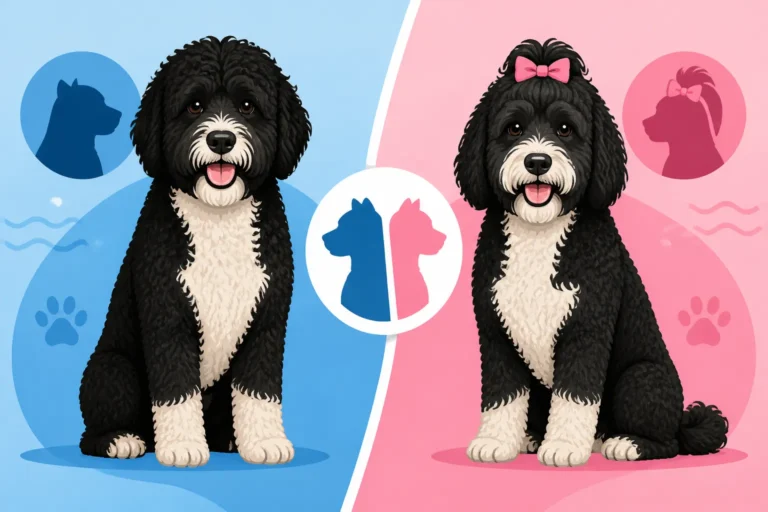
How a Portuguese Water Dog Differs From a Standard Poodle
It's easy to look at a Portuguese Water Dog and a Standard Poodle and think they're cut from the same cloth. Both boast those distinctive curly, non-shedding coats, intelligent eyes, and an undeniable athleticism. However, while they share some superficial similarities and a love for water, these two magnificent breeds actually have vastly different histories, temperaments, and needs that make them unique. This guide will unravel the distinct characteristics of each breed, helping you understand their core differences and appreciate what makes them each so special.
Historical Roots and Original Purpose
Understanding where a breed comes from is key to grasping its innate drives and personality. The jobs these dogs were originally bred for shaped them profoundly, defining their instincts, physical traits, and even their approach to problem-solving. While both are water dogs, their historical roles diverged significantly.
The Portuguese Water Dog: A Seafaring Companion
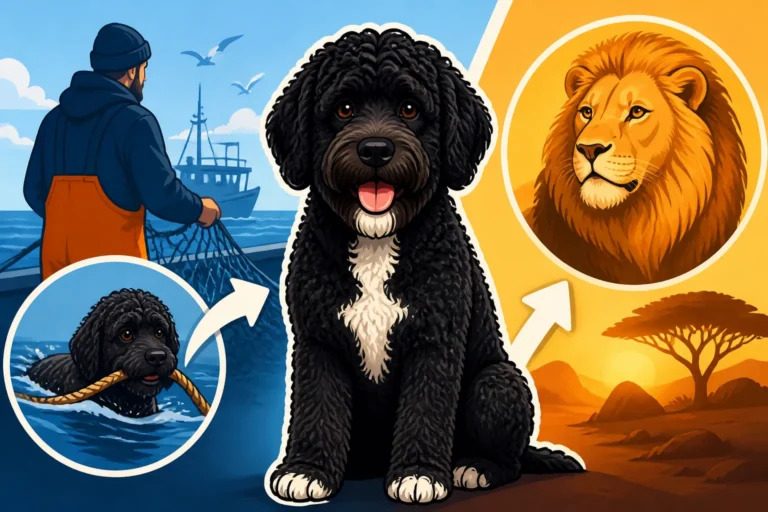
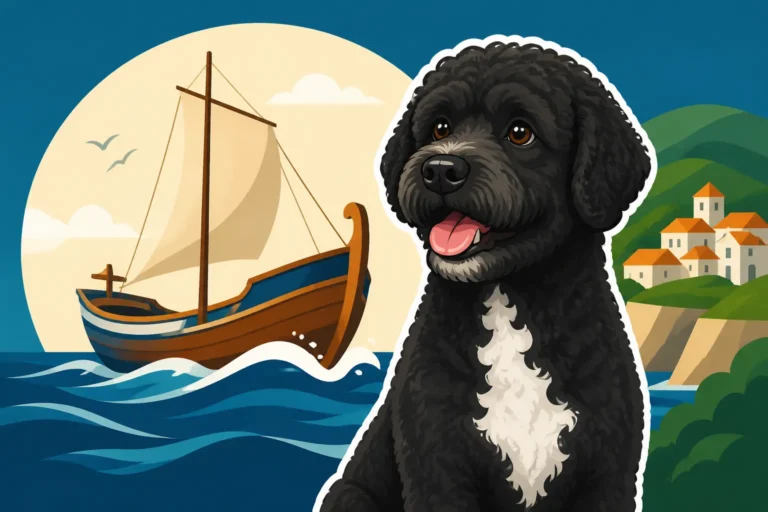
Imagine the rugged coastlines of Portugal, with fishermen battling the Atlantic's unpredictable nature. That's where the Portuguese Water Dog, or Cão de Água Português, truly earned its stripes. These dogs weren't pets lounging on boats; they were active, indispensable crew members. Their primary purpose was incredibly practical and demanding. They served as couriers between fishing boats, retrieved lost tackle and broken nets from the ocean, and even herded fish into nets. They were the original fishing partners, using their keen intelligence and incredible swimming prowess to assist their human counterparts in harsh conditions. The Portuguese Water Dog Worked the Algarve Fishing Fleet day in and day out.
This history means that the Portuguese Water Dog is inherently a working dog with a strong drive to do something. They were bred to think independently and problem-solve in dynamic, often challenging, environments. They needed to be agile, strong, and resilient in water. Their loyalty was to their fisherman, but their intelligence meant they often had to make decisions on their own, far from direct command, whether it was finding a lost oar or driving a school of fish. This independent thinking, coupled with an intense desire to be involved, defines much of their modern-day temperament. It's not just about a love for water; it's about a drive to work in and around water. How a Portuguese Water Dog Earned Its Place on a Boat wasn't through charm alone, but through sheer utility and dedication.
The Standard Poodle: A Water Retriever of Nobility
In contrast, the Standard Poodle, despite its often-misunderstood elegant appearance, also has deep roots as a working water dog, though its origins point more toward central Europe, particularly Germany and France. The word "Poodle" itself comes from the German word "Pudel," meaning "to splash in the water," and their original job was to retrieve waterfowl for hunters. Think of a Poodle as a highly efficient, intelligent retriever, designed to plunge into icy waters to fetch ducks and bring them back to their handler. Their famous "poodle clip" with its shaved areas and pom-poms wasn't just for show; it was practical, allowing for buoyancy and ease of movement in water while protecting vital joints and organs from the cold.
While certainly intelligent and capable, the Poodle's role was often more directly handler-driven than the Portuguese Water Dog's independent work. They were trained to respond precisely to commands, to mark falls, and to retrieve game, requiring a high degree of focus and obedience. This foundation has cultivated a breed that is exceptionally intelligent and eager to please, thriving on interaction and mental challenges. Their history as hunting companions for nobility also contributed to their refined appearance and dignified bearing, traits that are still very much a part of the breed today. They possess a keen athletic ability but often with a more formal, almost balletic, grace compared to the PWD's rugged, powerful build.
Physical Characteristics and Appearance
At first glance, the curly coat might be the most striking similarity, but a closer look reveals distinct differences in their physical makeup, shaped by their ancestral jobs. These variations impact everything from their grooming needs to their overall athletic capabilities.
Coat Types and Grooming Needs
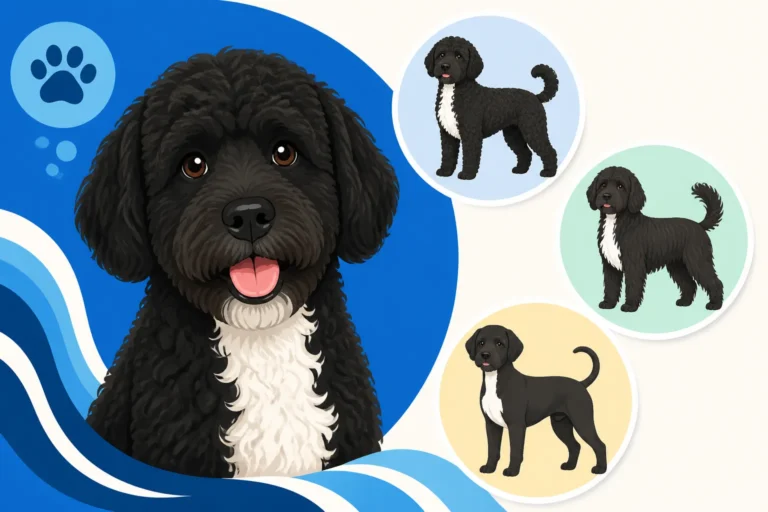
Both breeds are celebrated for their low-shedding, hypoallergenic coats, which is often a major draw for allergy sufferers. However, the texture and typical presentation of these coats differ. The Portuguese Water Dog comes in two distinct coat types: curly and wavy. The curly coat is denser, with tight, compact curls that are often described as wool-like. The wavy coat, while still dense, has softer, more flowing waves. Regardless of type, the PWD's coat is a single coat, designed to protect them from cold water and harsh elements. Curly or Wavy: the Two Portuguese Water Dog Coats can impact the visual appeal but both require serious maintenance.
This dense, non-shedding coat requires regular and thorough grooming to prevent matting. We're talking daily to every-other-day brushing, especially if they're swimming frequently. If left ungroomed, these mats can quickly become painful and lead to skin issues. Many PWD owners opt for a shorter "retriever clip" for practicality, which still requires frequent maintenance but less daily work than the longer "lion clip." The Lion Clip Costs a Portuguese Water Dog Owner Daily Brushing, while The Retriever Clip Is the Coat Most Portuguese Water Dogs Wear because it's more manageable. You can find a wide array of grooming tools and conditioners on sites like Chewy to help keep their coats healthy and tangle-free.
Standard Poodles, on the other hand, typically have a uniformly dense, harsh, and curly coat. Their curls are generally tighter and coarser than a PWD's wavy coat, designed to be water-resistant and provide insulation. While also non-shedding, the Poodle's coat is often clipped into a variety of styles, from elaborate show clips to more practical pet trims. The key difference in maintenance isn't necessarily the frequency of brushing, which is similar, but sometimes the tools and techniques used, as the Poodle's coat can felt if neglected. Both breeds demand significant grooming commitment, whether it's done at home or by a professional, to prevent matting and maintain skin health.
Size, Build, and Conformation
While both are "Standard" size dogs, there are subtle differences in their build and overall conformation. The Portuguese Water Dog is built with a rugged, robust physique, reflecting its working-class background. They are athletic and powerful, with a deep chest and well-sprung ribs, designed for endurance and strength in the water. Males typically stand between 20-23 inches at the shoulder and weigh 42-60 pounds, while females are slightly smaller. What a Portuguese Water Dog Weighs and How Tall It Stands is a good indicator of their solid, workmanlike build. Their gait is powerful and purposeful, built for moving across varied terrain and propelling themselves through water.
Standard Poodles generally present a more elegant, almost square-proportioned build. They are often taller, with males reaching 22-27 inches at the shoulder and weighing 45-70 pounds, though some can be larger. Their lighter bone structure and finer build contribute to their graceful movement, which is often described as springy and light-footed. Despite their refined appearance, they are incredibly athletic and agile, capable of powerful leaps and quick turns, perfect for retrieving game. The Poodle's elegant neck, proud head carriage, and generally more refined bone structure lend them an aristocratic air that distinguishes them from the PWD's more rustic, utilitarian look.
Unique Features: Webbed Feet vs. Classic Elegance
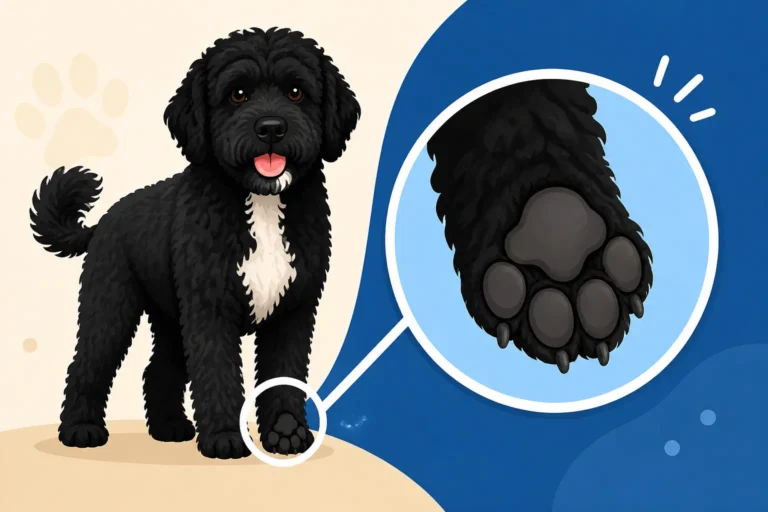
One of the most defining physical characteristics of the Portuguese Water Dog, directly linked to its aquatic heritage, is its fully webbed feet. These aren't just slightly webbed; they are significantly webbed between the toes, acting like paddles and providing exceptional propulsion in the water. This anatomical adaptation is crucial for their historical role of diving, swimming long distances, and maneuvering efficiently in the water. Why a Portuguese Water Dog Has Webbed Feet is a testament to their specialized purpose.
Standard Poodles also have webbed feet, as is common for many water-retrieving breeds, but their webbing is typically less pronounced and less of a defining feature compared to the Portuguese Water Dog. While effective for swimming, it's not quite the same level of specialized adaptation you see in the PWD. Instead, the Poodle's overall elegance, the way they carry themselves, and their distinctive tail set are more defining aesthetic traits. They are known for their intelligent, dark eyes and alert expression, often conveying a sense of thoughtful observation rather than the PWD's eager, ready-for-action gaze.
Temperament and Personality
While both breeds are highly intelligent and active, their personalities are molded by their historical tasks and inherent drives. These differences are crucial for potential owners to understand, as they dictate how each breed will integrate into a family and what kind of stimulation they'll need to thrive.
Drive and Work Ethic
The Portuguese Water Dog is a breed with an incredibly strong work ethic and an insatiable drive to be engaged. They were bred to be active participants, not just observers, in a day's work. This translates into a modern PWD that needs a job, a purpose, something to do. If they don't have an outlet for their energy and intelligence, they can become bored, restless, and destructive. Their independent problem-solving nature means they might invent their own "jobs" – and you might not like their choices, whether it's counter-surfing, excessive chewing, or digging. Why a Portuguese Water Dog Needs a Job isn't a suggestion; it's a fundamental requirement for their well-being.
This drive extends to their retrieving instincts and their intense bond with their human companions. They often want to be involved in everything you do, from gardening to watching TV, always seeking interaction and a task. They thrive on activities like dock diving, obedience, agility, and, of course, water work. This isn't a dog content with just a walk around the block; they need purposeful activity that engages both their body and their very active mind. Many owners find their PWDs are happiest when they have a "project" to focus on, whether it's learning a new trick or retrieving toys from the pool.
Standard Poodles also possess a strong work ethic, particularly in retrieving, and a high level of intelligence. They are often described as eager to please and highly biddable, meaning they are very responsive to training and enjoy having a task. While they thrive on mental and physical activity, their drive can be channeled more directly through traditional obedience and performance sports like agility, rally, and competitive obedience. They excel in these areas due to their intelligence and desire to cooperate with their handler.
Poodles tend to be slightly less "mouthy" than Portuguese Water Dogs, who often use their mouths to interact with the world and "help" with tasks. A Poodle's intensity is often focused on the task at hand and their handler, whereas a PWD's intensity can be more broadly applied to their environment and whatever catches their interest as a potential "job." Both require significant engagement, but the flavor of that engagement differs, with the PWD often bringing a more assertive and self-directed energy.
Intelligence and Trainability
Both Portuguese Water Dogs and Standard Poodles are renowned for their exceptional intelligence, ranking high among the smartest dog breeds. This means they learn quickly – for better or worse! They pick up commands with astonishing speed, but they also learn bad habits just as fast if not consistently managed.
Portuguese Water Dogs are intelligent, but their intelligence is often coupled with an independent streak. They were bred to think for themselves on fishing boats, so they aren't always looking for explicit direction. This means training them often requires creativity, consistency, and a good sense of humor. They can be very "clever" in finding loopholes or offering their own solutions to a problem, which can be both endearing and frustrating. Positive reinforcement and engaging, varied training sessions work best, as they can get bored with repetition. They thrive on challenges that make them think, like puzzle toys, scent work, and complex sequences in agility or obedience.
Standard Poodles are celebrated for their sharp intellect and their exceptional trainability. They are often ranked among the most intelligent breeds, capable of understanding a vast number of commands and performing complex tasks. Their history as performing dogs in circuses and as guide dogs further illustrates their mental prowess and desire to learn. Poodles are typically very eager to please and highly responsive to their handlers, making them a joy to train for those who enjoy precision and consistency. They excel in obedience and thrive on mental stimulation, often performing best when given a clear structure and purpose. This doesn't mean they're robots, but their desire to cooperate can make them seem more straightforward to train than the sometimes-more-opinionated PWD.
Social Nature and Family Dynamics
How these breeds interact with their families and the world around them is another area where subtle differences emerge. Both are generally affectionate and enjoy being part of the family, but their expressions of this can vary.
Portuguese Water Dogs are known for being devoted and loyal companions to their families. They often form very strong bonds and prefer to be near their people. They can be quite exuberant and demonstrative in their affection, sometimes described as "velcro dogs." While generally good with children and other pets, their high energy and mouthy nature as puppies can sometimes be overwhelming for very young children if not managed. Early and consistent socialization is key to ensuring they are well-adjusted and polite with strangers and other animals. They need a family that is ready to actively include them in daily life, as isolation can lead to anxiety and destructive behaviors.
Standard Poodles are also very affectionate and loyal to their families. They are often perceived as more dignified and graceful, but they too love to play and are quite playful, especially as youngsters. Poodles generally do well with children who respect their space and play gently, and they can coexist peacefully with other pets, especially if socialized from a young age. They tend to be a bit more reserved with strangers than the typically outgoing PWD, often taking a moment to assess new people before offering their friendship. Their sensitive nature means they thrive in calm, predictable environments where they receive plenty of positive reinforcement and consistent interaction. A Poodle's love often comes with a quiet elegance, whereas a PWD's love can be a joyous, full-body greeting.
Exercise Requirements and Energy Levels
Both Portuguese Water Dogs and Standard Poodles are high-energy breeds that require significant physical and mental exercise. Neither is a couch potato, and neglecting their activity needs will invariably lead to behavioral problems. However, the type and intensity of exercise they prefer can differ.
Aquatic Inclinations and Activity Needs
The Portuguese Water Dog is truly in its element when wet. Their love for water isn't just a preference; it's a genetic imperative. They are built for swimming, retrieving from the water, and even diving. If you have a Portuguese Water Dog, access to safe swimming opportunities is almost a non-negotiable part of their exercise regimen. They thrive on long swims, retrieving toys from a lake or ocean, or participating in organized water sports like dock diving or water trials. How Much Exercise a Portuguese Water Dog Needs is substantial, and swimming is a fantastic, low-impact way to meet a large portion of that need.
Beyond swimming, PWDs need daily vigorous exercise on land too. This could include long, brisk walks, runs, hikes, or intense play sessions. They excel in dog sports like agility, flyball, and obedience, which challenge both their physical and mental capacities. A bored PWD is a destructive PWD, so channeling their energy into productive outlets is crucial. Many owners find that incorporating a mix of land and water activities keeps their PWD happy and well-behaved.
Standard Poodles are also highly active and love to run and play. Their retrieving history makes them natural athletes, and they excel in dog sports like agility, obedience, rally, and scent work. Like PWDs, they certainly enjoy swimming and will happily join you for a dip. However, while they are excellent swimmers, it's not quite the same deeply ingrained, foundational drive as it is for the Portuguese Water Dog. A Poodle can be perfectly happy with plenty of land-based exercise and mental stimulation, whereas a PWD will often seek out water if it's available.
Daily long walks, runs, and opportunities for off-leash play in a secure area are essential for a Standard Poodle. They also benefit greatly from mental challenges, which can often tire them out more effectively than just physical exercise alone. Regular training sessions and puzzle toys are invaluable for keeping their intelligent minds engaged.
Mental Stimulation and Boredom Avoidance
Both breeds are far too intelligent to be left to their own devices for long periods. Their bright minds require constant engagement, and without it, they will create their own entertainment, which rarely aligns with human preferences.
Portuguese Water Dogs, with their independent problem-solving heritage, require significant mental stimulation. They thrive on learning new tricks, participating in puzzle games, and engaging in activities that require them to think critically. If left alone and bored, a PWD might decide that dismantling your furniture or reorganizing your cupboards is a perfectly suitable task. Their natural curiosity and desire to "work" mean they need consistent mental challenges throughout their lives. Even simple obedience commands can be presented in novel ways to keep their minds sharp and engaged.
Standard Poodles are equally intelligent and also demand ample mental stimulation. They excel at learning complex commands and enjoy activities that challenge their intellect, such as advanced obedience, trick training, or scent work. Poodles thrive on routine and consistency in their training, and they relish the opportunity to please their handler through successful learning. They might not be as prone to "inventing" destructive tasks as a bored PWD, but a lack of mental engagement can lead to anxiety, excessive barking, or a general sense of unease. Interactive toys, regular training sessions, and opportunities to learn new skills are vital for a happy and well-adjusted Standard Poodle.
Health Considerations and Lifespan
When considering any breed, understanding their potential health challenges is paramount. While both breeds are generally healthy, they do have predispositions to certain genetic conditions that prospective owners should be aware of.
Common Genetic Conditions
The Portuguese Water Dog breed has several known genetic conditions that reputable breeders screen for rigorously. These include:
- GM1 Gangliosidosis: A fatal neurological storage disease affecting puppies, often causing ataxia and blindness. Thanks to DNA testing, it's now largely preventable.
- Juvenile Dilated Cardiomyopathy (JDCM): Another devastating condition that causes sudden heart failure in very young puppies, also screenable via DNA testing.
- Progressive Retinal Atrophy (PRA): There are two forms, prcd-PRA and EOPRA (Early Onset PRA), both leading to eventual blindness. DNA tests are available for both.
- Hip and Elbow Dysplasia: Like many active, medium-to-large breeds, PWDs can be prone to joint issues.
- Addison's Disease: An autoimmune disorder affecting the adrenal glands, which can be life-threatening if untreated. It's often called "the great pretender" due to its varied symptoms.
Reputable breeders will conduct The Four DNA Tests Every Portuguese Water Dog Breeder Runs and ensure parents have hip and elbow certifications. Choosing a puppy from health-tested parents significantly reduces the risk of these inherited diseases. Websites like Chewy often carry supplements that can support joint health, but prevention through careful breeding is the best first step.
Standard Poodles also have a range of health concerns that breeders should screen for, including:
- Hip Dysplasia: Common across many larger breeds.
- Eye Conditions: Such as Progressive Retinal Atrophy (PRA), cataracts, and glaucoma.
- Bloat (Gastric Dilatation-Volvulus): A life-threatening condition where the stomach twists.
- Addison's Disease: Also prevalent in Poodles, mirroring the PWD's susceptibility.
- Sebaceous Adenitis (SA): An inflammatory skin disease that causes progressive hair loss.
- Thyroid Issues: Hypothyroidism is not uncommon.
Just like with Portuguese Water Dogs, finding a responsible breeder who performs comprehensive health screenings on their breeding stock is crucial for a Standard Poodle. Both breeds benefit from regular veterinary care and a high-quality diet to maintain optimal health throughout their lives.
| Feature | Portuguese Water Dog | Standard Poodle |
|---|---|---|
| Origin/Primary Role | Portuguese fishing fleet; retrieved gear, herded fish, couriered | Germany/France; waterfowl retriever, circus performer |
| Build | Rugged, muscular, powerful, deep chest, slightly longer than tall | Elegant, square-proportioned, fine bone, proud carriage |
| Size (approx. male) | 20-23 inches, 42-60 lbs | 22-27 inches, 45-70 lbs (can be larger) |
| Coat Type | Curly or Wavy, single coat, dense, wool-like/wavy | Uniformly dense, harsh, tight curls |
| Webbed Feet | Highly pronounced, excellent for propulsion in water | Present, but less pronounced than PWD |
| Work Ethic | Independent problem-solver, highly driven to do work, often mouthy | Eager to please, highly biddable, intelligent retriever |
| Training Style | Needs creativity, consistency, can offer "own solutions" | Responds well to precision, consistency, enjoys routine |
| Aquatic Drive | Intensely strong, essential part of exercise and enjoyment | Strong, enjoys swimming, but less central to identity |
| Notable Health Conc. | JDCM, GM1, PRA, Addison's, Hip/Elbow Dysplasia | Bloat, PRA, Addison's, Sebaceous Adenitis, Hip Dysplasia |
General Lifespan Expectations
Both breeds generally enjoy good lifespans, typically falling into the range of most medium-to-large dogs. The Twelve to Fifteen Years a Portuguese Water Dog Gets is a common average, with many living full, active lives well into their senior years. Regular vet check-ups, a balanced diet, and consistent exercise contribute significantly to extending their healthy years.
Standard Poodles generally have a similar lifespan, often ranging from 10 to 18 years, with an average around 12-15 years. Their longevity is often attributed to their generally robust health and meticulous care provided by dedicated owners. For both breeds, preventative care, early detection of any health issues, and a supportive environment are key to helping them live long, fulfilling lives. It's a journey, and investing in their health through good nutrition and veterinary care from the start, perhaps with a diet from Chewy, is always a wise choice.
Living with Each Breed: What to Expect
Bringing either a Portuguese Water Dog or a Standard Poodle into your home is a significant commitment. While both offer immense joy and companionship, their unique characteristics mean they thrive in slightly different environments and require specific types of care and interaction.
Suitability for Different Lifestyles
The Portuguese Water Dog is best suited for an active family or individual who loves the outdoors and is prepared to incorporate their dog into almost every aspect of their life. This isn't a breed that's content to be left alone in a yard or simply walked twice a day. They need a "job" or a consistent routine of engaging activities, especially water-based ones. They thrive with owners who are passionate about dog sports, hiking, swimming, or even just long, adventurous excursions that provide both physical and mental stimulation. They can adapt to various living situations, including apartments, if their exercise and mental needs are met daily, but a home with a securely fenced yard and access to water is often ideal. For families, they are wonderful companions but their boisterous nature means supervision with very young children is always wise. What a Portuguese Water Dog Suits an Apartment Dweller really depends on the owner's commitment to exercise.
Standard Poodles, while also highly active, can sometimes be a bit more flexible in their exercise outlets. They still need plenty of vigorous activity and mental engagement, but perhaps without the intense, innate pull towards water that a PWD exhibits. They adapt well to various living situations and can be wonderful family dogs, often excelling in homes with active children who understand how to interact respectfully with a dog. Their generally more elegant demeanor means they might be slightly less prone to the boisterous, "bull in a china shop" phase of a PWD puppy, but they are still very playful. Poodles often thrive on being a central part of family life, enjoying intellectual games and consistent interaction. They are adaptable and can be excellent companions for individuals or families committed to their high maintenance grooming and exercise needs.
Grooming Realities for Both Breeds
The "low-shedding" label often leads prospective owners to believe these breeds are "low maintenance," which couldn't be further from the truth. Both PWDs and Standard Poodles are high-maintenance grooming dogs. Their coats continuously grow, and without regular brushing and clipping, they will mat. Matting isn't just unsightly; it can be incredibly painful, pulling on the skin, causing hot spots, and leading to serious skin infections.
For a Portuguese Water Dog, expect to brush them several times a week, if not daily, especially if they are active or have a longer coat. Professional grooming appointments are typically needed every 6-8 weeks for clipping, or you can learn to do it yourself, which requires an investment in quality clippers, brushes, and a force dryer. This grooming commitment is a non-negotiable part of owning a PWD.
Standard Poodles also require frequent brushing and professional grooming every 4-6 weeks to maintain their coat. Many Poodle owners learn to do some grooming at home, but the precision and regularity needed often mean that professional help is sought. The Poodle's coat, while different in texture, is just as prone to matting and must be kept clean and clipped. It's important for prospective owners of either breed to factor in the time and financial cost of this extensive grooming. Grooming tools, from specialized brushes to shampoos and conditioners, can be conveniently purchased from retailers like Chewy.
Ultimately, while the Portuguese Water Dog and the Standard Poodle share an aquatic heritage and a clever, curly-coated appeal, they are distinct breeds shaped by unique histories. The PWD brings a rugged, independent, water-driven work ethic, while the Standard Poodle offers a more elegant, biddable, yet equally intelligent and athletic companionship. Choosing between them comes down to understanding these nuanced differences and selecting the breed whose unique blend of traits best aligns with your lifestyle and expectations.
Disclaimer
This article is for general informational purposes only and does not constitute professional advice. Laws, prices and regulations vary by location and change over time. Consult a qualified professional for guidance on your specific situation.