When a Portuguese Water Dog Should Swim in the Ocean
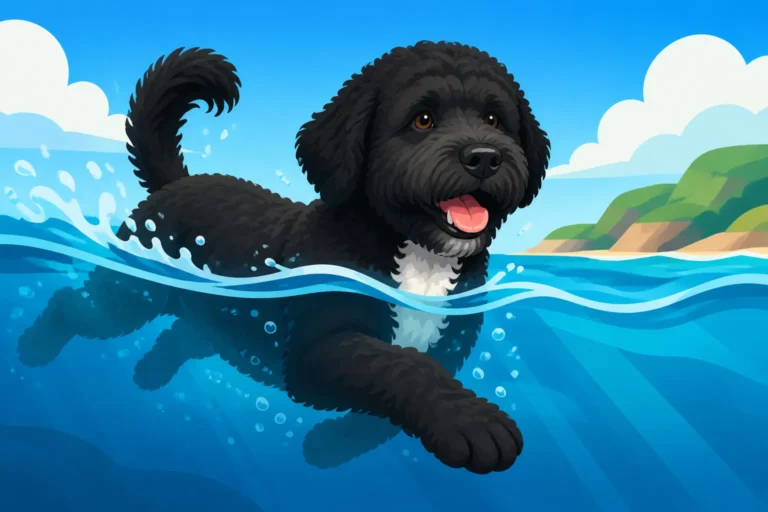
It’s a truly exhilarating thought: picturing your magnificent Portuguese Water Dog, a breed literally bred for the water, joyfully splashing and retrieving in the vast, open ocean. However, before you let your eager PWD dive headfirst into the waves, there are some very important considerations to keep in mind to ensure their safety and your peace of mind. This guide will walk you through everything you need to know about preparing your Portuguese Water Dog for ocean swims, from their age and training to critical safety measures and essential post-swim care.
When Your Portuguese Water Dog Is Ready for the Ocean
Bringing your Portuguese Water Dog to the ocean isn't just about their enthusiasm for water; it's about their physical maturity, training, and acclimatization to different types of aquatic environments. You wouldn't throw a human toddler into the deep end of the ocean, and the same careful approach applies to your beloved canine companion.
Puppyhood and Early Introductions
For puppies, the ocean is generally not the place to start their swimming journey. Their immune systems are still developing, and they are more susceptible to waterborne pathogens that might be present. More importantly, their muscles and joints are still growing, and the powerful forces of ocean waves and currents can be too strenuous and even dangerous for their developing bodies. Imagine a strong wave knocking over a small child; it's similar for a young puppy. Vets often recommend waiting until a puppy has completed their full vaccination series, usually around 16 weeks of age, before exposing them to public or natural water sources like lakes or oceans. Even then, an ocean introduction should be gradual and under extremely controlled conditions.
Think about it this way: a Portuguese Water Dog puppy, even one who shows a natural affinity for water, needs to learn the ropes in a calm, predictable environment first. A kiddie pool in the backyard, a quiet pond, or even a bathtub can be excellent starting points. These controlled settings allow them to build confidence and develop their swimming muscles without the added challenges of currents, waves, and unknown marine life. Once they're confident in still, shallow water, you can then gradually introduce them to larger, calmer bodies of fresh water, like a serene lake, before even thinking about the ocean. Rushing this process can create a negative association with water, or worse, put your puppy in a dangerous situation they’re not equipped to handle. Consider the topic of The Age a Portuguese Water Dog Can Start Swimming for more detailed information on their aquatic development.
Assessing Your Adult Dog's Ocean Readiness
Even for an adult Portuguese Water Dog, simply having a love for water isn't always enough for safe ocean swimming. You need to assess their comfort level with dynamic water, their obedience, and their overall physical condition. Has your dog swum in lakes or rivers with currents before? Do they have a strong recall even when highly distracted? Can they self-regulate and know when to take a break? These are critical questions. If your PWD is used to calm lake swims or controlled pool environments, the ocean can be a sensory overload. The unpredictable movement of waves, the strong undertow, the salty taste, and the new smells can be disorienting.
An adult dog should be physically fit and free of any joint issues that might be exacerbated by swimming against currents or navigating uneven sandy surfaces. Dogs with conditions like arthritis, even mild cases, might find the ocean's unpredictability painful or risky. A pre-ocean swim vet check-up is always a good idea to ensure your dog is in peak condition. Furthermore, their general training should be rock solid. A strong recall is paramount, as you need to be able to call your dog back from a potentially dangerous situation, like an approaching boat, a strong current, or if they're heading towards sharp rocks. Without this reliable obedience, ocean swimming carries a significant risk. For more on preparing your dog, consider Teaching a Portuguese Water Dog to Wait on the Bank.
Critical Safety Considerations for Ocean Swims
The ocean is magnificent, but it's also a powerful and unpredictable force of nature. Unlike a controlled pool or a calm lake, it presents a unique set of hazards that you absolutely must be aware of to keep your Portuguese Water Dog safe.
Understanding Tides, Currents, and Waves
One of the biggest dangers in the ocean is its dynamic movement. Tides bring water in and out, creating currents that can be deceptively strong. Rip currents, in particular, are extremely hazardous. They are powerful, narrow channels of water flowing rapidly away from the shore, and even strong swimmers (both human and canine) can struggle against them. Before letting your dog near the water, always check local surf reports and tide charts. Look for flags or signs indicating dangerous conditions. A seemingly calm surface can hide a powerful undertow, especially near sandbars or jetties. Never assume your dog’s natural swimming ability will protect them from these forces.
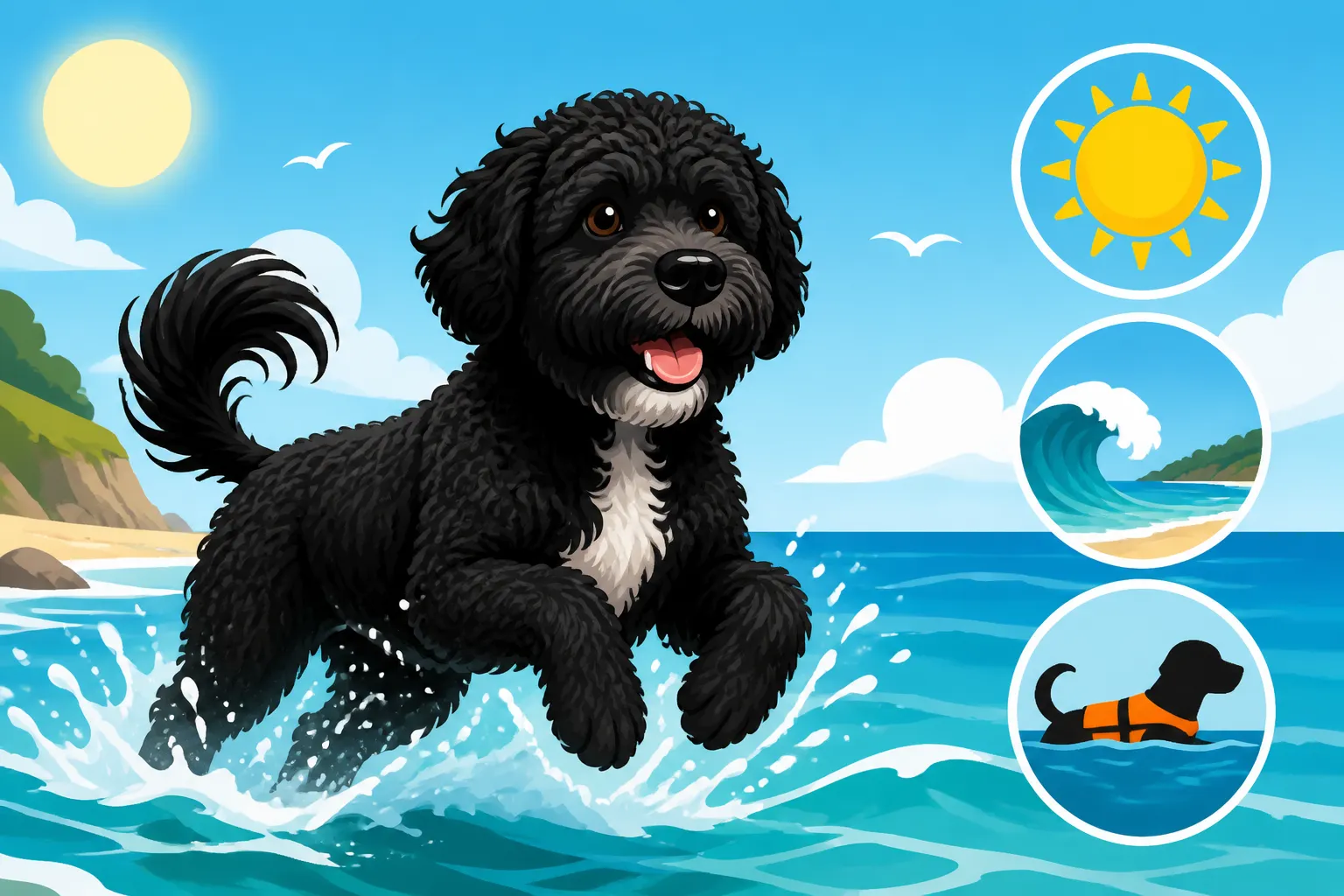
Waves, too, can pose a threat. Large, breaking waves can easily overwhelm a dog, pushing them under or tossing them around, leading to panic or injury. A small dog, or even a medium-sized one like a PWD, can be knocked off its feet and disoriented by a powerful wave. Even smaller waves, if repetitive, can tire a dog out quickly as they constantly fight to keep their head above water. It's crucial to start in areas with very gentle, rolling waves, or ideally, in sheltered coves or bays where the water is calmer. Always keep a close eye on your dog's energy levels and call them out for a break long before they show signs of exhaustion. For practical safety, many PWD owners choose to have their dogs wear a life jacket, especially in open or wavy water. You can find excellent, durable options on Amazon that provide both buoyancy and a handle for easy retrieval.
Saltwater Ingestion and Marine Life Risks
Portuguese Water Dogs, being water lovers, might ingest a fair amount of ocean water during their swims. While a little bit is usually fine, excessive saltwater ingestion can lead to hypernatremia, or salt poisoning, which is a serious and potentially fatal condition. Symptoms include vomiting, diarrhea, lethargy, muscle tremors, seizures, and excessive thirst. Always bring plenty of fresh, clean water for your dog and offer it frequently. Encourage them to drink fresh water before and after swimming to reduce their desire to gulp down ocean water.
Beyond the salt, the ocean is home to a variety of marine life that could be harmful. Jellyfish stings, encounters with sharp shells, barnacles, or even aggressive crabs are all possibilities. Check the beach for any advisories about jellyfish blooms or other hazardous creatures. Before allowing your dog to swim, visually inspect the water and the immediate shoreline for any obvious dangers. Remember that Portuguese Water Dogs have a thick coat, but their paws are still vulnerable to cuts from sharp objects hidden beneath the sand or in the shallow water. Whether a Portuguese Water Dog's Webbing Needs Checking regularly is a good practice, especially after ocean outings.
Weather Conditions and Heatstroke
Just like with any outdoor activity, weather plays a huge role in ocean safety. Hot, sunny days increase the risk of heatstroke, especially for an active dog like a PWD. While they love the water, their thick coats can make them prone to overheating on land. Provide ample shade, bring cooling mats or bandanas, and monitor them closely for signs of overheating like excessive panting, drooling, or lethargy. Don't forget that sand can get extremely hot and burn their paw pads. Always check the sand temperature with your hand before letting your dog walk on it.
On the other hand, stormy weather means rough seas, strong currents, and lightning, making ocean swimming completely off-limits. Even overcast days can be deceptive; cold water temperatures combined with wind can lead to hypothermia, particularly if your dog isn't constantly active. This breed is known for its ability to tolerate cold water, but there are limits. Always use common sense and err on the side of caution. A fun day at the beach can quickly turn dangerous if you ignore weather warnings or your dog's cues.
Training Your Portuguese Water Dog for Ocean Adventures
Having a dog that loves water is one thing; having one that is safely trained for the dynamic and unpredictable environment of the ocean is another entirely. Training isn't just about teaching tricks; it's about building a solid foundation of trust and communication that can literally save your dog's life.
Foundational Obedience is Key
Before your Portuguese Water Dog even dips a paw into the ocean, they need to have rock-solid foundational obedience. This includes a reliable recall, a strong "leave it" command, and a steady "stay." Imagine your PWD spotting a tempting piece of driftwood floating out to sea, or perhaps another dog playing rough that you'd rather they avoid. A reliable recall, even with the distractions of waves, smells, and other beachgoers, is non-negotiable. The "leave it" command is vital for preventing them from eating something dangerous washed ashore, like a dead fish or a broken shell. Building this kind of obedience takes time and consistent positive reinforcement, often starting in low-distraction environments and gradually increasing the challenge.
Programs like BAXTER & Bella can provide a fantastic framework for developing these essential skills in a structured way. While their focus might be broader than just ocean swimming, the principles of positive reinforcement, clear communication, and consistent practice are universally applicable. If your dog understands and responds to commands reliably on a busy park walk, they're much more likely to listen when the waves are crashing and seagulls are squawking. Remember, the ocean is a high-stimulus environment, and your dog's ability to focus on you will be tested like never before. Consider learning about Whether a Portuguese Water Dog Recalls Out of Water for tips specific to aquatic environments.
Gradual Introduction and Positive Reinforcement
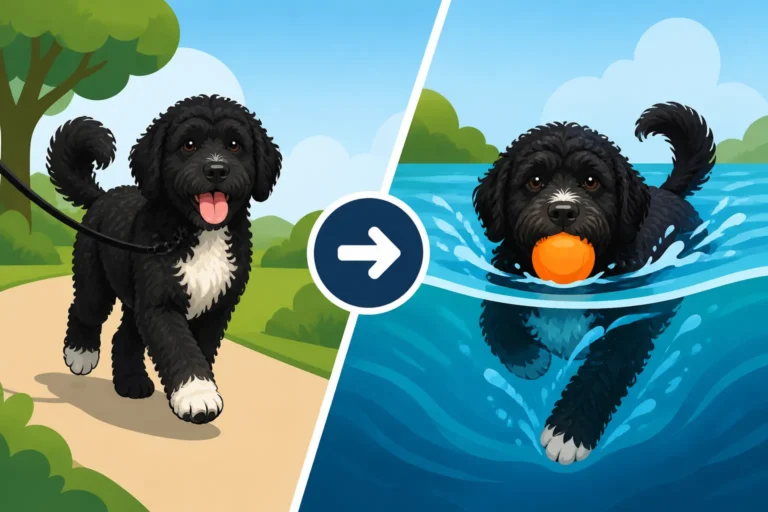
You can't just expect your PWD to understand ocean rules instinctively. A gradual, positive introduction is crucial. Start with visits to the beach during off-peak hours when it's less crowded and noisy. Let your dog explore the sand, sniff around, and get used to the sounds and smells without immediate pressure to enter the water. Begin with very shallow water, letting them wade in at their own pace. Throw a favorite floating toy just a few feet from shore, celebrating their brave retrieval. Always make it a positive experience, never forcing them or scolding them if they're hesitant.
As they gain confidence, you can slowly encourage them into deeper water. Use their favorite buoyant toys or engage them in a fun game of fetch along the shoreline. Watch their body language closely – a relaxed tail wag, soft eyes, and eager leaps indicate enjoyment, while a tucked tail, stiff posture, or trying to climb on you suggests they're uncomfortable or stressed. If they seem hesitant, take a break, reassure them, and try again another day in an even calmer spot. The goal is to build positive associations, not create fear. Teaching a Portuguese Water Dog Puppy to Enter Water gives excellent advice on how to make first water experiences enjoyable.
Practicing Exit and Entry Drills
It's not just about getting into the water; it's about getting out safely, too. Practice calling your dog out of the water frequently, even when they're having fun. Use a high-value treat or a favorite land toy as a reward for coming when called. This ensures they associate exiting the water with something positive and will respond even if they're deeply engaged in a swim. Also, teach them how to safely enter and exit the water at different points, especially if there are rocks or uneven terrain. This might mean guiding them to a gentler slope or a sandy patch.
If you plan to have them swim from a boat or a dock, practice those entries and exits in a calm, controlled environment first. This ensures they know how to scramble back aboard or find the ramp without panicking. A strong grasp of these practical skills not only boosts their confidence but also reduces the risk of accidents. Remember, the ocean is dynamic, and conditions can change rapidly. The more prepared your PWD is for various scenarios, the safer and more enjoyable your shared ocean adventures will be.
Post-Swim Care for Your Ocean-Loving PWD
After a thrilling dip in the ocean, the adventure isn't quite over. Proper post-swim care is essential to protect your Portuguese Water Dog's skin, coat, and overall health. Neglecting these steps can lead to painful skin irritations, ear infections, and other issues that no one wants.
Thorough Rinsing to Remove Salt and Sand
The very first thing you need to do after an ocean swim is thoroughly rinse your Portuguese Water Dog with fresh water. Saltwater, while natural, can be incredibly drying and irritating to their skin and coat. It can strip natural oils, leading to dryness, itchiness, and even hot spots. Sand, too, can get trapped deep within their dense coat, causing chafing and skin irritation, especially in sensitive areas like armpits, groin, and behind the ears.
A good rinse involves not just a quick spray but a dedicated effort to wash away all traces of salt and sand. Pay particular attention to their legs, belly, and undercarriage, where sand tends to accumulate. Use a gentle shampoo specifically designed for dogs if they've had a particularly long or vigorous swim, or if their coat feels excessively sticky or gritty. Ensure you rinse until the water runs completely clear and you can feel no more grit when running your fingers through their fur. This step is non-negotiable; When a Portuguese Water Dog Should Be Rinsed After the Sea is always immediately after leaving the water.
Drying the Coat and Preventing Matting
Once rinsed, thoroughly drying your Portuguese Water Dog is paramount. Their thick, dense, and often curly or wavy coat is designed to be water-repellent, but it can also hold moisture for a long time, creating a perfect breeding ground for bacteria and yeast, which can lead to skin infections. Dampness, especially deep within the coat, can also exacerbate matting. Mats are not just unsightly; they can pull on the skin, causing pain and creating areas where moisture and dirt get trapped, leading to serious skin problems.
Using absorbent towels to remove as much surface water as possible is a good start. For complete drying, especially for a Portuguese Water Dog, a force dryer is incredibly effective and highly recommended. These dryers blow air at high velocity, pushing water out of the coat without using heat that could damage their skin. If you don't have a force dryer, be prepared for a longer air-drying process, and make sure your dog is kept warm and supervised. During drying, gently brush their coat to help separate the strands and ensure air circulates, preventing mats. For more on this, check out Drying a Portuguese Water Dog After Every Swim.
Ear Care and Paw Inspection
Portuguese Water Dogs are prone to ear infections, especially after swimming. Their dropped ears and the hair in their ear canals create a warm, moist environment that is ideal for bacterial and yeast growth when water gets trapped. After every ocean swim, and even after rinsing, you must clean and dry their ears. Use a vet-approved ear cleaning solution; apply it generously, massage the base of the ear, and then use cotton balls (never cotton swabs) to gently wipe away any excess solution, dirt, and moisture. You might be surprised at how much gunk comes out. If your dog frequently swims, consider discussing with your vet how often their ear hair should be plucked, as this can improve air circulation.
While you're at it, don't forget their paws! Inspect their paw pads for any cuts, scrapes, or abrasions that might have occurred from sharp shells, rocks, or other debris on the beach. Sand can also be irritating between their paw pads. Rinse their feet thoroughly and check between their webbed toes for any lodged foreign objects. Keeping their paw pads healthy is crucial for their comfort and continued active lifestyle. Why a Swimming Dog Gets Ear Infections is a common concern among PWD owners, so proactive care is best.
Here’s a quick overview of essential post-ocean swim care:
| Care Step | Why It's Important | What to Do |
|---|---|---|
| Thorough Rinse | Removes salt, sand, and irritants, prevents skin issues | Use fresh water, focus on entire body, use dog-specific shampoo if needed |
| Complete Drying | Prevents matting, hot spots, and skin infections | Towel dry vigorously, use a force dryer if possible, brush during drying |
| Ear Cleaning | Prevents ear infections (yeast, bacteria) | Use vet-approved solution, clean gently with cotton balls |
| Paw Inspection | Checks for cuts, irritation, foreign objects | Inspect pads and between toes, rinse well |
| Fresh Water Offerings | Rehydrates after saltwater exposure, flushes system | Offer plenty of fresh drinking water immediately and throughout the day |
Disclaimer
This article is for general informational purposes only and does not constitute professional advice. Laws, prices and regulations vary by location and change over time. Consult a qualified professional for guidance on your specific situation.