When a Portuguese Water Dog Needs Its Glands Expressed
It can be incredibly distressing to see your beloved Portuguese Water Dog acting strangely – perhaps scooting across your lovely carpet, licking excessively at their rear end, or even giving off an unpleasant odor. Many PWD owners find themselves scratching their heads, wondering what on earth is going on back there. This guide is all about helping you understand when these signs point to a common issue: anal glands that need attention, and what you can do to ensure your water dog remains comfortable and healthy.
Understanding Portuguese Water Dog Anal Glands
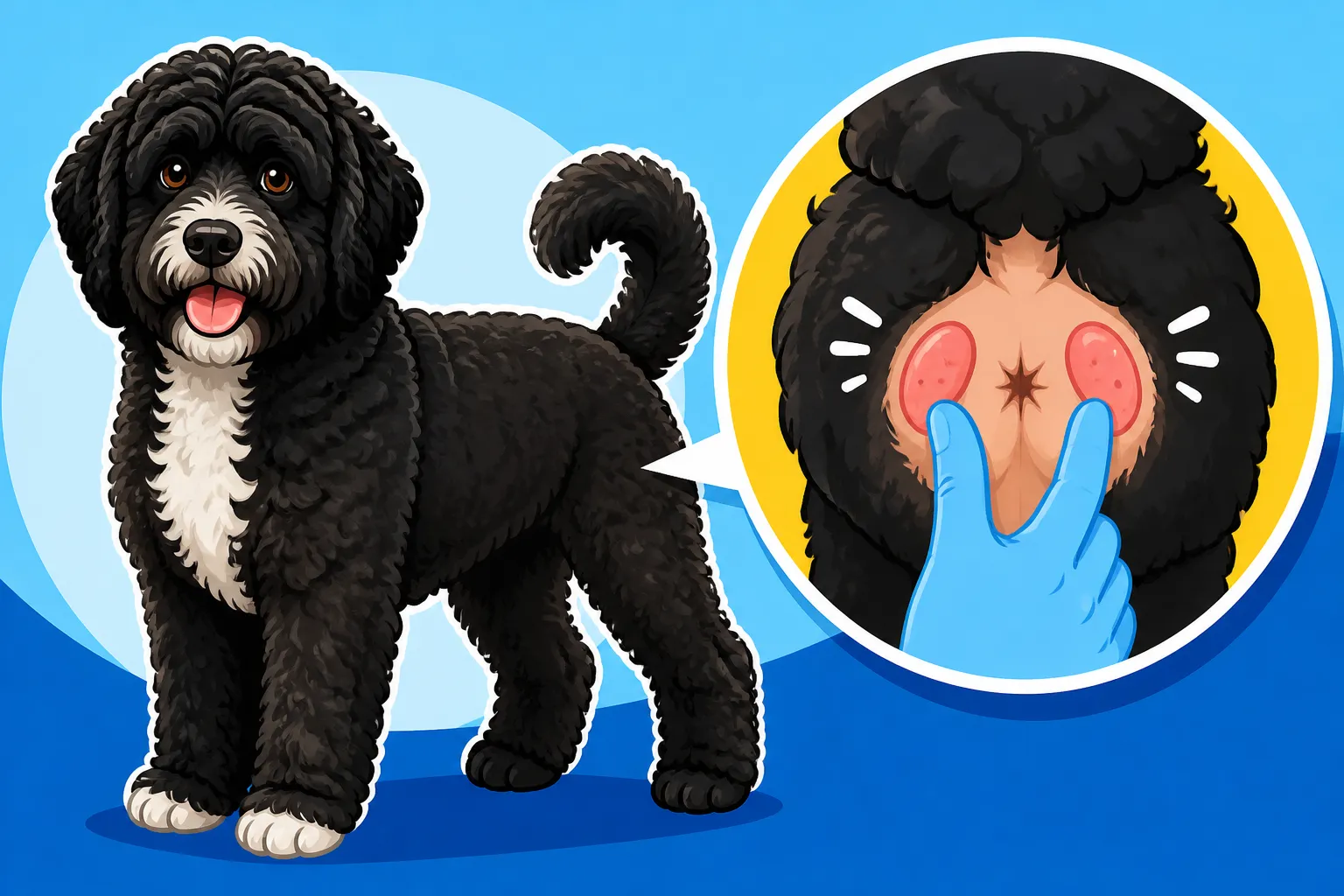
First things first, let's demystify these little glands. Every dog, including our wonderful Portuguese Water Dogs, has two small scent glands located just inside their anus, usually around the four and eight o'clock positions. These aren't just for show; they play a natural role in your dog's communication and digestive process.
The Natural Function of Anal Glands
Think of anal glands as your dog's unique scent signature. When your Portuguese Water Dog has a bowel movement, the pressure of firm stool passing through the rectum is supposed to naturally squeeze these glands, releasing a small amount of a foul-smelling, oily liquid. This liquid is packed with pheromones and serves as a territorial marker, which is why dogs are so interested in sniffing each other's rear ends – they're getting a complete olfactory biography! It's a completely natural, albeit a bit gross to us humans, part of being a dog. Most healthy dogs go through their entire lives without ever needing human intervention for their anal glands. The system is designed to be self-sufficient.
Why Some PWDs Experience Problems
While the system is usually self-cleaning, sometimes things go awry. For Portuguese Water Dogs, several factors can make them more prone to anal gland issues. One of the biggest culprits is stool consistency. If your PWD's stools are too soft, watery, or irregular, there isn't enough pressure to express the glands naturally. This can lead to the fluid building up, becoming impacted, or even infected. Diet, allergies, and even genetics can play a role here. Some dogs, unfortunately, just have glands that are anatomically positioned in a way that makes natural expression difficult. Overweight dogs might also struggle, as excess fat can impede the natural compression of the glands. It’s a frustrating cycle, because once they start having issues, it often becomes a recurring problem that needs careful management. Knowing What Care a Portuguese Water Dog Needs Its Whole Life includes keeping an eye on these often-overlooked parts of their anatomy.
Recognising the Signs Your PWD Needs Gland Expression
So, how do you know if your active, water-loving companion is actually dealing with uncomfortable anal glands? They can't exactly tell you in words, so it's up to us, their devoted owners, to read their body language and behaviors. Ignoring these signs can lead to more serious problems down the line, including severe infections and abscesses.
The Dreaded "Scooting" Behavior
This is perhaps the most classic and tell-tale sign that something isn't quite right with your Portuguese Water Dog's rear end. You might catch them dragging their bottom across your floor, the grass, or even the pavement. It's not a sign of poor house training, but rather an attempt to relieve pressure and irritation. Your PWD is essentially trying to express those full, uncomfortable glands themselves. While it's common to associate scooting with worms, if your dog's deworming is up to date, anal gland issues are a much more likely culprit. It’s their way of saying, "Hey, something back here really ITCHES!" This behavior is a clear indicator that a check-up is in order.
Other Key Indicators of Discomfort
Scooting isn't the only sign to watch for. Keep an eye out for these other behaviors and symptoms:
- Excessive Licking or Biting at the Rear: If your Portuguese Water Dog is constantly turning around to lick, chew, or even bite at the area around their tail or under their tail, it's a strong signal of irritation. This isn't just a casual groom; it's persistent, almost obsessive attention to the area.
- A Foul or Fishy Odor: The fluid from anal glands has a very distinct, often described as "fishy," smell. If you notice this odor coming from your PWD, especially when they're not having a bowel movement, it means the glands are likely leaking or have been expressed accidentally, which often happens when they're overly full.
- Difficulty or Pain During Defecation: Your PWD might strain, whimper, or show reluctance to defecate if their anal glands are impacted or inflamed. You might also notice them taking unusual postures.
- Swelling or Redness Around the Anus: In more severe cases, if a gland becomes heavily impacted or infected, you might see visible swelling, redness, or even a small lump near the anus. This is a sign of a serious problem that needs immediate veterinary attention.
- Changes in Demeanor: A dog in discomfort might be more lethargic, withdrawn, or even snappy if you try to touch their rear area. They're just not feeling themselves.
- Blood or Pus: If you see any discharge of blood or pus, particularly if it's accompanied by swelling, this is an emergency. It could indicate a ruptured anal gland abscess, which is incredibly painful and requires urgent vet care.
If you observe any of these signs, it's time to consider professional help. Sometimes, these symptoms can overlap with other issues, like Whether a Portuguese Water Dog Gets Skin Allergies, so a vet's keen eye is always best.
When to Seek Professional Help for Gland Issues
It's tempting to try and fix things yourself when you see your beloved PWD in distress. After all, a quick search online might even show you how to perform an at-home expression. However, when it comes to anal glands, professional help is almost always the safest and most effective route.
The Importance of Veterinary Diagnosis
Attempting to express your Portuguese Water Dog's anal glands yourself, especially without proper training, can actually do more harm than good. You could injure the delicate tissue, push the impaction further in, or even rupture an infected gland. A veterinarian or a trained veterinary technician has the anatomical knowledge and the proper technique to express the glands safely and effectively. More importantly, they can assess the cause of the problem. Is it just routine fullness? Is there an infection brewing? Is it a tumor (rare, but possible)? They can also differentiate anal gland issues from other conditions that might present similarly, such as perianal fistulas or rectal polyps. For peace of mind and your PWD's well-being, a professional diagnosis is invaluable. Regular check-ups, as outlined in How Often a Portuguese Water Dog Needs a Wellness Exam, can help catch these issues early.
Regular Vet Checks vs. Problem-Specific Visits
For many Portuguese Water Dogs, anal gland expression won't be a routine part of their care. Their glands will do their job perfectly on their own. However, if your PWD starts showing any of the signs we discussed, that's when a problem-specific visit is absolutely necessary. Don't wait until the discomfort is severe or an infection has set in.
For PWDs who do have recurrent issues, your veterinarian might recommend more frequent, routine expressions. This could be every few weeks to every few months, depending on how quickly their glands tend to fill. During these visits, the vet can also monitor for changes in the fluid (such as thicker consistency or unusual color), which could indicate an impending problem. They can also discuss long-term management strategies with you, such as dietary changes or supplements, to help reduce the frequency of expressions needed. Think of it as part of their regular What a Portuguese Water Dog Needs Every Day for those prone to issues.
| Symptom | Possible Cause | Recommended Action |
|---|---|---|
| Scooting on floor/grass | Full or impacted anal glands | Schedule a vet visit for examination and expression |
| Persistent licking/biting rear | Full, impacted, or irritated glands | Consult vet; avoid self-expression |
| Fishy/foul odor | Gland leakage or fullness | Vet check to confirm and express |
| Straining to defecate | Impaction, pain, or inflammation | Immediate vet attention |
| Swelling/redness near anus | Infection or abscess | Emergency vet visit |
| Blood/pus discharge | Ruptured abscess | Urgent emergency vet care |
| Changes in appetite/mood | General discomfort/pain | Vet evaluation to find underlying cause |
Managing Anal Gland Health in Your Portuguese Water Dog
Once you've identified that your Portuguese Water Dog needs assistance with their anal glands, the focus shifts to ongoing management. It's not just about addressing the immediate issue but also about preventing future recurrences and keeping your PWD as comfortable as possible.
Dietary Adjustments for Firmer Stools
One of the most effective long-term strategies for anal gland health is ensuring your Portuguese Water Dog consistently produces firm, bulky stools. These types of stools provide the necessary pressure to express the glands naturally during defecation. If your PWD frequently has soft stools, you might need to adjust their diet.
Consider increasing fiber content. This can often be done through a high-quality, balanced dog food. Many premium brands available on sites like Chewy offer formulas specifically designed for digestive health, which often contain adequate fiber. Some owners find success by adding supplemental fiber, such as a tablespoon of canned pumpkin (plain, unsweetened) or a psyllium husk supplement, to their dog's meals. Even fresh food options, like those from Ollie, can be tailored to ensure appropriate fiber levels and stool consistency. Discuss these options with your vet, as too much fiber too quickly can cause its own set of digestive upsets. Proper nutrition is key to Feeding an Athletic Portuguese Water Dog and maintaining their overall health, including these small but important glands.
Exercise and Weight Management
An active lifestyle and a healthy weight play a surprisingly significant role in anal gland health. Regular exercise helps maintain muscle tone, including the muscles around the anal area, which can aid in natural gland expression. A sedentary lifestyle, coupled with a poor diet, can lead to obesity, which can in turn make anal gland issues worse. Excess fatty tissue around the anus can hinder the natural pressure needed for expression.
Ensuring your Portuguese Water Dog gets plenty of exercise, whether it's long walks, games of fetch, or their favorite water activities, contributes to their overall digestive health. A healthy weight, aligned with What a Portuguese Water Dog Weighs and How to Keep It There, ensures their body functions optimally, including those often-forgotten anal glands.
When At-Home Expression Might Be Considered (with extreme caution)
For the vast majority of PWD owners, attempting to express anal glands at home is not recommended. It's messy, often ineffective if not done correctly, and carries risks of injury or infection. However, in very rare cases, and only after extensive training and demonstration by a qualified veterinarian or veterinary technician, some owners might be shown how to perform external expression. This is typically only advised for dogs with very mild, chronic fullness issues that don't involve impaction or infection, and whose owners are comfortable and capable.
Even then, it's crucial to understand the limitations and risks. Internal expression, which is often necessary for truly impacted glands, should never be attempted at home. If your vet determines that at-home external expression is an option, they will guide you on the specific technique, frequency, and what to look out for that would indicate a need for professional intervention. You might even find grooming supplies on Amazon that assist with general hygiene around the area, but these are for cleaning, not expression. Remember, preventing issues through diet and exercise is always preferable to routine expression, whether at home or by a professional.
Disclaimer
This article is for general informational purposes only and does not constitute professional advice. Laws, prices and regulations vary by location and change over time. Consult a qualified professional for guidance on your specific situation.