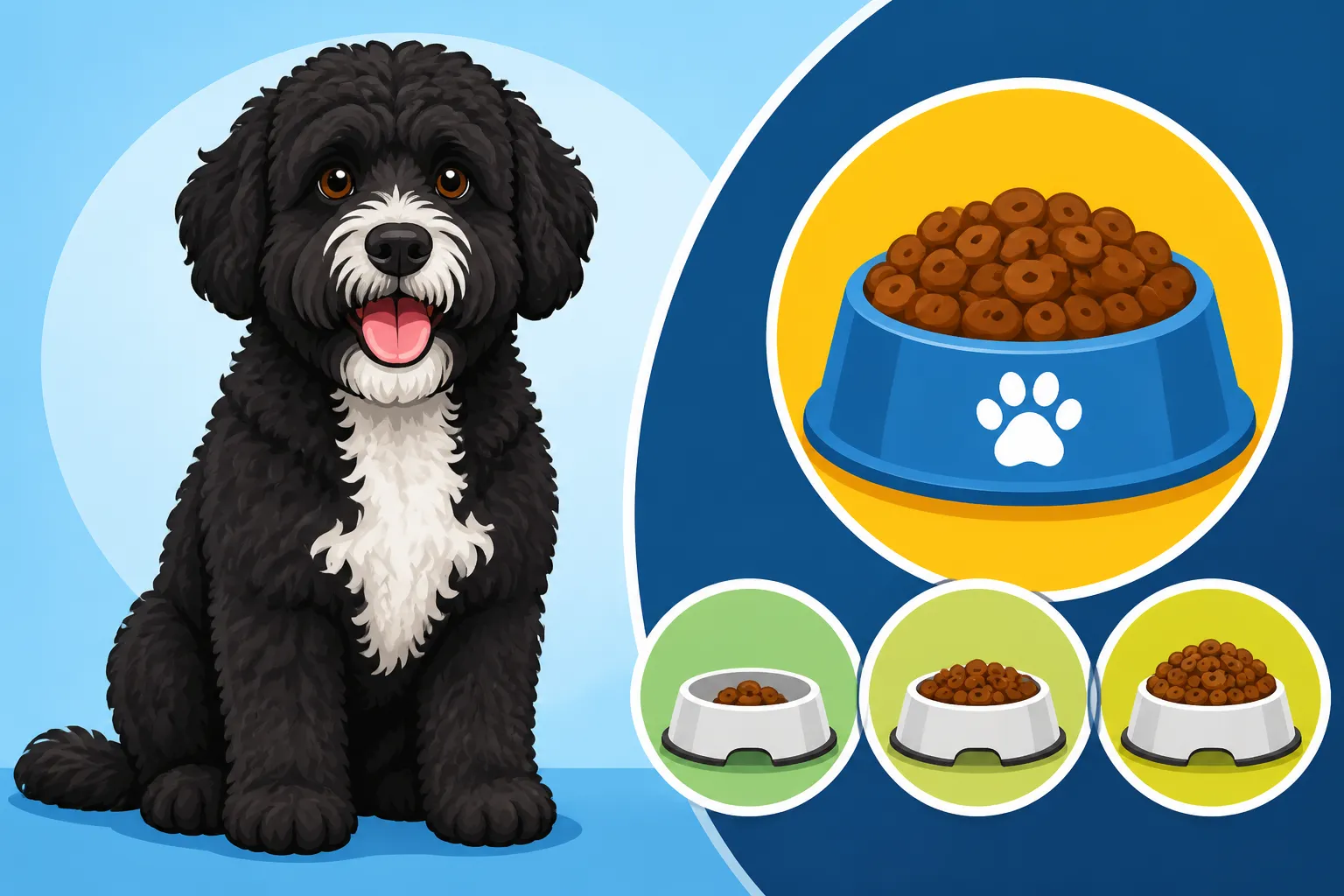
How Much an Adult Portuguese Water Dog Eats
It’s a common scenario: you’re standing in the kitchen, scooping kibble into your Portuguese Water Dog’s bowl, and you just wonder. Are they getting enough? Too much? Their boundless energy and beautiful, dense coat can make it tricky to tell if your furry friend is truly thriving on their current diet. This comprehensive guide will dispel the myths and offer clear, actionable advice on how much an adult Portuguese Water Dog typically eats, ensuring their health, happiness, and vibrant energy are perfectly fueled.
Understanding Your Portuguese Water Dog's Unique Energy Demands
Portuguese Water Dogs are not your average couch potatoes; they are a breed built for work, a legacy that heavily influences their dietary needs. If you've ever felt like your PWD has an endless battery pack, you're not wrong – and their food intake needs to reflect that.
The Active Nature of the Breed
Think back to their ancestors, working tirelessly on fishing boats off the coast of Portugal. These dogs were retrieving lost tackle, herding fish into nets, and swimming between boats for hours on end. That incredible drive and physical prowess are still very much ingrained in our modern-day Portuguese Water Dogs. They possess a high metabolism and an innate desire for activity, whether that's swimming, hiking, playing vigorous fetch, or participating in dog sports like dock diving or agility.
Because of this intense activity level, a Portuguese Water Dog typically requires more calories than many other breeds of a similar size. When they don't get enough physical and mental stimulation, or sufficient fuel, problems can arise. An under-exercised Portuguese Water Dog, for instance, can quickly become destructive, channeling their pent-up energy into chewing furniture or barking excessively. Understanding this foundational need for activity is the first step in appreciating why their diet is so crucial. If you're struggling to keep up with their exercise, you might want to read The Portuguese Water Dog That Has Not Had Enough Exercise.
Metabolism and Individual Differences
While the breed generally runs on high octane, it's vital to remember that every Portuguese Water Dog is an individual. Just like people, some dogs have a naturally faster metabolism than others, burning through calories more quickly even at rest. Factors such as age, genetics, and whether they are spayed or neutered can also significantly influence their metabolic rate. A young, intact male PWD might be a lean, mean, calorie-burning machine, while an older, spayed female might have a slower metabolism and gain weight more easily.
Environmental factors also play a subtle role. Dogs living in colder climates might expend more energy just to stay warm, increasing their caloric needs. Stress can also impact appetite and digestion, leading to variations in how well a dog utilizes the nutrients in their food. This means that while we can offer general guidelines, the 'perfect' amount for your PWD will always be a dynamic target that requires observation and adjustment.
Calculating Daily Caloric Needs
Estimating your dog's daily caloric needs might sound like a job for a mathematician, but it's a useful concept to grasp. Veterinarians often use a formula to calculate a dog's Resting Energy Requirement (RER), which is the number of calories needed for basic bodily functions. Then, this RER is multiplied by an "activity factor" to account for their lifestyle. For a highly active breed like the Portuguese Water Dog, that activity factor will be on the higher end.
While we won't get into complex calculations here, understanding this principle helps illustrate why generic feeding charts on dog food bags can be so misleading. A truly active PWD will need significantly more calories than a sedentary one, even if they weigh the same. This calculation is merely a starting point, a scientific educated guess, that your veterinarian can help you refine. Your PWD's unique body, activity, and metabolism will be the ultimate guide.
General Feeding Guidelines for Adult PWDs
Moving from theory to practice, let's talk about the everyday reality of feeding your Portuguese Water Dog. It's not just about tossing food in a bowl; it's about choosing the right fuel and understanding how to portion it effectively.
Reading Dog Food Labels and Their Limitations
Most dog food bags come with a feeding chart, suggesting a certain number of cups or grams per pound of body weight. While these charts provide a starting point, they are often notoriously generic and, frankly, frequently recommend more food than your dog actually needs. These guidelines are usually based on an average dog with an average activity level, which often doesn't apply to a high-energy Portuguese Water Dog, nor do they account for the calorie density of the specific food you've chosen.
The calorie count per cup can vary wildly between brands and formulas. A high-quality kibble designed for active dogs will pack more nutrients and calories into a smaller volume than a lower-quality, filler-heavy food. Always check the "guaranteed analysis" and look for a food that lists a reputable organization's statement that the food provides "complete and balanced nutrition" for adult dogs. Prioritizing quality ingredients, particularly protein and healthy fats, over sheer volume will provide better nourishment for your athletic companion. For insights into suitable diets, consider Feeding an Athletic Portuguese Water Dog.
Typical Daily Portions for a PWD
Given their energy levels and typical weight range (around 40-60 pounds for adults), a Portuguese Water Dog generally requires between 2 to 4 cups of high-quality dry kibble per day. However, this is a very broad spectrum, and your dog's specific needs might fall outside of it. For instance, a PWD that spends an hour or two swimming or running daily will need significantly more fuel than one whose exercise consists primarily of leashed walks around the block.
It's also generally recommended to divide their daily food allowance into two meals, rather than one large one. This can aid digestion, help maintain stable energy levels throughout the day, and reduce the risk of bloat, although PWDs are not as prone to this as some other deep-chested breeds. Starting with a mid-range amount (e.g., 2.5-3 cups for a moderately active PWD) and then carefully observing their body condition is the most reliable approach.
Here's a general approximation to give you a clearer picture, but remember to always consult your veterinarian for personalized advice.
| PWD Weight (approx) | Activity Level | Estimated Daily Calories (kcal) | Estimated Cups per Day (high-quality kibble) |
|---|---|---|---|
| 40-50 lbs | Low/Senior | 900-1100 | 2 – 2.5 |
| 40-50 lbs | Moderate | 1100-1300 | 2.5 – 3 |
| 40-50 lbs | High/Working | 1300-1600+ | 3 – 4+ |
| 50-60 lbs | Low/Senior | 1000-1200 | 2.5 – 3 |
| 50-60 lbs | Moderate | 1200-1450 | 3 – 3.5 |
| 50-60 lbs | High/Working | 1450-1800+ | 3.5 – 4.5+ |
| Note: These are approximations for a good quality kibble. Always consult your veterinarian and adjust based on your dog's individual needs, specific food's calorie content, and body condition. |
The Importance of a Balanced Diet
Beyond the sheer quantity, the quality and balance of your Portuguese Water Dog's diet are paramount. A diet rich in high-quality animal protein is essential for maintaining their strong muscles, healthy skin, and that gorgeous, distinctive coat. Healthy fats, such as Omega-3 and Omega-6 fatty acids, contribute to joint health, a shiny coat, and overall vitality. Complex carbohydrates provide sustained energy for their active lifestyle, while a full spectrum of vitamins and minerals ensures all bodily systems function optimally.
When selecting a food, look for one that lists a high-quality meat source (like chicken, beef, or salmon) as the first ingredient. Reputable brands will formulate their food to meet the nutritional levels established by the Association of American Feed Control Officials (AAFCO). Whether you choose dry kibble, wet food, or explore fresh food diets, ensure it's specifically designed for adult dogs and offers complete and balanced nutrition. Some owners even consider fresh food delivery services like Ollie for tailored nutrition, or explore the wide variety of options available on platforms like Chewy and Amazon, where you can read reviews and compare ingredients.
Monitoring Weight and Body Condition
One of the biggest challenges for Portuguese Water Dog owners, especially those new to the breed, is accurately assessing their dog's weight. That thick, often curly coat can be incredibly deceiving, masking both unwanted weight gain and concerning weight loss. You can't just look at them and know!
How to Assess Body Condition Score (BCS)
The Body Condition Score (BCS) is a more accurate tool than just stepping on a scale. It involves both looking and feeling your dog. A healthy adult Portuguese Water Dog should have a lean, athletic build. When you gently run your hands along their sides, you should be able to easily feel their ribs, but not see them prominently. Their waist should be visible when viewed from above, tapering in slightly behind the ribcage, and they should have a discernible abdominal tuck when viewed from the side.
If you can easily see prominent ribs, hip bones, or vertebrae, your PWD might be too thin. Conversely, if you have to press hard to feel the ribs, or if there's no clear waistline, your dog is likely overweight. Learning to check How to Feel a Portuguese Water Dog's Ribs Under the Coat is an invaluable skill for any PWD owner. Maintaining an ideal BCS helps prevent a host of health problems, from joint strain to reduced lifespan.
Recognizing Signs of Under- or Overfeeding
Recognizing the subtle signs that your PWD is not at their ideal weight requires consistent observation. If your dog is underfed, beyond the visual cues of prominent bones, you might notice a general lack of energy or enthusiasm, even for activities they normally love. Their coat might appear dull, or their stool consistency could change. Puppies who aren't getting enough might fail to thrive, which is a serious concern.
On the flip side, overfeeding can manifest as lethargy, reduced stamina during exercise, or even reluctance to engage in play. While their thick coat can hide extra pounds, you might notice them panting more easily or struggling to jump into the car. Over time, being overweight significantly increases the risk of joint problems like hip and elbow dysplasia, as well as diabetes and heart conditions. It's truly shocking how well How a Portuguese Water Dog's Coat Hides Weight Loss and weight gain, making the 'hands-on' BCS assessment so critical. Pay attention to Signs a Portuguese Water Dog Is Overweight and address them promptly.
Adjusting Food Portions Based on Activity and Season
The amount of food your Portuguese Water Dog needs isn't static; it's a dynamic equation that changes with their activity levels, age, and even the seasons. Did you take a longer hike than usual, or spend a full day at the lake swimming and retrieving? Your dog will likely need a bit more food to replenish those burned calories. Conversely, if bad weather keeps you indoors for a few days, or if they're recovering from an injury and less active, you'll need to slightly reduce their portion to prevent unwanted weight gain.
Seasonal changes can also play a role. During colder months, especially if your PWD spends a lot of time outdoors, they might require slightly more calories to maintain their body temperature. You may recall the need to adjust When a Portuguese Water Dog Needs Extra Calories in Winter. In contrast, during very hot summer days, their activity might naturally decrease, and their caloric needs could drop slightly. The key is constant vigilance and small, incremental adjustments to their food intake, rather than drastic changes.
Tailoring Diet for Specific Lifestyles and Life Stages
Just as a human athlete needs different nutrition than a senior citizen, your Portuguese Water Dog's diet should evolve to meet their specific life stage and lifestyle demands. One-size-fits-all simply doesn't work for this versatile and active breed.
Feeding the High-Energy, Working PWD
For Portuguese Water Dogs engaged in demanding activities like competitive dock diving, advanced water trials, agility, or those with daily, intense exercise routines, their caloric and nutritional needs soar. These dogs are essentially canine athletes, and their diet must support peak performance and rapid recovery. A regular adult maintenance formula might not cut it.
These working PWDs often benefit from performance-oriented dog foods that are higher in protein and fat. The increased protein helps repair and build muscle, while higher fat content provides a concentrated source of energy for sustained endurance. You might find you need to feed them 3.5-4.5 cups or more per day, depending on the intensity and duration of their work. It's a fine balance, because you don't want them to carry any extra weight that could hinder their speed or agility. Timing meals can also be important; some owners prefer to feed a portion of their meal several hours before intense activity and the remainder after. Consider delving into How Much a Working Portuguese Water Dog Eats for more specifics.
Dietary Needs for Senior Portuguese Water Dogs
As your beloved Portuguese Water Dog enters their golden years, typically around ages 8-9, their metabolism often begins to slow down, and their activity levels may naturally decrease. This means their caloric needs will likely reduce. Continuing to feed them the same amount of food they ate in their prime can quickly lead to weight gain, which can exacerbate age-related issues like arthritis or mobility problems.
However, reducing calories doesn't mean sacrificing nutrition. Senior PWDs still need high-quality protein to maintain muscle mass, as muscle wasting can be a concern in older dogs. Many senior dog foods are formulated with fewer calories but often include joint-supporting ingredients like glucosamine and chondroitin, or may have higher levels of omega-3 fatty acids for anti-inflammatory benefits. Softer foods might also be beneficial if dental issues arise. Regular veterinary check-ups become even more critical during this stage to monitor their health and adjust their diet as needed. Our post Caring for an Aging Portuguese Water Dog offers more in-depth advice.
Addressing Health Conditions and Special Diets
Occasionally, a Portuguese Water Dog might develop a health condition that necessitates a special diet. For example, some PWDs might develop food sensitivities or allergies, leading to skin issues or digestive upset. In such cases, your veterinarian might recommend a limited ingredient diet, a hypoallergenic formula, or a novel protein diet to identify and avoid triggers. Other conditions, like kidney disease, liver issues, or certain types of gastrointestinal problems, also require prescription diets formulated to support organ function and manage symptoms.
It’s truly disheartening when your dog isn’t feeling well, and diet can often be a powerful tool in their recovery or management. If your Portuguese Water Dog starts showing any signs of digestive upset, changes in appetite, or unexplained weight fluctuations, it's crucial to consult your vet immediately. They can diagnose the underlying issue and guide you toward the most appropriate therapeutic diet. Never attempt to diagnose or treat a health condition with diet changes alone without professional veterinary advice. If you suspect your PWD might have issues, a read of Whether a Portuguese Water Dog Has a Sensitive Stomach could be useful.
Practical Tips and Common Mistakes
Successfully managing your Portuguese Water Dog's diet isn't just about measuring kibble; it also involves understanding the nuances of treats, hydration, and avoiding common pitfalls that can lead to unhealthy habits.
The Role of Treats and Chews
We all love to spoil our PWDs with treats – their intelligent, expressive eyes make it hard to resist! However, it's crucial to remember that every treat, every dental chew, every small bite of human food, contributes to their daily caloric intake. These seemingly small additions can quickly add up, turning a perfectly portioned meal into an overfed day.
Factor treats into their daily allowance. If you use treats frequently for training, opt for small, low-calorie options. Many owners find healthy vegetables like carrots or green beans can be excellent, low-calorie alternatives. For longer-lasting chews, consider options that are digestible and won't add excessive calories. Always ensure treats make up no more than 10% of your dog's total daily calories to prevent nutrient imbalance and weight gain.
Hydration and Water Intake
Given their heritage as water dogs, it might seem obvious that Portuguese Water Dogs need plenty of water, but it's worth emphasizing just how critical proper hydration is. Especially for active PWDs who love to swim, run, and play, adequate water intake is essential for all bodily functions, including digestion, temperature regulation, and joint lubrication.
Always ensure your PWD has access to fresh, clean water, both indoors and outdoors. If they are particularly active, consider carrying a portable water bottle and bowl on outings. While they may swallow some water while swimming, don't rely on pool or lake water for their primary hydration needs, as it may not be clean or appropriate for drinking. Providing plenty of clean drinking water, especially after vigorous activity, is key to their well-being. To learn more about their daily intake, see How Much Water a Portuguese Water Dog Drinks a Day.
Avoiding Overfeeding and Maintaining Discipline
The most common mistake owners make, even with the best intentions, is overfeeding. Those big, soulful eyes staring up at you as you eat, or the enthusiastic begging dance, can be hard to resist. However, consistency and discipline are vital. Stick to measured portions and avoid free-feeding, where food is left out all day. Free-feeding makes it impossible to accurately track intake and is a fast track to an overweight dog.
Involve all family members in understanding and adhering to the feeding schedule and portion sizes. If everyone is sneaking extra treats or topping off the bowl, your efforts will be undermined. For PWDs who tend to gulp their food down too quickly, consider using a slow feeder bowl, which can improve digestion and make mealtime more engaging. Remember, a slightly hungry Portuguese Water Dog is generally a healthy, active, and motivated one.
Where to Buy Quality Dog Food
Finding the right food for your Portuguese Water Dog is easier than ever with a plethora of options available. Many dedicated pet supply stores carry a wide range of premium dog foods, and their staff can often provide valuable advice on different brands and formulas. For convenience and selection, online retailers have become incredibly popular.
Websites like Chewy offer an extensive selection of dog foods, from dry kibble to wet food and even specialty diets, often with customer reviews that can help guide your decision. Amazon is another popular platform where you can find many reputable dog food brands, often with fast delivery. If you're interested in exploring fresh, human-grade food options, companies like Ollie provide tailored meal plans delivered right to your door, which can be an excellent choice for a breed with specific nutritional demands like the PWD. No matter where you shop, always prioritize researching the brand, checking ingredient lists, and ensuring the food meets AAFCO nutritional standards.
Disclaimer
This article is for general informational purposes only and does not constitute professional advice. Laws, prices and regulations vary by location and change over time. Consult a qualified professional for guidance on your specific situation.