Whether a Portuguese Water Dog Follows a Boat
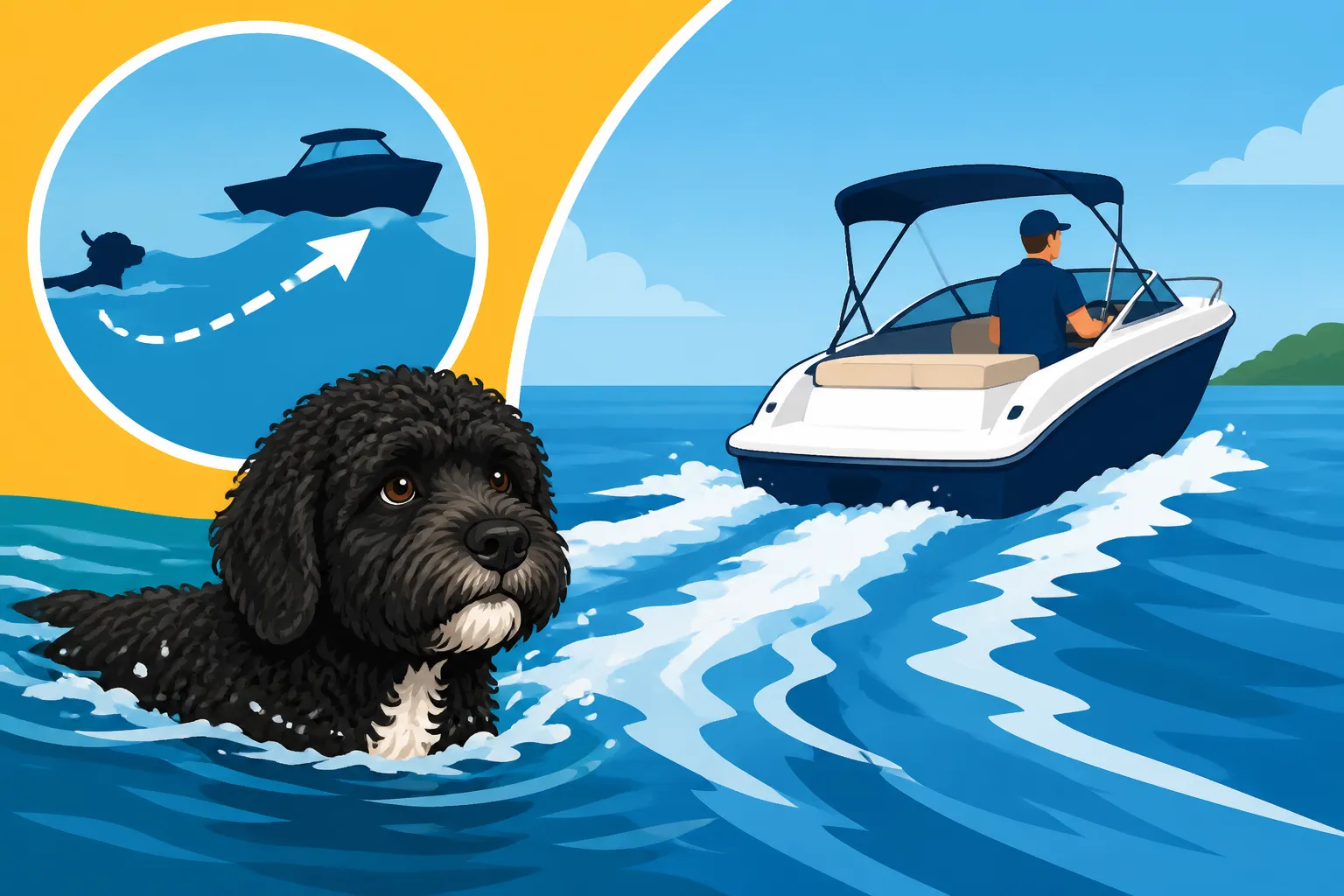
One common image many prospective Portuguese Water Dog owners dream of is their faithful companion joyfully following alongside their boat, splashing through the waves. It’s a beautiful vision, but the reality of a dog following a moving vessel, especially with modern boats and diverse waterways, comes with a lot of questions and critical safety concerns. This guide will dive deep into the Portuguese Water Dog's innate drive to be with you on the water, what it truly means for them to "follow a boat," and the practicalities and precautions you need to consider to make any water adventure safe and enjoyable for everyone.
The Instinct to Follow: A Deep Dive into PWD Heritage
When we talk about a Portuguese Water Dog's desire to "follow a boat," we're really tapping into centuries of their breed's history. These aren't just dogs that like water; they were literally bred for it, and their entire existence revolved around working closely with their human partners on fishing vessels off the coast of Portugal. It’s in their DNA to be part of the action, to be useful, and to stay connected to their people, even when those people are on the move on the water.
Their Historical Role with Fishing Vessels
Imagine a time before radar and advanced communication, when fishermen relied heavily on their dogs for a multitude of tasks. Portuguese Water Dogs were indispensable crew members. They were bred to retrieve lost tackle, carry messages between boats, and even drive fish into nets. This wasn't a casual dip; this was intense, prolonged work in the ocean. To perform these tasks, they had to be constantly aware of the boat's position, the fishermen's commands, and their own role. They had to be able to swim out, complete a task, and then return to the moving vessel. This requires an incredible bond, keen intelligence, and an unwavering focus on their human companions, no matter the environment. The idea of "following" wasn't just a fun pastime; it was their job description. They needed to stay with the boat, retrieve, and get back onboard. You can learn more about this incredible history in A Portuguese Water Dog Was Bred to Work a Boat, Not a Yard and How a Portuguese Water Dog Worked a Net.
The Natural Drive to Stay with Their "Pack"
Beyond their specific job duties, Portuguese Water Dogs possess a strong "pack" instinct. They are deeply devoted companions who thrive on being part of their family's activities. For a PWD, the boat isn't just a vessel; it's an extension of their home, and their family is on it. This ingrained desire to be close to you means that if you're on a boat, their natural inclination will be to stay near you, whether that's physically on board or, if given the chance, in the water trailing behind. This isn't just about obedience; it's about their fundamental nature as a loyal working dog. They want to be involved, to contribute, and to share in the adventure. This can manifest as swimming excitedly alongside, or, if not properly managed, trying to jump in to join you when you'd rather they stayed dry.
How Their Physical Traits Support Following
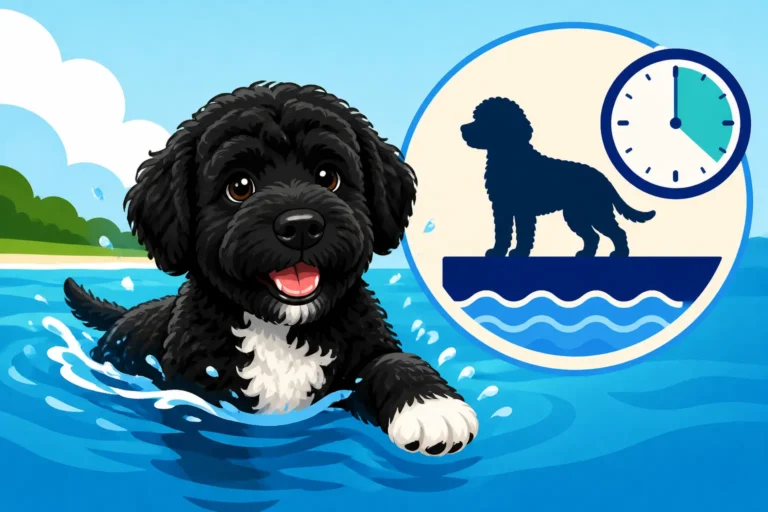
It’s no accident that Portuguese Water Dogs are such phenomenal swimmers. Every aspect of their physical design seems purpose-built for the water. Their dense, single coat is practically waterproof, providing insulation in cold water and drying relatively quickly. Their powerful, muscular bodies are built for endurance, allowing them to swim for extended periods without tiring easily. And, of course, their famous webbed feet act like natural paddles, giving them incredible propulsion and agility in the water. Their strong, rudder-like tail helps them steer and balance, even in choppy conditions. These traits, developed over generations of working the seas, make them incredibly capable in aquatic environments, fueling their confidence and desire to be in the water, and making the act of "following" a natural expression of their physical prowess. How Much a Portuguese Water Dog's Webbing Adds to Its Speed and Why a Portuguese Water Dog's Tail Works as a Rudder explain more about these unique features.
Training Your Portuguese Water Dog to Follow Safely
While the instinct to follow is strong, simply letting your Portuguese Water Dog jump in and follow your boat without proper training and safety measures is asking for trouble. Modern boats move faster, waterways are busier, and there are many more hazards than a fisherman faced centuries ago. Safe "following" is about controlled participation, not reckless abandon.
Foundation Recall and Water Control
The absolute cornerstone of allowing your Portuguese Water Dog to safely follow a boat is impeccable recall. This isn't just coming when called in the backyard; it's coming when called over the roar of an engine, against the distraction of other boats, or from a strong current. Begin by building a rock-solid recall on land, then introduce it in calm, controlled water environments, gradually increasing distractions. Use high-value rewards and make it the most exciting thing in the world to return to you. Practice Teaching a Portuguese Water Dog to Swim on Cue and getting them out of the water, not just into it. They need to understand that "come" means "come now, no matter what," for their own safety. A long line can be a valuable training tool in early stages, allowing you to gently guide them back to the boat or shore if they get distracted.
Teaching Them to Stay With the Boat, Not Just After It
There's a big difference between a dog swimming with the boat, under your command, and a dog just swimming after it, potentially getting exhausted or lost. You want your PWD to understand boundaries. This might mean teaching them a "stay" command on board, or a specific command for swimming alongside at a controlled pace. If you're moving slowly, they might be able to keep pace. If you're picking up speed, they need to understand that it's time to re-board. This often involves positive reinforcement for correct behavior—lots of praise and treats for staying in their designated spot on the boat, or for swimming at an appropriate distance when you give the "swim alongside" cue. The goal is a partnership, not just them trying to keep up.
The Importance of Consistency and Positive Reinforcement
Training a Portuguese Water Dog for boat work, even just for safe following, requires immense consistency. Every interaction on or near the water is a training opportunity. If you sometimes let them jump in without a cue, and other times demand a "wait," they'll get confused. Establish clear rules and stick to them. Positive reinforcement is key with this intelligent and sensitive breed. Harsh corrections can make them shut down or associate the water with negative experiences, which is the last thing you want for a water dog. Instead, reward every small success: a calm boarding, staying put when asked, a swift recall from the water. Make it a fun game where cooperating with you leads to good things. Remember, they are bred to think for themselves, so you need to make your way of doing things the most appealing option. What a Harsh Word Does to a Portuguese Water Dog's Water Work illustrates this point well.
Safety Considerations When Boating with a Portuguese Water Dog
The open water, while a natural habitat for your PWD, is also full of potential dangers. Responsible boat ownership with a Portuguese Water Dog means prioritizing their safety above all else. This isn't just about fun; it's about life-saving measures.
Essential Gear: Life Jackets and Leashes
This is non-negotiable. Every Portuguese Water Dog on a boat should wear a properly fitted dog life jacket. While they are exceptional swimmers, even the best swimmer can get disoriented, injured, or exhausted in unforeseen circumstances. A life jacket provides buoyancy, making it easier for them to stay afloat and conserve energy, especially if they end up in the water unexpectedly or if you need to retrieve them. Many dog life jackets also have a sturdy handle on the back, which is absolutely invaluable for lifting your PWD back onto the boat, especially if they are tired or if you're in rough water. Think about how heavy a wet PWD can be!
| Feature | Importance for PWD Life Jacket |
|---|---|
| Buoyancy | Essential for tired dogs, long swims, or emergencies. |
| Fit | Snug but comfortable, allowing full range of motion. Prevents slipping. |
| Grab Handle | Crucial for easily lifting your dog back into the boat. |
| Bright Color | Increases visibility in water, especially in low light or choppy conditions. |
| D-Ring/Leash Clip | For securing your dog on board or attaching a retrieval line. |
Additionally, always have a leash readily available on board. Even if your dog has perfect recall on land, a boat environment is different. A leash can prevent them from jumping overboard when you least expect it, or keep them securely tethered if you're docking or in a crowded area. Having a dedicated boat leash that floats is an excellent idea, so if it goes overboard, it's not lost to the deep. You can read more about When a Portuguese Water Dog Needs a Life Jacket.
Environmental Factors: Currents, Other Boats, and Water Temperature
The natural environment of rivers, lakes, and oceans presents numerous variables that can quickly turn a fun outing into a dangerous situation. Strong currents can sweep even a powerful swimmer like a PWD away surprisingly fast. Always assess the water conditions before allowing your dog to swim, and be mindful of changes. Other boats are a huge concern; jet skis, powerboats, and even sailboats can be hard for a dog in the water to see, and for their operators to spot a swimming dog. Always keep your dog highly visible and under close supervision. Consider water temperature too; while PWDs have a great coat for insulation, prolonged exposure to very cold water can still lead to hypothermia. Know the signs of fatigue or distress in your dog, such as lagging behind, excessive panting, or struggling to keep their head above water. How Long a Portuguese Water Dog Can Stay in Cold Water provides important insights into this.
Supervision and Boundaries
Ultimately, you are your Portuguese Water Dog's primary protector on the water. Constant, vigilant supervision is non-negotiable. Never assume they'll just "be fine." Be aware of their location, their energy levels, and any potential hazards. Establish clear boundaries for when and where they can be in the water, and when they must stay on board. This might mean having a designated "swim time" rather than an open invitation to jump in whenever they please. If you're navigating tricky waters, docking, or in a busy area, your PWD should be secured on board. Remember, a boat is a dynamic environment, and things can change rapidly. Your dog needs to be managed proactively to ensure their safety.
When Following Isn't the Best Option: Alternatives and Precautions
As much as we love seeing our PWDs in their element, there are definitely times when having them "follow the boat" is simply not safe or practical. Recognizing these situations and having alternative plans is crucial for responsible pet ownership.
Situations Where It's Too Dangerous
There are many scenarios where letting your Portuguese Water Dog swim behind the boat is an unacceptable risk. High boat traffic areas, for instance, are incredibly dangerous. The wakes from other boats can disorient and exhaust your dog, and the risk of collision is simply too high. Swift currents, especially near dams, locks, or narrow channels, can quickly overwhelm even the strongest swimmer. In inclement weather, such as storms or heavy chop, your dog's visibility drastically decreases, and the water becomes much more challenging to navigate. Also, consider the water quality. Some lakes or rivers can have harmful algal blooms, parasites, or pollutants that are unsafe for your dog to ingest or swim in. If there's any doubt about safety, keep your PWD on board, or better yet, leave them ashore for that particular trip.
Ensuring Their Well-being if They're Not Actively Swimming Behind
Just because your PWD isn't actively swimming behind the boat doesn't mean they can't enjoy the boat trip! Many Portuguese Water Dogs are perfectly content to ride along, taking in the sights and sounds from the safety of the deck. Ensure they have a comfortable, shaded spot to relax, especially on sunny days. Non-slip matting can provide better footing and prevent accidental tumbles. Offer plenty of fresh drinking water to keep them hydrated; the excitement and sun can dehydrate them quickly. Consider bringing along a favorite chew toy or puzzle feeder to keep them mentally stimulated while on board. And, of course, regular potty breaks are a must – either on shore or with a designated potty patch on deck if it's a longer journey. Keep them engaged and comfortable, and they'll likely enjoy the ride just as much as a swim.
Alternative Water Activities
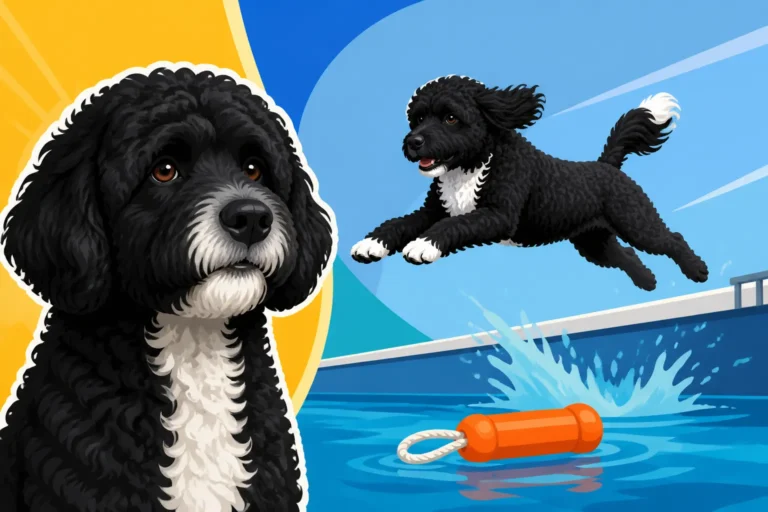
If following the boat isn't an option, there are still plenty of ways to let your Portuguese Water Dog revel in their love for water. Dock diving is an incredibly popular sport for PWDs, allowing them to showcase their jumping and retrieving skills in a controlled environment. Water trials are another fantastic way to tap into their working heritage, simulating the tasks their ancestors performed for fishermen. Even a simple game of fetch with a floating toy from a dock or beach can be a fulfilling water activity. Exploring calm, clear swimming holes or dog-friendly beaches offers a safe space for them to swim and explore. These alternatives allow your PWD to burn off energy and enjoy the water without the inherent risks of swimming behind a moving boat. Remember, the goal is always to provide safe and enriching experiences. Dock Diving and Water Trials With a Portuguese Water Dog details these exciting sports.
This article is for general informational purposes only and does not constitute professional advice. Laws, prices and regulations vary by location and change over time. Consult a qualified professional for guidance on your specific situation.