What Dock Diving Asks of a Portuguese Water Dog
Many Portuguese Water Dog owners find themselves gazing at a dock diving competition, wondering if their water-loving companion could ever achieve such spectacular leaps. The truth is, while your PWD is certainly bred for water, transforming that natural instinct into a competitive dock diving machine takes a very specific blend of physical prowess, mental fortitude, and dedicated teamwork between you and your dog. This guide will meticulously break down exactly what dock diving demands from a Portuguese Water Dog, helping you understand the commitment involved and whether this exciting sport is the right path for your furry friend.
Understanding the Portuguese Water Dog's Natural Aptitude for Water Sports
Let's be real, a Portuguese Water Dog (PWD) isn't just good at water activities; they were literally born for them. Their ancestors spent generations working tirelessly alongside fishermen on the coasts of Portugal, retrieving lost gear, carrying messages between boats, and even driving fish into nets. This isn't just a fun fact; it's deeply ingrained in their genetic makeup and shapes their physical and behavioral traits today.
A Legacy of Water Work
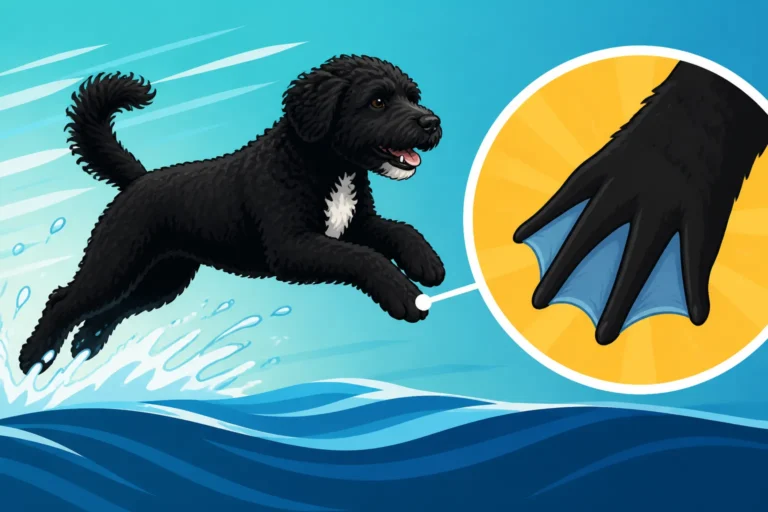
Imagine the rugged Atlantic coast, the crashing waves, and the unpredictable nature of fishing. These dogs weren't pets; they were essential crew members. Their job demanded not only a love for the water but also exceptional stamina, problem-solving skills, and an unwavering drive to retrieve. This historical context is vital to understanding why your PWD, even if they've never seen a fishing boat, still possesses those powerful instincts. They have webbed feet, a waterproof single coat, and a robust build, all perfectly designed for aquatic tasks. You can learn more about What a Portuguese Water Dog Was Bred to Do on a Boat and Why a Portuguese Water Dog Has Webbed Feet to really appreciate this rich heritage. This inherent love for water is your biggest asset when considering dock diving. It's not about forcing them into something; it's about channeling an existing passion.
Instinctive Drives and Motivation
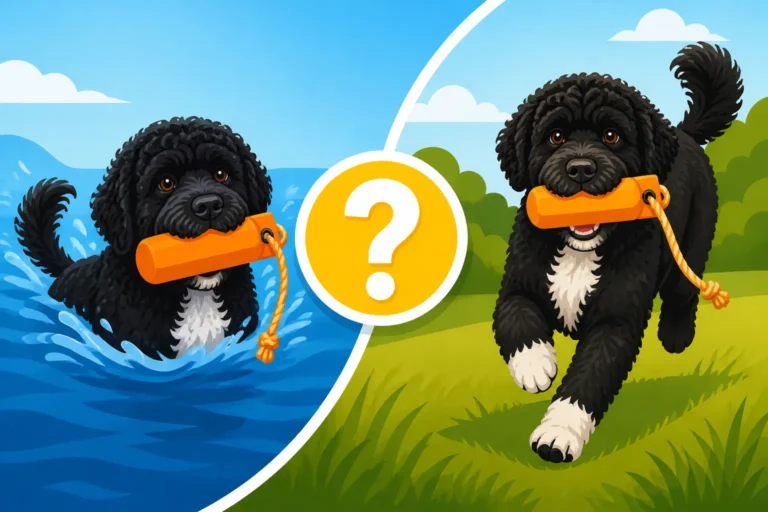
Beyond just loving water, PWDs possess a strong prey drive and an intense retrieve instinct. This means they are naturally inclined to chase and bring back objects, especially if those objects are moving or falling. Dock diving leverages this instinct beautifully. The sight of a favorite toy soaring through the air, only to splash down into the water, triggers their inherent desire to pursue and capture. This isn't just about a casual game of fetch in the backyard; it's about a deep, primal drive that motivates them to launch themselves with incredible force and determination. It's this powerful motivation that makes them such strong candidates for a sport like dock diving, where every jump is essentially an amplified game of retrieve.
The Physical Demands of Dock Diving
While your Portuguese Water Dog might look like an eager, energetic bundle of curls, dock diving is a serious athletic endeavor. It asks a lot of their body, requiring more than just a casual splash; it demands explosive power, sustained speed, and remarkable coordination.
Power, Speed, and Endurance
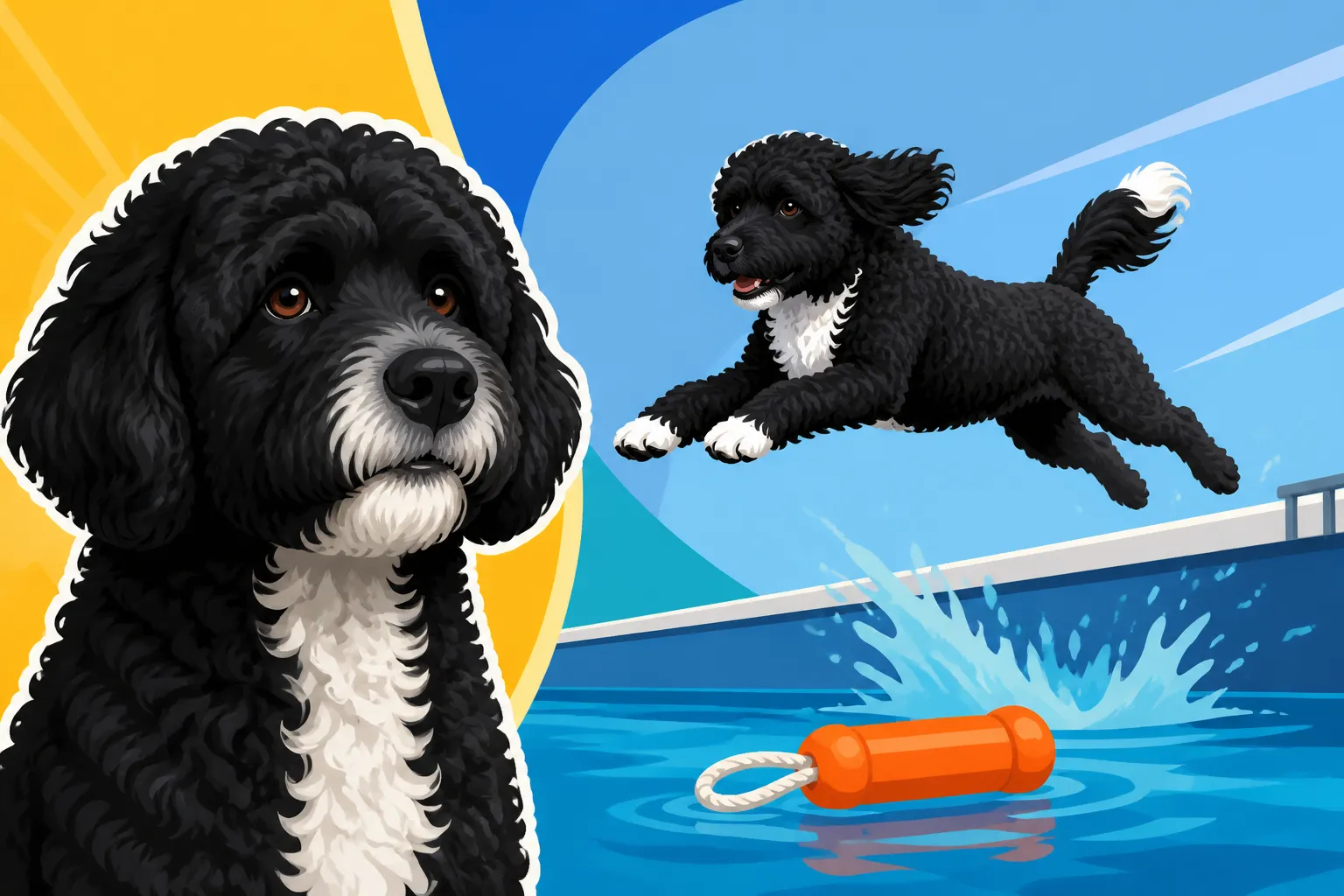
Think about what happens in a dock diving jump: your PWD rockets off a platform, hurtles through the air, and then plunges into the water, often covering a significant distance. This sequence requires immense muscular power, especially in their hindquarters for that initial explosive launch. Their powerful swimming ability, aided by those wonderful webbed feet, then propels them quickly to the toy. For competitions, dogs often perform multiple jumps in quick succession, demanding significant cardiovascular endurance and stamina. You can't just expect your dog to show up and perform these feats without proper conditioning. Their muscles need to be strong, their joints healthy, and their overall fitness level high to prevent injuries. Concerns about joint health, like Hips and Joints in a Portuguese Water Dog, are particularly relevant here, as repeated high-impact jumps can strain these areas if not managed correctly.
Agility and Coordination
Dock diving isn't just about raw power; it also requires a surprising amount of agility and coordination. The dog needs to time their jump perfectly with the handler's throw, adjust their body mid-air to maximize distance and maintain balance, and then execute a controlled, efficient entry into the water. A sloppy launch or an awkward landing can not only reduce their distance but also increase the risk of injury. This isn't just a simple run and jump; it's a dynamic athletic maneuver that requires spatial awareness and fine motor control. Imagine them twisting slightly in the air to correct their trajectory or adjusting their paws for a smooth entry – these are subtle but crucial elements of successful dock diving that require a well-coordinated and agile canine athlete.
The Mental and Training Requirements for Dock Diving
It’s easy to focus on the physical side of dock diving, but the mental game is just as, if not more, important for a Portuguese Water Dog. Their intelligence and independent nature, while wonderful traits, can present unique challenges in a sport that demands intense focus and seamless teamwork.
Focus and Drive
Portuguese Water Dogs are incredibly smart, and sometimes that intelligence manifests as a desire to "do it their way." In dock diving, however, precise execution and intense focus are paramount. Your dog needs to be utterly fixated on the toy and the task at hand, ignoring the barking dogs, the cheering crowds, the strange sounds of the facility, and any other distractions that might pull their attention away. This isn't always easy for a breed that was Training a Portuguese Water Dog That Was Bred to Think for Itself. They might come up with their own, less efficient methods of getting the toy if their focus wavers. Building this level of singular focus requires consistent, positive training that makes the toy and the jump the most exciting thing in their world. You’ll be working to channel their natural drives into a highly structured and rewarding activity.
Handler-Dog Teamwork
Dock diving is very much a team sport. While your dog does the jumping, your role as the handler is absolutely critical. Your timing for releasing the toy, the trajectory and speed of your throw, and your enthusiasm on the dock all directly impact your dog's performance. A well-timed throw can motivate a longer jump, while a poorly timed one can throw your dog off balance or cause hesitation. Building this kind of synchronicity takes practice, communication, and a deep understanding of your dog's cues and motivations. It's about developing a silent language where your body language and vocal cues guide your dog to peak performance. Training platforms and online courses, like those offered by BAXTER & Bella, often emphasize building this strong foundation of communication and trust, which is invaluable for any dog sport, including dock diving.
Confidence and Enthusiasm
Think about it from your dog's perspective: they're jumping off a raised platform into a body of water that might look very different from their usual swimming spots. Some dogs might be a little hesitant at first, especially with the height or the unfamiliar environment. Dock diving requires a dog that is not only eager to retrieve but also incredibly confident in themselves and their ability to execute the jump. They need to approach the dock with unbridled enthusiasm, viewing it as the most exciting game ever, rather than a daunting challenge. This confidence is built through positive experiences, consistent encouragement, and never forcing them into a situation they're not comfortable with. A dog that is truly enthusiastic will attack the dock with more speed and power, leading to better results and a much more enjoyable experience for both of you.
Starting Your Portuguese Water Dog in Dock Diving
Embarking on the dock diving journey with your Portuguese Water Dog should be a gradual, positive experience. You wouldn't throw a child into the deep end to teach them to swim, and the same gentle approach is crucial for your PWD, even with their inherent love for water.
Early Introduction to Water and Retrieval
Before you even think about a dock, your Portuguese Water Dog needs to have a solid, positive relationship with water itself. This means introducing them to water safely and happily from a young age. Start with shallow pools or calm lake shores, making it a fun game. Gentle retrieves of floating toys in knee-deep water are perfect for building their confidence and reinforcing their natural instincts. Gradually increase the depth and distance, always keeping it playful and rewarding. For more insights into this, check out The Age a Portuguese Water Dog Can Start Swimming. The goal is to make water an incredibly happy place, devoid of fear or pressure. If they don't love just splashing and retrieving in natural water, the elevated dock will only be more intimidating.
Building Foundation Skills
Beyond just loving water, your PWD needs a strong foundation of obedience and control. A reliable "sit-stay" is crucial at the end of the dock before their turn, and an immediate "come" command is essential for safety once they've retrieved their toy in the pool. Practicing retrieves on land, gradually increasing distance and speed, will also hone their drive and focus. Many PWDs also benefit from basic agility training, even just a few jumps over low hurdles or navigating a tunnel, as this builds body awareness and confidence in different environments. Consider enrolling in puppy classes or introductory obedience courses. These aren't just for manners; they build the communication and trust necessary for more advanced sports like dock diving. Look for local clubs or training facilities that offer beginner dock diving workshops. These sessions often involve getting dogs comfortable on the ramp, then slowly moving to a low jump, building up to the full dock.
Essential Gear and Safety for Dock Diving
Just like any athlete needs the right equipment and a focus on well-being, your dock-diving Portuguese Water Dog will benefit from specific gear and a diligent approach to health and safety. This isn't just about performance; it's about protecting your canine companion.
Choosing the Right Gear
When it comes to dock diving, not all toys are created equal. You'll need specific floating retrieve toys that are highly visible in the water, durable enough to withstand repeated enthusiastic grabs, and easy for your dog to spot and carry. Brands often found on Amazon offer a wide variety of these specialized toys, from floating bumpers to hard rubber balls designed for water play. It's wise to have a few favorites, as some dogs can be very particular. For safety, especially when first starting out or during long training sessions, a dog life vest is a smart investment. Even excellent swimmers can get tired, or an unexpected splash could disorient them. A vest provides buoyancy and often has a handle, making it easier to guide your dog in the water or assist them if needed. You can read more about When a Portuguese Water Dog Needs a Life Jacket for detailed considerations.
| Gear Item | Purpose | Key Features | Considerations |
|---|---|---|---|
| Floating Toys | Motivation, Retrieval | High visibility, durable, floats high, easy to grab | Have several, find what your dog loves most. |
| Dog Life Vest | Safety, Support, Endurance | Good fit, bright color, handles for lifting | Essential for beginners, long sessions, or uncertain swimmers. |
| Non-Slip Ramp/Steps | Safe Exit from Pool | Sturdy, wide, textured surface for grip | Ensure easy access to prevent strenuous climbs out of the water. |
| Long Line/Lead | Control & Guidance (during practice) | Lightweight, waterproof, 15-30 ft length | For teaching stay, recall, and managing excitement safely. |
| Towels | Drying & Comfort | Highly absorbent, quick-drying | Keep multiple handy for post-swim drying. |
| Treats | Reward & Motivation | High-value, small, easily digestible | Use sparingly for exceptional performance or focus. |
Prioritizing Health and Conditioning
Dock diving puts stress on a dog's body, so their physical health must be impeccable. Regular veterinary check-ups are non-negotiable. Your vet can assess their overall fitness, joint health, and discuss any pre-existing conditions that might make high-impact sports risky. It's also crucial to ask your breeder about health screenings, as a PWD should have certain genetic tests done. What a Portuguese Water Dog Breeder Should Have Tested is a great resource for understanding these critical health certifications. Before any jumping, a proper warm-up routine is essential – a brisk walk, some gentle stretches, and light play will prepare their muscles and prevent strains. Similarly, a cool-down walk after a session helps their body recover. Just like human athletes, dogs need to stay hydrated; always have fresh water available. And remember, multiple jumps are physically demanding, so allow for adequate rest between turns to prevent fatigue and overheating. Overdoing it can lead to injuries or a negative association with the sport.
Beyond the Jump: The Rewards and Challenges
Dock diving with a Portuguese Water Dog is certainly a journey, filled with highs and lows, but ultimately, it can be an incredibly rewarding experience that strengthens your bond and provides an unparalleled outlet for their energy.
The Joy of the Sport
Watching your Portuguese Water Dog launch themselves off a dock with pure exuberance, soaring through the air, and splashing down with joyful abandon is an incredible sight. Beyond the thrill of the jump itself, dock diving offers immense benefits for both you and your dog. It's a fantastic way to deepen your bond, as you work together as a team, relying on each other for cues and motivation. For a breed as intelligent and energetic as the PWD, it provides crucial mental and physical enrichment, tapping into their natural instincts in a highly structured and exciting way. This sport offers a powerful outlet for their How Much Exercise a Portuguese Water Dog Needs and their inherent retrieving drive. Many owners find that participating in dock diving fulfills a deep need in their PWD, leading to a happier, more content dog at home. It's truly a celebration of their unique capabilities and an excellent way to keep them engaged for years, as PWDs often enjoy retrieving for a long time. You'll probably find your dog would rather swim than run any day, making this sport a natural fit. You might even find yourself looking into What Water Trials Ask of a Portuguese Water Dog next!
Common Hurdles and How to Overcome Them
It would be unrealistic to pretend that every Portuguese Water Dog takes to dock diving instantly and flawlessly. There are common hurdles that many teams face. Some dogs might show initial hesitation on the dock, wary of the height or the unfamiliar structure. Others might struggle with focus, getting distracted by other dogs, people, or noises in the competition environment. Sometimes, a dog might simply lack the explosive drive needed for consistently long jumps, even if they love water.
The key to overcoming these challenges is patience, persistence, and positive reinforcement. If your dog is hesitant, break down the process into tiny, manageable steps. Start with just walking on and off the dock, then perhaps just standing at the edge, rewarding heavily for every small victory. Never force them. For focus issues, practice in increasingly distracting environments, making the toy and your interaction the most compelling thing there. High-value treats and enthusiastic praise work wonders. If drive is an issue, experiment with different toys, work on building retrieve drive with long-distance retrieves on land, and build up their excitement levels before each jump. Consulting with experienced dock diving trainers, either in person or through online resources (like the structured positive reinforcement approaches from BAXTER & Bella), can provide tailored advice and help you navigate specific difficulties. Remember, consistency is your best friend. Every session, whether a practice jump or just working on foundational skills, should be a fun, positive experience that builds confidence and strengthens your bond. In time, with the right approach, many PWDs can become enthusiastic and successful dock divers, maybe even exploring How a Portuguese Water Dog Can Do Agility or other sports.
Disclaimer
This article is for general informational purposes only and does not constitute professional advice. Laws, prices and regulations vary by location and change over time. Consult a qualified professional for guidance on your specific situation.