Whether a Portuguese Water Dog Swallows What It Chews
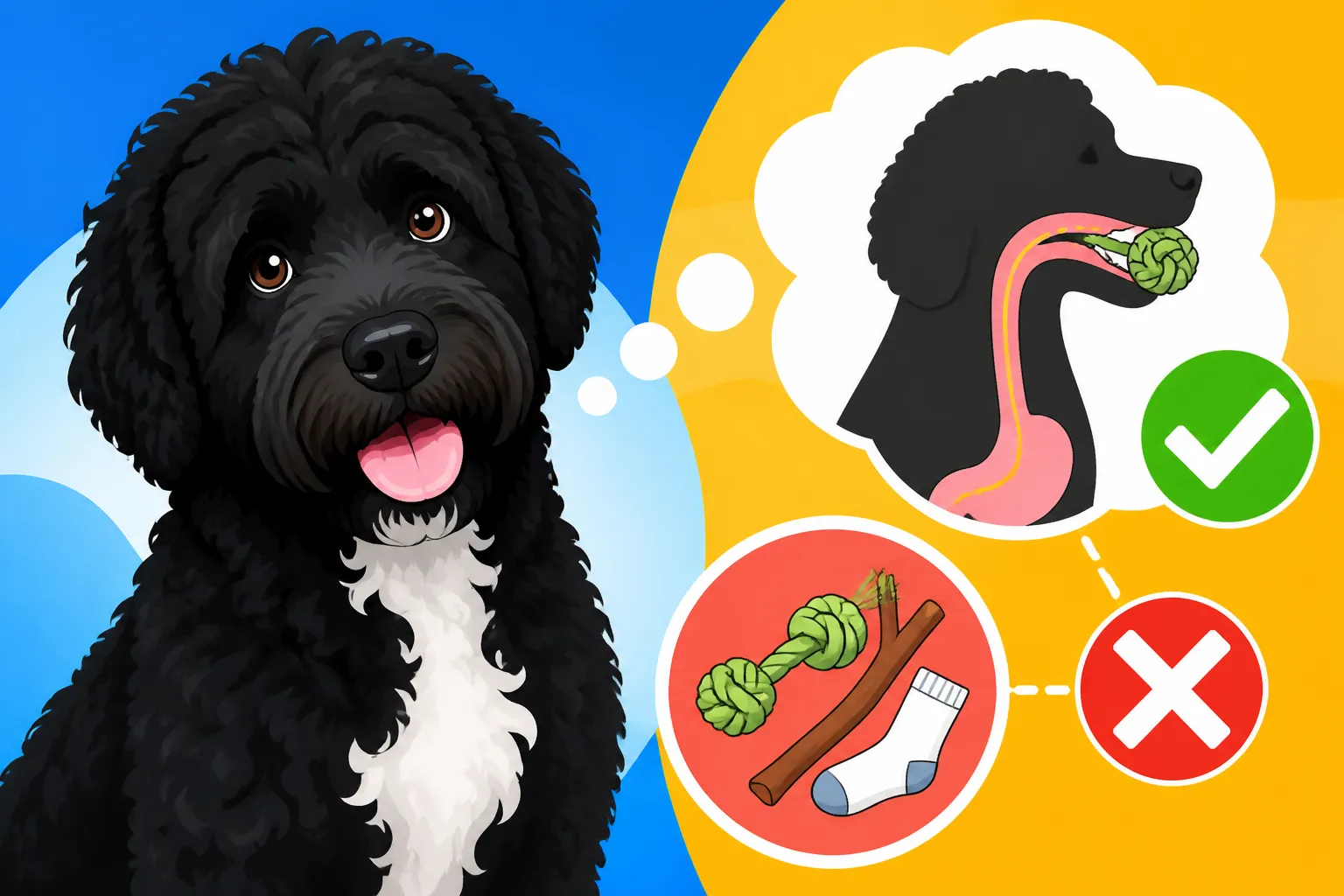
One common, and often frustrating, trait among Portuguese Water Dog owners is their dog's propensity for chewing. While chewing itself is a natural canine behavior, a significant concern arises when your beloved PWD decides to not just chew, but to swallow the things they shouldn't. This guide will walk you through understanding why your Portuguese Water Dog might be ingesting non-food items, the very real dangers involved, and how you can work to prevent this potentially life-threatening habit.
Understanding the Portuguese Water Dog's Drive to Mouth and Chew
If you're living with a Portuguese Water Dog, you've likely noticed their intense interest in using their mouth. They'll mouth your hands, carry toys everywhere, and yes, sometimes chew with a dedication that rivals a beaver. This isn't just a random quirk; it's deeply rooted in their history and breed characteristics.
The Instinctual Drive Behind PWD Chewing
Portuguese Water Dogs were originally bred for an incredibly demanding job: working alongside fishermen on the boats off the coast of Portugal. Their tasks weren't just about swimming; they involved retrieving lost tackle, driving fish into nets, and even carrying messages between boats. All of these jobs required a strong, intelligent, and mouth-oriented dog. They needed to grip, carry, and manipulate objects with their mouths constantly. This inherent drive to "use their mouth" is why many PWDs seem to put everything in their mouth, from toys to household items. It's an ingrained instinct, not just mischief.
As puppies, this manifests as extreme mouthing and puppy biting, which can be quite a shock for new owners. They explore their world with their mouths, much like human toddlers. Even as they mature, that strong oral fixation often remains. It's vital to acknowledge this isn't a flaw in your dog's character, but a deeply embedded part of what makes a Portuguese Water Dog a Portuguese Water Dog. Understanding this helps us approach the problem with patience and effective strategies rather than just frustration.
Differentiating Between Mouthing, Chewing, and Ingestion
It's important for PWD owners to understand the subtle but critical differences in their dog's oral behaviors. Mouthing, chewing, and actual ingestion are on a spectrum, and recognizing where your dog is on that spectrum can help you intervene appropriately.
Mouthing is generally a gentler action, often seen when your PWD is excited or seeking attention. They might put your hand in their mouth, or gently hold a toy without applying significant pressure to destroy it. This is often a communicative behavior, a way of interacting. While it can be a nuisance if not properly redirected, it typically doesn't pose an immediate health risk, though it can escalate if not managed. You'll often see this when a PWD is greeting you or initiating play, holding a toy loosely in their mouth, almost parading it. This is a common phase for many Portuguese Water Dog puppies, and addressing How Long a Portuguese Water Dog Stays Mouthy is key.
Chewing, on the other hand, involves active biting and tearing with the intent to break down an object. This is a normal and necessary behavior for dogs; it helps clean their teeth, exercises their jaws, and provides mental stimulation. The problem arises when dogs chew inappropriate objects. A PWD might chew a durable rubber toy into smaller pieces, or systematically dismantle a cardboard box. While some small, non-toxic pieces might pass through their system without issue, constant chewing of inappropriate items significantly increases the risk of swallowing dangerous fragments.
Ingestion, or swallowing, is when the PWD actually consumes part or all of an object. This is the most dangerous stage, as swallowed items can cause blockages, perforations, or toxicity. For a Portuguese Water Dog, who is often highly food-motivated and has a strong retrieving instinct, swallowing can happen quickly and without much warning. It's not always a deliberate act of eating; sometimes a piece breaks off during intense chewing, and the dog reflexively swallows it. This can be particularly alarming when you realize Why a Portuguese Water Dog Puts Everything in Its Mouth and how quickly a cherished household item can disappear.
The Transition from Puppy Chewing to Adult Predilection
The chewing habits of a Portuguese Water Dog often evolve, but the underlying drive rarely disappears entirely. Puppy chewing is largely about exploration and teething. PWD puppies, like all puppies, use their mouths to investigate their world and relieve discomfort as their adult teeth emerge. During this phase, they'll chew anything and everything – furniture legs, shoes, toys, and even sometimes your fingers! Understanding What a Portuguese Water Dog Chews as a Puppy is crucial for setting up a safe environment.
As they mature, around six months to a year, the teething phase typically ends, but the chewing doesn't. For a Portuguese Water Dog, this intense oral fixation often continues into adulthood. Now, chewing becomes more about mental stimulation, relieving boredom, or managing anxiety. An under-exercised or under-stimulated PWD might turn to destructive chewing and swallowing as a coping mechanism. If your adult PWD is swallowing items, it's usually a sign of inadequate supervision, inappropriate chew toy choices, or an underlying behavioral issue that needs addressing. It’s a habit that can persist if not managed correctly, sometimes even becoming an ingrained behavior that a dog uses to challenge boundaries, especially When a Portuguese Water Dog Tests Its Owner.
The Serious Risks of Swallowing Non-Food Items
It’s easy to dismiss a chewed-up sock or a mangled remote control as just a nuisance, but when a Portuguese Water Dog swallows something it shouldn't, the consequences can range from mild discomfort to a life-threatening emergency. This isn't just about replacing damaged items; it's about safeguarding your dog's health and well-being.
Common Dangerous Items PWDs Might Swallow
Portuguese Water Dogs are notoriously intelligent and persistent, often finding ways to access items you thought were safely out of reach. The list of things they might chew and swallow is unfortunately long and varied. Here are some of the most common culprits and why they pose a threat:
- Socks, Underwear, and Fabric Items: These are incredibly common and deceptively dangerous. Fabric items don't break down in the digestive tract. They can wad up and cause a complete obstruction, especially in the smaller intestine. Imagine a sock creating a dam in their gut—food and waste can't pass, leading to severe illness.
- Kids' Toys (Small Pieces): Action figures, doll parts, building blocks, or even parts of larger stuffed animals can be swallowed whole or in fragments. These often have sharp edges or are made of hard plastic that won't digest and can cause internal damage or blockages.
- Stones, Rocks, and Hard Yard Debris: PWDs that spend a lot of time outdoors might pick up and swallow rocks. These are too large to pass, too hard to digest, and can cause significant trauma or blockages in the digestive tract.
- Bones (Cooked or Small Raw): While raw, appropriately sized recreational bones can be fine, cooked bones are brittle and can splinter, leading to punctures in the esophagus or intestines. Small raw bones can also be swallowed whole, causing obstructions.
- Corn Cobs: These are a classic obstruction hazard. They don't digest, are just the right size to wedge in the intestines, and their rough texture can cause irritation.
- Hair Ties, Rubber Bands, String, or Yarn: These can be particularly insidious. They can cause what's known as a "linear foreign body obstruction." Instead of wadding up, they stretch through the intestines, causing them to gather and bunch like an accordion. This can lead to severe damage, cutting into the intestinal wall.
- Batteries: These are extremely dangerous. Even a small button battery can cause severe chemical burns in the esophagus and stomach if swallowed, leading to perforation and systemic toxicity.
- Medications (Human or Pet): If left within reach, PWDs might chew through pill bottles. Even pet medications meant for them can be dangerous if they ingest too many, while human medications can be toxic even in small doses.
- Remote Controls, Glasses, Electronic Devices: These contain plastic, metal, and sometimes batteries, all of which are hazardous. The components can cause blockages, lacerations, or chemical exposure.
The sheer variety of these items highlights the need for constant vigilance and a "dog-proof" home, especially with a curious PWD.
| Item Category | Common Examples | Primary Risk |
|---|---|---|
| Fabrics | Socks, underwear, dish rags, blankets | Bowel obstruction |
| Hard Plastics | Small toys, remote control pieces, bottle caps | Obstruction, internal lacerations |
| Bones/Hard Chews | Cooked bones, small rawhides | Splintering, obstruction |
| Linear Objects | String, yarn, hair ties, tinsel | Linear foreign body (intestines bunching) |
| Yard Debris | Rocks, sticks, pinecones | Obstruction, choking hazard, internal punctures |
| Electronics/Batteries | Batteries, small electronic parts | Chemical burns, toxicity, obstruction |
| Food Items | Corn cobs, fruit pits (e.g., avocado, peach) | Obstruction, toxicity (depending on the food) |
Recognizing the Signs Your PWD Has Swallowed Something
It’s not always obvious when your Portuguese Water Dog has swallowed something dangerous. Sometimes you catch them in the act, but often, the first signs appear hours or even days later. Knowing what to look for can be critical for prompt veterinary intervention.
Keep a close eye out for these symptoms:
- Vomiting: This is one of the most common signs of a blockage or irritation. It might be persistent, or your dog might try to vomit without producing anything (retching).
- Diarrhea or Straining to Defecate: The foreign object can irritate the intestines, leading to diarrhea. If there's a blockage, they might strain to defecate but produce little to no stool.
- Loss of Appetite: A dog with an object stuck in its system will usually lose interest in food and water.
- Lethargy or Weakness: They might become unusually tired, uninterested in play, and generally appear unwell.
- Abdominal Pain or Tenderness: Your PWD might guard their belly, whimper if you touch it, or adopt a hunched-over posture.
- Changes in Behavior: They might become withdrawn, restless, or unusually quiet.
- Drooling or Repeated Swallowing: If the object is lodged in the esophagus, they might drool excessively or keep trying to swallow uncomfortably.
- Weight Loss: If the issue goes on for some time, their inability to eat or digest properly will lead to noticeable weight loss, which can be difficult to spot in a Portuguese Water Dog due to their thick coat. How a Portuguese Water Dog's Coat Hides Weight Loss is a real concern here, making regular physical checks even more vital.
If you suspect your Portuguese Water Dog has swallowed something, even if the symptoms are mild, it’s always best to err on the side of caution and contact your veterinarian immediately.
Emergency Actions and When to Seek Veterinary Help
Time is often of the essence when a foreign object has been ingested. If you know or strongly suspect your Portuguese Water Dog has swallowed something, here’s what you should do:
- Stay Calm and Assess: First, try to identify what your dog swallowed, how much, and when. This information will be invaluable to your vet. Don't panic, as your stress can affect your dog.
- Do NOT Induce Vomiting Without Vet Guidance: While it might seem logical to try and make your dog throw up, it can be extremely dangerous depending on the object. Sharp objects can cause further damage on the way back up, and some chemicals can cause more harm through vomiting. Always consult your vet first.
- Contact Your Veterinarian Immediately: Call your vet or the nearest emergency veterinary clinic right away. Describe what happened, what you think was swallowed, and your dog's current symptoms. They will advise you on the best course of action. This might involve bringing your dog in for an immediate examination, X-rays, or other diagnostics. Remember, sometimes an emergency fund is critical for these unexpected situations. What a Portuguese Water Dog's Emergency Fund Should Hold can give you peace of mind here.
- Follow Vet Instructions: Your vet may recommend different approaches:
- Monitoring: For very small, smooth, non-toxic items, they might advise monitoring at home for passage.
- Inducing Vomiting: If the object is non-corrosive, not sharp, and recently swallowed, the vet might induce vomiting in a controlled environment.
- Endoscopy: A scope might be used to retrieve objects from the esophagus or stomach without surgery.
- Surgery: For blockages or objects that can't be removed otherwise, surgery is often necessary. This is a significant procedure, and factors like Whether a Portuguese Water Dog Tolerates Anesthesia will be part of the discussion with your vet.
Swift action can make a huge difference in the outcome and potentially save your Portuguese Water Dog's life, as well as significantly reduce the complexity and cost of treatment.
Proactive Strategies to Prevent Swallowing Hazards
Preventing your Portuguese Water Dog from swallowing inappropriate items is far easier, safer, and less costly than treating an ingestion emergency. It requires a combination of environmental management, appropriate enrichment, and consistent training.
Effective Management Techniques for a Chewing PWD
Living with a highly intelligent and mouth-oriented breed like the Portuguese Water Dog means you need to be constantly thinking ahead. Management is your first line of defense against unwanted chewing and swallowing.
- Puppy-Proofing Your Home: This is paramount from the moment you bring your PWD puppy home. Get down on their level and look for anything they might be able to reach, chew, and potentially swallow. This includes electrical cords, shoes, remote controls, children's toys, small rugs, and anything valuable or dangerous. Store these items out of reach, in locked cabinets, or behind gates. Think about creating a safe, designated "puppy zone" or specific areas where they can roam freely without supervision.
- Supervision: When your Portuguese Water Dog is not crated or confined, they need constant supervision, especially when they are young or if they have a history of swallowing items. This means actively watching them, not just being in the same room. If you can't actively supervise, they should be in a secure, dog-proof area. This might sound demanding, but it's essential for a breed with such a strong oral drive. For many owners, it means a lot of dedicated interaction, as How Many Hours a Week a Portuguese Water Dog Really Takes can be substantial.
- Crate Training: A crate is not a punishment; it's a safe den for your PWD and an invaluable management tool. When you can't supervise them, a properly sized and comfortable crate provides a secure space where they can't get into trouble. Introduce it positively and ensure it's a place they enjoy. It's crucial for puppies during house training and for adult dogs when you need to leave them alone, even for short periods.
- Restricting Access: Use baby gates to block off rooms or areas that are difficult to puppy-proof. If certain items (like a beloved antique rug or a fragile coffee table) are simply too tempting or vulnerable, it's easier to restrict access to that entire area.
- Regular Tidy-Ups: Make it a habit to regularly pick up small items from floors and low surfaces. Keys, coins, paper clips, pens, and dropped food scraps are all potential hazards that can quickly disappear into a PWD's mouth.
Providing Appropriate Chew Toys and Enrichment
A Portuguese Water Dog's need to chew is natural and healthy. The key is to direct this instinct towards appropriate, safe outlets. Giving them the right toys can satisfy their urges and save your furniture (and their digestive tract!).
- Durability is Key: PWDs are often powerful chewers. Look for toys made from tough materials like KONG Extreme rubber, Nylabone (ensure it's the right size and type for power chewers), or other robust, vet-approved chew toys. Avoid flimsy plush toys or rawhides that can be easily torn apart and swallowed in large pieces. When shopping, whether in a local pet store or through Amazon, always prioritize durability and safety.
- Variety and Rotation: Offer a variety of textures and types of chew toys to keep things interesting. Some dogs prefer hard chews, others like softer rubber, and many love puzzle toys. Rotate their toys every few days to maintain novelty and prevent boredom, which can lead to destructive chewing.
- Interactive and Puzzle Toys: These are fantastic for a smart breed like the PWD. Toys that dispense treats or require problem-solving to get food out can keep them occupied for extended periods, mentally stimulating them while they chew. This helps combat boredom, a common trigger for inappropriate chewing, and addresses How a Portuguese Water Dog Fills a Day With Nothing to Fetch.
- Edible Chews (with Caution): Some edible chews can be appropriate, but choose wisely. Look for digestible options that are difficult to break into large chunks, and always supervise your dog with edible chews. Bully sticks, dental chews, or some types of natural chews can be good options, but always consider the size and your dog's chewing style. Avoid anything that could become a choking hazard or cause digestive upset.
- Frozen Treats: For puppies or adult PWDs, frozen KONGs stuffed with peanut butter, yogurt, or wet food can be a godsend. They take a long time to finish, providing both a chew outlet and a cool, tasty reward.
Training 'Leave It' and 'Drop It' as Life-Saving Commands
These two commands are indispensable for any dog owner, but especially for those with a Portuguese Water Dog prone to chewing and potentially swallowing. 'Leave It' and 'Drop It' can literally save your dog's life by preventing them from ingesting something dangerous.
- 'Leave It': This command teaches your dog to ignore an item, even if it's highly tempting.
- Start Simple: Begin with low-value items (like a plain kibble piece) and practice in a quiet environment.
- Cover and Reward: Place the item on the floor. When your dog moves towards it, cover it with your hand and say "Leave It."
- Wait for Disengagement: Wait for your dog to look away from the item, even for a second. The instant they disengage, say "Yes!" or use a clicker, and immediately give them a different, high-value treat from your other hand. The goal is to teach them that ignoring the tempting item leads to an even better reward.
- Increase Difficulty: Gradually increase the value of the "leave it" item, remove your hand cover, and introduce distractions.
- 'Drop It': This command teaches your dog to release whatever they have in their mouth. This is particularly useful if they've already grabbed something inappropriate.
- Trade Up: Offer your dog a highly desirable treat or toy (a "trade") in exchange for the item they currently have. As they release it, say "Drop It," praise, and give them the trade.
- Practice Often: Practice with various items, from their own toys to low-value household objects (always ensure safety).
- Make it Positive: Always make 'Drop It' a positive experience. You don't want your dog to feel like you're taking something away; you're trading for something better. This also helps if Whether a Portuguese Water Dog Guards What It Takes is an issue.
- Consistency and Repetition: Both commands require consistent practice in various environments to be reliable. Integrate them into daily play and training sessions. Online resources, like those from BAXTER & Bella, often provide structured programs that can guide you through teaching these crucial commands, making it easier to reinforce them regularly.
- Proofing the Behavior: Once your dog understands the commands in a calm environment, practice in more distracting settings: at the dog park, near other people, or when they are particularly excited. The more you practice, the more reliable these life-saving commands will become. Teaching a Portuguese Water Dog to Trade is an essential skill that complements 'Drop It' beautifully.
What to Do If Your PWD Is a Persistent Swallower
Sometimes, despite your best efforts with management and training, a Portuguese Water Dog might continue to be a persistent swallower. This isn't just a quirky habit; it can indicate deeper behavioral issues or even require professional intervention.
Consulting Professionals for Persistent Ingestion
If your Portuguese Water Dog consistently swallows inappropriate items, it's time to bring in the experts. This isn't a problem you should tackle alone, as the risks are too high.
- Veterinary Consultation: Your first stop should always be your veterinarian. They can rule out any underlying medical conditions that might be contributing to the behavior. For example, some nutritional deficiencies or gastrointestinal issues can lead to pica (the ingestion of non-food items). Your vet can also perform a thorough physical exam to ensure there are no existing foreign objects partially obstructing their system and discuss How Often a Portuguese Water Dog Needs a Wellness Exam to keep tabs on overall health. They can also provide guidance on prevention and what to do in an emergency.
- Certified Professional Dog Trainer or Behaviorist: If medical issues are ruled out, a certified professional dog trainer or a veterinary behaviorist can help you understand the root cause of the behavior. Is it boredom, anxiety, a compulsive disorder, or a deeply ingrained habit from a lack of early intervention? A behaviorist can observe your dog, assess their environment, and develop a customized behavior modification plan. This might involve:
- Environmental Enrichment: Ensuring your PWD has enough physical and mental stimulation. This breed needs a job, and if they're not getting it, they'll create their own—often with their mouth.
- Anxiety Management: If stress or separation anxiety is a factor, the behaviorist can suggest techniques and potentially work with your vet on medication to reduce anxiety.
- Impulse Control Training: Reinforcing 'Leave It' and 'Drop It' with higher-level training and real-world scenarios.
- Supervised Chewing Schedules: Establishing a strict schedule for when and where your dog can have access to chews, always under direct supervision.
- Collaboration is Key: Often, the most effective approach involves a team effort between you, your vet, and a behavior professional. They can provide different perspectives and tools to address the complex nature of persistent ingestion.
Product Recommendations for Tough Chewers and Swallowing Prevention
When dealing with a Portuguese Water Dog who has a penchant for swallowing what they chew, choosing the right products is critical. Durability and safety are paramount.
- Ultra-Durable Chew Toys: Forget flimsy plastic or thin rubber. Look for toys specifically designed for "power chewers." Brands like KONG, especially their black "Extreme" line, are often highly recommended for their durability. Nylabone offers various shapes and textures, but ensure they are appropriately sized and marked for aggressive chewers. Always inspect toys regularly for damage and discard them if they start to break into swallowable pieces. You can find a vast selection of these types of toys on Amazon, making it easy to compare options and read reviews from other owners of strong chewers.
- Puzzle and Dispensing Toys: These toys force your dog to work for their food or treats, extending the chewing and engagement time while preventing quick ingestion of toy pieces. Fillable toys like KONGs, West Paw Toppl, or similar durable food puzzles provide mental stimulation and redirect their chewing energy productively. Freezing these filled toys makes them last even longer.
- Supervised Edible Chews: If you offer edible chews like bully sticks or dental chews, choose options that are highly digestible and won't splinter. Always supervise your dog when they have an edible chew. Many owners find it helpful to remove the chew when it gets small enough to be swallowed whole. Consider using a chew holder, which secures the end of a bully stick or similar chew, preventing your dog from swallowing the last, smallest piece.
- Secure Confinement Tools: High-quality, sturdy crates and heavy-duty baby gates are essential. Ensure crates are robust enough that your PWD cannot bend bars or chew through plastic, and gates are tall and secure enough that they can't jump over or push them down.
When assembling your Portuguese Water Dog puppy's starter kit, ensuring you have tough, appropriate chew toys should be a top priority. What a Portuguese Water Dog Puppy Starter Kit Costs can give you an idea of the initial investment, but it's an investment in their safety.
Long-Term Management and Vigilance
Preventing a Portuguese Water Dog from swallowing inappropriate items is often a lifelong commitment. Their strong oral drive means that vigilance cannot lapse, even as they mature.
- Ongoing Environmental Management: Continue to "dog-proof" your home as if you still have a puppy, even if your PWD is an adult. Habits can re-emerge, especially during periods of stress, boredom, or changes in routine. Regularly survey your environment for new hazards that might appear.
- Consistent Training Reinforcement: Continuously reinforce 'Leave It' and 'Drop It.' These aren't commands you teach once and forget. Integrate them into daily life, making them strong, automatic responses. Regularly practicing Teaching a Portuguese Water Dog to Trade can also be a fun and useful way to maintain good habits.
- Adequate Exercise and Mental Stimulation: A bored or under-exercised Portuguese Water Dog is a prime candidate for destructive chewing and swallowing. Ensure they receive plenty of physical activity, whether it's long walks, swimming, fetch, or dog sports. Crucially, they also need mental stimulation through training, puzzle toys, and interactive play. A tired and mentally stimulated PWD is less likely to invent their own, potentially dangerous, entertainment.
- Awareness of Stress Triggers: Understand what might stress your PWD, as stress can sometimes trigger or intensify problem behaviors like destructive chewing. This could include changes in routine, new people or pets, loud noises, or being left alone for too long.
- Regular Health Checks: Keep up with routine veterinary appointments. How Often a Portuguese Water Dog Needs a Wellness Exam is important not just for catching ingested objects early, but also for ensuring overall health, which can influence behavior.
By adopting these proactive and consistent strategies, you can greatly reduce the risk of your Portuguese Water Dog swallowing harmful items, ensuring they live a safer, healthier, and happier life by your side.
Disclaimer
This article is for general informational purposes only and does not constitute professional advice. Laws, prices and regulations vary by location and change over time. Consult a qualified professional for guidance on your specific situation.