The Retriever Clip Is the Coat Most Portuguese Water Dogs Wear
Anyone who shares their life with a Portuguese Water Dog knows the struggle is real when it comes to grooming. Their glorious, non-shedding coats are a double-edged sword: beautiful, but prone to matting if not meticulously cared for. This comprehensive guide will walk you through the ins and outs of the retriever clip, a popular and practical grooming style that many owners embrace to keep their PWDs comfortable, healthy, and looking fantastic without the daily battle.
Understanding the Portuguese Water Dog Coat
Before we dive into the specifics of the retriever clip, it’s really important to appreciate what makes a Portuguese Water Dog's coat so unique. It’s not just hair; it’s a functional, single layer designed for maritime work, and understanding its properties is key to managing it effectively. Many new owners are surprised by the amount of work involved, thinking "non-shedding" means "no work." Oh, how wrong that assumption can be!
The Unique Nature of a PWD's Single Coat
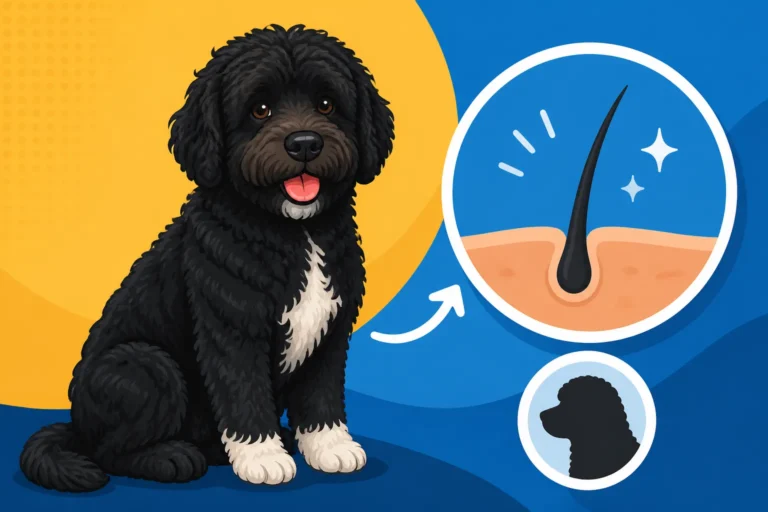
Unlike many breeds that have a double coat with a soft underlayer and a harsher topcoat, Portuguese Water Dogs possess a single layer of hair. This single coat is what gives them their "hypoallergenic" reputation, as it doesn't shed in the traditional sense, meaning less dander and hair floating around your home. However, this also means that any hair that does detach from the follicle gets trapped within the surrounding curls or waves. This trapped hair, combined with daily activity, friction from harnesses, or a good swim, is the primary culprit behind those notorious mats and tangles. This dense, water-resistant coat was historically essential for keeping these dogs warm in cold waters and protecting them from the elements while working alongside fishermen. It's a marvel of nature, but it requires a very specific grooming approach.
Curly vs. Wavy: Textures and Tendencies
Portuguese Water Dogs come in two distinct coat types: curly and wavy. While both are single coats and require diligent grooming, their textures present slightly different challenges and aesthetic appeals. The curly coat is typically tighter, denser, and often described as forming cylindrical or ringlet-like curls. This texture can be incredibly beautiful, but it's also a matting magnet. The tighter the curl, the more readily trapped hairs can bind together, creating stubborn knots that are hard to brush out without proper technique and tools. On the other hand, the wavy coat is, as the name suggests, softer, looser, and generally falls in flowing waves rather than tight curls. While still prone to matting, some owners find the wavy coat slightly easier to manage in terms of brushing because the hair isn't as tightly wound. However, it can often look shaggier faster if not maintained. Understanding which type of coat your PWD has will influence your grooming strategy, from the type of brush you choose to how often you'll need to trim. Curly or Wavy: the Two Portuguese Water Dog Coats delves deeper into these distinctions.
Shedding Myths and Matting Realities
The biggest misconception about Portuguese Water Dogs is that they don't shed. It's more accurate to say they don't excessively shed or "blow coat" like a Labrador Retriever might. But shed they do! Their hair has a growth cycle, and old hairs die and detach. Because these dead hairs get caught in the living coat, they don't fall out onto your furniture or floors as much, leading to the "hypoallergenic" designation. The reality is, if those trapped dead hairs aren't regularly brushed out, they intertwine with the healthy coat and rapidly form mats. These aren't just cosmetic issues; mats can be incredibly painful, pulling on the skin, causing skin irritation, hot spots, and even infections if left untreated. Severe matting can restrict movement and even cut off circulation. This is why a consistent grooming routine, even for a "non-shedding" breed, is non-negotiable. Don't let the myth of no shedding lead you to neglect the very real risk of painful matting. Whether a Portuguese Water Dog Sheds explores this topic further.
What Exactly is the Retriever Clip?
The retriever clip is arguably the most common and practical grooming style for Portuguese Water Dogs in a pet home. It's a functional clip designed for ease of care, comfort, and to highlight the dog's natural athletic build, without the more elaborate styling of a show clip.
Defining the Retriever Clip's Length and Style
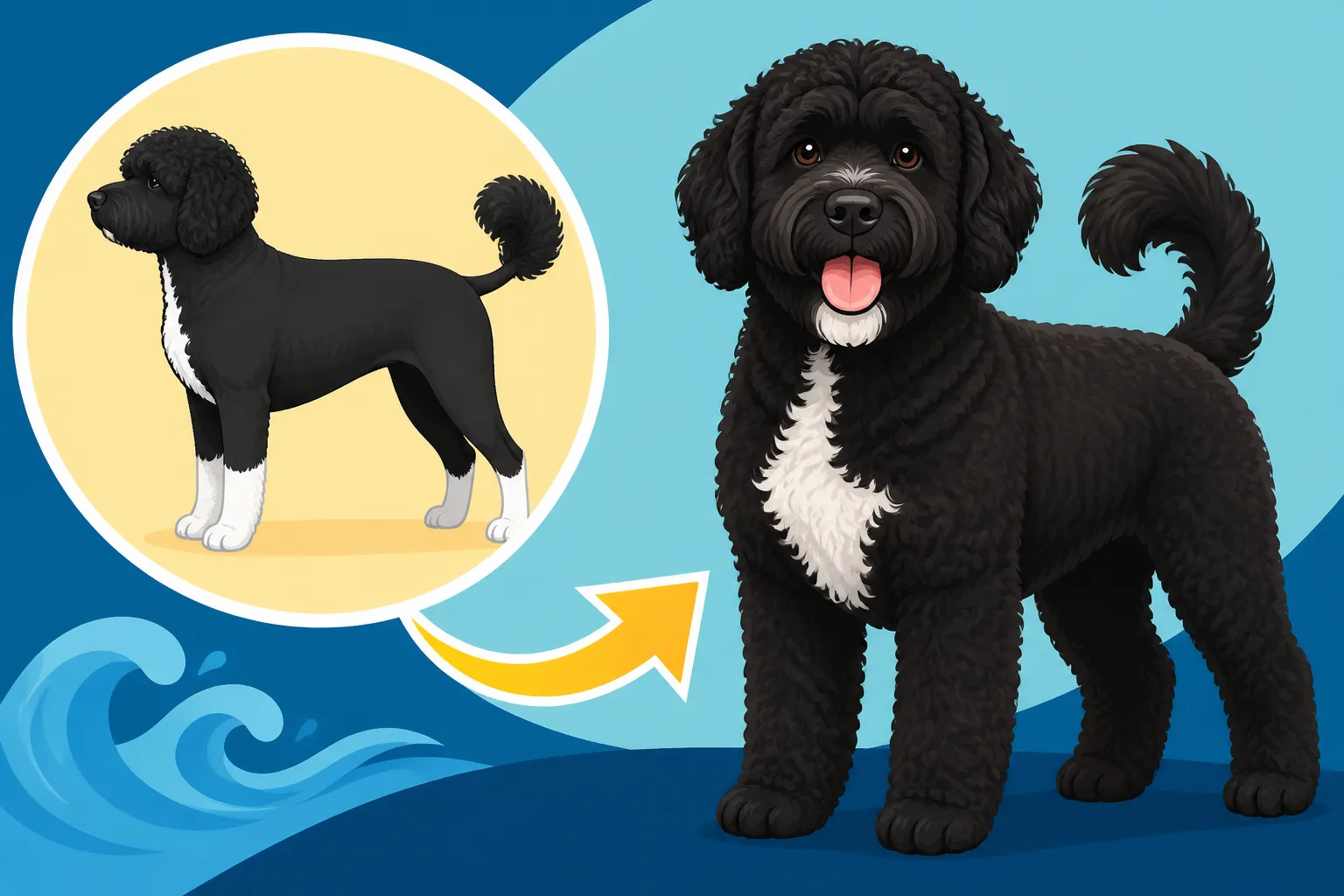
At its heart, the retriever clip is about uniformity and practicality. The coat is typically clipped to a consistent length all over the body, usually between 1/2 inch to 1 inch, sometimes a bit longer depending on preference and coat density. The aim is to remove enough length to prevent matting and simplify brushing, while still leaving enough coat to offer protection from the elements, especially for dogs who enjoy swimming in cooler waters. The face is usually trimmed to a slightly shorter length, neatening around the eyes and muzzle, and the tail is often left with a plume or tassel at the end, though some owners opt for a uniformly clipped tail as well. The legs are generally kept the same length as the body, creating a streamlined, athletic appearance. This clip allows for all the practical functions of the coat – water resistance, insulation – without the high maintenance associated with a longer, show-style coat or the intricate balancing act of the lion clip. What the Retriever Clip Leaves and What It Takes has more specific details.
Why it's the Go-To for Pet PWDs
For busy families and active PWDs, the retriever clip is a game-changer. It dramatically reduces the time spent on brushing and dematting, allowing owners to focus more on walks, training, and, of course, water activities. Imagine coming back from a muddy hike or a swim in the lake, and instead of facing an hour of tedious detangling, you can simply rinse, towel dry, and do a quick brush-through. This clip minimizes the areas where mats typically form first, such as behind the ears, in the armpits, and under the collar. It also keeps the dog cooler in warmer weather, and when they get wet, they dry much faster. This makes it a fantastic choice for dogs that spend a lot of time outdoors or participating in dog sports like dock diving or water trials. It prioritizes the dog's comfort and the owner's convenience, which is why it's so beloved by everyday PWD parents.
Comparing it to the Traditional Lion Clip
While the retriever clip focuses on practicality and uniformity, the traditional lion clip is steeped in history and designed for specific functionality in the working Portuguese fishing fleet. The lion clip involves shaving the hindquarters, muzzle, and a portion of the tail almost bare, while leaving a longer coat on the chest, forelegs, and a plume on the tail. The historical purpose was to provide warmth and protection to vital organs in cold water, while the shaved areas allowed for maximum propulsion and maneuverability in the water. Today, the lion clip is primarily seen in the show ring, as it adheres to the breed standard, or on PWDs whose owners appreciate the traditional look. However, maintaining a lion clip requires significant skill and more frequent attention to keep the lines crisp and the longer coat mat-free. The contrast between the shaved and long sections can be striking, but it's far less forgiving of neglect than a retriever clip. The Lion Clip Costs a Portuguese Water Dog Owner Daily Brushing gives you a sense of the commitment involved with that style. Many pet owners find the lion clip too much work for their lifestyle, making the retriever clip the clear winner for day-to-day living.
The Practical Benefits of the Retriever Clip
Choosing the retriever clip isn't just about aesthetics; it's a strategic decision that offers a multitude of practical advantages for both the Portuguese Water Dog and their human companions. When you have a dog that loves to dive headfirst into every puddle and lake, ease of care becomes paramount.
Simplified Home Grooming Routines
Let's be honest, grooming a Portuguese Water Dog can feel like a part-time job if their coat is long. With the retriever clip, that feeling is significantly lessened. The uniform, shorter length means less surface area for debris to cling to, fewer places for mats to hide, and a much faster overall brushing and drying time. Instead of spending hours each week meticulously line-brushing a long coat, you're looking at quick daily or every-other-day brush-throughs, which often take mere minutes. This allows you to tackle grooming as a bonding experience rather than a dreaded chore. Many PWD owners find that with a retriever clip, they can manage baths at home more easily, even if they still rely on a professional for the actual clipping. This simpler routine is a huge relief for owners, especially those new to the breed or with busy schedules. It also means less stress for your dog, who will likely find shorter grooming sessions much more tolerable.
Reduced Matting and Easier Maintenance
This is, for many, the single most compelling reason to opt for the retriever clip. Mats are the bane of a PWD owner's existence, and this clip drastically minimizes their formation. When the hair is kept short, it simply doesn't have the length to intertwine and knot as easily. You'll still need to brush regularly – no clip completely eliminates the need for grooming – but the frequency and intensity of mat removal sessions will be significantly reduced. This means fewer painful snarls for your dog and less frustration for you. Imagine your PWD romping through tall grass or splashing in the ocean. With a longer coat, you'd brace yourself for a post-adventure detangling marathon. With a retriever clip, a quick rinse and brush are often all that's needed to prevent serious problems. It makes maintaining a healthy, comfortable coat much more achievable for the average pet owner.
Comfort and Functionality for an Active Dog
Portuguese Water Dogs are active, robust, and thrive on having a job to do, whether that's retrieving a buoy from the water or joining you on a long hike. The retriever clip is perfectly suited to their energetic lifestyle. A shorter coat keeps them cooler during strenuous activity, especially in warmer climates. It also allows them to dry much faster after a swim, which is crucial for preventing skin issues that can arise from prolonged dampness. A wet, long coat can also become quite heavy and cumbersome, hindering their agility and making them uncomfortable. Furthermore, a short coat means fewer burs, twigs, and other outdoor debris getting caught, which is a common nuisance for dogs with longer, dense coats. This clip allows your PWD to be the active, joyful companion they were bred to be, without their coat becoming a impediment to their adventures.
Essential Tools and Techniques for a Great Retriever Clip
Even if you plan on visiting a professional groomer, understanding the tools and basic techniques for a retriever clip is incredibly useful. For those brave enough to tackle home grooming, having the right equipment and knowing how to use it makes all the difference. Remember, practice makes perfect, and patience is key!
Choosing the Right Clippers and Blades
This is where your investment pays off. Cheap clippers will often snag, pull, and overheat, turning grooming into a nightmare for both you and your PWD. You'll want a professional-grade clipper that's powerful enough to go through the dense, sometimes challenging PWD coat. Brands like Andis or Wahl are often favored by groomers for their durability and performance. For the retriever clip, you'll typically use a #4F, #5F, or #7F blade. The "F" stands for "finish," meaning it's a skip-tooth blade designed to leave a smooth, uniform finish. A #4F leaves a longer cut (around 3/8 inch), a #5F is a bit shorter (1/4 inch), and a #7F is the shortest of the common retriever clip blades (1/8 inch). Many owners will experiment to find the length they prefer. You might also want to invest in cool-lube spray to keep your blades from overheating, as a hot blade can burn your dog's skin. Don't forget sharp shears for tidying up around the face and feet where clippers might be too cumbersome. Which Clippers Handle a Portuguese Water Dog's Coat offers a deeper dive into this topic. You can often find a good selection of these tools on platforms like Amazon or Chewy.
Brushing and Dematting Before the Clip
This step is absolutely critical, and I cannot stress it enough. Never try to clip a matted coat. Clippers will snag, pull, and get stuck, causing immense pain to your dog and potentially damaging your equipment. Before any clipping begins, your PWD's coat must be clean, completely dry, and thoroughly brushed out, free of all tangles and mats. Start with a good bath using a quality dog shampoo and conditioner, then force dry the coat completely. A force dryer (not a human hairdryer) is invaluable for separating the curls and ensuring thorough drying down to the skin. Once dry, use a slicker brush and a metal comb. Work in small sections, line brushing from the skin out. If you encounter mats, use a dematting tool or mat splitter, working slowly and gently. If a mat is too tight or large, it's safer to carefully cut it out with blunt-nosed scissors, cutting away from the skin, or better yet, take your dog to a professional groomer who can safely remove it. How Long Brushing a Portuguese Water Dog Takes emphasizes the time commitment for this crucial step.
Step-by-Step Home Clipping Guide
If you're going to try the retriever clip at home, here's a basic sequence to follow, always prioritizing your dog's comfort and safety.
- Preparation is Key: As mentioned, ensure your dog is clean, completely dry, and mat-free. Set up in a quiet, well-lit area, preferably on a grooming table with a non-slip surface if you have one. Gather all your tools: clippers with chosen blade, cool-lube spray, scissors, comb, slicker brush, and treats for positive reinforcement.
- Start with the Body: Begin clipping against the direction of hair growth for a uniform, smooth finish. Many people start on the back, moving down the sides, chest, and belly. Hold the skin taut with one hand to prevent nicks and ensure an even cut. Be extra careful around sensitive areas like armpits, groin, and nipples. Take breaks if your dog gets restless or your blades get warm.
- Move to the Legs: Clip the legs to the same length as the body. Pay attention to the natural angles of the legs and use your comb to lift the hair for a more even cut.
- Tackle the Head and Face: This is often the trickiest part, as it's very sensitive. Switch to a shorter blade (like a #10 or #15) for around the eyes, lips, and inner ears if you prefer, or use blunt-nosed shears to carefully trim these areas. You want to neaten the muzzle, clear hair from the eyes, and keep the ears tidy. The goal is a clean, appealing expression.
- Finish with the Tail: You can choose to clip the tail uniformly, or leave a "plume" at the end. For a plume, you'd clip the base of the tail to match the body length, gradually blending it into the longer hair at the tip. Use shears to shape the plume if desired.
- Tidy Up and Inspect: Once the clipping is done, go over your dog with a comb to check for any uneven spots or missed patches. Use your shears to neaten up stray hairs around the feet, paws, and anywhere else needed. Reward your dog heavily throughout and after the process. Remember, the goal is a comfortable, healthy dog, not necessarily a show-ring masterpiece on your first try!
Maintaining Your PWD's Coat Between Professional Clips
Even with the low-maintenance retriever clip, ongoing care is crucial to prevent problems and keep your Portuguese Water Dog happy and healthy. The work doesn't stop once the clippers are put away; it simply changes focus.
Daily Brushing for Mat Prevention
Just because the coat is short doesn't mean you can skip brushing entirely. A quick, daily brush-through with a slicker brush and a comb is still highly recommended, especially for PWDs who are very active or frequently swim. This routine brushing helps to remove any loose hairs that are starting to get tangled, distribute natural oils, and check for any developing mats before they become serious. Pay particular attention to friction points: behind the ears, under the harness or collar, in the armpits, and around the tail. These are the usual suspects for mat formation. Incorporate brushing into your daily routine, perhaps after their morning walk or before evening cuddles. Not only does it keep their coat in top condition, but it also reinforces your bond and allows you to do a quick check for any skin issues, lumps, or bumps. Consistency is far more effective than trying to detangle a huge mat once a month.
Post-Swim Care and Drying Protocols
Portuguese Water Dogs love water – it's literally in their name! But a wet coat, even a short one, can quickly lead to trouble if not properly managed. After every swim, whether in a pool, lake, or ocean, your PWD needs a thorough rinse with clean fresh water. This removes chlorine, salt, dirt, and any lake gunk that could irritate their skin or dry out their coat, which can lead to matting. Then, and this is crucial, they need to be dried completely down to the skin. Simply air-drying, especially in humid conditions, can create a breeding ground for yeast and bacterial infections, leading to painful hot spots. Investing in a good force dryer is a game-changer here. It pushes water out of the coat quickly and efficiently, separating the curls and ensuring thorough drying. If you don't have a force dryer, copious towel drying followed by regular brushing to encourage air circulation will be necessary. Drying a Portuguese Water Dog After Every Swim offers more in-depth advice on this vital aspect of PWD care.
Routine Ear and Paw Pad Maintenance
Beyond the main body clip, a PWD's ears and paw pads require special attention. Their dropped ears, combined with the dense hair inside the ear canal, create a warm, moist environment perfect for yeast and bacterial growth, especially if they're frequent swimmers. Regular ear cleaning with a vet-approved solution is a must, usually weekly or after every swim. You'll also need to check for excess hair growth in the ear canal and decide whether to pluck it (a task often best left to a groomer or vet) or keep it trimmed. Why a Portuguese Water Dog's Ears Need Checking Every Week cannot be overstated. For their webbed feet, the hair between the paw pads can grow quite long, collecting debris, trapping moisture, and affecting their grip, especially on slippery surfaces. This hair should be trimmed flush with the pads regularly, both to keep their feet clean and to enhance their natural agility. Don't forget nail trims too! With their active lifestyle, their nails will still grow and need to be kept short to prevent discomfort and potential paw issues.
When to Call in the Professional Groomer
While the retriever clip is designed to be manageable, there will inevitably be times when a professional groomer is your best friend. Knowing when to seek expert help can save you a lot of stress, money, and most importantly, prevent discomfort for your beloved PWD.
Recognizing When Home Grooming Isn't Enough
Sometimes, despite your best efforts, the coat gets out of hand. Perhaps life got busy, or a particularly adventurous week of swimming and playing led to more mats than you can handle. If you're encountering large, tight mats that feel impossible to brush out without causing pain, it's time to call a pro. Attempting to cut out extensive matting yourself can be risky, as it's easy to accidentally cut the skin, which is often pulled up into the mat. Another sign is if your dog starts dreading grooming sessions, exhibiting clear signs of stress or pain. A professional has the tools, experience, and techniques to safely and efficiently deal with even severely matted coats, often resorting to a "shave down" which, while drastic, is the kindest option for a severely matted dog. Don't feel guilty about needing help; grooming a PWD is a skill, and sometimes you need an expert's touch.
Finding a PWD-Experienced Groomer
Not all groomers are created equal, especially when it comes to a unique coat like the Portuguese Water Dog's. When searching for a professional, look for someone who has specific experience with PWDs or other curly-coated breeds like Standard Poodles. They'll understand the coat texture, the common matting areas, and how to work with the natural curl to achieve a balanced look. Ask questions:
- "Have you groomed Portuguese Water Dogs before? How many?"
- "What blades do you typically use for a retriever clip?"
- "How do you handle mats?"
- "What drying methods do you use?"
A good groomer will be happy to discuss their experience and approach. Word-of-mouth recommendations from other PWD owners in your area are invaluable. Local breed clubs or online forums can also be great resources for finding trusted professionals. A skilled groomer will not only do a fantastic job but will also be able to offer advice and tips for maintaining your dog's coat at home.
Discussing Your Desired Retriever Clip with a Pro
Clear communication with your groomer is paramount to getting the look you want. Don't just say "give him a retriever clip" and assume they know exactly what you mean. While there's a general style, there's also room for variation. Bring photos of PWDs with retriever clips you like. Discuss the exact length you prefer (e.g., "I like it about half an inch all over," or "can we leave the legs a bit longer?"). Talk about specific areas of concern, such as the face, tail plume, or paw pads. If your dog has any sensitive spots or behavioral quirks during grooming, share that information too. A good groomer will listen carefully, offer their professional opinion, and ensure they understand your expectations before they start clipping. This collaborative approach ensures you and your PWD leave the salon feeling happy and looking great. How Often a Portuguese Water Dog Needs Clipping is a good point of discussion with your groomer to establish a regular schedule.
Living with a Retriever-Clipped Portuguese Water Dog
Choosing the retriever clip is more than a one-time decision; it's an embrace of a lifestyle that prioritizes your Portuguese Water Dog's comfort and your peace of mind. It allows you both to enjoy life to the fullest, without grooming being a constant source of stress or limitation.
Seasonal Considerations for Coat Length
While the retriever clip generally means a shorter, uniform coat, you might consider slight adjustments based on the season or your local climate. In the peak of summer, especially if your PWD is highly active or lives in a very warm region, you might opt for a slightly shorter clip, like a #7F blade, to help them stay cooler. Just be mindful of potential sunburn, especially on lighter-colored PWDs or those with pink skin, and consider dog-safe sunscreen for exposed areas if they'll be spending extended time outdoors. Conversely, as winter approaches or if your dog loves swimming in chilly waters, you might choose a slightly longer clip, like a #4F blade, to provide a bit more insulation. The beauty of the retriever clip is its versatility – it's easy to adjust the length without drastically changing the overall style. Remember that a PWD's coat, even when clipped, provides some insulation, so don't assume shaving them completely bald is always the best solution for cold or heat; it can actually remove their natural protection.
Addressing Owner Concerns and Common Misconceptions
Some new owners worry that a shorter clip diminishes the "look" of their Portuguese Water Dog or makes them look less like the breed standard. It's true that the show ring often favors the lion clip or a very full, well-maintained coat. However, for a pet PWD, functionality and comfort should always come first. The retriever clip still celebrates their robust, athletic build and intelligent expression. Another common concern is whether a shorter coat will protect them from elements or water. The PWD's single coat, even when clipped to a reasonable length, retains its water-repellent qualities and insulation. It's built for purpose! The practical benefits far outweigh any perceived aesthetic compromise for the vast majority of owners. Focus on what allows your dog to live their best, most active life. The beauty of a PWD truly shines when they are happy, healthy, and comfortable.
Embracing the Practicality and Beauty
Ultimately, the retriever clip is a testament to the practical, no-nonsense spirit of the Portuguese Water Dog. It allows these incredible dogs to fully engage in the activities they were bred for and that bring them so much joy – swimming, retrieving, hiking, and being active companions. By choosing this clip, you're not cutting corners; you're making a conscious decision to prioritize your dog's well-being and your ability to maintain their coat effectively. There's a distinct beauty in a well-maintained retriever clip – it showcases their strong physique, their alert expression, and their readiness for adventure. It reflects an owner who understands the unique needs of the breed and has chosen a path that fosters health, comfort, and an active lifestyle. So embrace the practicality! It's a wonderful way to ensure your Portuguese Water Dog thrives, year after year.
Here's a quick comparison of common grooming approaches:
| Grooming Style | Description | Typical Lengths (approx.) | Maintenance Effort | Best Suited For |
|---|---|---|---|---|
| Retriever Clip | Uniform length all over, practical & functional. | 1/2 to 1 inch (Clippers: #4F – #7F) | Moderate | Active pet PWDs, ease of care, frequent swimmers |
| Lion Clip | Shaved hindquarters/muzzle, long front/chest, tail plume. | Varies dramatically | High | Show dogs, traditional aesthetic, owners with grooming time |
| Full Coat (Pet) | Longer, natural coat, minimal trimming, but brushed regularly. | 2+ inches | Very High | Less active dogs, temperate climates, diligent owners |
| Shave Down | Very short, uniform clip. | 1/8 inch or less (Clippers: #7F – #10) | Low | Severely matted dogs, extreme heat, last resort |
This comparison helps visualize the differences and reinforces why the Retriever Clip is such a popular choice for most PWD families. For home grooming supplies, from various clippers and blades to slicker brushes and conditioning sprays, platforms like Chewy and Amazon offer a wide array of options to fit your needs and budget. Even specialized dog foods like those from Ollie can support a healthy coat from the inside out, making your grooming efforts even more effective. What a Portuguese Water Dog's Yearly Bloodwork Should Cover might also be an interesting read to understand the overall health picture that contributes to a healthy coat.
Disclaimer
This article is for general informational purposes only and does not constitute professional advice. Laws, prices and regulations vary by location and change over time. Consult a qualified professional for guidance on your specific situation.