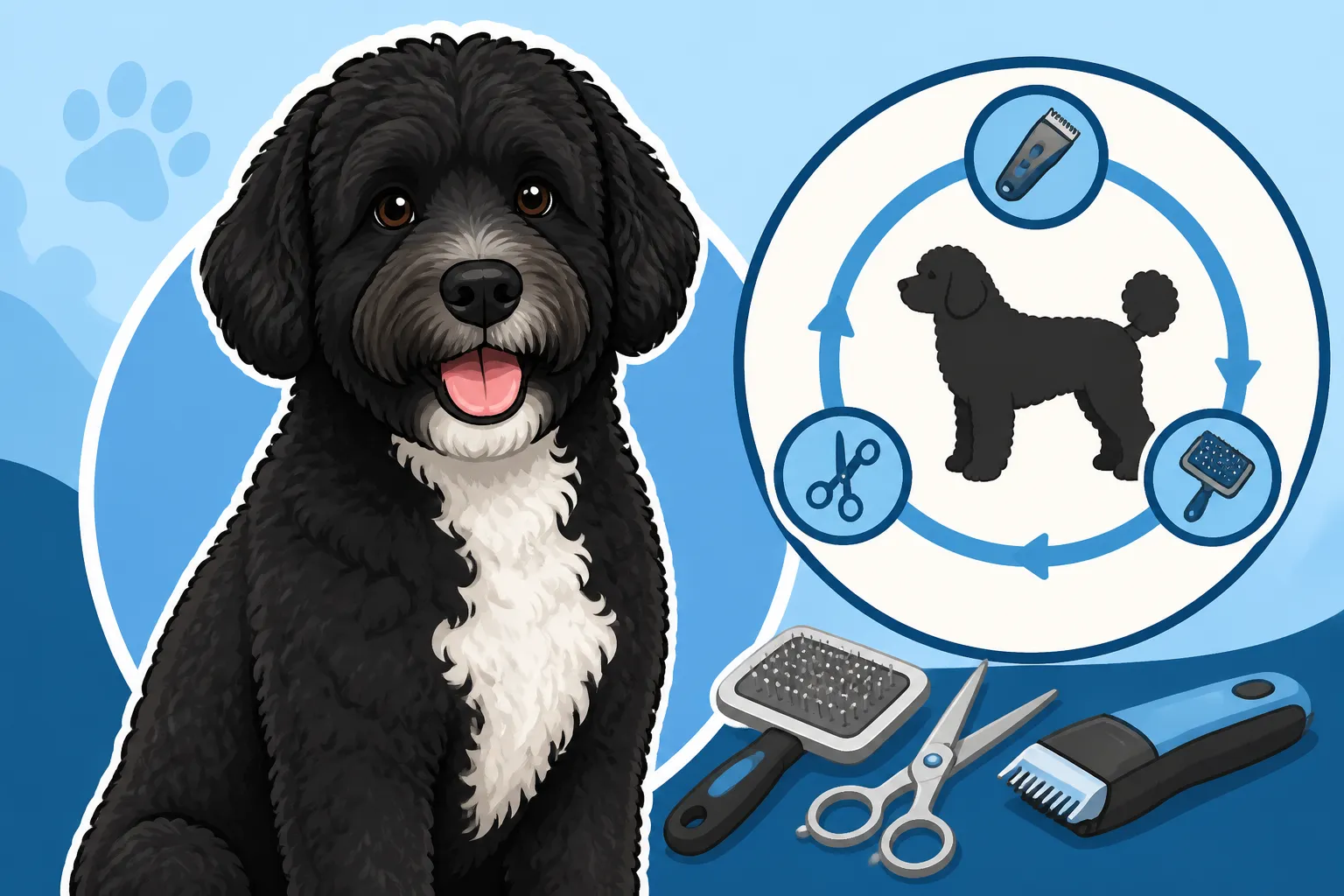
How Often a Portuguese Water Dog Needs Clipping
One of the biggest questions new Portuguese Water Dog owners, and even seasoned ones, grapple with is how often their beloved companion needs a haircut. It's not just about looking tidy; it's a crucial aspect of their health and comfort, especially with that unique, water-resistant coat. This guide is here to walk you through everything you need to know about keeping your PWD's coat in tip-top condition, from understanding its nature to practical clipping schedules and maintenance tips.
Understanding the Portuguese Water Dog Coat
Before we even talk about clippers, it's essential to truly understand the magnificent, yet demanding, coat of a Portuguese Water Dog. It's not just hair; it's a functional, protective layer that historically helped them thrive in their demanding seafaring roles. Ignoring its specific needs can quickly lead to problems, turning a beautiful coat into a matted nightmare.
The Unique Texture of Their Single Coat
Unlike many breeds that have a double coat with a soft undercoat and a coarser outer coat, the Portuguese Water Dog boasts a single coat. This coat is designed for work in the water – it's dense, doesn't shed much, and acts almost like a wetsuit, providing insulation and protection from cold water and harsh elements. But this wonderful attribute comes with a trade-off: it grows continuously. Think of it like human hair; it just keeps getting longer.
This continuous growth means that without regular intervention, the coat will become a long, tangled mess. It’s also incredibly dense, which, while great for insulation, also means that moisture can get trapped close to the skin. If not properly dried and maintained, this can lead to skin irritations and hot spots, especially during warmer months or after a vigorous swim. The texture is usually quite springy and resilient, but once it starts to mat, it pulls at the skin, causing discomfort and even pain for your dog. Understanding What a Portuguese Water Dog's Coat Is Made Of is key to appreciating why regular grooming is non-negotiable.
Curly vs. Wavy: Does it Matter for Clipping?
Portuguese Water Dogs come in two distinct coat types: curly and wavy. While both require diligent grooming, their specific textures can influence how often you feel the need to clip and how quickly they might mat.
The curly coat is, as the name suggests, made up of tight, cylindrical curls that often look like ringlets or spirals. These curls are generally softer to the touch. Because the curls are tight, they tend to hold shed hair within their structure rather than releasing it onto your furniture. This is fantastic for allergy sufferers, but it also means those dead hairs are still in the coat, contributing to matting if not brushed out. The wavy coat, on the other hand, is softer, with a slight sheen, and falls in more open waves rather than tight curls. While it also doesn't shed much, the looser texture can sometimes make mats feel less dense initially, but they can still form quickly and deeply, especially in friction areas.
In practice, both coat types need similar attention when it comes to clipping frequency. A curly coat might look more prone to matting because the curls compact, but a wavy coat can hide mats equally well until they're severe. What truly matters is the coat's length and the dog's activity level, not just whether it's curly or wavy. However, many owners find that a very tightly curled coat can feel denser and more overwhelming to manage if left too long. For a deeper dive, check out How a Curly Coat Differs From a Wavy Coat.
The Non-Shedding Myth and Matting Reality
One of the most appealing aspects of a Portuguese Water Dog for many families is the claim that they are "non-shedding" or "hypoallergenic." While it's true they don't shed like a Labrador or a Golden Retriever, the idea of "non-shedding" is a bit of a misnomer. Their hair still goes through a growth cycle; it just doesn't fall out readily. Instead, the dead hair gets trapped within the dense, growing coat. This is where the matting reality kicks in.
If those dead hairs aren't regularly brushed out, they intertwine with the live, growing hair, forming knots and tangles that quickly escalate into painful mats. These mats aren't just cosmetic; they can pull at the skin, restrict movement, cause skin infections, and even hide parasites. For a dog that loves to swim, mats become sponges, holding water and increasing the risk of skin issues. Even a seemingly small tangle can become a solid felted patch in a surprisingly short amount of time. This continuous growth and retention of dead hair is the primary reason why regular clipping and brushing are absolutely essential for a Portuguese Water Dog. Skipping these steps, even for a few weeks, can turn a manageable coat into a difficult, painful, and costly problem to resolve. Remember, Whether a Portuguese Water Dog Sheds is a common question, and understanding the nuance is key to coat health.
Factors Influencing Clipping Frequency
So, how often should you actually clip your Portuguese Water Dog? There’s no single answer that fits every PWD, because several factors come into play. It’s a dynamic equation that involves your dog's daily life, your aesthetic preferences, and even the time of year.
Lifestyle and Activity Level
Your Portuguese Water Dog's lifestyle is arguably the biggest determinant of how often they'll need a clip. These are active dogs, often involved in swimming, hiking, and various dog sports. A PWD who regularly swims in lakes, oceans, or even a backyard pool will need more frequent attention than one whose exercise is primarily confined to walks on paved paths. Water can be a fantastic way to exercise your PWD, and they love it, but it's also a fast track to matting if their coat isn't managed.
Think about it: water, especially natural water sources, can carry debris like leaves, twigs, and dirt. This foreign matter easily gets caught in their dense coat. When the coat dries, these particles, combined with the natural tightening of the curls, act as prime catalysts for mat formation. Moreover, a very active dog running through brush, rolling in grass, or even playing rough with other dogs will inevitably pick up more tangles. If your PWD is a true "water dog" living up to its name, a shorter, more frequently clipped coat will be much easier to manage, preventing discomfort and reducing post-swim drying time. Conversely, a less active, indoor-only PWD might get away with slightly longer intervals between clips, but brushing will remain paramount.
Desired Coat Length and Style
The length and style you prefer for your PWD's coat will directly dictate how often you need to clip. This is where personal preference and practical considerations meet. Are you aiming for a show ring look, a classic retriever clip, or a very low-maintenance shaved down style?
For instance, if you love the look of a longer, fuller coat, perhaps for a show dog or simply because you appreciate the breed's natural appearance, you'll need to clip less frequently, but brush much more often. Maintaining a longer coat, even if not clipped, still involves regular "tidying" trims around the face, feet, and sanitary areas. If you opt for a practical The Retriever Clip Is the Coat Most Portuguese Water Dogs Wear, which keeps the coat relatively short and uniform, you'll find yourself clipping more frequently to maintain that length – typically every 6-8 weeks. A truly short "sport" clip or shaved down look means less daily maintenance, but still requires clipping every 8-10 weeks to prevent it from growing out and starting to mat again. The longer you let the coat go between clips, the higher the risk of mats and the more work (and potentially cost) involved in the next grooming session.
Seasonal Considerations
Seasons play a surprisingly significant role in your Portuguese Water Dog's grooming needs. While their coat doesn't "blow" like a double-coated breed, temperature and environment certainly impact coat health and comfort.
In warmer months, many PWD owners opt for a shorter clip. This can help prevent overheating, especially for active dogs, and makes managing a wet coat much easier after frequent swims. A shorter coat means less time drying, less chance of skin issues from trapped moisture, and generally less effort in keeping mats at bay. Imagine trying to dry a long, dense coat thoroughly in humid summer weather – it's a huge task! However, even with a short summer clip, sun protection is a consideration, especially for lighter-coated dogs or those with pink skin underneath. Conversely, in colder climates, some owners might allow the coat to grow a little longer for added insulation. This is where diligent brushing becomes even more critical, as a longer coat has more surface area to collect snow, ice, and debris, all of which can lead to quick matting. Regardless of the season, the underlying principle remains: the longer the coat, the more frequent and thorough the brushing must be to prevent mats and maintain skin health.
Different Clipping Styles and Their Impact on Frequency
The Portuguese Water Dog has a few iconic clipping styles, each with its own look, maintenance requirements, and implications for how often you'll need to reach for those clippers. Choosing a style isn't just about aesthetics; it's about practicality and your commitment to grooming.
The Traditional Lion Clip
Ah, the classic Lion Clip! This is perhaps the most recognizable, and certainly the most dramatic, traditional clip for a Portuguese Water Dog. It’s an homage to their working past, designed to help them swim more efficiently by removing hair from the hindquarters, leaving the chest and front legs insulated. The tail typically retains a plume at the end, and the face and head are left full. If you’ve ever wondered Why the Portuguese Water Dog Lion Clip Exists, this is it!
While stunning, the Lion Clip is a high-maintenance look. The contrast between the long, full coat on the front and the shaved hindquarters means that the shaved areas will grow out quickly, blurring the distinct lines that define the style. To maintain that crisp, traditional look, a Portuguese Water Dog in a Lion Clip usually needs professional grooming or a very skilled home groomer every 4-6 weeks. The longer sections on the front and head also require daily brushing to prevent mats, as they are left at a considerable length. This style is often seen on show dogs, but it’s a commitment for pet owners too, demanding frequent touch-ups to keep the shape and ensure comfort. Don't forget, The Lion Clip Costs a Portuguese Water Dog Owner Daily Brushing!
The Practical Retriever Clip
For most pet Portuguese Water Dogs, the Retriever Clip (also sometimes called a "kennel clip" or "utility clip") is the go-to choice. This style keeps the coat at a uniform, manageable length all over the body, head, and tail. There's no dramatic contrast like the Lion Clip, just a neat, practical appearance that highlights the dog's athletic build. This clip makes life much easier for both the dog and the owner, especially for those active PWDs who are constantly in and out of the water.
The beauty of the Retriever Clip lies in its functionality. By keeping the coat consistently short, it significantly reduces the likelihood of matting and drastically cuts down on drying time after swims. This is particularly appealing for owners whose dogs enjoy frequent water activities. While the exact length can vary (some prefer a slightly longer retriever clip, others a super short one), the general principle is consistency. To maintain this uniform length and keep the coat tidy, most Portuguese Water Dogs in a Retriever Clip will need to be clipped every 6 to 8 weeks. This frequency ensures the coat doesn't get too long, where mats can start to form, and keeps the overall look clean and manageable. It's often considered the ideal balance between appearance and ease of care for the active family dog. Many owners appreciate What the Retriever Clip Leaves and What It Takes and find it perfectly suits their lifestyle.
Custom Pet Clips and Shaved Downs
Beyond the traditional Lion and Retriever clips, many Portuguese Water Dog owners opt for custom pet clips or even a full "shaved down" look, especially for very active dogs, during hot weather, or if the coat has become severely matted. These custom approaches offer the most flexibility in terms of length and style, catering specifically to the individual dog's needs and the owner's preferences.
A custom pet clip might involve a slightly longer length than a standard retriever clip, perhaps with a slightly longer head or tail plume, but still keeping the body manageable. It's essentially a tailored version of the retriever clip. The frequency for these clips will vary depending on the chosen length; a longer custom clip might need to be refreshed every 8-10 weeks, while a shorter one could still benefit from a 6-8 week schedule. Then there's the "shaved down" option. This is where the coat is taken very short, sometimes down to a few millimeters. This is a common solution for severely matted dogs, as it's often the only humane way to remove mats without causing immense pain. While it gives a fresh start, it's important to be mindful of sun exposure for a freshly shaved dog. A shaved down coat will need to be re-clipped every 8-12 weeks, as the hair will grow back and start the matting cycle anew. The main advantage of these custom and very short clips is ultimate ease of maintenance between grooming sessions, making them a popular choice for busy families or dogs with extreme water affinities. You might wonder Which Clip Suits a Pet Portuguese Water Dog, and often, a variation of the retriever or a custom short clip is the answer.
The Home Grooming vs. Professional Groomer Debate
When it comes to clipping your Portuguese Water Dog, you essentially have two paths: doing it yourself or entrusting a professional groomer. Both have their merits and drawbacks, and the right choice for you often comes down to time, skill, budget, and access.
The Time and Skill Investment of Home Clipping
Deciding to clip your Portuguese Water Dog at home can initially seem like a smart way to save money, and it absolutely can be! However, it's crucial to understand that it represents a significant investment of both your time and a learning curve for your skills. This isn't just a quick trim; a full PWD clip can take several hours, especially when you're first learning the ropes. You'll need to master using professional clippers, different blade lengths, and scissoring techniques for sensitive areas like the face and paws.
Beyond the actual clipping, home grooming means you're also responsible for all the pre-work (thorough bathing, conditioning, and force-drying) and post-work (nail trims, ear cleaning, and detailed tidying). You'll need to invest in quality equipment, including a sturdy grooming table, professional clippers, various blades, shears, a good force dryer, brushes, and combs. While the initial outlay for equipment can be substantial, it pays for itself over time compared to regular professional grooming fees. The biggest challenge for many is consistency. Your dog will need to be clipped every 6-10 weeks, depending on the desired length, and each session will be a few hours long. It requires patience, a calm demeanor, and the ability to make your dog comfortable with the process. If you're ready for the commitment, home clipping gives you total control over your dog's appearance and can even be a wonderful bonding experience. For those considering it, How Long Home Grooming a Portuguese Water Dog Takes Weekly is an important question to ask.
The Benefits and Cost of Professional Grooming
For many Portuguese Water Dog owners, the convenience and expertise of a professional groomer are well worth the cost. A professional groomer not only has all the specialized equipment but also the training and experience to handle PWD coats effectively, safely, and efficiently. They can achieve consistent results, perform intricate clips like the traditional Lion Clip, and spot potential skin or coat issues that an untrained eye might miss.
The primary benefit is peace of mind and time saved. You drop off your dog, and a few hours later, pick up a beautifully groomed, mat-free, and clean canine companion. Professional groomers are also adept at handling dogs who might be less enthusiastic about grooming, using gentle techniques and positive reinforcement. However, this convenience comes at a price. Professional grooming for a Portuguese Water Dog, due to their size, coat type, and the time involved, can be a significant recurring expense. The cost typically varies based on location, the specific services requested (e.g., de-matting adds to the bill), and the groomer's experience. You'll need to factor in this cost every 6-10 weeks, depending on your dog's growth rate and desired clip. For an owner with a busy schedule or one who isn't confident in their grooming skills, professional grooming is often the preferred, albeit more expensive, route. To get a sense of the financial commitment, look into What Professional Grooming Costs for a Portuguese Water Dog.
Finding the Right Groomer for Your PWD
Whether you're starting with a puppy or you've just adopted an adult Portuguese Water Dog, finding the right groomer is critical. Not all groomers are equally experienced with this breed's unique coat, and an inexperienced hand can lead to discomfort for your dog, or even damage to the coat or skin. This is especially true given their dense, continuously growing hair.
Start by looking for groomers who have specific experience with Portuguese Water Dogs or other curly-coated, non-shedding breeds like Poodles or Spanish Water Dogs. Ask for recommendations from your breeder, local PWD clubs, or even online forums. When you call or visit a potential groomer, don't be shy about asking questions:
- Do they have photos of PWDs they've groomed?
- What is their approach to de-matting? (Ideally, they prioritize humane de-matting or suggest shaving if mats are severe).
- What products do they use?
- Can you tour their facility?
- How do they handle anxious dogs?
A good groomer will also be transparent about pricing and their services. They should be able to advise you on the best clip for your dog's lifestyle and how often your PWD needs clipping to maintain that style. Building a good relationship with a groomer you trust will make the entire process smoother and more enjoyable for both you and your dog. You can often find highly-rated, local groomers through services listed on major pet supply sites like Chewy or by searching local business directories.
Signs Your Portuguese Water Dog Needs a Clip
Sometimes, life gets busy, and those grooming appointments might slip your mind, or you might be trying to stretch the time between home grooming sessions. But your Portuguese Water Dog's coat will usually give you clear indicators that it's time for a trim. Learning to recognize these signs can prevent minor tangles from escalating into major matting issues.
Recognising Mats and Tangles
The most obvious and important sign that your Portuguese Water Dog needs a clip (or at least some serious de-matting) is the presence of mats and tangles. These aren't just cosmetic imperfections; they can be incredibly painful and detrimental to your dog's health. Mats typically start as small knots, often in high-friction areas or where the coat is longest and densest.
Common places to check for mats include:
- Behind the ears: This area gets a lot of rubbing and movement.
- Armpits and groin: Again, areas of high friction.
- Under the collar or harness: Constant rubbing can quickly felt the hair.
- The tail base: Often forgotten, but prone to matting.
- Paw pads: Hair here can get matted and collect debris, affecting gait.
As you brush your dog regularly (which you should be doing!), you'll start to feel these knots. They'll feel like dense lumps of hair. If left unattended, these small knots will grow, tightening and pulling at the skin, restricting blood flow, and creating a perfect breeding ground for skin infections. You might notice your dog flinching when you touch these areas, or even trying to chew at them. If mats become severe, they can cover large areas of the body, making even simple movements painful. This is when professional intervention (often involving shaving) becomes a necessity. Regular vigilance and checking Where a Portuguese Water Dog Mats First will help you catch them early.
Changes in Coat Texture and Movement
Beyond visible mats, subtle changes in your Portuguese Water Dog's coat texture and how they move can signal that a clipping is overdue. When the coat gets too long, it begins to lose its natural spring and bounce, becoming heavier and denser.
You might notice that their curls or waves appear less defined and more "matted down" or fluffy, even after brushing. The coat might feel less resilient and harder to get a comb through. This change in texture often indicates that the hair is starting to felt together at the roots, making it increasingly difficult for air to circulate to the skin. Furthermore, an overgrown coat can actually impede your dog's movement. Long hair around the legs and belly can restrict their natural gait, making them less agile or even causing them to trip. You might see them moving a little less freely, or seeming less enthusiastic about their usual vigorous play. If you've ever had long hair and it's felt heavy or in the way, imagine that feeling all over your body! This heaviness and restricted movement are clear signs that it’s time to lighten their load with a good trim.
Overgrown Hair Around Eyes, Ears, and Paws
These specific areas – the eyes, ears, and paws – are often the first to show signs of overgrowth and are critical for your Portuguese Water Dog's comfort and well-being. Overgrown hair in these spots isn't just unsightly; it can pose health risks.
- Around the Eyes: Hair growing too long around the eyes can obstruct vision, irritating the eyes and even leading to infections if debris or moisture gets trapped. It can also mat into thick "tear stains," which are uncomfortable and difficult to clean. If your PWD is constantly rubbing their face or squinting, it's a clear sign their eye hair needs a trim.
- Ears: The inside of a Portuguese Water Dog's ears, and the hair around the ear canal, can become a breeding ground for problems. Long hair around the ear can trap moisture and reduce airflow, increasing the risk of ear infections, a common issue for water-loving dogs. If the hair is visibly growing into the ear canal or seems to be causing itchiness, it's time for a trim and a good ear cleaning. It's why Why a Portuguese Water Dog's Ears Need Checking Every Week is so important.
- Paws: Hair growing long between the paw pads can pick up dirt, debris, and even ice balls in winter, leading to discomfort, matting, and even lameness. It can also reduce traction on smooth surfaces. If your dog is slipping more, licking their paws excessively, or has noticeable clumps of hair between their toes, a paw trim is definitely in order. These specific trims are often done between full body clips to maintain hygiene and comfort.
Maintaining Coat Health Between Clips
While clipping is crucial, what you do between those grooming sessions is just as important, if not more so, for keeping your Portuguese Water Dog's coat healthy and mat-free. It's a continuous process that requires dedication and the right tools.
The Importance of Regular Brushing
Regular brushing is the absolute cornerstone of Portuguese Water Dog coat maintenance. Without it, even the most diligent clipping schedule won't prevent mats. Their continuously growing, non-shedding coat requires manual removal of dead hair and tangles before they can form solid mats. Think of brushing as your daily defense against a looming hair disaster.
Aim for brushing your PWD at least 3-4 times a week, and ideally daily, especially if their coat is on the longer side or if they've been particularly active. You'll need the right tools: a good quality slicker brush (one that reaches down to the skin, not just glides over the top) and a sturdy metal comb. The process should involve line brushing, where you part the hair and brush in sections, ensuring you get right down to the skin. This isn't just surface grooming; it's deep work. Neglecting brushing for even a week or two can lead to small tangles quickly escalating into tight, painful mats that are much harder to remove. Make sure you understand How Often a Portuguese Water Dog Needs Brushing and commit to it. For tool recommendations, Which Brush a Portuguese Water Dog Needs can guide your purchase, often available through retailers like Amazon or Chewy.
Bathing and Drying Routines
Bathing a Portuguese Water Dog isn't just about getting them clean; it's an integral part of coat health and mat prevention, especially when done correctly. But it's not a standalone event – it must always be followed by thorough drying.
How often you bathe depends on your dog's activity level and how dirty they get. For a PWD who loves to swim, a quick rinse after a dip in the ocean or a muddy lake is always a good idea. A full shampoo and condition might be needed every 2-4 weeks, or more frequently if they're particularly grubby. Always use a good quality dog shampoo and conditioner to help keep the coat supple and prevent dryness. The real game-changer after bathing, however, is the drying process. A damp Portuguese Water Dog coat is a mat magnet. As the hair dries naturally, it tends to tighten and curl, pulling any existing tangles into tighter, harder-to-remove mats. Therefore, your PWD must be thoroughly dried after every bath or swim. This means towel drying as much as possible, followed by using a forced air dryer (a "force dryer") to blow out all the moisture while brushing simultaneously. This process can take a significant amount of time, sometimes an hour or more for a full coat, but it's non-negotiable for preventing mats and maintaining skin health. Never let your PWD air dry if you want to avoid mats. Learning Drying a Portuguese Water Dog After Every Swim effectively is a must.
Addressing Specific Areas: Ears and Paws
Even with regular full-body brushing and professional clips, there are specific "hot spots" on a Portuguese Water Dog that demand extra attention between grooming sessions. These are the ears and paws, and neglecting them can lead to discomfort and health issues.
- Ears: Portuguese Water Dogs are prone to ear infections due to their floppy ears and their love for water. Moisture can easily get trapped in the ear canal, creating a warm, damp environment perfect for bacterial or yeast growth. You should check your PWD's ears weekly – sniff them for any foul odor, look for redness or discharge, and gently clean them with a veterinarian-approved ear cleaner. Many owners choose to gently pluck or trim excess hair from the ear canal (with guidance from a groomer or vet) to improve airflow, though some prefer to leave it. Keeping the hair around the ear trimmed short also helps reduce matting in that friction-prone area. Consistent ear care, like outlined in How Often a Portuguese Water Dog's Ears Need Checking, is key to preventing painful infections.
- Paws: The webbed feet of a PWD are fantastic for swimming but can become problematic if the hair between their pads grows too long. This hair can collect debris, dirt, stickers, or snow, leading to painful mats, skin irritation, and even difficulty walking. Regularly inspect your dog's paw pads and trim the hair flush with the pads using blunt-nosed scissors. This improves hygiene, prevents matting, and gives them better traction. Don't forget their nails, either! Long nails can affect their gait and cause discomfort. Regular clipping or grinding every 2-4 weeks is usually necessary. Keeping these areas meticulously maintained between clips will significantly contribute to your Portuguese Water Dog's overall comfort and health.
| Clipping Style | Recommended Frequency | Primary Benefit | Maintenance Between Clips | Best For |
|---|---|---|---|---|
| Lion Clip | Every 4-6 weeks | Traditional look, specific insulation | Daily brushing | Show dogs, owners committed to high maintenance |
| Retriever Clip | Every 6-8 weeks | Practical, uniform length, easy water management | 3-4x weekly brushing | Active pet dogs, most family PWDs |
| Custom Pet/Short Clip | Every 8-10 weeks | Very low maintenance, prevents mats efficiently | 2-3x weekly brushing | Very active dogs, hot climates, busy owners |
| Shaved Down | Every 8-12 weeks (reset) | Addresses severe matting, ultimate low maintenance | Weekly brushing (as grows) | Severely matted dogs, starting fresh, extreme heat |
Disclaimer
This article is for general informational purposes only and does not constitute professional advice. Laws, prices and regulations vary by location and change over time. Consult a qualified professional for guidance on your specific situation.