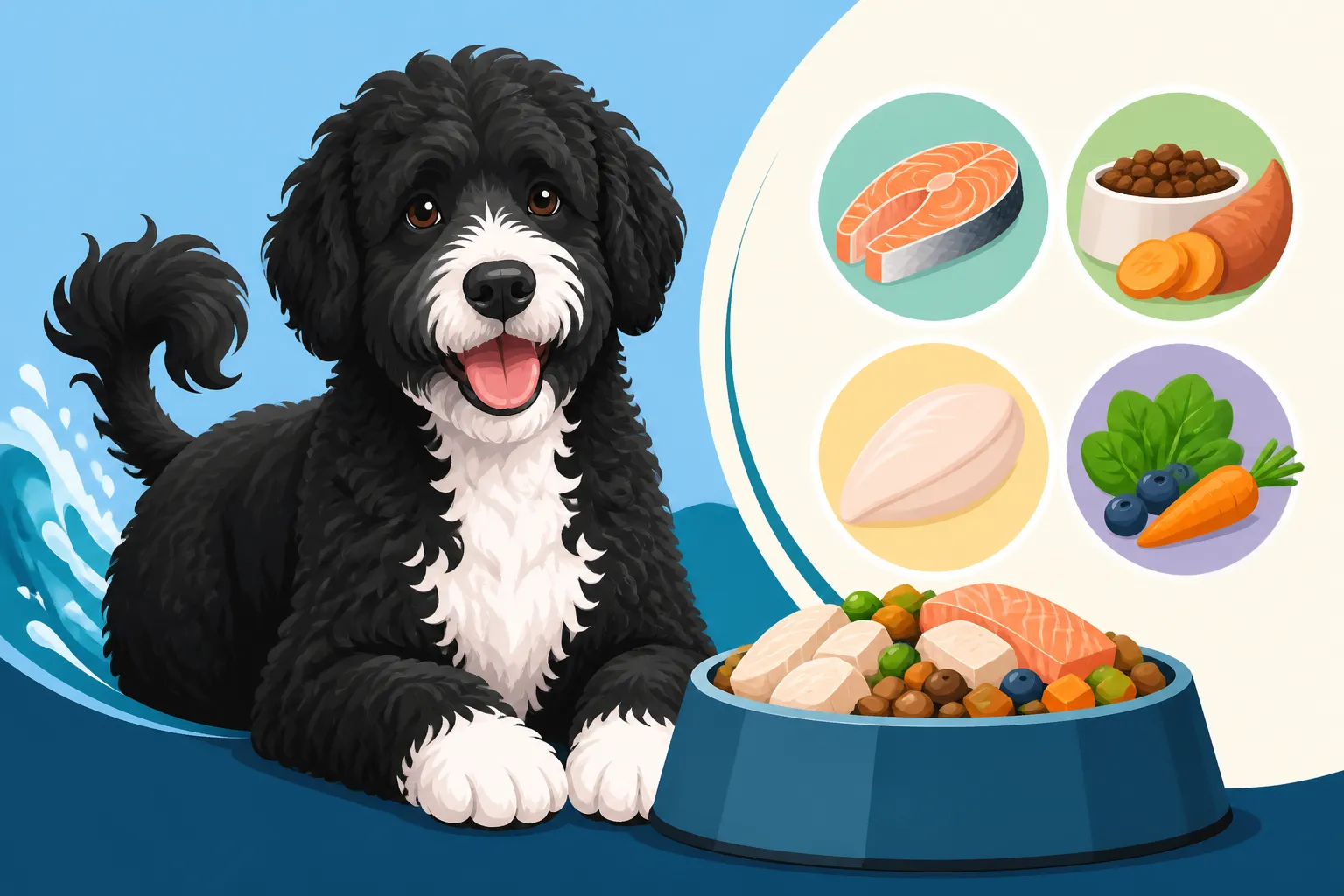
Feeding an Athletic Portuguese Water Dog
It's a common misconception that all dogs need the same kind of food, scooped out in a consistent quantity day after day. But if you're living with an energetic Portuguese Water Dog, you know that simply isn't true. These intelligent, athletic companions are bundles of muscle and drive, and their dietary needs reflect that. This comprehensive guide will walk you through how to properly fuel your active PWD, ensuring they have the stamina for all their water adventures and land escapades, without compromising their long-term health.
Understanding Your Portuguese Water Dog's Energy Needs
When you look at your Portuguese Water Dog, you're not just seeing a furry friend; you're looking at a canine athlete, a descendant of working dogs bred for endurance and strength on fishing boats. Ignoring this inherent athleticism when considering their diet is one of the biggest mistakes an owner can make. These aren't sedentary couch potatoes; they need fuel for their active lifestyle, and that fuel comes directly from what's in their bowl.
The Working Dog Legacy
Think about the history of the Portuguese Water Dog. They weren't bred to sit idly by. Their ancestors were true working dogs, leaping into icy waters to retrieve lost gear, herd fish into nets, and carry messages between boats along the coasts of Portugal. This demanding historical role ingrained in them a metabolism designed for sustained activity and quick bursts of energy. They needed to be able to work for hours, often in challenging conditions, and then recover quickly. This means their bodies are naturally primed for converting calories into usable energy efficiently. When we bring these dogs into our homes, even if they're not working a fishing trawler, their physiological needs haven't fundamentally changed. They still possess that deep-seated drive for movement and that efficient metabolism, which directly translates to their daily caloric requirements.
Activity Levels and Caloric Expenditure
It's tempting to think that a fixed amount of food is sufficient, but your PWD's activity level can fluctuate wildly, and their caloric needs will too. A leisurely walk around the block is vastly different from an hour of intense dock diving, a vigorous retrieve session in the lake, or a long hike through varied terrain. A dog that spends several hours swimming, running, and playing will burn significantly more calories than one whose exercise consists primarily of shorter, slower walks. Over the course of a week, if your PWD has a few days of lower activity and a few days of high-intensity work, their overall caloric expenditure will average out, but you might need to adjust their daily intake accordingly. It's not about making drastic changes every single day, but being mindful of sustained periods of increased or decreased activity. Whether a Working Portuguese Water Dog Needs More Food is a question that often comes up, and the answer is almost always yes, within reason, to sustain their energy and maintain a healthy weight.
Growth and Development Fuel
Puppies, particularly those of active breeds like the Portuguese Water Dog, have unique dietary demands that differ significantly from adults. Their little bodies are growing at an incredible rate, developing bones, muscles, and organs, which requires a dense intake of nutrients and calories. You might see a PWD puppy that looks like a fluffy, clumsy ball of energy, but underneath that adorable exterior, their skeletal system is rapidly forming. Why a Portuguese Water Dog Puppy Should Grow Slowly is a critical point; too rapid growth can put undue stress on developing joints. This is why specialized large breed puppy formulas are often recommended, as they aim to provide balanced nutrition for steady growth, not explosive growth. As they transition from puppyhood to adolescence, their caloric needs might even peak before they level off into adulthood. Keeping a close eye on their development and adjusting their food as they mature is crucial for setting them up for a healthy, active life. The Age a Portuguese Water Dog Reaches Full Weight is usually around 12-18 months, but their energy needs remain high for much longer.
Choosing the Right Food for Your Athletic PWD
Walking down the pet food aisle or browsing online can be utterly overwhelming. There are countless brands, formulas, and ingredient lists, all promising the best for your dog. For an athletic breed like the Portuguese Water Dog, making the right choice isn't just about avoiding cheap fillers; it's about providing the optimal fuel mix to support their muscles, joints, and overall vitality.
Quality Ingredients Matter
When it comes to feeding an athletic Portuguese Water Dog, the quality of the ingredients in their food is paramount. Look for foods where a named meat source (like chicken meal, lamb, or salmon) is listed as the first ingredient, rather than a generic "meat by-product" or a grain. Protein is crucial for muscle development and repair, especially for a dog that uses its body as much as a PWD does. Fats provide concentrated energy, which is essential for endurance. Healthy fats, like omega fatty acids, also support skin and coat health, which is important for PWDs with their unique, water-resistant coats. Carbohydrates offer readily available energy, but the type and quality matter. Complex carbohydrates from whole grains, vegetables, and fruits provide sustained energy and fiber, rather than just empty calories. Reading ingredient labels might feel like decoding a secret language, but taking the time to understand what you're actually feeding your dog can make all the difference in their performance and well-being. Look for transparency from manufacturers.
Dry Kibble vs. Wet Food vs. Raw/Fresh
The debate over dog food types can feel endless. Dry kibble is the most common choice, largely due to its convenience and cost-effectiveness. High-quality kibbles are formulated to be nutritionally complete and often include supplements for joint health or specific life stages. Many active PWD owners find a premium kibble brand (you can find a vast selection on sites like Chewy or Amazon) perfectly adequate, especially if their dog thrives on it. Wet food can be more palatable and hydrating, but it's typically more expensive and less calorie-dense per serving, which means you'd need to feed larger quantities to an active PWD to meet their energy needs.
Then there's the growing trend of fresh-cooked or raw diets. Services like Ollie deliver freshly prepared, human-grade meals tailored to your dog's needs. The appeal here is the minimal processing and recognizable ingredients. Proponents argue that these diets are more digestible and provide superior nutrition. However, they can be significantly more expensive and require careful handling to ensure nutritional balance and safety. If you're considering a raw or fresh diet, it's absolutely vital to consult with a veterinary nutritionist to ensure your PWD is getting all the necessary vitamins and minerals, especially considering their high energy demands. Each option has its merits, but the best choice is ultimately the one that provides complete, balanced nutrition, is enthusiastically eaten by your PWD, and fits your lifestyle and budget.
Large Breed Considerations
While Portuguese Water Dogs aren't giant breeds, they are certainly active, robust dogs, and their dietary needs often align with some large breed considerations, particularly during their growth phase. One major concern for larger, active breeds is the rate of bone and joint development. Overfeeding a puppy, especially with food that is too high in calcium or calories, can lead to accelerated growth and increase the risk of orthopedic issues like hip or elbow dysplasia later in life. This is why many breeders and veterinarians recommend feeding specific large breed puppy formulas for the first year or so. These formulas are typically designed with a carefully balanced calcium-to-phosphorus ratio and a moderate calorie density to promote slow, steady growth. As adults, their active lifestyle still puts demands on their joints, making the inclusion of ingredients like glucosamine and chondroitin, or When a Portuguese Water Dog Needs Joint Supplements as a separate addition, beneficial for long-term joint health. It's all about providing foundational support for a body that's constantly on the move.
Calculating and Adjusting Portion Sizes
This is where the rubber meets the road. You've chosen a fantastic food, but how much of it should you actually put in the bowl? This isn't a "one size fits all" answer, and relying solely on the feeding guidelines printed on the bag can be a mistake. Those guidelines are broad averages, and your PWD is an individual with unique needs.
The Rib Test and Body Condition Scoring
The most effective way to determine if your Portuguese Water Dog is getting the right amount of food isn't with a measuring cup alone; it's by regularly assessing their body condition. This involves both looking and feeling. The "rib test" is a simple but powerful tool: you should be able to easily feel your dog's ribs, spine, and hip bones under a thin layer of fat, but they shouldn't be visibly protruding. When you look down at your dog from above, you should see a distinct waistline, an hourglass shape. From the side, their abdomen should tuck up slightly.
This is formally known as Body Condition Scoring (BCS), a scale typically from 1 to 9 (or 1 to 5). A score of 5/9 (or 3/5) is considered ideal. A PWD's dense, curly or wavy coat can sometimes hide weight fluctuations, so regularly putting your hands on your dog is crucial. How a Portuguese Water Dog's Coat Hides Weight Loss or gain is a real challenge for many owners. Don't be shy about running your hands along their sides and back every week or two. If you notice they're looking a bit too thin or a bit too chunky, that's your cue to adjust their food intake.
Here's a simplified look at Body Condition Scoring:
| Score | Description | What You Feel/See |
|---|---|---|
| 1 | Emaciated | Ribs, spine, pelvic bones easily visible from a distance. No discernible body fat. Obvious loss of muscle mass. Severe abdominal tuck. |
| 2 | Very Thin | Ribs, spine, pelvic bones easily visible. Minimal body fat. Little muscle mass. Pronounced abdominal tuck. |
| 3 | Thin | Ribs easily palpable and may be visible. Top of vertebrae visible. Pelvic bones becoming prominent. Obvious waist. Minimal abdominal fat. |
| 4 | Underweight | Ribs easily palpable. Waist easily noted when viewed from above. Abdominal tuck apparent. |
| 5 | Ideal | Ribs palpable without excess fat covering. Waist observed behind ribs when viewed from above. Abdominal tuck evident. This is where you want your PWD! |
| 6 | Overweight | Ribs palpable with slight excess fat covering. Waist discernible but not prominent. Abdominal tuck absent or minimal. |
| 7 | Heavy | Ribs palpable with difficulty. Heavy fat covering. Waist absent or barely visible. Obvious rounding over lumbar area. Abdominal tuck absent. |
| 8 | Obese | Ribs not palpable without significant pressure. Heavy fat deposits over lumbar area, face, limbs. Abdomen obviously distended. No waist or abdominal tuck. |
| 9 | Severely Obese | Massive fat deposits over chest, spine, and tail base. Ribs not palpable. Abdominal distention. Lack of waist. Extensive fat over face and limbs. |
Factors Affecting Daily Portions
Beyond the generic guidelines, several factors influence how much food your PWD truly needs. Their age is a big one: puppies need more calories for growth, while senior dogs might need fewer as their metabolism slows down, or more if they are battling a wasting illness. Their activity level is, of course, critical; a PWD training for water trials will require more fuel than one with a more relaxed schedule. Metabolism varies from dog to dog; some dogs just run "hotter" and burn through calories faster. Environmental temperature can also play a role; dogs spending time outdoors in cold weather burn more calories to maintain body heat. When a Portuguese Water Dog Needs Extra Calories in Winter is a valid consideration. Their reproductive status (intact vs. spayed/neutered) also impacts metabolism. Spayed or neutered dogs often have slightly lower caloric needs, which can lead to weight gain if not adjusted. Illnesses or medications can also alter appetite and metabolism. It's a dynamic equation, and constant observation is your best tool.
Monitoring Weight and Energy Levels
The goal isn't just to keep your PWD at an ideal weight, but to ensure they maintain their characteristic vitality and zest for life. Regular weigh-ins, perhaps once a month at home or at the vet, are excellent for tracking trends. What an Adult Portuguese Water Dog Should Weigh provides a general range, but remember that individual build also matters. Beyond the scale, pay attention to their energy levels. Are they eager for their usual walk or swim? Are they lagging during play? A sudden drop in energy could indicate insufficient calories, or it could be a sign of something more serious, warranting a vet visit. Conversely, if they're gaining weight despite seemingly moderate food intake, and their energy is still high, you might need to slightly reduce their portions or increase their exercise. The balance between food and activity is a constant dance, and paying attention to both their physical condition and their behavior gives you the clearest picture.
Feeding Schedules and Routines
Just like us, dogs thrive on routine, and meal times are no exception. Establishing a consistent feeding schedule isn't just about managing hunger; it plays a vital role in digestion, energy management, and even preventing certain health issues in active breeds like the Portuguese Water Dog.
Meal Frequency for Puppies and Adults
For Portuguese Water Dog puppies, frequent small meals are generally recommended. Their small stomachs can't handle large quantities of food, and their rapidly growing bodies need a steady supply of nutrients. Typically, puppies under three months might eat three to four times a day, gradually reducing to two to three meals by six months. As they reach adulthood, most PWDs do very well on two meals a day – once in the morning and once in the evening. This helps prevent them from feeling overly hungry between meals, aids digestion, and helps stabilize their blood sugar levels. Feeding once a day might seem convenient, but it can leave an active dog feeling ravenous and potentially increase the risk of bloat (gastric dilatation-volvulus) in deeper-chested breeds, though PWDs are not typically as prone as some other large breeds. Spreading out their caloric intake throughout the day is generally the safer and more comfortable approach for an active dog.
Timing Meals Around Exercise
This is a critical aspect for an athletic Portuguese Water Dog. Feeding a large meal right before intense exercise, especially swimming or running, is a recipe for digestive upset and can contribute to serious conditions like bloat. It's generally advised to feed your PWD at least two to three hours before any strenuous activity. This allows sufficient time for digestion to begin and for the stomach to empty somewhat. Similarly, after a high-energy session, it's best to wait at least 30 minutes to an hour before offering their meal. Their body needs time to cool down and for their digestive system to return to a normal state. Think about how you feel if you eat a big meal and then immediately go for a run – not great! The same applies to your PWD. If you have an evening training class or a long swim planned, consider feeding their dinner earlier or later, or splitting their meal into smaller portions around the activity. Prioritizing proper digestion around exercise will keep your PWD comfortable and safe.
Consistency is Key
Dogs are creatures of habit, and consistent feeding times help regulate their metabolism and digestive system. When your PWD knows roughly when their meals are coming, their body can anticipate and prepare for digestion. This can lead to better nutrient absorption and fewer digestive issues. Irregular feeding times can cause stress, leading to begging, frantic eating, or even stomach upset. Beyond just the timing, consistency in where you feed them also helps establish a calm routine. A designated feeding spot, away from distractions, allows your PWD to eat peacefully. If you have multiple dogs, feeding them separately can prevent resource guarding and ensure everyone gets their fair share. Sticking to a consistent schedule, even on weekends or holidays, contributes significantly to your Portuguese Water Dog's overall health, happiness, and well-behaved demeanor.
Supplements and Special Dietary Needs
While a high-quality, balanced diet should be the foundation, there are times when an athletic Portuguese Water Dog might benefit from targeted supplements or require specific dietary adjustments due to unique health considerations. It's always best to discuss any additions or changes with your veterinarian.
Joint Support
For a breed known for its athleticism and love of water sports, the long-term health of their joints is paramount. Over their lifetime, jumping, retrieving, and swimming put consistent stress on their hips, elbows, and other joints. Even if your PWD comes from lines with excellent genetic clearances, proactive joint support can be beneficial. Ingredients like glucosamine, chondroitin, and MSM are widely used to support cartilage health and reduce inflammation. Omega-3 fatty acids, particularly EPA and DHA from fish oil, are powerful natural anti-inflammatories that can significantly aid joint comfort and mobility. When a Portuguese Water Dog Needs Joint Supplements often begins as a preventative measure in adulthood, or when early signs of stiffness appear, but a veterinarian can help determine the right time and dosage. You can find these supplements in various forms—chews, powders, or liquid drops—from reputable pet retailers on Amazon or Chewy.
Hydration and Electrolytes
This is especially critical for Portuguese Water Dogs, who often spend a lot of time in and around water. While swimming itself is fantastic exercise, vigorous activity, especially in warm weather, leads to fluid and electrolyte loss. Dehydration can quickly impact performance, lead to fatigue, and in severe cases, be dangerous. Always ensure your PWD has access to fresh, clean water, especially after exercise. If your dog is a big swimmer, remember that Whether a Portuguese Water Dog Swallows Water While Swimming is often the case, but this isn't usually enough to fully hydrate them and can even lead to issues like water intoxication if they ingest too much plain water without adequate electrolytes.
For particularly long or intense sessions, especially in hot conditions, an electrolyte supplement designed for dogs can be beneficial. These are not typically needed for everyday activity but can be a game-changer for working dogs or those competing in endurance events. They help replenish essential minerals lost through sweat and panting, aiding in faster recovery and preventing muscle cramps. However, consult your vet before adding any electrolyte supplements, as overuse can cause an imbalance. Generally, ensuring constant access to water is the best first line of defense. How Much Water a Portuguese Water Dog Drinks a Day can vary, but always keep it plentiful.
Addressing Sensitivities and Allergies
Even the healthiest, most active Portuguese Water Dog can develop food sensitivities or allergies. These can manifest as digestive upset (vomiting, diarrhea, gas), skin issues (itching, redness, recurring ear infections), or even respiratory problems. If you suspect your PWD has a food sensitivity, your vet might recommend an elimination diet, which involves feeding a novel protein source (one your dog hasn't eaten before, like duck or venison) or a hydrolyzed protein diet for a period to identify the offending ingredient.
For PWDs with sensitive stomachs, choosing a limited ingredient diet (LID) can be helpful, reducing the number of potential allergens. Some dogs do better on grain-free diets, though this should be discussed with a vet due to ongoing research into potential cardiac links. Brands sometimes offer specific formulas for sensitive digestion. It's a process of careful observation and often trial and error, but finding the right diet for a sensitive PWD can dramatically improve their quality of life. Whether a Portuguese Water Dog Has a Sensitive Stomach is not uncommon, so being prepared to explore options with your vet is a smart move.
Treats, Training, and Hydration
Treats are an invaluable tool for training and bonding with your Portuguese Water Dog, and proper hydration is the cornerstone of their health. Integrating these elements wisely into their diet is crucial for maintaining their athletic physique and overall well-being.
High-Value Treats for Training
Portuguese Water Dogs are intelligent and generally eager to please, but they're also independent thinkers. High-value treats can be incredibly motivating for training, especially for complex commands or during distracting environments. However, these treats also contribute to their daily caloric intake, and it's easy to overdo it. A good rule of thumb is that treats should make up no more than 10% of your dog's daily calories.
Instead of large, calorie-dense biscuits, consider smaller, soft training treats that can be quickly consumed. You can also use pieces of cooked chicken, cheese, or even small bits of their regular kibble for training. If you're going to use a lot of treats during a training session, remember to adjust their main meal portion accordingly. Many PWDs are highly food-motivated, so even a small, potent treat can go a long way. This balance ensures they get the reinforcement they need without packing on extra pounds, which can be detrimental to their joints and overall health.
Smart Snacking for Active Days
On days filled with long hikes, extensive swimming sessions, or intense training, your athletic PWD might need more than just their regular meals to sustain their energy. These are the times when "smart snacking" can come in handy. Think of it like an athlete's energy bar. Small, easily digestible, and calorie-dense snacks can help prevent an energy crash. Cooked lean meats, a dollop of plain yogurt, or even specialized canine energy chews can be given in moderation.
However, be mindful of what you're offering. Avoid human junk food, excessive sugar, or anything that could cause digestive upset. The key is to provide a boost of energy without disrupting their appetite for their main meals. If you're out for a long day by the lake, bringing along a sealed container of their regular kibble or a few high-quality, pre-portioned treats from Chewy or Amazon can provide that needed pick-me-up. This thoughtful approach ensures your PWD stays energized and performs at their best throughout their active day.
Water, Water, Everywhere
It cannot be stressed enough: adequate hydration is absolutely critical for an athletic Portuguese Water Dog. Water is involved in every bodily function, from regulating body temperature and lubricating joints to transporting nutrients and flushing out toxins. For a dog that loves to swim and be active, they'll naturally need more water than a less active companion. Always ensure multiple water bowls are available in your home, kept clean and filled with fresh water.
When you're out and about, especially for long periods or during exercise, always bring water for your PWD. Collapsible bowls or portable water bottles designed for dogs are essential gear for any PWD owner. Dehydration can lead to serious health problems, and it can creep up quickly. Monitor their water intake, and if you notice a significant decrease or increase in thirst, it warrants a call to your veterinarian. After a swim, even though they might have swallowed some water, it's still vital to offer them fresh drinking water to ensure proper rehydration.
Common Feeding Mistakes to Avoid
Even with the best intentions, it's easy to fall into common traps when feeding an active dog. Being aware of these pitfalls can help you provide the best possible nutrition for your Portuguese Water Dog.
Overfeeding or Underfeeding
This is perhaps the most prevalent and damaging mistake. Overfeeding, even by a little bit each day, can lead to gradual weight gain, putting extra stress on their joints, heart, and other organs. An overweight PWD will have less stamina, be less enthusiastic about exercise, and be at higher risk for conditions like diabetes and arthritis. On the flip side, underfeeding an athletic PWD means they won't have the energy to perform their daily activities, leading to lethargy, muscle loss, and a weakened immune system.
The temptation is often to "fatten up" an active dog or to cut back too much for a dog that seems a bit chunky. Instead of drastic changes, make small, incremental adjustments. If your PWD needs to lose weight, a 10-15% reduction in their current intake, combined with appropriate exercise, is a good starting point. If they're too thin, a similar increase is wise. It's a delicate balance that requires consistent observation of their body condition and energy levels.
Ignoring Body Condition
As discussed earlier, relying solely on the feeding guidelines on the back of a dog food bag is a common error. Those guidelines are averages, calculated for "average" activity levels and metabolisms. Your Portuguese Water Dog is anything but average when it comes to activity! Their unique metabolism, specific exercise routine, and individual genetic makeup mean those guidelines are merely a starting point.
The real guide should be their body condition score. Many owners look at their PWD's coat and assume they're healthy, missing crucial clues about their weight underneath. Make it a habit to regularly run your hands over your dog's ribs, spine, and hip bones. Feel for that thin layer of fat, not a thick padding. If you're unsure, ask your vet or an experienced PWD breeder to show you how to properly assess their body condition. It's a skill that will serve you and your dog well throughout their life.
Sudden Diet Changes
A sudden switch in your Portuguese Water Dog's food can wreak havoc on their digestive system, leading to upset stomachs, vomiting, and diarrhea. Their gastrointestinal tract needs time to adjust to new ingredients, new protein sources, and different fat and fiber levels. Whether you're transitioning from a puppy formula to an adult one, changing brands, or switching from kibble to a fresh diet like Ollie, a slow, gradual transition is essential.
Typically, this involves mixing the new food with the old food over a period of 7 to 10 days. Start by adding a small amount of the new food (about 25%) to 75% old food for a couple of days. If all goes well, gradually increase the proportion of the new food while decreasing the old, until your dog is fully on the new diet. This allows their digestive enzymes to adapt and helps prevent any unpleasant surprises. This goes for treats, too – introduce new treat types gradually, especially if your PWD has A Portuguese Water Dog Has a Sensitive Stomach. Slow and steady wins the race when it comes to diet changes.
Disclaimer
This article is for general informational purposes only and does not constitute professional advice. Laws, prices and regulations vary by location and change over time. Consult a qualified professional for guidance on your specific situation.