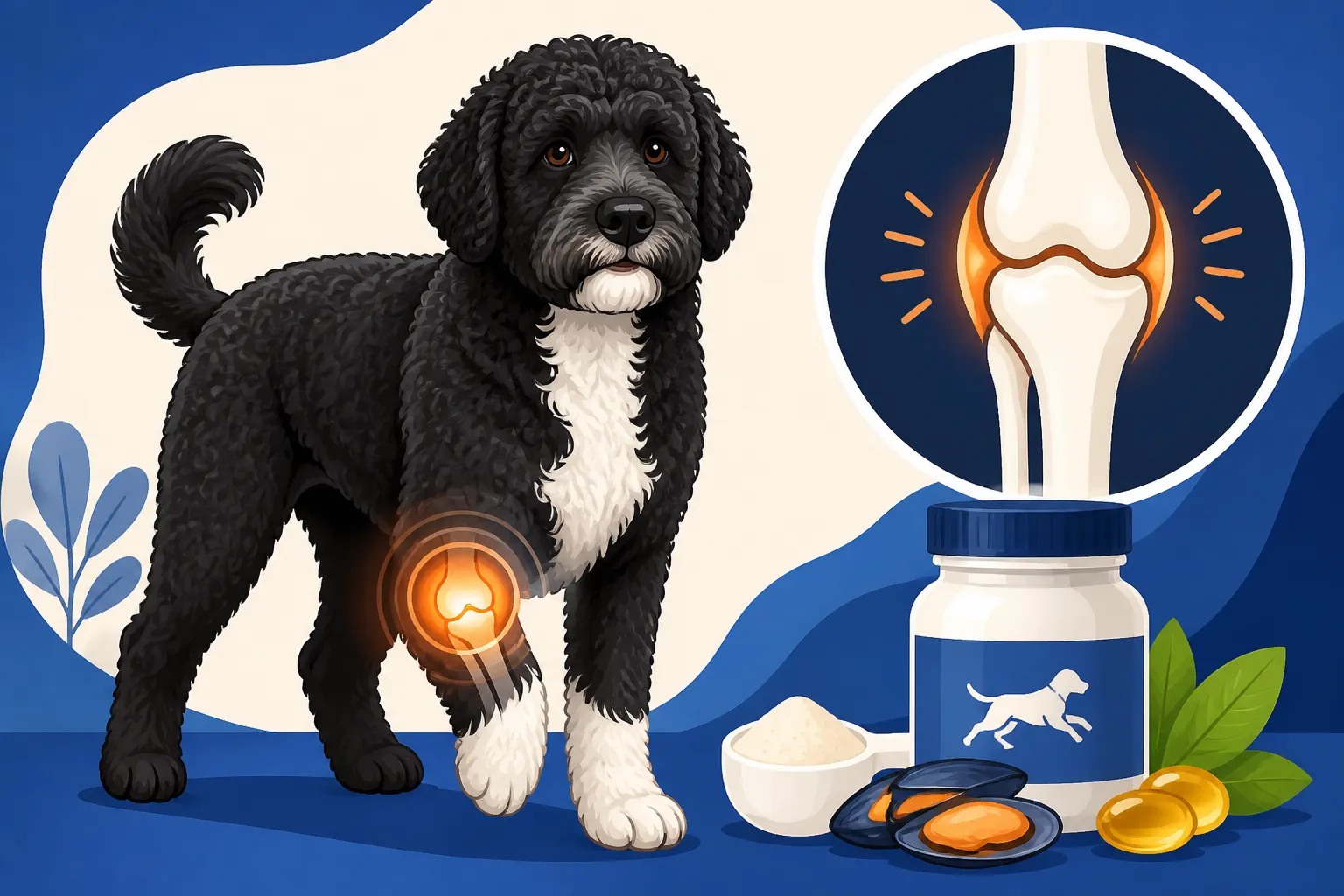
When a Portuguese Water Dog Needs Joint Supplements
It’s a common worry for any dog owner, but especially for those of us with active, water-loving breeds like the Portuguese Water Dog: how do we keep their joints healthy, strong, and ready for a lifetime of adventure? You see your energetic PWD bounding, swimming, and playing, and the thought might creep in – will they keep this agility as they age? This guide is here to walk you through understanding your Portuguese Water Dog's joint health, recognizing the signs that they might need a little extra help, and navigating the world of joint supplements to ensure they stay as spry as possible for years to come.
Understanding the Portuguese Water Dog's Joint Health Landscape
Our Portuguese Water Dogs are magnificent athletes, built for demanding work in and out of the water. Their structure and inherent drive for activity mean their joints are constantly in use, and sometimes, this can lead to wear and tear or specific breed predispositions. It's crucial to understand the challenges they might face so we can be proactive in their care.
Common Joint Issues in the Breed
Just like us, dogs can suffer from a variety of joint conditions, and Portuguese Water Dogs, unfortunately, aren't immune to certain genetic or developmental problems. The two most commonly discussed orthopedic issues in the breed are hip and elbow dysplasia. These conditions involve the abnormal development of the hip or elbow joints, leading to instability, pain, and eventually, arthritis. Imagine trying to run or jump when your hip socket isn't perfectly cradling the ball of your femur – that's the kind of discomfort our dogs can experience.
Beyond dysplasia, arthritis (or osteoarthritis) is a big one, especially as our beloved PWDs start to reach their senior years. This degenerative joint disease is essentially the gradual wearing away of the cartilage that cushions the joints. Once that protective layer is gone, bone rubs on bone, causing inflammation, pain, and reduced mobility. Other less common but still possible issues include patellar luxation (slipping kneecap) or osteochondritis dissecans (OCD), which can affect cartilage development. Hips and Joints in a Portuguese Water Dog is a great resource if you want to dive deeper into these specific concerns. Understanding these potential challenges allows us to be vigilant and partner effectively with our veterinarians.
The Role of an Active Lifestyle on Joints
It's a beautiful paradox, isn't it? Our Portuguese Water Dogs need exercise. They are bundles of energy, driven by their working heritage, and thrive on physical activity, especially swimming. Yet, all that joyful movement, particularly high-impact activities like repetitive jumping on hard surfaces or intense bursts of running and stopping, can put stress on their joints over time. Think about a dog that loves to chase a ball for hours on end, day after day – those rapid stops and pivots can take a toll on ligaments and cartilage.
However, it's not all doom and gloom. Their love for water is actually a huge benefit for their joints. Swimming is a fantastic low-impact exercise that builds muscle mass to support joints without the concussive forces of running. It strengthens the core and limbs, improving overall stability. This is why Why Swimming Protects a Portuguese Water Dog's Joints is such an important topic for our breed. The key is balance: ensuring they get plenty of appropriate exercise, managing the intensity, and providing a varied routine that includes plenty of aquatic activity to keep those muscles strong and joints supple without overdoing it on high-impact movements. We want them to enjoy their active lives, not suffer for them.
Recognizing the Telltale Signs: Is Your PWD Asking for Help?
Our dogs are incredibly stoic, often hiding their pain until it becomes quite advanced. This makes it challenging but all the more important for us as owners to pay close attention to subtle shifts in their behavior or physical capabilities. They can’t tell us directly where it hurts, so we have to learn to read their cues.
Behavioral and Physical Clues
Imagine your once-bouncy Portuguese Water Dog hesitating before jumping into the car or onto the sofa. Or maybe they're slower to rise after a nap, seeming stiff or reluctant to move. These are classic behavioral clues that their joints might be bothering them. You might notice them favoring a leg, a slight limp that comes and goes, or a general decrease in their usual enthusiasm for walks or playtime. Perhaps they're not retrieving as much, or they’re choosing to lie down more often.
Physically, there can be other indicators. Watch for changes in their gait – a shorter stride, a bunny-hopping motion when they run (especially indicative of hip pain), or an overall stiffness. You might even feel warmth in a particular joint, or notice swelling. Some dogs might lick or chew excessively at a painful area. If your Portuguese Water Dog, who used to fly up the stairs, now takes them one at a time, or avoids them altogether, that's a significant sign. Don't dismiss these changes as "just getting old"; they often point to underlying discomfort that we can help alleviate. Consistent observation is key to catching these issues early.
Age as a Factor
Joint health isn't just a senior dog problem; it can begin much earlier in a Portuguese Water Dog's life.
- Puppyhood and Adolescence (Up to 2 years): While rare, some severe forms of hip or Elbow Dysplasia in a Portuguese Water Dog can manifest even in puppies, especially as their growth plates are closing. A puppy showing signs of lameness, reluctance to play, or difficulty with stairs should always be evaluated by a vet. This is also the period when careful management of exercise and diet (ensuring slow, steady growth) is crucial to minimize stress on developing joints. Over-exercising a young, still-growing PWD with developing joints is something to be cautious about.
- Adult Years (2 to 7 years): For most PWDs, these are their prime active years. Maintaining a healthy weight and consistent, appropriate exercise continues to be vital. Even without overt signs, if your dog is particularly athletic or genetically predisposed to joint issues (e.g., if one of their parents had mild dysplasia), your vet might discuss starting preventative joint support. For those competitive in dog sports, the repetitive stress can start to accumulate, making proactive care even more valuable.
- Senior Years (8+ years): This is when The Age a Portuguese Water Dog Gets Arthritis often becomes a harsh reality. As The Age a Portuguese Water Dog Is Considered Senior approaches, cartilage naturally degrades, and inflammation can set in. Even a well-cared-for senior PWD will likely experience some degree of joint stiffness. This is often the most common time to introduce joint supplements, if not already started. Regular vet check-ups, often twice a year for seniors, become even more important to monitor joint health and discuss appropriate interventions. Caring for an Aging Portuguese Water Dog provides excellent comprehensive advice for this life stage.
Navigating Joint Supplements: When and What to Choose
The market for joint supplements can feel overwhelming, with countless brands and ingredients promising miracles. The key is to approach this strategically, always in consultation with your veterinarian, and understand what ingredients genuinely offer support.
Proactive vs. Reactive Supplementation
The question often boils down to: do I wait for symptoms, or do I start supplements to prevent them?
- Reactive Supplementation: This is typically initiated once you or your vet notice clear signs of joint pain, stiffness, or a diagnosed condition like Hip Dysplasia in a Portuguese Water Dog or Elbow Dysplasia in a Portuguese Water Dog. In these cases, supplements are part of a broader treatment plan designed to reduce pain, slow further degeneration, and improve comfort. Your vet might recommend a higher loading dose initially to get the active ingredients into their system more quickly. This approach is absolutely necessary once symptoms are present, but wouldn't it be great to delay that stage?
- Proactive Supplementation: Many owners, especially of breeds prone to joint issues like Portuguese Water Dogs, choose to start joint supplements before any symptoms appear. This is often recommended around middle age (say, 5-7 years old), or even earlier for very active dogs or those with a known genetic predisposition. The idea here is to provide the building blocks and anti-inflammatory support before significant cartilage damage occurs, potentially delaying the onset or severity of arthritis. It's like oiling a well-used machine before it starts to squeak. This doesn't mean you're guaranteed to avoid all joint issues, but it can certainly help maintain joint integrity for longer.
Consulting Your Veterinarian
Let me be absolutely clear: while over-the-counter supplements are readily available, your veterinarian is your primary partner in making these decisions. They can accurately assess your Portuguese Water Dog's current joint health through physical examination, and potentially recommend diagnostics like X-rays (you might even be advised on When a Portuguese Water Dog Should Be X Rayed if there are concerns). A vet can help differentiate between simple stiffness and a more serious underlying condition.
They will also consider your dog's age, activity level, overall health, and any existing medical conditions before recommending a supplement. This is critical because some ingredients might interact with other medications or be unsuitable for dogs with certain health issues. Furthermore, your vet can guide you toward reputable brands and appropriate dosages, cutting through the marketing noise to find what's genuinely beneficial for your specific PWD. Don't skip this step; it's the foundation of effective joint care.
Common Ingredients and Their Benefits
When you look at joint supplements, you'll see a few superstar ingredients pop up repeatedly. Here's a quick rundown of the most common and what they aim to do:
- Glucosamine: This is a natural compound found in healthy cartilage. In supplements, it's believed to help stimulate the growth of new cartilage and improve the viscosity of the synovial fluid, which lubricates the joints. Think of it as providing building blocks and improving the "oil" in the joint.
- Chondroitin Sulfate: Often paired with glucosamine, chondroitin helps give cartilage its elasticity and shock-absorbing properties. It's thought to inhibit enzymes that break down cartilage and also draw water into the joint, which is essential for cartilage health.
- MSM (Methylsulfonylmethane): An organic sulfur compound with anti-inflammatory and pain-relieving properties. It's often included to help reduce discomfort associated with arthritis and exercise recovery.
- Omega-3 Fatty Acids (EPA & DHA): Found in fish oil, these are powerful natural anti-inflammatories. They don't directly rebuild cartilage but can significantly reduce the inflammation and pain that worsen joint conditions. They also offer broad health benefits for skin, coat, and cognitive function.
- Hyaluronic Acid (HA): A major component of synovial fluid, HA acts as a lubricant and shock absorber within the joint. Supplementing with HA can help improve joint fluid quality.
- Avocado Soybean Unsaponifiables (ASU): These plant extracts are thought to block pro-inflammatory chemicals in the joints and even stimulate cartilage repair.
Here’s a quick overview of these powerful ingredients:
| Ingredient | Primary Benefit | How It Helps Joints |
|---|---|---|
| Glucosamine | Cartilage repair & maintenance | Provides building blocks for cartilage, supports synovial fluid |
| Chondroitin | Cartilage elasticity & protection | Inhibits cartilage-destroying enzymes, draws water into the joint for lubrication |
| MSM | Anti-inflammatory & pain relief | Reduces inflammation, decreases pain perception |
| Omega-3 Fatty Acids | Anti-inflammatory (EPA & DHA) | Reduces overall inflammation, helps manage pain, improves mobility |
| Hyaluronic Acid | Joint lubrication & shock absorption | Improves viscosity of joint fluid, cushioning |
| ASU | Anti-inflammatory & cartilage protection | Blocks inflammatory chemicals, may stimulate cartilage synthesis |
Choosing the Right Joint Supplement for Your Portuguese Water Dog
Once you and your vet have decided that joint supplements are a good step for your Portuguese Water Dog, the next challenge is selecting the right one. It's not just about the ingredients, but also how palatable it is for your dog and the quality of the product itself.
Formats and Palatability
Dogs, like people, have preferences! Joint supplements come in various formats, and finding one your Portuguese Water Dog will happily take is half the battle.
- Chews: These are often flavored and designed to be highly palatable, feeling more like a treat than medication. Brands like Nutramax Laboratories' Dasuquin or Cosequin often come in chewable forms. Many dogs gobble them right up, making daily administration simple.
- Powders: These can be mixed directly into your dog's food. This is a good option if your PWD is particular about chews or if you prefer to integrate it seamlessly into their meal. Just make sure it mixes well and doesn't get left at the bottom of the bowl.
- Liquids: Another option for mixing with food, liquids can be easy to dose precisely and might be preferred by some dogs. They often have a taste dogs enjoy, or are easy to hide.
- Pills/Capsules: These are generally the least palatable option for most dogs. You might need to hide them in a treat, a dollop of peanut butter, or a bit of their regular food, which can sometimes be a hassle. However, they can be a concentrated dose.
Consider what your PWD finds most appealing. A supplement sitting untouched in a bowl isn't doing any good. Many owners find success with soft chews because they are convenient and delicious. You can often find a wide variety of these options available through online retailers like Chewy or Amazon, allowing you to compare different forms and read reviews from other dog owners.
Quality and Sourcing Considerations
This is where your veterinarian's advice really shines. The supplement industry isn't as tightly regulated as pharmaceuticals, so product quality can vary wildly. Look for products from reputable manufacturers that follow good manufacturing practices (GMP).
- Third-Party Testing: The gold standard is a supplement that has been independently tested by a third party for purity and potency. This verifies that the product actually contains the ingredients listed on the label and in the amounts specified, and is free from contaminants. Organizations like the National Animal Supplement Council (NASC) offer a seal of quality assurance that can guide your choices.
- Transparency: Reputable brands are transparent about their ingredient sourcing and manufacturing processes. They should be able to provide detailed information about their products if you inquire.
- Brand Reputation: Stick with brands that have a long-standing reputation for quality and efficacy. Your vet will likely have specific brands they trust and recommend. While it’s tempting to grab the cheapest option, joint supplements are an area where quality truly matters for your Portuguese Water Dog's health.
Integrating Supplements into Their Diet
Once you've chosen a supplement, consistency is paramount. Most joint supplements need to be given daily for weeks or even months before you see noticeable improvements, as the active ingredients accumulate in the body and start to exert their effects.
- Daily Routine: Make it part of your Portuguese Water Dog's daily routine. If it's a chew, offer it with their breakfast or dinner. If it's a powder or liquid, mix it thoroughly into their food.
- Observe and Adjust: Pay close attention to your dog's response. Are they showing signs of improved mobility? Less stiffness? No adverse reactions? Communicate any changes or concerns with your vet. Sometimes, a different brand or combination of ingredients might be more effective.
- Dietary Enhancements: Beyond supplements, consider a diet rich in natural anti-inflammatories. Some owners opt for fresh food diets or high-quality kibble that incorporates ingredients like turmeric, green-lipped mussel, or additional Omega-3s. Services like Ollie, which provide fresh, human-grade food, can be a great way to ensure your dog is getting nutrient-dense meals that support overall health, including joints. Just remember that a balanced diet and specific joint supplements are often complementary, not mutually exclusive.
Holistic Support for Lifelong Joint Wellness
Supplements are a fantastic tool, but they're just one piece of the puzzle. For comprehensive joint health, we need to think about a holistic approach that includes diet, exercise, and even their living environment. It’s about creating a lifestyle that supports strong, healthy joints throughout The Twelve to Fifteen Years a Portuguese Water Dog Gets.
Maintaining a Healthy Weight
This is, without a doubt, one of the most impactful things you can do for your Portuguese Water Dog's joint health. Every extra pound your dog carries puts increased stress on their joints, accelerating the wear and tear on cartilage and increasing inflammation. Think of it like carrying a heavy backpack all day, every day – it takes a toll. Even a few extra pounds can make a significant difference, particularly for breeds prone to Hip Dysplasia in a Portuguese Water Dog or Elbow Dysplasia in a Portuguese Water Dog.
Regularly assess your PWD's body condition. You should be able to easily feel their ribs with a thin layer of fat over them, and they should have a discernible waist when viewed from above. If you're unsure What an Adult Portuguese Water Dog Should Weigh or notice Signs a Portuguese Water Dog Is Overweight, talk to your vet about a weight management plan. This usually involves adjusting their food intake and ensuring adequate exercise. It's a tough love kind of care, but it pays off immensely in their comfort and longevity.
Appropriate Exercise
We know Portuguese Water Dogs are active, but how they exercise matters for their joints. The goal is to build and maintain muscle mass that supports the joints, without excessive impact.
- Embrace the Water: As mentioned before, swimming is the ultimate joint-friendly exercise for a PWD. It provides excellent cardiovascular and muscle conditioning with virtually no impact. If you have access to safe swimming environments, encourage it regularly. Whether an Aging Portuguese Water Dog Still Wants to Swim is a common question, and for many, the answer is a resounding yes!
- Low-Impact Activities: Beyond swimming, brisk walks on soft surfaces (like grass or dirt trails, rather than pavement) are great. Incorporate varied terrain to challenge different muscle groups.
- Avoid Over-Doing It: While a PWD has boundless energy, avoid marathon running sessions or hours of intense, high-impact fetch, especially with young or senior dogs. Break up exercise into shorter, more frequent sessions. Pay attention to how your dog recovers. If they're excessively stiff or sore the next day, you might have pushed too hard.
- Balance and Core Strength: Activities that build core strength and balance, such as walking over cavaletti poles or engaging in canine fitness exercises, can further support joint stability. These controlled movements are fantastic for muscle development.
Environmental Modifications
Making small changes around your home can significantly reduce strain on your Portuguese Water Dog’s joints, especially as they get older or if they have existing issues.
- Ramps and Stairs: If your PWD loves to get on the sofa or bed, consider a ramp or steps to eliminate jumping up and down, which can be hard on hips and elbows. Similarly, if you have many stairs, a ramp for outdoor access or help with indoor stairs can be a game-changer.
- Non-Slip Surfaces: Slippery floors (hardwood, tile) can be treacherous for dogs with compromised joints, as they require more effort to maintain traction and can lead to painful slips and falls. Consider runners, rugs, or non-slip socks in high-traffic areas.
- Supportive Bedding: A high-quality orthopedic dog bed is a must, particularly for older Portuguese Water Dogs. These beds offer superior cushioning and support, relieving pressure points and providing a comfortable resting place for tired joints. Whether an Aging Portuguese Water Dog Needs a Warmer Bed is also a good question to consider, as warmth can often soothe arthritic joints. Look for beds with memory foam or dense, supportive fill.
- Accessible Water and Food Bowls: For dogs with neck or back issues, elevated food and water bowls can make eating and drinking more comfortable, reducing the need to stoop.
By combining thoughtful supplementation with proactive lifestyle management, you're giving your Portuguese Water Dog the best possible chance at a long, active, and comfortable life, full of all the joyous swimming and adventures they love.
Disclaimer
This article is for general informational purposes only and does not constitute professional advice. Laws, prices and regulations vary by location and change over time. Consult a qualified professional for guidance on your specific situation.