Whether a Portuguese Water Dog’s Coat Changes Texture With Age
One of the most common things Portuguese Water Dog owners wonder about is their dog's amazing coat. It's often one of the first things that draws people to the breed! But then the questions start: will it always be this curly? Will it stay this soft? And the truth is, just like us, our beloved Portuguese Water Dogs experience changes as they journey through life, and their coat is no exception. It’s a natural process, and understanding these shifts can help you provide the best care for your furry companion from playful puppyhood right into their golden years.
The Journey from Puppy Fluff to Adult Robustness
When you first bring home a Portuguese Water Dog puppy, you might be enchanted by their soft, often fluffier coat. It's adorable, but it's just the beginning of a lifelong coat journey. This early texture isn't what their adult coat will be, and it's important to be prepared for the changes that lie ahead.
The Puppy Coat: Softness and Rapid Growth
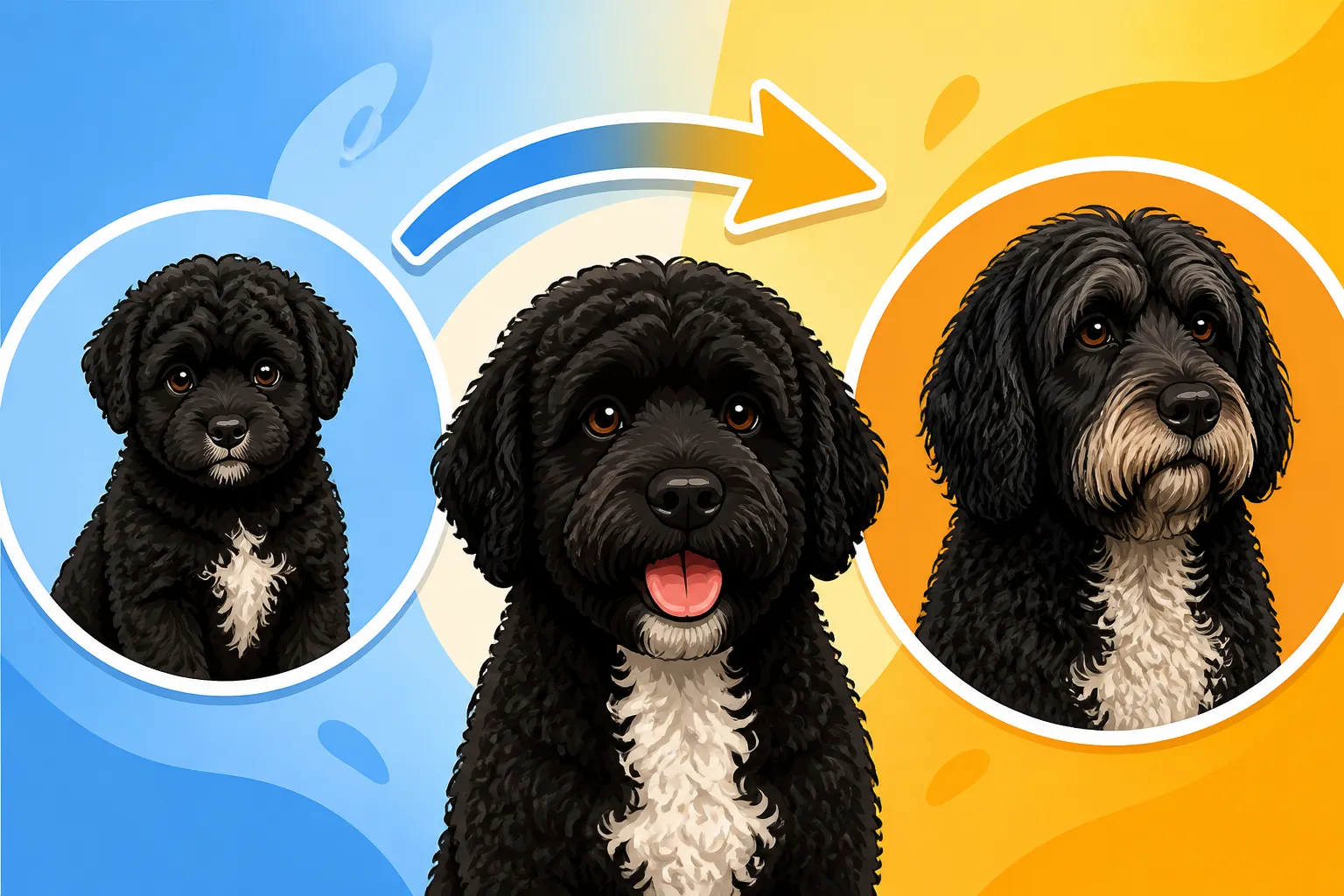
A Portuguese Water Dog puppy’s coat is typically softer, finer, and less dense than what you'll see in an adult. Imagine a cloud of soft, wispy curls or waves that feel incredibly luxurious to the touch. This "puppy fluff" is designed for a young dog, offering protection while they're still small and less active. However, this stage is surprisingly fleeting.
Around 4 to 8 months of age, sometimes even up to a year, your Portuguese Water Dog will begin what breeders often call "blowing coat." This isn't shedding in the traditional sense like a Labrador might, but rather a transitional period where the soft puppy hair starts to give way to the denser, coarser, and more structured adult coat. During this time, the coat can become incredibly prone to matting. Owners often describe it as a "velcro" phase because every piece of debris, every leaf, and every loose hair seems to stick and tangle. It requires diligent, almost daily brushing to prevent painful mats from forming close to the skin. This phase is a crucial time for establishing good grooming habits, as neglecting it can lead to severe matting that might require professional intervention to resolve.
The Adult Coat: Defining Curl and Wave
Once your Portuguese Water Dog has fully transitioned out of their puppy coat, typically by 12 to 18 months, their adult coat will emerge in its full glory. This is when the distinctive texture of the breed truly sets in. Portuguese Water Dogs primarily come in two coat types: curly or wavy.
The curly coat is characterized by tight, cylindrical curls that often look like ringlets or spirals. These curls are dense and can feel a bit springy to the touch. This coat type is usually very uniform across the body. The wavy coat, on the other hand, is softer and looser, with more flowing waves that might have a slight sheen. It often hangs more, especially when longer. Both types are single-coated, meaning they lack an undercoat, and are known for being low-shedding, which is a big part of their appeal, especially for those with allergies. However, "low-shedding" doesn't mean "no-maintenance."
The adult coat is dense and waterproof, a testament to their heritage as working dogs on fishing boats. It's designed to protect them from cold water and harsh elements. While the texture itself solidifies and becomes more robust, the challenge of matting doesn't entirely disappear. Areas like behind the ears, armpits, and groin remain prone to tangles, and consistent brushing, often multiple times a week, is essential. Understanding Which Portuguese Water Dog Coat Mats More can help you prepare for specific grooming needs. The adult coat will maintain this general texture for many years, though subtle changes can still occur due to various factors we'll explore shortly.
Aging Gracefully: What Happens to a Senior Portuguese Water Dog's Coat?
Just as our own hair might thin or change texture as we get older, your Portuguese Water Dog's coat will also undergo transformations in their senior years. These changes are a natural part of the aging process and often signal a shift in their physiological needs.
Softening, Thinning, and the Inevitable Greying
As your Portuguese Water Dog enters its senior years, typically around 7-9 years of age or even earlier for some, you might notice the texture of their coat beginning to soften. The once robust, springy curls or dense waves can become noticeably finer and less coarse. This softening is often accompanied by a thinning of the coat, making it feel less dense to the touch. While they still retain their characteristic curl or wave, the overall volume and resilience might diminish.
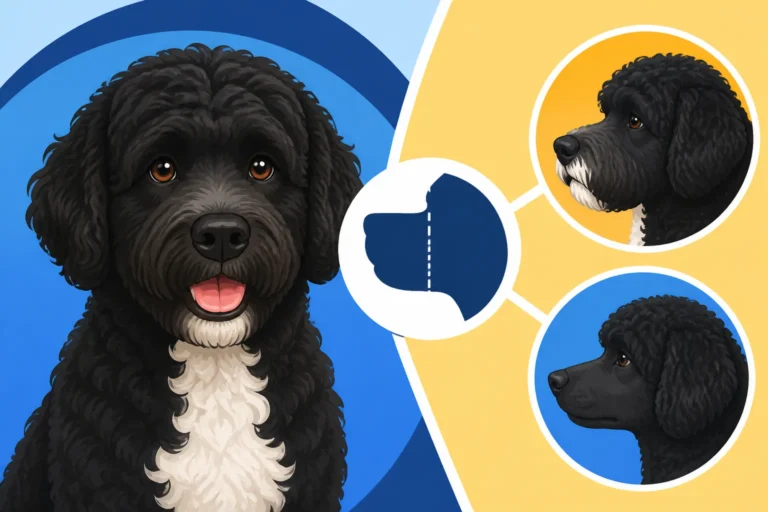
Perhaps the most visible sign of aging in a Portuguese Water Dog's coat is the appearance of grey hairs. Just like people, dogs "go grey," and it usually starts around the muzzle, eyes, and sometimes their paws. Over time, this greying can spread to other parts of their body, blending with their original coat color. A black PWD might develop a "salt and pepper" look, while a brown one might show silvery strands. This is a purely cosmetic change and doesn't affect the health or function of the coat, but it's a touching sign of the years you've shared. What Changes in an Aging Portuguese Water Dog's Coat dives deeper into these visible transformations. These changes are largely due to a decrease in melanin production and a general slowing of cell regeneration that comes with age.
Increased Dryness and Brittleness
Another common age-related change is an increase in dryness and brittleness of the coat. As dogs age, their skin often becomes less supple, and oil production can decrease. This means the natural oils that usually keep the coat moisturized and flexible are produced in smaller quantities, leading to hair that can feel drier, coarser, and more prone to breakage. This increased brittleness can make the coat more susceptible to tangles and mats, even if it's thinning.
Furthermore, dry skin can sometimes lead to irritation, flakiness, or even mild itching, which can impact your dog's comfort. Addressing this dryness becomes an important part of senior care. You might find yourself needing to use more moisturizing shampoos and conditioners, or even incorporating topical treatments. The overall goal is to maintain comfort and prevent skin issues that can arise from a dry, less resilient coat.
Beyond Time: Other Influences on Your Portuguese Water Dog's Coat Texture
While age is a significant factor in coat texture changes, it's certainly not the only one. Many other elements, from what's in their food bowl to their overall health, can subtly—or even dramatically—alter the feel and appearance of your Portuguese Water Dog's coat at any stage of their life.
The Critical Role of Diet and Nutrition
What goes into your dog's body absolutely shows on the outside, and their coat is a direct reflection of their nutritional intake. A high-quality, balanced diet rich in essential nutrients is paramount for maintaining a healthy, vibrant coat. If your Portuguese Water Dog's coat suddenly becomes dull, brittle, or feels different, one of the first things to consider is their diet.
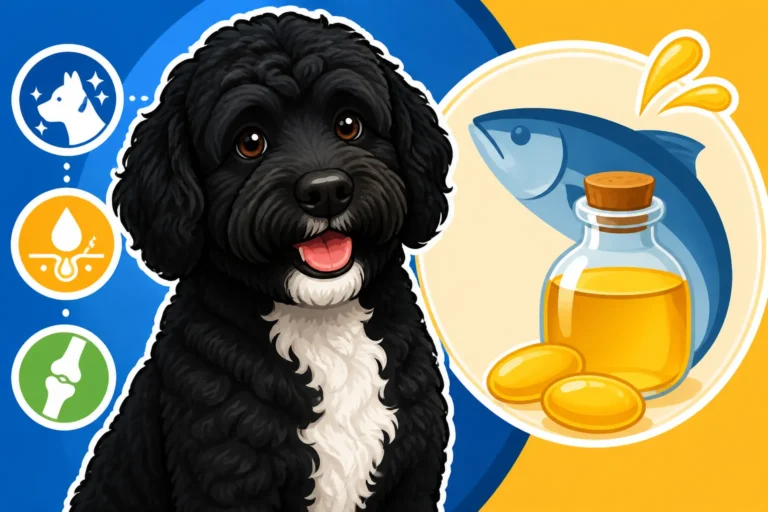
Adequate protein is crucial for hair growth and strength. Healthy fats, particularly omega-3 and omega-6 fatty acids, are vital for skin health and a glossy coat. A deficiency in these essential fatty acids can lead to a dry, flaky skin and a dull, coarse, or brittle coat. Many owners supplement with fish oil to ensure their dogs receive enough omegas. Likewise, certain vitamins and minerals, like zinc and B vitamins, play a role in maintaining coat quality. Switching to a different brand of food, especially one with higher quality ingredients, can often work wonders for coat texture. Even a diet specifically formulated for active dogs, like options available from Ollie or found on Chewy, can provide the necessary fuel for a healthy coat. If you transition your dog to a senior-specific formula as they age, you might notice improvements in skin hydration and coat softness, as these diets are often enriched with skin-supporting nutrients.
Health Conditions, Hormones, and Medications
Underlying health issues can manifest profoundly in a dog's coat. A change in coat texture can often be an early warning sign that something isn't quite right internally. For instance, hypothyroidism, a common condition where the thyroid gland doesn't produce enough hormones, can lead to a dull, dry, and thinning coat, sometimes with excessive shedding or even bald patches. Signs a Portuguese Water Dog's Thyroid Is Low provides valuable insights into this. Similarly, skin allergies can cause chronic itching, leading to a damaged, brittle coat from scratching and licking, or even secondary infections that alter texture.
Hormonal changes, such as those that occur after spaying or neutering, can also impact coat texture. Some dogs may develop a softer, fluffier, or more cottony coat post-spay/neuter, which can be more prone to matting. This is often attributed to changes in hormone levels affecting hair follicle cycles. Whether a Spayed Portuguese Water Dog's Coat Changes discusses this in more detail. Even certain medications, like long-term steroids, can sometimes affect coat quality, making it thinner or less resilient. If you observe a sudden or significant change in your dog's coat that isn't clearly age-related, a vet visit is always a good idea to rule out any medical conditions.
Environmental Stressors and Grooming Habits
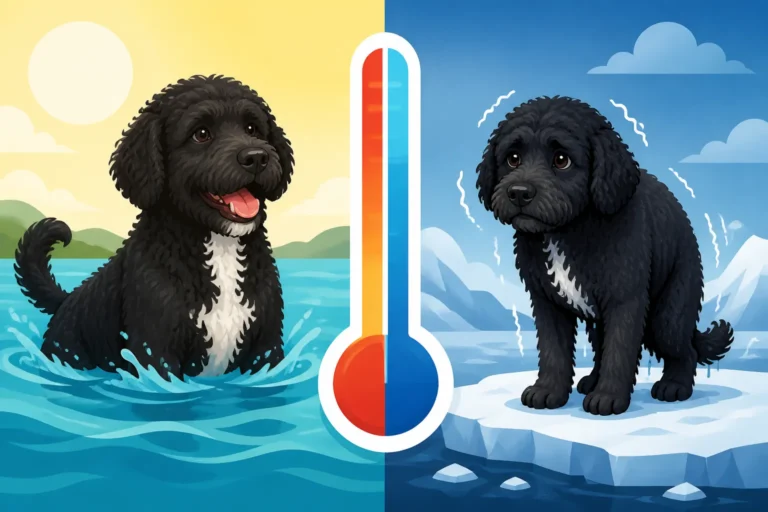
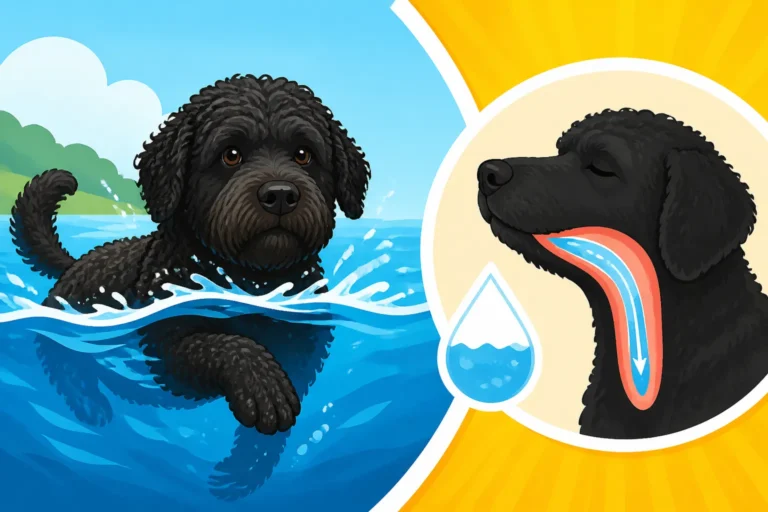
The environment your Portuguese Water Dog lives in and your regular grooming practices also play a huge role in maintaining coat texture. Constant exposure to harsh elements can take a toll. Frequent swimming in chlorinated pools or salty ocean water, while great for their physical exercise, can strip natural oils from the coat, leading to dryness and brittleness if not properly managed. This is why Drying a Portuguese Water Dog After Every Swim is so important. Similarly, prolonged exposure to strong sunlight can lighten and dry out the coat.
Conversely, living in a dry climate can also contribute to a drier coat and skin. Even the products you use for bathing can impact coat texture. Harsh shampoos can strip oils, while good quality, moisturizing shampoos and conditioners can help maintain softness and hydration.
And, of course, grooming. Inconsistent or improper brushing is a primary culprit for coat changes, or at least how the coat feels. If mats are allowed to form, the matted areas will feel incredibly coarse and hard, pulling at the skin. Even after they are removed, the underlying hair might be damaged. Regular, thorough brushing, using appropriate tools that can penetrate the dense coat to the skin, prevents matting and distributes natural oils, keeping the coat smooth and healthy. Many great grooming tools, from slicker brushes to force dryers, can be found readily on Amazon to assist in maintaining your PWD's coat.
Nurturing Your Portuguese Water Dog's Coat Through Every Stage
Recognizing that your Portuguese Water Dog's coat isn't static but rather a living, changing part of them is the first step in providing optimal care. As they age, or as other factors come into play, your grooming and care routines will need to adapt to keep their coat healthy and comfortable.
Tailored Grooming Approaches
The way you groom your Portuguese Water Dog should evolve with their coat. During the "blowing coat" puppy phase, you'll need almost daily, gentle but thorough brushing to prevent mats from cementing into place. This is a critical time for positive reinforcement around grooming. As an adult, the robust coat will still demand regular attention, typically every 2-3 days, to prevent mats in those notorious high-friction areas like the armpits and behind the ears. For active dogs, especially those that swim frequently, you might need to brush more often. The Lion Clip Costs a Portuguese Water Dog Owner Daily Brushing highlights the intense commitment even specific clips require.
When your PWD enters their senior years and their coat starts to soften or thin, you might need to adjust your approach again. Use softer slicker brushes or a wider-toothed comb to avoid irritating their more delicate skin. Grooming sessions might need to be shorter but more frequent to accommodate any discomfort or fatigue your senior dog might experience. If they develop very dry or brittle hair, gentle handling is key to prevent breakage. For serious matting or if you're struggling to keep up, don't hesitate to consult a professional groomer. They can help with specialized tools and techniques, and advise on appropriate clipping styles for senior comfort. How Often a Portuguese Water Dog Needs Clipping depends largely on lifestyle and owner preference.
Supporting Skin and Coat Health with Supplements and Hydration
Beyond external grooming, internal support is vital. High-quality dog food is the foundation, but supplements can provide an extra boost, especially for aging dogs or those with naturally drier coats. Omega-3 fatty acid supplements (like fish oil) are highly recommended for their anti-inflammatory properties and their ability to promote healthy skin and a glossy coat. You'll find a wide variety of these supplements available on platforms like Chewy or Amazon.
Ensuring your Portuguese Water Dog is well-hydrated is also surprisingly important for coat health. Plenty of fresh water helps maintain skin moisture and overall cellular function, which contributes to healthy hair growth. For external moisture, consider using a good quality moisturizing shampoo and conditioner formulated for dogs, especially after swimming or if their coat feels dry. Which Shampoo Suits a Portuguese Water Dog's Coat can make a real difference, preventing stripped oils and promoting softness. Regular rinsing after swims in chlorine or salt water is also crucial to wash away irritants and residue.
Proactive Veterinary Care
Regular veterinary check-ups are not just about preventing serious illness; they are also key to maintaining your Portuguese Water Dog's overall health, including their coat. A veterinarian can identify underlying health conditions, like thyroid imbalances, allergies, or nutritional deficiencies, that might be affecting coat texture. Early diagnosis and treatment of these issues can often reverse or significantly improve coat problems.
As your Portuguese Water Dog ages, these check-ups become even more critical. Your vet can monitor for common senior ailments, recommend appropriate dietary adjustments (such as senior dog food or specific supplements), and address any skin or coat concerns that arise. A veterinarian can provide guidance on managing conditions that impact the coat and ensure your dog is comfortable and healthy from nose to tail, even in their golden years. Caring for a Portuguese Water Dog Past Nine underscores the importance of this ongoing professional support.
| Life Stage | Common Coat Texture & Appearance | Key Grooming & Care Considerations |
|---|---|---|
| Puppy (0-12 mo) | Soft, fine, fluffy; transitions to denser adult coat ("blowing coat"). | Daily gentle brushing during transition; focus on positive grooming experience. |
| Adult (1-7 yrs) | Dense, robust curls or waves; water-resistant. | Consistent 2-3 times/week brushing; monitor for mats in high-friction areas. |
| Senior (7+ yrs) | Softer, thinner, potentially drier/brittle; greying around muzzle/eyes. | Gentler, shorter grooming sessions; use moisturizing products; consider supplements. |
| General | Affected by diet, health, environment, hormones. | High-quality diet; omega-3s; regular vet checks; protect from environmental stressors. |
Ultimately, your Portuguese Water Dog’s coat is a dynamic part of their being, changing and evolving just like they do. While the sight of those first grey hairs or a slightly softer texture might bring a touch of nostalgia, these changes are a testament to the life you've shared. By being observant, adaptable, and consistent with your care, you can ensure your beloved companion's coat remains as healthy, comfortable, and beautiful as possible, no matter their age.
Disclaimer
This article is for general informational purposes only and does not constitute professional advice. Laws, prices and regulations vary by location and change over time. Consult a qualified professional for guidance on your specific situation.