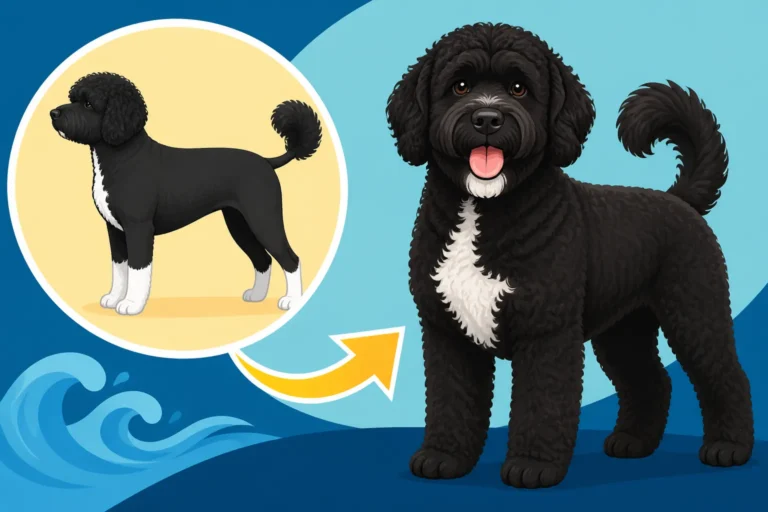
Whether a Working Portuguese Water Dog Needs More Food
Many Portuguese Water Dog owners, especially those with truly active companions, wrestle with a common question: does my working PWD really need more food than their less active cousins? It's a valid concern, often leading to worries about proper nutrition, maintaining a healthy weight, and ensuring our energetic friends have the fuel they need without overdoing it. This comprehensive guide will dive deep into the specific dietary needs of a working Portuguese Water Dog, helping you understand how to accurately assess and meet their unique caloric and nutritional requirements, ensuring they thrive in their demanding roles.
Understanding the Energy Demands of a Working Portuguese Water Dog
When we talk about a "working" Portuguese Water Dog, we're not just referring to a dog that enjoys a daily romp in the park or a leisurely swim. These are highly intelligent, robust dogs bred for sustained physical and mental effort, and their dietary needs reflect that heritage. Getting it wrong can mean a dog that's always hungry, or one that's losing condition despite seemingly ample food.
What "Working" Really Means for a PWD
Let's be clear about what "working" truly entails for a Portuguese Water Dog. It's far more than just a daily walk around the block. We're talking about dedicated, purposeful activity that often involves high-intensity bursts, long periods of endurance, or complex problem-solving that burns both physical and mental energy. Think of the PWD that excels in competitive dock diving, launching itself repeatedly into the water, or the one training for advanced water trials, retrieving multiple objects from varying distances with precision and speed. Maybe your PWD is an agility superstar, weaving through obstacles and soaring over jumps, or perhaps they're a certified service dog, constantly engaged and focused on their handler's needs throughout the day. These aren't casual strolls; these are demanding, athletic endeavors that require peak physical condition and significant energy expenditure.
In contrast, a pet PWD who enjoys regular, moderate-intensity walks, some playful swimming, and active playtime in the yard, while certainly active, isn't typically expending the same sustained, high-level energy as their working counterparts. Their bodies are simply not being pushed to the same limits for hours on end. The difference in energy expenditure between a PWD who might swim for 30 minutes for fun and one who trains for 90 minutes in a water trial simulation is profound. It's like comparing a recreational jogger to a marathon runner; both are active, but their fueling strategies are entirely different. Our Portuguese Water Dogs were historically bred for incredibly demanding tasks on fishing boats, performing duties like herding fish into nets, retrieving lost gear, and carrying messages between boats. What a Portuguese Water Dog Was Bred to Do on a Boat These roles required immense stamina, powerful musculature, and an unflagging drive. Their bodies were built for endurance and strength, and when they are put to work in modern canine sports or service roles, they tap into that deep-seated athletic heritage.
The Metabolism of an Active Breed
Because working Portuguese Water Dogs are canine athletes, their bodies process energy differently than a more sedentary dog. Active dogs, especially those engaged in high-intensity or endurance activities, have a higher basal metabolic rate (BMR). This means they burn more calories just to maintain basic bodily functions even at rest, simply because their muscles are more developed and their systems are running at a higher baseline efficiency. Beyond their BMR, their activity factor is significantly elevated. Every jump, every swim, every retrieve, and every mental command burns through fuel at an accelerated rate.
This isn't just about burning off excess fat; it's about fueling sustained muscle work, preventing muscle fatigue, and supporting efficient recovery after strenuous exercise. Working dogs need a continuous supply of easily accessible energy, which means their diet needs to provide readily available carbohydrates for quick energy, but also healthy fats for sustained energy over longer periods, and ample protein for muscle repair and growth. If a working PWD isn't receiving adequate nutrition, you might notice subtle shifts that can escalate. They might seem more tired than usual after a workout, take longer to bounce back, or even start to lose muscle mass, making them look a bit "rangy" under their thick coat. How a Portuguese Water Dog's Coat Hides Weight Loss An inappropriate diet can lead to poor recovery, a lack of sustained energy, and a decrease in overall performance, even if the dog seems to be eating enough on paper. It's not just about filling their bowl; it's about providing the right quality and quantity of fuel to meet their exceptional demands.
Factors Influencing a PWD's Nutritional Needs
It's tempting to think there's a one-size-fits-all feeding guide for Portuguese Water Dogs, but for working individuals, that couldn't be further from the truth. Their nutritional requirements are a dynamic equation, shifting based on a variety of personal and environmental factors.
Activity Level and Intensity
The cornerstone of a working PWD's diet is its activity level and the intensity of that activity. A long, brisk walk for an hour is considered moderate activity, providing good exercise but not necessarily requiring a massive caloric increase. However, consider a PWD involved in a search and rescue operation, spending hours trekking through varied terrain, using their keen nose and powerful body to cover ground. Or perhaps a competitive PWD training for several hours a day, executing complex obedience routines, multiple dock jumps, or enduring prolonged water retrieves. This is high-intensity work.
The type of activity also plays a critical role. Is your PWD engaged in endurance activities, like swimming for miles alongside a kayak, which primarily burns fat for fuel over extended periods? Or are they performing strength and burst activities, such as repeated, powerful dock jumps or rapid agility courses, which rely more on carbohydrate stores for explosive energy? Each type of effort taps into different energy systems in the body, which, in turn, influences the optimal balance of macronutrients (protein, fat, carbohydrates) they need in their diet. Furthermore, the duration and frequency of these activities are key. A dog that only works hard once a week might need a temporary caloric boost on those days, while a PWD training intensely daily will require a consistently higher intake to prevent depletion and ensure proper recovery. It's a precise balancing act, and understanding these nuances is essential for fine-tuning their diet. How Much a Working Portuguese Water Dog Eats is truly dynamic, not static.
Age, Size, and Individual Metabolism
Beyond activity, your PWD's individual characteristics significantly influence their dietary needs. Puppies and adolescents, for instance, are rapidly growing, which inherently demands a higher caloric intake just for development, let alone for their often boundless energy. A growing PWD puppy engaged in early water work or obedience training will need considerably more fuel than an adult dog of the same size. Conversely, senior Portuguese Water Dogs, typically those past the age of nine, might have different needs. Caring for a Portuguese Water Dog Past Nine Their metabolism might slow down, or they may develop joint issues that limit their activity, necessitating a slight reduction in calories to prevent weight gain, even while requiring higher quality protein for muscle maintenance.
Of course, size matters. A larger male PWD will generally have higher caloric needs than a smaller female, simply due to their greater body mass. However, this isn't a strict rule. Individual metabolic rates vary wildly among dogs, just as they do in humans. Some dogs are naturally "hotter" burners, seemingly able to eat more without gaining weight, while others are more efficient at utilizing calories and can gain weight more easily. It's vital to observe your own dog's unique metabolic quirks. Moreover, any underlying health conditions can drastically alter a dog's nutritional requirements. A PWD recovering from an illness, or managing a chronic condition like Addison's Disease, for which Portuguese Water Dogs have a predisposition, may have altered metabolic demands regardless of their activity level. The Age Addisons Appears in a Portuguese Water Dog In such cases, specialized diets or careful adjustments under veterinary guidance become even more critical.
Environmental Conditions
The environment in which your Portuguese Water Dog lives and works also plays a significant, often overlooked, role in their caloric needs. Imagine your PWD diving into icy water during winter training. In cold weather, their body expends considerable energy just to maintain its core temperature. This thermoregulation process dramatically increases caloric requirements, sometimes by as much as 20-30% or even more, depending on the severity of the cold and the duration of exposure. When a Portuguese Water Dog Needs Extra Calories in Winter A dog working or simply living in a chilly climate needs substantially more fuel to stay warm and maintain condition.
Conversely, hot weather presents a different challenge. While high temperatures can sometimes lead to a decreased appetite in dogs, they still need adequate nutrition to support their activities and recover. The body might not be burning calories to stay warm, but strenuous exercise in the heat requires careful management to prevent overheating and ensure proper hydration. Whether a Portuguese Water Dog Overheats It's a balance of providing enough energy without adding to their heat load. Other environmental factors, such as the stress of travel to competitive events, unfamiliar surroundings, or even changes in daily routine, can also subtly affect a dog's caloric intake and how efficiently they utilize nutrients. A dog experiencing stress might burn through energy faster or, conversely, have a reduced appetite. Paying attention to these external influences helps you make informed adjustments to your working PWD's diet.
Recognizing the Signs Your PWD Needs More (or Less) Food
The biggest challenge for many PWD owners is objectively assessing if their dog is truly getting enough, or perhaps too much, food. It's not about comparing to the dog next door; it's about understanding your own dog's body.
Visual and Tactile Assessment (Body Condition Scoring)
This is hands-down the most crucial tool in your nutritional arsenal. Your PWD's thick, curly or wavy coat can be a master of disguise, hiding both a lean frame and excess padding. How a Portuguese Water Dog's Coat Hides Weight Loss You can't just look; you have to feel. Run your hands along their sides. You should be able to easily feel their ribs, but not see them prominently. There should be a slight layer of fat covering them, similar to feeling the knuckles on your hand when your palm is flat. Next, feel their spine and hip bones. Again, you should feel them, but they shouldn't protrude sharply. Finally, look at your dog from above and from the side. From above, they should have a discernible waist, an hourglass shape tucking in behind the ribs. From the side, their abdomen should tuck up slightly from their chest, not hang low.
Veterinarians often use a Body Condition Score (BCS) chart, typically on a 1-5 or 1-9 scale, to provide a standardized assessment. An ideal score for a working PWD is usually in the leaner range (e.g., 4-5 on a 9-point scale), indicating an athletic build. An underweight dog (BCS 1-3) will have ribs, spine, and hip bones easily visible or very prominent, with no discernible fat cover. An overweight dog (BCS 6-9) will have ribs that are difficult to feel under a thick layer of fat, no waist, and possibly a sagging abdomen. Consistent checks, perhaps weekly or bi-weekly, are essential, especially when their activity level changes. A sudden shift in body condition is a red flag that demands investigation. What an Adult Portuguese Water Dog Should Weigh provides a general target, but individual condition is what really matters.
Energy Levels and Performance Indicators
Beyond their physical appearance, your working Portuguese Water Dog's energy levels and performance are powerful indicators of whether their nutritional needs are being met. A well-fueled working PWD should exhibit sustained energy for their tasks. They should be eager to train, maintain focus, and complete their routines without signs of undue fatigue. If you notice your dog lagging behind during a run, showing decreased enthusiasm for their usual games, or simply running out of steam much earlier than expected, it could be a sign that they're not getting enough fuel.
Think about specific performance metrics. Is your dock diver's jump distance decreasing? Is your agility dog knocking more bars or slowing down on the weaves? Is your water trial dog taking longer to retrieve or struggling with buoyancy? These dips in performance aren't just about training plateaus; they can often be directly linked to inadequate energy stores or insufficient nutrients for muscle recovery. A working dog's body is constantly repairing and rebuilding, and if the nutritional building blocks aren't there, performance will suffer. This is especially critical for dogs in competitive sports, where even a slight reduction in energy or focus can impact their results and their enjoyment of the work. Observing these changes proactively allows you to adjust their diet before more serious issues arise. What a Portuguese Water Dog Needs Every Day includes proper energy balance to function optimally.
Stool Quality and Coat Condition
While body condition and energy levels are primary indicators, secondary signs like stool quality and coat condition can also offer valuable insights into your working PWD's nutritional status. Digestive health is a direct reflection of how well your dog is processing their food. Healthy stool should be firm, moist, and consistent in color and shape. It should be easy to pick up, leaving little residue. If you notice changes such as consistently loose stools, diarrhea, unusually frequent bowel movements, or stools that are very large or poorly formed, it might signal that the food quantity or quality isn't quite right, or that their digestive system is struggling to cope. This could be due to overfeeding, too much fat, or even sensitivity to certain ingredients in their diet. Whether a Portuguese Water Dog Has a Sensitive Stomach is a real consideration.
Similarly, a healthy, lustrous coat is often a hallmark of good nutrition. A working PWD's coat should be springy, dense, and have a natural sheen. If their coat appears dull, dry, brittle, or if you notice excessive shedding beyond normal seasonal changes or puppy coat transition, it could indicate nutritional deficiencies. While coat issues can also be hormonal or allergy-related, inadequate levels of essential fatty acids, protein, or other micronutrients in their diet can certainly contribute. These secondary indicators should always be considered in conjunction with your dog's body condition and energy levels. If your PWD is working hard, they need top-notch nutrition to maintain these outward signs of robust health and recover effectively.
Choosing the Right Food and Feeding Strategy
Once you've assessed your working PWD's needs, the next step is providing the right fuel. This isn't just about throwing extra kibble in the bowl; it's about selecting appropriate food and implementing a thoughtful feeding strategy.
High-Quality, Nutrient-Dense Formulas
For a working Portuguese Water Dog, you absolutely need to prioritize high-quality, nutrient-dense dog food. These aren't your average, run-of-the-mill formulas. Look for foods specifically marketed for "active," "performance," or "working" breeds. These typically boast a higher protein and fat content, which are crucial for meeting the elevated energy demands of an athletic dog. Protein is essential for muscle repair and growth, while healthy fats provide concentrated, sustained energy, especially important for endurance activities. A good rule of thumb is to look for real, identifiable meat (like chicken, beef, or salmon) as the very first ingredient on the label.
Beyond the protein and fat percentages, the digestibility of the ingredients is paramount. Even if a food has the right numbers on paper, if your dog can't efficiently digest and absorb those nutrients, it's not truly providing enough. This is where researching reputable brands comes into play. Many high-quality brands are available at specialty pet stores or online retailers like Chewy, offering a wide range of options, from traditional kibble to fresh-frozen diets. Services like Ollie provide pre-portioned, human-grade fresh food, which can be an excellent option for highly active dogs, offering superior digestibility and nutrient uptake. When scrutinizing ingredient panels, look for a balanced macro profile, but also ensure the food includes essential fatty acids (like omega-3s from fish oil) for joint health and coat condition, as well as a comprehensive vitamin and mineral complex. A working dog needs every nutrient firing on all cylinders.
Tailoring Meal Portions and Frequency
The "cups per day" recommendation on a dog food bag is merely a starting guideline, often calculated for a moderately active pet dog. For a working Portuguese Water Dog, you will almost certainly need to feed more than the stated minimum, and possibly even more than the maximum suggested amount. How Much an Adult Portuguese Water Dog Eats and How Many Cups a Day an Adult Portuguese Water Dog Eats are critical questions that depend heavily on individual circumstances. It's not uncommon for a highly active PWD to need 20-50% more food than their less active counterparts, and sometimes even more during peak training or competitive seasons.
Instead of one large meal, which can be heavy on the digestive system, consider dividing their daily intake into two or even three smaller meals. This strategy helps provide a more sustained release of energy throughout the day, preventing energy dips and supporting consistent performance. Feeding a portion after an intense training session can be particularly beneficial for aiding muscle recovery and replenishing glycogen stores. When making adjustments, resist the urge to dramatically increase or decrease food overnight. Instead, increase their daily portion by small increments—say, an extra quarter or half a cup per meal—and observe your dog's body condition and energy levels over a week or two before making further changes. This gradual approach minimizes digestive upset and allows you to fine-tune their intake accurately.
The Role of Supplements and Treats
For working Portuguese Water Dogs, who put significant strain on their bodies, certain supplements, when recommended by a veterinarian, can play a supportive role in their overall health and performance. Joint support supplements containing ingredients like glucosamine, chondroitin, and MSM are often considered for active dogs to help maintain cartilage health and reduce inflammation, especially as they age or engage in high-impact sports. Omega fatty acids, typically derived from fish oil, are excellent for reducing inflammation, supporting a healthy coat, and contributing to overall cellular health. However, it's absolutely crucial to consult your veterinarian before adding any supplements to your dog's diet, as they can interact with medications or existing health conditions, and proper dosing is key.
Treats, while often seen as just rewards, are also part of your dog's caloric intake and need to be accounted for. For working dogs, high-value training treats are indispensable for motivation and positive reinforcement during complex tasks. These treats are often calorically dense, and if fed liberally without adjusting their main meal, they can quickly contribute to unwanted weight gain. Choose treats wisely, focusing on nutritious options. Many quality training treats can be found on platforms like Amazon or from reputable pet food brands on Chewy. You can also use small pieces of their regular kibble for routine training to manage calorie intake. The goal is to use treats strategically for motivation and reinforcement during work, ensuring they don't displace the essential nutrition provided by their main food. Balance is key: effective treats, but not at the expense of a complete and balanced diet.
Monitoring and Adjusting Your PWD's Diet Over Time
Feeding a working Portuguese Water Dog is an ongoing process, not a one-time decision. Their needs will evolve, and your approach must evolve with them.
Regular Weigh-Ins and Vet Consultations
Consistent monitoring is non-negotiable for a working PWD. Regular weigh-ins are a simple yet powerful tool. Invest in a digital pet scale at home, or make use of the scale at your veterinary clinic during visits (many clinics are happy for you to pop in for a quick weigh-in). Aim to weigh your dog at least monthly, and more frequently—perhaps weekly—during periods of intense training or competition. Tracking these numbers allows you to spot subtle upward or downward trends in weight before they become significant issues. Compare their current weight to their ideal, healthy weight range. What an Adult Portuguese Water Dog Should Weigh gives you a reference point, but your individual dog's optimal weight for their body type and work level is the true goal.
Beyond your own observations, routine veterinary check-ups are essential. Your vet offers an objective, professional assessment of your dog's body condition and overall health. They can identify subtle changes you might miss and conduct blood work if necessary to rule out underlying health issues that could affect metabolism or nutrient absorption. Don't hesitate to consult your vet or a specialized veterinary nutritionist, especially if your PWD is performing at a very high level, experiencing unexplained weight fluctuations, or has specific health concerns that require a tailored dietary approach. They can provide personalized advice and peace of mind.
Adapting to Seasonal or Activity Changes
The diet you establish for your working PWD isn't etched in stone; it needs to be as dynamic as their life. We've already touched on how environmental factors play a role, but it bears repeating: seasonal changes demand dietary adjustments. During colder winter months, especially if your PWD is still actively working outdoors or in water, their body will burn more calories to stay warm. When a Portuguese Water Dog Needs Extra Calories in Winter In these periods, a slight increase in their caloric intake can prevent unwanted weight loss and keep them comfortable. Conversely, summer heat might lead to a natural reduction in extreme activity or a slight dip in appetite, potentially necessitating a minor reduction in food, or simply a strategic change in feeding times to avoid the hottest parts of the day.
Even more critical are changes in your dog's activity level. If your PWD takes a break from competition, enters an off-season for training, or is recovering from an injury or surgery, their caloric needs will drop significantly. Failing to adjust their food during these periods will almost certainly lead to weight gain, which can put unnecessary strain on their joints and overall health. Conversely, ramping up for a major competition or increasing their workload requires a corresponding increase in fuel. The dynamic nature of feeding a working dog means it's never a "set it and forget it" system; it requires constant observation, responsiveness, and a willingness to adapt your strategy based on their current situation.
Avoiding Overfeeding and Underfeeding Pitfalls
Striking the right balance is crucial. Both overfeeding and underfeeding come with significant risks for a working Portuguese Water Dog. Overfeeding, even an active dog, is a surprisingly common pitfall. The mindset of "more is better" can easily lead to a PWD carrying extra weight. Obesity, even slight, puts undue strain on their joints, especially their hips and elbows, which are already areas of concern for the breed. Hip Dysplasia in a Portuguese Water Dog It can also reduce their agility, stamina, and overall performance, and increase their risk for other health issues. Signs a Portuguese Water Dog Is Overweight can be tricky to spot under all that coat. If you find your PWD is gaining weight, you might need to reconsider Getting Weight Off a Portuguese Water Dog with a controlled plan.
On the flip side, underfeeding a working PWD can lead to lethargy, loss of muscle mass, poor coat condition, and a compromised immune system. An underfueled dog simply won't have the energy to perform their "job" effectively, whether that's excelling in sports or providing consistent service. This impacts not only their physical well-being but also their mental engagement and enjoyment of their activities. The ultimate goal is to maintain a lean, athletic build—a body condition that allows them to move freely, perform powerfully, and recover efficiently. It requires attentiveness, consistent monitoring, and a deep understanding of your individual dog's specific needs, allowing them to truly flourish in their working life.
| Aspect | Pet Portuguese Water Dog | Working Portuguese Water Dog |
|---|---|---|
| Activity Level | Moderate walks, backyard play, occasional swims | Daily intense training, competitive sports, service work, long hikes/swims |
| Caloric Needs | Standard guidelines, often on the lower end of range | Higher than standard, potentially 20-50% more depending on intensity |
| Protein & Fat Content | Balanced adult formula | Higher protein (25-35%) and fat (15-25%) for sustained energy & muscle repair |
| Meal Frequency | Typically 2 meals per day | 2-3 meals, sometimes with a small, easily digestible snack post-work |
| Body Condition Goal | Lean, ribs easily felt with slight cover, defined waist | Very lean, athletic, highly conditioned muscle, visible tuck |
| Monitoring | Monthly weight checks, visual assessment | Weekly weight/body condition checks, performance monitoring |
| Supplementation (Vet-advised) | Generally not necessary for healthy pets | Potentially joint support, omega fatty acids for recovery |
Disclaimer
This article is for general informational purposes only and does not constitute professional advice. Laws, prices and regulations vary by location and change over time. Consult a qualified professional for guidance on your specific situation.