Whether a Portuguese Water Dog Overheats
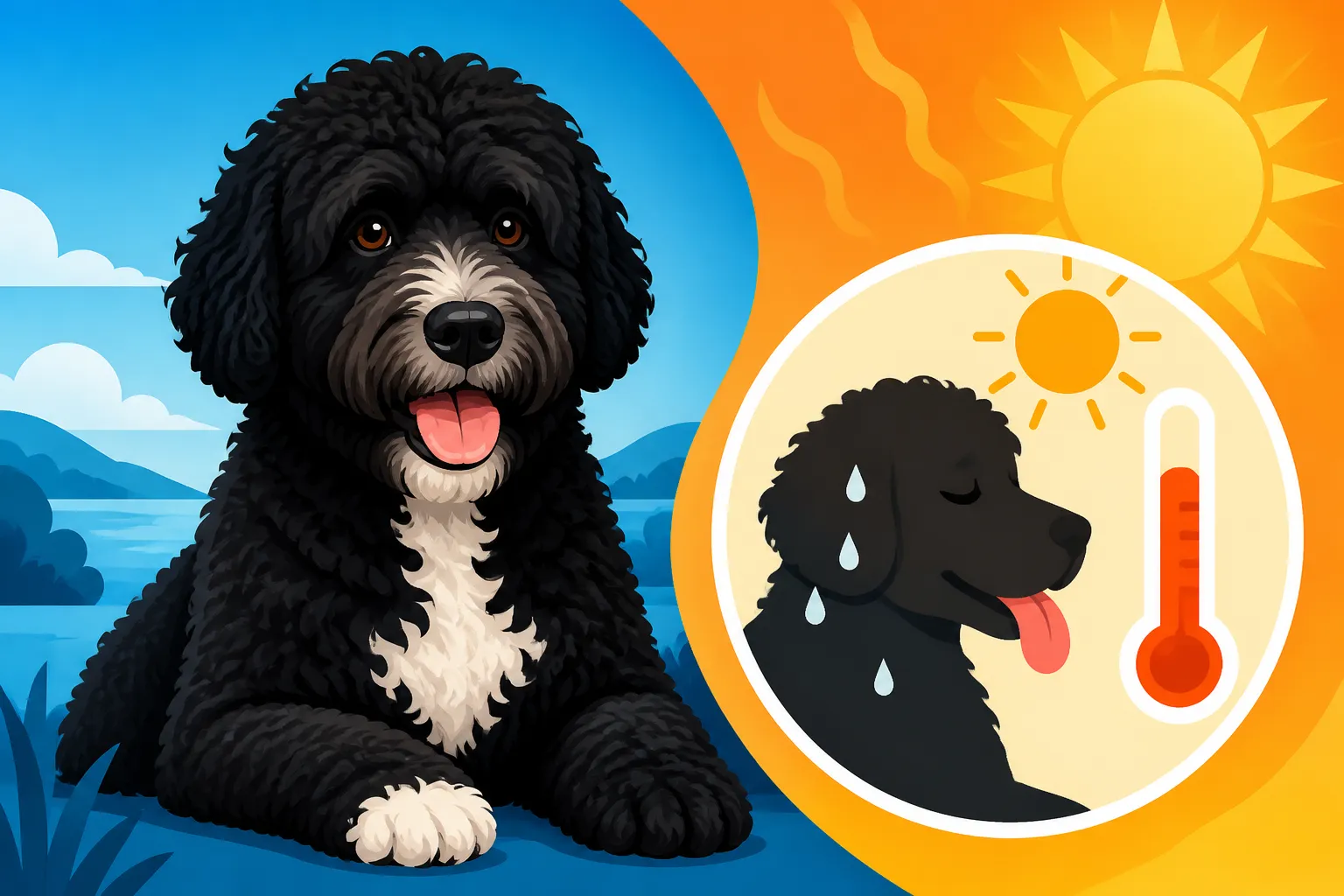
It’s a common misconception that because Portuguese Water Dogs were bred for the water, they’re somehow immune to the heat. But let me tell you, as someone who’s spent countless summers with these energetic, thick-coated companions, overheating is a very real, very dangerous threat. This comprehensive guide is here to bust those myths, help you understand why your PWD is susceptible, and arm you with practical strategies to keep your beloved companion cool and safe, especially when the mercury rises.
Understanding the Portuguese Water Dog's Natural Insulation
Our Portuguese Water Dogs are phenomenal athletes, incredibly strong, and absolutely adore water, but their amazing coat, which is so perfect for cold, salty seas, can quickly become a liability in warmer climates. It’s a double-edged sword, really. While it protects them from the elements in one environment, it can trap heat in another.
The Density of Their Famous Coat
Think about their heritage for a moment. These dogs were bred to work alongside fishermen off the coast of Portugal, often plunging into frigid Atlantic waters to retrieve lost tackle or herd fish. Their single, dense coat—whether curly or wavy—isn't just a fashion statement; it's a highly efficient insulating layer. It's designed to keep water out and body heat in. This is fantastic when the waves are crashing and the wind is biting, but it’s precisely this characteristic that makes them prone to overheating when the weather gets hot and humid. It's not like a double coat that sheds a thick underlayer for summer; the PWD's coat remains dense, acting like a permanent sweater. Even if your dog has The Retriever Clip Is the Coat Most Portuguese Water Dogs Wear, that dense hair still provides a lot of insulation.
How Their History Impacts Heat Tolerance
Historically, these dogs weren't lounging on sunny beaches all day. They were active, yes, but often in or near the water, benefiting from its cooling effects. They weren’t expected to run miles in the midday sun. Their physiology, from their webbed feet to their powerful musculature and insulating coat, is geared towards aquatic work in cooler temperatures. This means that when we bring them into modern environments, especially those with hot summers, we have to actively manage their exposure and understand that their natural instincts and physical attributes don't automatically confer heat resistance. Owners often underestimate How Long a Portuguese Water Dog Can Stay in Cold Water and mistakenly assume this translates to heat tolerance.
Recognizing the Signs of Overheating in Your PWD
Knowing your dog and being vigilant is absolutely key. Overheating can escalate quickly, and what might start as a mild discomfort can turn into a life-threatening emergency in a surprisingly short amount of time. Don't ever assume your PWD is just "tired" on a hot day.
Subtle Early Indicators of Discomfort
The first signs of your PWD getting too hot can be quite subtle. They might start panting more heavily than usual, even when they haven't been exerting themselves vigorously. Their gums might appear a brighter red than normal, and their tongue might hang out further. You might notice them seeking shade more aggressively, refusing to walk or play, or perhaps even becoming a bit withdrawn. Sometimes they’ll stand with their legs spread wide, trying to open up their chest and allow more air circulation. It’s crucial to catch these early cues, because intervention at this stage can prevent a much more serious situation. Remember, How a Portuguese Water Dog Hides Pain can sometimes apply to discomfort too, so you need to be observant.
Critical Symptoms of Heatstroke
If those early signs are missed, or if your dog is exposed to excessive heat for too long, they can quickly progress to full-blown heatstroke. This is an emergency. Symptoms include extremely heavy, uncontrolled panting, staggering or stumbling, excessive drooling, vomiting, diarrhea (which can sometimes be bloody), and gums that turn a very dark red, purple, or even bluish due to lack of oxygen. Their body temperature will be significantly elevated. In severe cases, they might collapse, have seizures, or become unresponsive. If you ever see these critical symptoms, it’s not a moment for hesitation; immediate veterinary care is essential.
Preventative Measures to Keep Your PWD Cool
Prevention is always, always better than a cure when it comes to heat and dogs. With a Portuguese Water Dog, you need to be proactive and intentional about their comfort and safety. It's all about managing their environment and activity.
Adjusting Exercise Routines for Summer Months
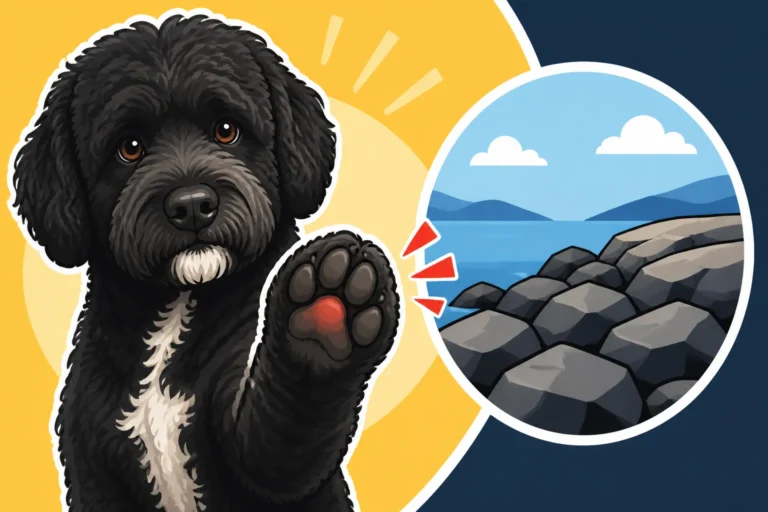
One of the biggest mistakes owners make is keeping the same exercise schedule year-round. That simply won't work for a PWD in summer. Their intense energy means How Much Exercise a Portuguese Water Dog Needs is substantial, but when and how they get it has to change. During hot months, shift your walks and play sessions to the cooler parts of the day – early mornings and late evenings. Avoid the midday sun at all costs. Even a seemingly mild 75-degree Fahrenheit day can be dangerous if the humidity is high and there’s no breeze. Consider shorter, more frequent outings rather than one long one, and always, always have water readily available. Remember, asphalt can be searing hot, burning their paw pads even if the air temperature feels okay to you.
Providing Cooling Resources and Hydration
Access to fresh, cool water is non-negotiable. Always carry water for your PWD on walks, even short ones. In your yard or home, offer multiple water bowls. Beyond just drinking water, think about other ways to cool them down. A kiddie pool filled with a few inches of water can be a godsend; many PWDs adore splashing in one. Cooling vests and bandanas, often available on sites like Amazon or Chewy, can provide temporary relief by wicking away heat from their core. Some owners even invest in elevated dog beds or cooling mats that don't retain heat like traditional beds. If your PWD loves the water, supervised swimming in a lake or pool can be great exercise and a fantastic way to keep them cool. Just remember to thoroughly dry their ears afterward to prevent infections, as mentioned in Drying a Portuguese Water Dog After Every Swim.
Grooming Strategies for Heat Management
While shaving a PWD down to the skin isn't generally recommended (it can expose them to sunburn and interfere with the natural insulating properties of their coat), maintaining a shorter, manageable clip can certainly help with air circulation and drying. The classic The Retriever Clip Is the Coat Most Portuguese Water Dogs Wear is generally practical and less maintenance than the traditional The Lion Clip Costs a Portuguese Water Dog Owner Daily Brushing, offering a good balance for heat management. Regular brushing is also important, as it helps remove any loose hair and prevents matting, which can further trap heat close to the skin. A well-maintained coat, even if it's dense, allows for better airflow.
Emergency Response to Heatstroke in Portuguese Water Dogs
Even with the best preventative measures, sometimes accidents happen, or the heat becomes overwhelming. Knowing what to do in an emergency can literally save your dog's life.
Immediate First Aid Steps
If you suspect your PWD is suffering from heatstroke, you need to act quickly and calmly. The absolute first step is to get them out of the heat source immediately. Move them into a cool, air-conditioned space or at least into the deepest shade you can find. Then, begin to cool them down. Wetting them with cool (not ice-cold) water, especially on their paws, belly, inner thighs, and neck, helps immensely. You can use a hose, damp towels, or even just your hands. Direct a fan onto them if possible. Offer small amounts of water, but don't force them to drink if they're struggling. Continuously monitor their temperature if you have a rectal thermometer, aiming to bring it down to around 103 degrees Fahrenheit. Crucially, do not overcool them. Once they are showing signs of cooling down, stop the active cooling and head straight for the vet.
When to Seek Veterinary Care
Always err on the side of caution. If your PWD shows any significant signs of overheating or heatstroke – intense panting, stumbling, vomiting, collapse – call your veterinarian immediately while you're initiating first aid. Even if they seem to recover quickly at home, heatstroke can cause internal damage to organs like the kidneys, liver, and brain that isn't immediately obvious. Your vet will need to assess them, potentially run blood tests, and monitor them for any complications. Don't delay thinking it will "just pass." A quick call to your vet on your way there can give them a heads-up and allow them to prepare for your arrival, potentially saving precious minutes.
Factors That Increase Overheating Risk for PWDs
It's not just the temperature outside; several other factors can significantly heighten your Portuguese Water Dog's risk of overheating. Being aware of these can help you tailor your care even further.
High Humidity and Lack of Airflow
Temperature alone doesn't tell the whole story. Humidity plays a massive role. Dogs primarily cool themselves by panting, which allows moisture to evaporate from their tongue and respiratory tract, drawing heat away from their body. When the humidity is high, the air is already saturated with moisture, making it much harder for this evaporative cooling process to work effectively. A 75-degree day with 90% humidity can be far more dangerous than an 85-degree day with low humidity. Likewise, a lack of airflow, such as being in a still car or a cramped crate without ventilation, prevents cool air from circulating and heat from dissipating, turning even moderate temperatures into a serious threat. This is why a simple fan can make a big difference indoors or in a well-ventilated kennel.
Intensity and Duration of Activity
Portuguese Water Dogs are, by nature, high-energy dogs. They thrive on activity, whether it's swimming, retrieving, or a long hike. What a Portuguese Water Dog Needs Every Day includes significant exercise. However, intense or prolonged activity, even in seemingly moderate temperatures, generates a tremendous amount of internal body heat. A game of fetch in the park that lasts too long, or an extended swim session when the water isn't as cool as it usually is, can be enough to push a PWD over the edge. It’s a fine balance between fulfilling their need for exercise and ensuring they don’t overexert themselves in warm conditions. Shorten play times, take frequent breaks, and always provide ample opportunities to cool down.
Individual Dog Factors
Just like people, not all Portuguese Water Dogs have the same heat tolerance. Older dogs or puppies, for instance, might be more susceptible to heat stress. An aging PWD, even if Whether an Aging Portuguese Water Dog Still Wants to Swim with enthusiasm, might not regulate their body temperature as efficiently. Dogs with underlying health conditions, such as cardiac issues or respiratory problems, are also at a much higher risk. Even a dog's body condition plays a part; an overweight Portuguese Water Dog will have an extra layer of insulation and struggle more to dissipate heat. This is another good reason to keep your PWD at a healthy weight, as discussed in How a Portuguese Water Dog's Coat Hides Weight Loss and general care guides.
Here's a quick reference table to help you identify and manage heat risk:
| Factor | Low Risk Scenario | Moderate Risk Scenario | High Risk Scenario | Action for Owners |
|---|---|---|---|---|
| Temperature | Below 70°F (21°C) | 70-80°F (21-27°C) | Above 80°F (27°C) | Adjust exercise times to early morning/late evening. Limit strenuous activity. Consider staying indoors during peak heat. |
| Humidity | Low (below 40%) | Moderate (40-60%) | High (above 60%) | High humidity amplifies heat risk. Ensure ample airflow, access to water, and reduce activity even in moderate temperatures. Consider air-conditioned environments. |
| Activity Level | Short, leisurely walks | Moderate play, long walks | Strenuous exercise (running, fetch, swimming) | Reduce intensity and duration of exercise. Provide frequent shade and water breaks. Consider water-based activities that offer cooling (e.g., a splash in a kiddie pool). |
| Coat Length/Condition | Short clip, well-groomed | Medium clip, slight matting | Long, matted, or thick natural coat | Maintain a shorter, practical clip (like the Retriever Clip). Regular brushing to prevent mats. Avoid shaving down to skin which can cause sunburn. |
| Hydration | Constant access to fresh, cool water | Water offered during activity | Limited or no access to water | Always provide abundant fresh, cool water. Carry water on all outings. Encourage drinking before and after activity. Consider adding water to food if using a brand like Ollie or Chewy, or frozen treats. |
| Health & Age | Young adult, healthy | Puppy, senior, minor health concern | Chronic illness, overweight, very young/old | Consult your vet for advice. Increase vigilance. Provide a very controlled environment. Consider a cooling vest from Amazon for walks. |
| Environment | Shady, breezy, air-conditioned | Partial sun, still air | Direct sun, no breeze, enclosed space (car) | Never leave a dog in a parked car. Provide constant access to shade outdoors. Use fans indoors. |
By understanding these risks and taking proactive steps, you can ensure your Portuguese Water Dog enjoys a safe and happy life, even when summer rolls around. Their well-being truly depends on your informed care.
Disclaimer
This article is for general informational purposes only and does not constitute professional advice. Laws, prices and regulations vary by location and change over time. Consult a qualified professional for guidance on your specific situation.