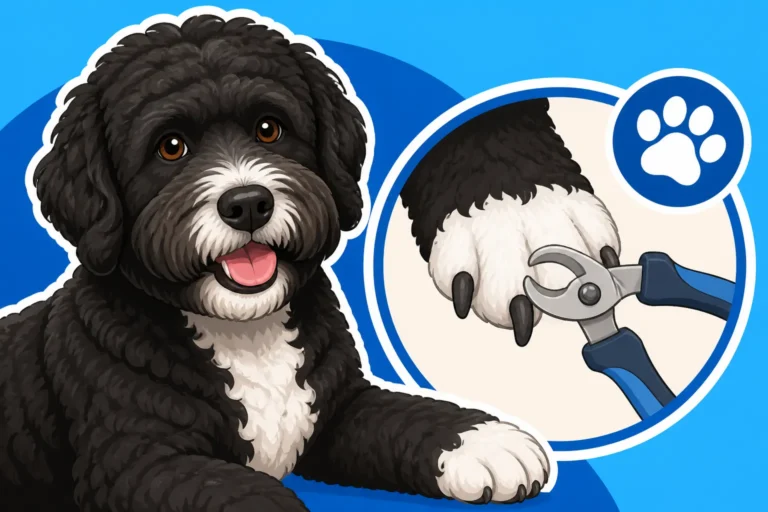
Whether a Portuguese Water Dog’s Topknot Is Left Long
The question of whether to keep a Portuguese Water Dog's topknot long is something many owners grapple with, often feeling torn between the breed's classic look and the practicalities of daily life. You've probably seen those stunning show dogs with their elaborate, flowing topknots and wondered how on earth anyone manages that, especially with a dog famous for loving water and getting into everything! This guide will dive deep into the world of the Portuguese Water Dog topknot, exploring its purpose, maintenance, and the choices owners make to balance aesthetics with their dog's well-being.
The Traditional Portuguese Water Dog Look and the Topknot
When you picture a Portuguese Water Dog, especially one in a show ring or an old painting, there’s a good chance you’re seeing that distinctive head of hair, often carefully sculpted. This isn't just a random styling choice; it's steeped in history and breed tradition, though its practical application has certainly evolved over time.
The Historical Purpose of Grooming and the Topknot
Historically, the grooming of Portuguese Water Dogs, particularly the famed "Lion Clip," was all about function on the fishing boats of Portugal. Fishermen weren't worried about beauty pageants; they needed dogs that could work tirelessly in the cold Atlantic. The hair on the hindquarters and mid-section was clipped short to reduce drag in the water and allow for efficient movement, while the longer coat on the chest, head, and base of the tail provided insulation for vital organs and joints.
The topknot, or the longer hair on the head, served a dual purpose. Firstly, it offered protection. Imagine a dog diving into icy waters or retrieving nets in rough conditions—that longer hair provided a bit of warmth and defense against the elements. Secondly, it helped prevent water from getting directly into their ears, which, as many Portuguese Water Dog owners know, are quite prone to infection if not kept dry and clean. While today's dogs aren't typically working on fishing trawlers, this historical context explains why a full, healthy topknot is still valued in the breed.
Topknot Styles: Show Ring vs. Pet
The visual impact of a Portuguese Water Dog's topknot varies significantly depending on whether the dog is destined for the show ring or enjoying life as a beloved family pet. In the competitive world of dog shows, the topknot is a meticulously styled feature. It’s often left quite long, artfully shaped to complement the dog's head and expression, and requires considerable effort to maintain its pristine condition. Judges look for a full, well-presented topknot that adheres to the breed standard, demonstrating proper coat texture and conscientious grooming.
For pet owners, the approach is often far more practical. While many still appreciate the distinctive look of a longer topknot, the reality of a Portuguese Water Dog's active lifestyle—swimming, rolling in mud, playing vigorously—means that an overly long, high-maintenance topknot can quickly become a tangled, dirty mess. Many pet owners opt for a slightly shorter, more manageable length that still gives the dog that classic "Portie" look without demanding daily, intensive grooming. This allows the dog to enjoy its natural instincts, whether it's splashing in a lake or digging in the garden, without the owner constantly worrying about maintaining a show-ring aesthetic. The balance here is key; you want your dog to look great, but more importantly, to be comfortable and able to live its best life. The Retriever Clip Is the Coat Most Portuguese Water Dogs Wear is a common choice for pet owners for this very reason.
Understanding the Breed Standard's Influence
The official breed standard for the Portuguese Water Dog, as recognized by kennel clubs around the world, does indeed specify the importance of the head coat and overall grooming. While it doesn't dictate an exact measurement for the topknot, it emphasizes a "profuse" coat on the head, usually meaning longer than the face and neck. The standard ensures that breeders and judges maintain the distinct appearance and characteristics of the breed. This emphasis is primarily for dogs entering conformation shows, where adherence to the standard is paramount.
For pet owners, understanding the standard provides a guideline for what the breed is supposed to look like, but it's not a strict rulebook for your household companion. The standard values the breed's natural wavy or curly coat and its function, which influences how the topknot is historically presented. For instance, a beautifully shaped, natural-looking topknot showcases the coat's texture. If you're consulting with a professional groomer or trying to achieve a specific look, they might reference these standards to guide their work. However, don't feel pressured to maintain a show-ready topknot if it doesn't suit your dog's lifestyle or your grooming capacity. It's more about appreciation of the breed's heritage than strict adherence for every dog.
Practical Considerations for Managing a Long Topknot
Managing a Portuguese Water Dog's topknot, especially if it's kept long, is an ongoing commitment that goes beyond just aesthetics. It impacts everything from daily care routines to your dog's comfort and health. It's a trade-off between the iconic look and the realities of a very active, water-loving breed.
Grooming Challenges and Maintenance
A long topknot is beautiful, but it's a magnet for everything. Think about it: food, debris from outdoor adventures, water from every drink, and even just general moisture can all contribute to tangles and mats. The dense, single coat of a Portuguese Water Dog is prone to matting, and the longer hair on the head is no exception. Daily brushing becomes almost mandatory if you want to keep it pristine, especially if your dog has a Curly or Wavy: the Two Portuguese Water Dog Coats that tends to knot easily.
Neglecting a long topknot, even for a few days, can lead to severe matting that pulls on the skin, causes discomfort, and can even hide skin infections. Mats can form quickly behind the ears, under the chin, and at the base of the skull where collars or harnesses might rub. Detangling these can be a painful experience for your dog and a frustrating one for you. You'll need a good quality slicker brush and a metal comb to work through the hair, ensuring you reach all the way down to the skin. Many owners find that a regular schedule of professional grooming, perhaps every 4-6 weeks, helps keep the coat, including the topknot, in check. If you're doing it yourself, be prepared to spend a significant amount of time. How Long Brushing a Portuguese Water Dog Takes can be quite extensive when you factor in the whole coat, but the topknot specifically demands extra care.
Comfort and Health Implications
Beyond the aesthetic, a long topknot has real implications for your dog's comfort and health. For starters, hair constantly falling into their eyes can be irritating, leading to excessive blinking, tearing, and even potential eye infections if not managed. Just like humans, dogs can get annoyed by hair obstructing their vision. Some owners use small, soft hair bands or clips to keep the topknot out of their dog's eyes, but this requires an incredibly tolerant dog and constant vigilance to prevent breakage or ingestion.
Furthermore, a very long, wet topknot can contribute to ear issues. Portuguese Water Dogs are already susceptible to ear infections due to their floppy ears and their love for swimming, which traps moisture in the ear canal. A heavy, damp topknot can prevent air circulation around the ears, creating a warm, moist environment perfect for bacteria and yeast to thrive. Regular ear cleaning and ensuring the ears, and the hair around them, are thoroughly dried after every swim or bath are critical. Why a Portuguese Water Dog's Ears Need Checking Every Week is not just a recommendation, it's a necessity for this breed, and a long topknot can exacerbate potential problems if not carefully managed.
Tools and Products for Topknot Care
If you commit to maintaining a longer topknot, you'll need the right arsenal of tools and products to do it properly. Investing in quality grooming supplies is not just a luxury; it's a necessity to prevent painful matting and keep your Portuguese Water Dog comfortable.
Here's a table of essential tools for topknot care:
| Tool Category | Specific Items | Purpose |
|---|---|---|
| Brushing | Slicker Brush (firm pins) | Detangling and removing loose undercoat, especially at the base of the topknot. |
| Metal Greyhound Comb (fine/coarse teeth) | Finishing, checking for tangles, and shaping the topknot. | |
| Clipping/Trimming | Small Grooming Shears (blunt tip) | Trimming stray hairs, neatening edges, carefully removing hair around eyes. |
| Small Electric Trimmer (e.g., Wahl, Andis) | For quick touch-ups or trimming around the eyes if preferred, especially if dog cooperates. | |
| Drying | High-Velocity Force Dryer | Essential for thoroughly drying the topknot and surrounding hair after baths/swims. |
| Hair Management | Latex Grooming Bands, Soft Hair Clips | To keep long topknots out of eyes, especially during activities. |
| Coat Care Products | Detangling Spray or Leave-in Conditioner | To aid in brushing, prevent mats, and maintain coat health. |
| Dog-specific Shampoo & Conditioner | For regular bathing to keep the coat clean and healthy. |
You can often find these grooming essentials from retailers like Chewy or Amazon, offering a wide range of brands and prices to fit your needs. For very precise trimming, especially around the eyes and ears, professional shears or trimmers are invaluable. A good quality detangling spray can make brushing much easier, reducing snags and preventing breakage of the delicate topknot hair. After bathing or swimming, using a force dryer is paramount. Simply air-drying a thick topknot can lead to matting and skin issues underneath. What a Force Dryer Does for a Portuguese Water Dog is truly a game-changer for overall coat health, including the topknot.
When and Why Owners Choose to Keep or Trim the Topknot
The decision to keep a Portuguese Water Dog's topknot long or trim it shorter is a deeply personal one, influenced by a variety of factors unique to each owner and dog. There’s no single right answer, and what works beautifully for one family might be utterly impractical for another.
Owner Preferences and Lifestyle
Ultimately, your lifestyle plays a huge role in this grooming choice. If you're someone who loves the traditional aesthetic and has the time and dedication for daily grooming, then a longer, well-maintained topknot might be your preference. You might enjoy the ritual of brushing and styling, and the proud look it gives your dog. Owners who participate in dog shows will almost certainly keep their dog’s topknot long and meticulously shaped to meet breed standards.
However, if your life is fast-paced, involves a lot of outdoor adventures with your dog, or you simply prefer a lower-maintenance routine, a shorter topknot is often the more sensible choice. For example, if your Portuguese Water Dog is a regular at the dog park, swimming in lakes, or frequently gets muddy, a shorter topknot will be much easier to clean and keep tangle-free. It's about finding a balance between what you like aesthetically and what you can realistically commit to in terms of care. Many owners opt for a compromise—a topknot that's long enough to be recognizable but short enough not to become a burden. This is often part of a regular How Often a Portuguese Water Dog Needs Clipping schedule, where the entire coat is managed for practicality.
Balancing Aesthetics with Functionality
The core of the topknot dilemma for many Portuguese Water Dog owners is the balance between how the dog looks and how it functions. A long, flowing topknot is undeniably striking. It highlights the breed's unique head shape and expressive eyes. But this aesthetic appeal needs to be weighed against the dog's comfort and ability to live as an active, happy Portie.
Consider a Portuguese Water Dog, a breed truly in its element when retrieving toys from the water or plunging into waves. A very long topknot can get saturated, heavy, and tangled after a swim, potentially dragging into their eyes. It can also hold water, leading to longer drying times and increasing the risk of skin and ear issues if not dried completely with a force dryer. Whether a Portuguese Water Dog's Ear Canal Stays Wet is a real concern, and extra hair around the ears can make this worse.
A shorter topknot, while perhaps less dramatic, offers significant functional advantages. It dries faster, collects less debris, and is much less prone to matting. This means more time playing and less time grooming, which is a win-win for both dog and owner. It still allows for that characteristic "Portie head" look without becoming a constant battle. This functional approach often means trimming the hair around the eyes and ears to ensure comfort and cleanliness, even if the rest of the topknot is kept a little longer.
Impact on Daily Life and Activities
The choice you make about your Portuguese Water Dog's topknot will have a noticeable impact on your daily routine and your dog's participation in various activities. With a long topknot, expect to incorporate specific grooming steps into your daily schedule. This means not just quick passes with a brush but thorough combing sessions to prevent mats, especially after outdoor adventures. You'll also need to be mindful of keeping it clean from food and water, which often means having a towel handy during meal times and after every drink.
If your dog is involved in water sports like dock diving or water trials, a very long topknot can be a hindrance. It can get in their eyes as they dive, weigh them down slightly, and become a matted mess the moment they exit the water. Many competitive owners who prioritize performance and the dog's comfort in these activities opt for a shorter, more functional cut around the head. This allows the dog to see clearly, move freely, and reduces post-activity grooming time. Conversely, a shorter topknot allows for much more freedom. You can let your Portuguese Water Dog run, swim, and play to its heart's content with less worry about constant upkeep. The choice boils down to how much grooming you're willing to do versus how much freedom and ease you want for your dog in its daily life.
Disclaimer
This article is for general informational purposes only and does not constitute professional advice. Laws, prices and regulations vary by location and change over time. Consult a qualified professional for guidance on your specific situation.