Whether a Portuguese Water Dog Handles Cold Water
For anyone who’s ever watched their Portuguese Water Dog enthusiastically plunge into what looks like a shockingly cold body of water, you’ve probably felt that familiar mix of awe and a little bit of anxiety. These incredible dogs were bred for working in the often-chilly waters off the coast of Portugal, so they definitely have an edge when it comes to cold tolerance. However, just because they can doesn't mean they're immune to the risks, and knowing when it's safe and how to prepare is crucial for their well-being. This guide will dive deep into understanding your PWD's natural capabilities, the warning signs of cold stress, and how to ensure their aquatic adventures are always safe and enjoyable.
Understanding the Portuguese Water Dog's Natural Adaptations to Water
The Portuguese Water Dog isn't just "good" at swimming; they were practically designed for it, from their webbed paws to their unique, non-shedding coat. Their entire physical makeup and historical purpose speak to a profound connection with aquatic environments, including those that might send a shiver down most humans' spines. It’s a testament to centuries of selective breeding that these dogs possess such remarkable features.
The PWD's Unique Coat for Thermal Regulation
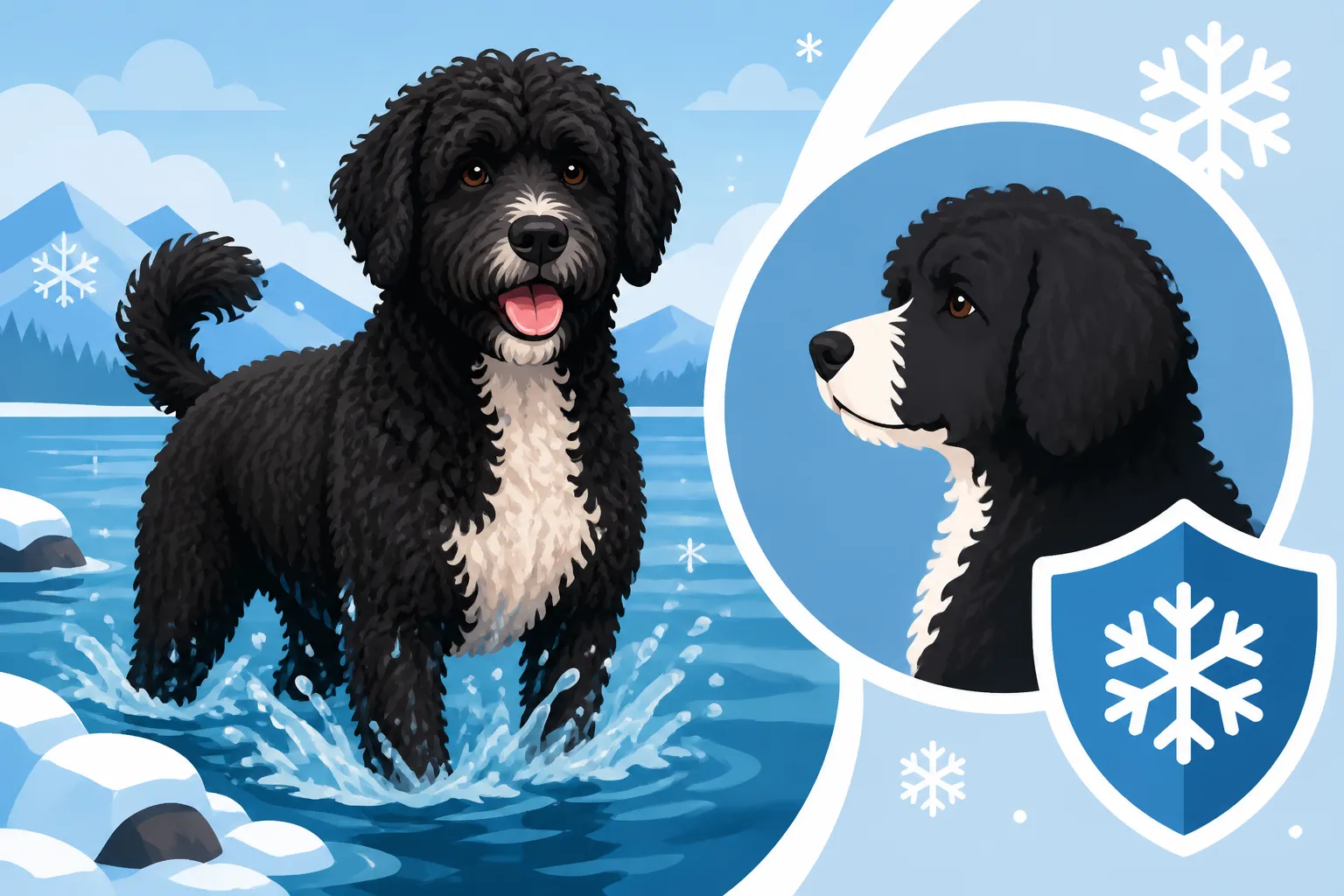
One of the most defining characteristics of the Portuguese Water Dog is its single coat, which comes in two varieties: curly or wavy. Unlike many breeds that have a double coat with a soft underlayer for insulation and a coarser outer layer for protection, the PWD's coat itself is dense and water-resistant. This robust texture isn't just for looks; it provides incredible insulation. When wet, the coat forms a natural barrier, trapping a layer of warm water against the dog's skin, much like a diver's wetsuit. This mechanism is vital for maintaining their core body temperature, especially when they're submerged in cooler temperatures.
This dense coat, while amazing for water work, also means specific grooming requirements. It's why consistent brushing and proper clipping are so important – a matted coat loses its insulating properties and can become heavy and uncomfortable. Think about What a Portuguese Water Dog's Coat Is Made Of and how that impacts its performance in different conditions. Without diligent care, even this fantastic natural defense can become a liability, making the dog more susceptible to cold.
Webbed Feet and Tail: Built for Aquatic Environments
Beyond their distinctive coat, the Portuguese Water Dog possesses several other physical traits that are perfectly suited for life in and around water. Their webbed feet, for instance, aren't just a cute quirk; they act like natural flippers, providing increased propulsion and efficiency in the water. This allows them to swim with powerful strokes, conserving energy even in strong currents or cold conditions. These feet are a huge part of their heritage, enabling them to retrieve fishing nets and lost tackle, and even drive fish into nets for their human companions.
Furthermore, their strong, rudder-like tail is another key adaptation. Carried proudly and used as a powerful steering mechanism, it helps them navigate through choppy waters and make swift turns with remarkable agility. This combination of webbed feet and a muscular tail means they are not just floating in the water; they are actively working with it, making them incredibly capable swimmers. These features, coupled with a robust, muscular build, contribute significantly to their ability to endure colder temperatures for longer periods than many other breeds.
Historical Context: Working in Icy Waters
To truly appreciate the Portuguese Water Dog's cold water tolerance, we need to look back at their origins. These dogs were integral members of fishing crews along the coasts of Portugal and Spain, working extensively in the Atlantic Ocean. This wasn't exactly a tropical paradise; the waters could be bracingly cold, especially during winter months. Their job wasn't just a quick dip; they would spend hours, sometimes entire days, in and out of the water, retrieving gear, acting as canine messengers between boats, and even herding fish.
Their survival and effectiveness in these demanding conditions were a matter of economic importance to the fishermen. Only the most robust, resilient, and cold-tolerant dogs would thrive and be bred, naturally selecting for the traits we see today. This historical role means that the instinct and physical capability to handle cold water are deeply ingrained in their DNA. It's not just a preference; it's a legacy. Understanding What a Portuguese Water Dog Was Bred to Do on a Boat truly highlights their enduring resilience.
Factors Influencing a PWD's Tolerance to Cold Water
While Portuguese Water Dogs are undoubtedly built for the water, their individual tolerance to cold can vary. It’s never a one-size-fits-all situation, and several factors play a crucial role in how well your PWD will handle chilly dips. Ignoring these individual nuances can put your beloved companion at risk, so it’s essential to be a vigilant and informed owner.
Age and Health Considerations
A young, robust Portuguese Water Dog in its prime typically has the highest tolerance for cold water. Their metabolism is usually strong, their muscle mass is good, and their immune system is working at its peak. However, puppies and senior dogs require much more caution. A Portuguese Water Dog puppy should grow slowly and not be overexerted, especially in cold conditions. Puppies have less developed thermoregulation systems and can lose body heat much more quickly. Their smaller body mass also makes them more susceptible to rapid temperature drops.
Similarly, an aging Portuguese Water Dog, even one who has loved swimming their whole life, will have a reduced capacity to handle cold. Their circulation might not be as efficient, they may have underlying health conditions like arthritis that are exacerbated by cold, or simply less energy to generate body heat. Caring for an Aging Portuguese Water Dog means adjusting their activities, and that absolutely includes how long and in what temperature water they swim. Any PWD with pre-existing health issues, such as heart conditions or certain autoimmune diseases, should also have their vet consulted before engaging in cold water activities, as the stress on their system could be too great.
Acclimation and Experience Level
Just like humans, dogs can acclimate to cold over time. A Portuguese Water Dog that regularly swims throughout the year, even as temperatures drop, will generally have a better tolerance than one who only swims in the summer and then suddenly plunges into icy water in autumn. Gradual exposure allows their body to adjust, improving circulation and metabolic responses to the cold. Think of it like training; you wouldn't run a marathon without building up to it.
The dog's experience level also plays a part. A seasoned water dog knows how to move efficiently and conserve energy in the water. A novice, on the other hand, might expend more energy floundering or being anxious, which can lead to faster heat loss and fatigue. It's crucial to always supervise new swimmers closely, regardless of the water temperature. If you're introducing your PWD to swimming, start in warmer, calmer waters and build up their confidence and stamina before tackling colder environments.
Water Temperature vs. Air Temperature
It's easy to look at a sunny winter day and think the water must be fine, but air temperature can be deceiving. Water conducts heat away from the body much faster than air, meaning that even on a relatively mild day, cold water can be incredibly dangerous. A good rule of thumb for cold water safety is to use the "100-degree rule" for dogs: if the air temperature plus the water temperature doesn't add up to at least 100 degrees Fahrenheit, exercise extreme caution. For example, if the air is 50 degrees, and the water is 40 degrees, you're at 90 degrees, which signals a risky situation.
A Portuguese Water Dog's coat will help, but it's not foolproof. The combination of cold air and cold water is particularly taxing because the dog is dealing with heat loss both in and out of the water. This also impacts drying time; a dog emerging from cold water into cold air will struggle more to warm up. Consider carrying What a Portuguese Water Dog's Towels and Drying Kit Cost essentials to help them warm up quickly after a swim. This is especially true if there's any wind, which can dramatically increase the chilling effect.
Recognizing Signs of Cold Stress in Your Portuguese Water Dog
Even with all their natural abilities and careful planning, cold water can still pose a risk to your Portuguese Water Dog. It's vital as an owner to be keenly aware of the subtle, and not-so-subtle, signs that your dog is getting too cold. Being able to spot these early indicators can be the difference between a minor chill and a dangerous medical emergency. Your PWD might be tough, but they can't always tell you directly when they're in trouble.
Behavioral Changes and Body Language
One of the first things you'll notice if your PWD is starting to get too cold are changes in their behavior. They might seem less enthusiastic about swimming, or even try to get out of the water more frequently than usual. Once out, look for shivering, which is often an early sign. They might also become withdrawn, less responsive to commands, or appear generally sluggish. Their movements might become stiff or uncoordinated, and they could seem confused or disoriented.
Another key indicator is a hunched posture, trying to curl up to conserve heat, or a reluctance to move. If your normally playful and energetic PWD is suddenly subdued after a swim, it’s a red flag. Pay attention to how long they stay in the water too; if their typical vigorous twenty-minute retrieve session is cut short by them heading for the shore after five, take note. How a Portuguese Water Dog Hides Pain can make it hard to tell what's going on, but cold is one of those things where the signs are often external.
Physical Symptoms of Hypothermia
If the behavioral signs are missed or ignored, your dog can progress to more serious physical symptoms of hypothermia, which is a dangerously low body temperature. The shivering may become uncontrollable, or paradoxically, stop altogether as their body becomes too cold to shiver effectively. Their gums and tongue might appear pale, bluish, or grayish due to reduced blood flow. Their skin, especially around the ears and paws, will feel very cold to the touch.
Their breathing might become shallow and slow, and their heart rate can decrease. In severe cases, they may become unresponsive, collapse, or even lose consciousness. This is a critical emergency. If you observe any of these severe physical symptoms, you need to act immediately to warm your dog and seek veterinary attention. Every minute counts when dealing with hypothermia.
The Dangers of Prolonged Exposure
Prolonged exposure to cold water, even if it doesn't immediately lead to severe hypothermia, carries other risks. Constant cold can weaken their immune system, making them more susceptible to illnesses. Their muscles and joints can become stiff and painful, especially for older dogs or those with underlying conditions like Hip Dysplasia in a Portuguese Water Dog. The risk of Whether a Portuguese Water Dog Gets Ear Infections also increases significantly if their ears remain damp and cold after repeated swims, especially given their droopy ear structure which traps moisture.
| Water Temperature (Fahrenheit) | Risk Level for PWDs | Recommended Swim Duration | Essential Precautions |
|---|---|---|---|
| Below 35°F | Extreme Danger | None | Absolutely avoid. Ice risk is high. |
| 35-45°F | High Risk | 5-10 minutes (max) | Life jacket, diligent drying, immediate warming post-swim. |
| 45-55°F | Moderate Risk | 10-20 minutes | Life jacket, close monitoring, warm-up space. |
| 55-65°F | Low to Moderate | 20-30 minutes | Monitor closely, ensure quick drying. |
| 65°F and above | Low Risk | Varies (monitor fatigue) | Hydration, monitor for overheating (not cold). |
This table provides a general guideline. Always consider your individual dog's health, age, and acclimation when determining safe swim times. Remember, water temperature can be much colder than the air temperature suggests.
Best Practices for Safe Cold Water Swimming
Ensuring your Portuguese Water Dog can enjoy their innate love for water, even when it's chilly, requires a thoughtful and proactive approach. You can't just open the door and let them charge into a frosty lake without some preparation and supervision. Thinking ahead and having the right gear can make all the difference in keeping their aquatic adventures safe and fun.
Gradual Introduction and Short Sessions
One of the best ways to prepare your PWD for cooler water is to introduce them gradually. Don't go from no swimming in winter to an hour-long session. If you have a PWD who loves to swim year-round, allow them to continue their routine, but shorten the sessions as the temperatures drop. A quick retrieve of a favorite floating toy for 5-10 minutes in moderately cold water is far safer than a prolonged swim. Observe their energy levels and body language closely. If they seem to be losing enthusiasm or shivering, it's time to get them out.
For dogs not accustomed to cold water, start with very brief dips on a mild day, increasing the duration by only a minute or two each time over several weeks. This gradual exposure helps their body adapt and builds their stamina. Always make sure the exit point is easily accessible and clear of ice or debris, so they can get out quickly when they're ready. Consider that How Often a Portuguese Water Dog Should Swim will naturally decrease in colder weather.
Essential Gear for Cold Water Activities
Even though your PWD has a fantastic insulating coat, certain gear can enhance their safety and comfort in cold water. A well-fitting dog life jacket is highly recommended, especially in colder, deeper, or fast-moving water. It not only provides buoyancy, reducing the energy they expend on staying afloat, but many also offer an extra layer of thermal insulation. Look for models with a sturdy handle on the back, which is incredibly useful for lifting them out of the water quickly if needed. You can find a good selection of durable life jackets on platforms like Amazon.
Other helpful items include highly visible toys (bright orange or yellow) that are easy to spot in darker winter waters. After the swim, quick-drying towels are essential. Microfiber towels absorb a lot of moisture and dry faster than traditional cotton. Some owners even use specialized dog robes or coats immediately after a swim to help trap warmth during the walk back to the car.
Post-Swim Care: Drying and Warming Your PWD
The moments immediately following a cold water swim are just as important as the swim itself. Your priority should be to get your Portuguese Water Dog thoroughly dry and warm as quickly as possible. Start by vigorously towel-drying their coat, paying extra attention to their chest, abdomen, and ears. Drying a Portuguese Water Dog After Every Swim is crucial, especially in winter.
Many PWD owners invest in a force dryer, which is a powerful, motor-driven blower (not a human hairdryer with heat!) that pushes water out of their dense coat without using heat that could burn their skin. This is the most effective way to dry a PWD quickly and completely, preventing residual dampness that can lead to chilling or skin issues. You can find a range of reliable force dryers on Chewy or Amazon. Once dry, provide a warm, cozy spot for them to rest, perhaps a waterproof bed or a pile of blankets. If they are still shivering, wrap them in a warm towel or blanket. A small, healthy meal can also help them generate internal warmth.
When to Avoid Cold Water and Alternative Activities
While PWDs are amazing in the water, there are definite times when you need to put safety first and keep them on dry land. Understanding these limits is a sign of responsible ownership and ensures your dog's long-term health and happiness.
Extreme Conditions and Ice Risks
When temperatures plunge to extreme lows, generally below freezing, or when ice is forming on the water's surface, it's a firm no to swimming. Ice presents numerous dangers:
- Thin Ice: Your dog could easily fall through, leading to hypothermia and the risk of drowning. Retrieving a dog from icy water is extremely dangerous for both the dog and rescuer.
- Sharp Edges: Even if the ice is thick enough to hold, sharp edges can cut pads or cause other injuries.
- Hidden Obstacles: Ice can obscure submerged objects or strong currents.
It's tempting for a water-loving PWD to try and break through thin ice to get to a toy or a bird, but this impulse can be fatal. During these times, focus on land-based exercise. Always check local conditions and err on the side of caution. If you wouldn't send a child out on the ice, don't let your dog.
Health Conditions That Warrant Caution
Beyond the general advice for puppies and seniors, certain specific health conditions mean cold water swimming should be avoided or approached with extreme caution and veterinary approval. Dogs with compromised immune systems or those prone to respiratory infections might find cold, damp conditions aggravate their health. Those with severe arthritis or other joint issues may experience increased pain and stiffness from the cold, even if they aren't showing immediate signs of discomfort.
Conditions like heart disease, even if mild, can be worsened by the stress of cold water on the cardiovascular system. If your PWD has Addisons Disease Is Common in Portuguese Water Dogs, or any other chronic illness, a consultation with your veterinarian is paramount. They can provide specific guidance based on your dog's individual health profile. It’s always better to be overly cautious than to risk exacerbating an existing condition.
Keeping Your PWD Active on Land
Just because cold water swimming is off the table doesn't mean your Portuguese Water Dog has to be bored or under-exercised. These intelligent and energetic dogs thrive on mental and physical stimulation, and there are countless ways to provide it on dry land. Long, brisk walks or hikes are fantastic, especially if you can find trails with varied terrain. Ensure they wear a warm dog coat if the air is very cold, especially if they have a shorter clip.
Engage their minds with puzzle toys or scent work indoors. Many PWDs excel at agility, obedience, or rally, which are wonderful ways to burn energy and strengthen your bond without getting wet. Interactive games like fetch in a secure, open area are also excellent. How Many Miles a Portuguese Water Dog Needs on a Dry Day can be substantial, so planning for ample land-based exercise is key to their well-being during colder months. High-quality food, perhaps a performance formula available from brands like Ollie or Chewy, can help support their energy levels for these varied activities.
Portuguese Water Dogs are remarkable athletes, born with a profound love for the water and an impressive natural ability to handle colder temperatures. Their dense, insulating coat and webbed feet are truly wonders of natural selection, honed by centuries of working alongside fishermen in the often-chilly Atlantic. However, their capabilities are not limitless. Responsible ownership means understanding their unique adaptations, recognizing the individual factors that influence your dog's tolerance, and most importantly, knowing when to put safety first. By observing your PWD closely, taking necessary precautions with proper gear, and ensuring thorough post-swim care, you can help them enjoy the water safely for many years to come.
Disclaimer
This article is for general informational purposes only and does not constitute professional advice. Laws, prices and regulations vary by location and change over time. Consult a qualified professional for guidance on your specific situation.