Whether a Spayed Portuguese Water Dog’s Coat Changes
It's a common worry for many Portuguese Water Dog owners, and it’s completely valid to notice subtle shifts in your dog’s beautiful coat after a significant life event like spaying. You’re not imagining things if you feel the texture changing, or if grooming seems a little different. This guide will explore exactly why a spayed Portuguese Water Dog's coat might change, what those changes usually look like, and how you can best care for your furry companion's unique coat in this new phase of her life.
The Hormonal Impact on Your Portuguese Water Dog's Coat
When we talk about spaying, we're talking about a surgical procedure that removes a female dog's ovaries and often her uterus (an ovariohysterectomy). This isn't just a physical change; it's a huge hormonal shift, and hormones are incredibly powerful orchestrators of many bodily functions, including the health and appearance of your Portuguese Water Dog's distinctive coat.
Understanding the Role of Hormones in Coat Health
Before spaying, your female Portuguese Water Dog's body produces a steady stream of hormones like estrogen and progesterone. These hormones play a crucial role in maintaining her reproductive cycle, but they also influence skin health, hair growth cycles, and even the texture of her coat. Think of them as the behind-the-scenes directors ensuring everything runs smoothly, including that gorgeous, water-repellent PWD coat. Estrogen, in particular, is often associated with a healthy, shiny, and relatively fine coat. When these hormone levels are consistent and balanced, the coat tends to maintain its characteristic curl or wave and its natural resilience. You might even notice subtle coat differences when an intact female goes through her heat cycles, as hormone levels naturally fluctuate then.
What Happens During Spaying
The removal of the ovaries during spaying means that the primary source of these sex hormones is eliminated. While the body still produces some hormones in other glands, the significant drop in estrogen and progesterone is profound. It's like turning off the main tap of a complex plumbing system. This abrupt and permanent change in hormonal balance can, over time, lead to noticeable alterations in the coat. It’s not an immediate change for most dogs; it often takes several weeks or even months after the surgery for the effects on the coat to become apparent, as the hair follicles slowly adapt to the new hormonal environment. Owners often report seeing these changes start appearing anywhere from three months to a year post-spay.
Common Coat Changes Seen After Spaying
Many Portuguese Water Dog owners, myself included, have noticed distinct changes in their dogs' coats after spaying. It’s not just a myth; there’s a real phenomenon, often dubbed "spay coat," that can affect many breeds, and our PWDs are certainly not immune.
The Infamous "Spay Coat"
The most commonly reported change is the development of a "spay coat." This usually manifests as a softer, sometimes duller, and often much thicker or woollier texture. Imagine the vibrant, well-defined curls or waves your Portuguese Water Dog had, suddenly becoming less distinct, almost fuzzy. The coat might lose some of its natural sheen and feel almost cotton-like to the touch. This change in texture often means the coat holds water more readily, making drying after a swim a longer process. It can also make the coat feel heavier, almost like it's lacking definition. This isn't a sign of poor health, but rather a cosmetic change resulting from the altered hormonal balance. The hair follicles, without the influence of estrogen, may produce a different quality of hair, often denser and softer, which can be lovely in its own way but definitely different from the pre-spay coat. This can sometimes make it harder to maintain the traditional The Lion Clip Costs a Portuguese Water Dog Owner Daily Brushing or The Retriever Clip Is the Coat Most Portuguese Water Dogs Wear looks.
Increased Matting and Texture Shifts
With the change in texture often comes an increased propensity for matting. That soft, woolly undercoat that may develop can intertwine and felt much more easily than the coarser guard hairs that were more prevalent before. This means that a dog who previously could go a few days between thorough brushings might now need daily attention to prevent painful mats from forming. The areas most prone to matting—behind the ears, under the legs, on the chest, and around the harness area—become even more challenging. You might find yourself needing to use different grooming tools, perhaps a good quality slicker brush and a sturdy metal comb, to get right down to the skin. This shift can be incredibly frustrating for owners who pride themselves on keeping their PWDs in immaculate condition, as it demands more time and a more diligent routine.
Potential for Shedding Variations
While Portuguese Water Dogs are generally known for being low-shedding (one of their many wonderful qualities!), some owners report a slight change in shedding patterns after spaying. This isn't usually a dramatic increase in shedding like you'd see in a double-coated breed blowing its coat, but rather a more consistent, low-level shedding of those softer, woollier hairs. Because the hair cycle can be influenced by hormones, the shedding rhythm might alter slightly. Instead of distinct shedding seasons, you might find a bit more hair coming out during routine brushings throughout the year. For an owner who chose a PWD specifically for its non-shedding qualities, even a small increase can be noticeable. Understanding Whether a Portuguese Water Dog Sheds can help manage expectations.
Managing Your Spayed Portuguese Water Dog's Coat
Okay, so your beautiful PWD's coat has changed after spaying. It's a reality many of us face. But don't despair! There are definitely steps you can take to keep her coat healthy, mat-free, and looking its best, even if it feels a little different than before.
Adapting Your Grooming Routine
This is probably the most crucial step. If your PWD's coat has become softer and more prone to matting, your old grooming schedule simply won't cut it.
- Increase Brushing Frequency: Daily brushing might become a necessity, especially if your dog is actively swimming or running through brush. Focus on line-brushing, where you part the coat and brush in small sections from the skin out, rather than just skimming the surface. This ensures you're catching any nascent mats. A good quality slicker brush and a long-toothed metal comb are your best friends here.
- Invest in a Force Dryer: Portuguese Water Dogs are built for water, but a "spay coat" can hold moisture longer. A force dryer helps dry the coat thoroughly and quickly after baths or swims, which is vital for preventing skin issues and mats. What a Force Dryer Does for a Portuguese Water Dog is truly a game-changer.
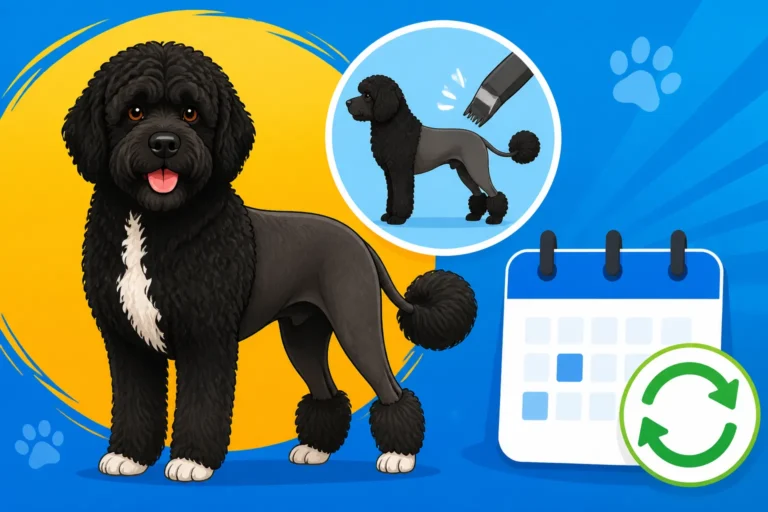
- Regular Trimming: Keeping the coat a little shorter can dramatically reduce matting issues. Many owners opt for a practical "retriever clip" or a modified pet clip that keeps the body hair shorter, making maintenance much easier. Don't be afraid to experiment with lengths to find what works for both you and your dog. You can often find suitable grooming supplies, like clippers and blades, on platforms like Amazon.
Nutritional Support for Coat Health
What goes into your dog's body directly impacts her outer appearance. A healthy coat starts from within.
- High-Quality Diet: Ensure your PWD is on a balanced, high-quality diet. Look for foods that list meat as the first ingredient and contain healthy fats. Brands like Ollie, known for their fresh, human-grade ingredients, can be excellent for providing optimal nutrition.
- Omega Fatty Acids: Adding a supplement rich in Omega-3 and Omega-6 fatty acids can do wonders for skin and coat health. Fish oil, flaxseed oil, or specific dermatological supplements can improve coat luster, reduce dryness, and even help with skin elasticity, which can sometimes be affected by hormonal changes. Consult your vet for appropriate dosages.
- Biotin and Zinc: These nutrients are vital for healthy hair growth. Many high-quality dog foods include them, but if your vet recommends it, a supplement might be beneficial. Remember, always discuss new supplements with your veterinarian.
Professional Grooming Considerations
Sometimes, despite your best efforts, the "spay coat" can be overwhelming. Don't feel guilty about seeking professional help.
- Regular Appointments: Scheduling regular professional grooming appointments (every 6-8 weeks, or even more frequently if needed) can keep the coat in top condition. A professional groomer has the expertise, tools, and experience to handle challenging coat types and prevent severe matting. They can also advise on the best clip for your dog's new coat texture and your lifestyle.
- Mat Removal: If mats do form and are beyond your comfortable ability to remove, a professional groomer can often tackle them safely. However, severe matting often requires shaving, which is always best done by a pro to avoid skin irritation or injury. Why a Groomer Charges More for a Matted Portuguese Water Dog is a real consideration.
- Specialized Shampoos and Conditioners: Groomers often have access to professional-grade shampoos and conditioners designed to hydrate and smooth the coat, which can make it more manageable. You can also find some good options for sensitive skin or hydrating coats on Chewy.
| Aspect of Coat Care | Pre-Spay (Typical) | Post-Spay (Potential Changes) | Management Strategy |
|---|---|---|---|
| Texture | Defined curls/waves, resilient | Softer, woollier, sometimes duller | Increase brushing, use detangling spray, consider shorter clips. |
| Matting | Moderate, manageable with routine brushing | Increased, especially in friction areas | Daily line-brushing, focus on high-friction zones (ears, armpits, harness path). |
| Drying Time | Relatively quick | Longer, coat holds more water | Use a force dryer diligently after every swim/bath. |
| Shedding | Minimal, low-shedding breed | Potentially slightly more consistent low-level shedding | Regular brushing helps remove loose hair and stimulate follicles. |
| Grooming Freq. | Every 2-3 days for brushing, professional every 8-10 weeks | Daily brushing, professional every 6-8 weeks (or more) | Consistent routine is key; don't skip days. |
| Nutrition Needs | Standard high-quality diet | May benefit from added Omega fatty acids, biotin, zinc | Ensure premium diet; supplement as vet advises. |
Distinguishing Hormonal Changes from Other Coat Issues
It's easy to jump to conclusions when you see changes in your Portuguese Water Dog's coat, especially after spaying. However, it's really important to remember that not all coat changes are solely due to hormonal shifts. There are other factors, from simple aging to underlying health issues, that can also impact your dog's beautiful locks. Keeping an eye on these helps ensure you're addressing the right problem.
Age-Related Coat Changes
Just like us, dogs age, and their bodies change in various ways, including their coats. As your Portuguese Water Dog matures, her coat might naturally become coarser, thinner in some areas, or even start to go gray, particularly around the muzzle and eyes. These aren't indicators of illness, but simply a part of the natural aging process. An older PWD might also have a coat that's less resilient to tangles or feels a bit drier than in her youth. If the spaying happened when your dog was no longer a young pup, some of the changes you're observing might be a combination of hormonal shifts and normal age-related progression. It’s worth noting that What Changes in an Aging Portuguese Water Dog's Coat can often be similar to what's described as "spay coat" in terms of texture and manageability.
Health Issues Affecting Coat Quality
This is where it gets critical to pay attention. While a "spay coat" is generally benign, certain health conditions can manifest with coat changes that might be mistaken for post-spay issues.
- Hypothyroidism: A common culprit for poor coat quality, hypothyroidism (underactive thyroid) can lead to a dull, dry, brittle, or thinning coat, sometimes with excessive shedding. It can also cause skin issues, weight gain, and lethargy. Signs a Portuguese Water Dog's Thyroid Is Low are important to recognize. Since hormonal imbalances affect the coat, it's wise to rule out thyroid issues with a blood test, especially if other symptoms are present.
- Allergies: Environmental or food allergies can cause dry, flaky skin, itching, redness, and a generally poor coat. Excessive licking and scratching due to allergies can also damage the hair follicles, leading to a thin or broken coat.
- Parasites: Fleas, mites, or other external parasites can irritate the skin, leading to scratching, hair loss, and a dull coat. Regular parasite prevention is key, and if you suspect an infestation, a vet visit is in order.
- Nutritional Deficiencies: While rare with a high-quality commercial diet, severe nutritional deficiencies can impact coat health. A lack of essential fatty acids, vitamins, or minerals can result in a dry, brittle, or sparse coat.
- Cushing's Disease: This condition, caused by an overproduction of cortisol, can also lead to thin, easily damaged skin and a poor, thinning coat, often accompanied by a pot-bellied appearance and increased thirst.
If you notice any other symptoms alongside the coat changes—such as lethargy, changes in appetite or thirst, skin irritation, or behavioral shifts—it’s always best to consult your veterinarian. They can perform diagnostic tests to rule out any underlying medical conditions, ensuring your beloved Portuguese Water Dog gets the right care, no matter the cause of her coat transformation. It’s always better to be safe than sorry when it comes to their health!
Disclaimer
This article is for general informational purposes only and does not constitute professional advice. Laws, prices and regulations vary by location and change over time. Consult a qualified professional for guidance on your specific situation.