Whether the Lion Clip Helped a Working Portuguese Water Dog Swim
It's easy to look at a Portuguese Water Dog in a traditional lion clip today, with their elaborate pom-poms and bare hindquarters, and wonder if such an intricate haircut had any real-world benefit for a working dog. Many assume it was purely for show, or perhaps a stylistic choice adopted later in the breed's history. But the truth is often more nuanced than the simple visual suggests, and understanding the history of this unique clip requires diving into the very essence of what these dogs did for a living. This guide will explore the origins of the lion clip, how it might have—or might not have—helped a working Portuguese Water Dog in the rough waters off the coast of Portugal, and what it means for the breed today.
The Portuguese Water Dog's Original Job: A Nautical Workhorse
To truly grasp the potential function of the lion clip, we first need to understand the demanding life of a Portuguese Water Dog on a fishing boat. These aren't your average backyard companions; they were bred to be highly intelligent, rugged, and indispensable members of the crew along the coasts of Portugal. Their job wasn't just to look cute; it was a full-time, labor-intensive role that required immense stamina and specific physical attributes.
Imagine the bustling fishing ports of the Algarve centuries ago. Boats laden with nets and catch, facing unpredictable Atlantic waters. This is where the Portuguese Water Dog shone. Their primary duties were incredibly varied and crucial for the fishermen's livelihoods. They acted as couriers, swimming between boats or from boat to shore with messages. They were exceptional retrievers, plunging into icy waters to recover lost fishing gear, broken nets, or even fish that had escaped the lines. They'd often dive beneath the surface, eyes open, using their powerful bodies to navigate the underwater currents. Some accounts even suggest they helped herd fish into nets, acting as living boundaries in the water. This was an all-weather, all-condition job, far removed from the manicured show ring or the calm waters of a suburban pool. You can learn more about this incredible history in The Portuguese Water Dog Worked the Algarve Fishing Fleet and How a Portuguese Water Dog Earned Its Place on a Boat. Every aspect of their physical design, from their robust musculature to their distinctive webbed feet, was honed by generations of this challenging work.
The Demands of the Fishing Life
Life on a fishing boat meant exposure to constant salt water, varying temperatures, and the ever-present risk of entanglement. These dogs needed to be agile, strong, and able to withstand the elements without succumbing to hypothermia or injury. Their coats, in particular, were vital for insulation and protection. Unlike many double-coated breeds, the Portuguese Water Dog has a single coat, either curly or wavy, that is incredibly dense and virtually waterproof. This unique coat kept them warm in cold Atlantic waters by trapping a layer of air against their skin.
However, this dense coat, while protective, also presented challenges. Imagine a dog constantly jumping in and out of the water, retrieving heavy nets, and navigating tight spaces on a boat. A thick, long coat could become a hindrance, soaking up excess water, weighing the dog down, and making it prone to snagging on fishing lines or equipment. It could also become matted, especially with constant exposure to salt water and limited opportunities for proper drying and grooming while at sea. Fishermen, being practical people, would have been acutely aware of any physical attribute that either helped or hindered their canine crewmates. They weren't breeding for aesthetics; they were breeding for utility, and every decision about a dog's care, including its coat, would have been made with its working effectiveness in mind.
The Lion Clip: Form and Function in History
The lion clip, with its distinct pattern of short-shaved hindquarters and a full coat left on the forequarters, head, and tail tip, is arguably the most iconic look for a Portuguese Water Dog. It's the "traditional" clip, often seen in show rings and historical depictions. But how did such a peculiar style come about, and what was its original purpose?
The prevailing theory among breed historians and enthusiasts is that the lion clip was, first and foremost, a functional haircut. It wasn't about making the dog look regal or fashionable; it was a practical solution to the specific challenges faced by a working dog constantly in and out of the water. This clip aimed to strike a balance between protection and efficiency, allowing the dog to perform its duties effectively without unnecessary encumbrance. You can read more about its historical purpose in Why the Portuguese Water Dog Lion Clip Exists.
The Theory Behind the Clip
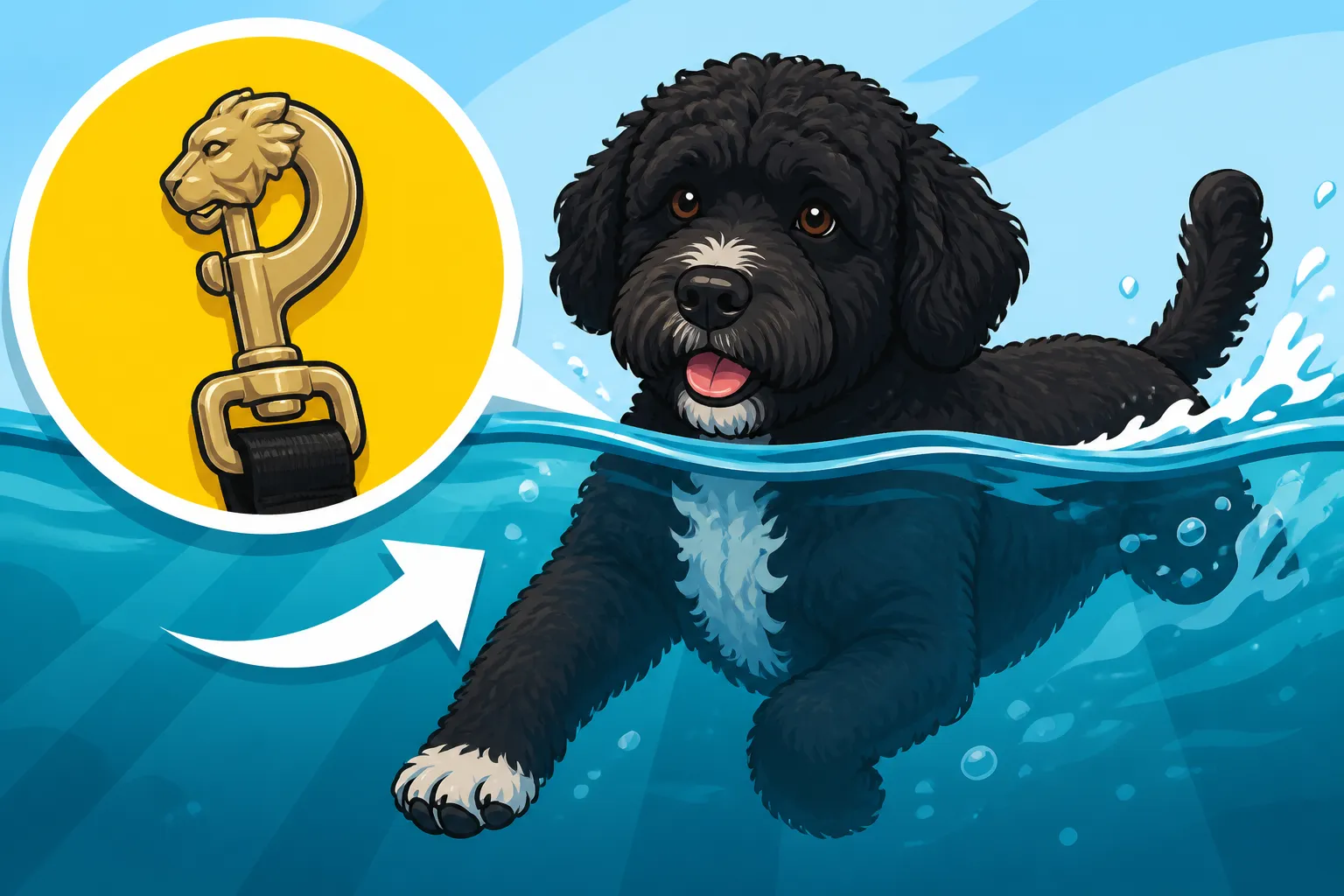
The logic behind the lion clip for working dogs is quite compelling when you consider their environment. The shaved hindquarters, belly, and often part of the tail would significantly reduce drag in the water. A dog with a full, wet coat on its rear would be heavier and face more resistance as it swam, expending more energy for the same amount of work. By removing this excess hair, the dog could become more streamlined, allowing it to swim faster and with less effort, especially crucial when retrieving heavy objects or making multiple trips between boats.
Simultaneously, the full coat left on the dog's chest, ribs, and head was vital for warmth and protection. These areas contain the dog's vital organs, and maintaining core body temperature was paramount in cold ocean waters. The thick coat on the forequarters acted like a natural wetsuit, insulating the dog and preventing hypothermia. The topknot and beard protected the head and face from spray and sun, while the tail plume, though often exaggerated in modern show clips, might have originally served a practical purpose as a rudder in the water or even as a marker for visibility. This dual approach – shaving where efficiency was needed and leaving coat where protection was paramount – strongly suggests a functional origin for the clip.
How the Clip Might Have Aided Swimming
Let's imagine a Portuguese Water Dog, expertly swimming through choppy waves to retrieve a rope.
- Reduced Drag: With its hindquarters shorn, the dog encounters less water resistance. Think of it like a swimmer shaving their legs for a race; less hair means less drag and more speed. This would be particularly beneficial for long swims or when battling strong currents.
- Increased Agility: Less bulk on the rear means the dog can move more freely in the water. This agility is key when diving, maneuvering around obstacles, or making quick turns to catch a drifting item. The webbed feet, powerful tail, and overall build already contribute to their swimming prowess, and the clip complements these natural abilities. How Much a Portuguese Water Dog's Webbing Adds to Its Speed and Why a Portuguese Water Dog's Tail Works as a Rudder explain more about their aquatic adaptations.
- Faster Drying and Less Matting: A wet, heavy coat on the hindquarters would take longer to dry and be more prone to painful matting, especially with the constant friction of movement. By removing the hair in these areas, fishermen could help their dogs dry quicker, reducing the risk of skin issues and discomfort, and minimizing the time spent on arduous detangling after a long day's work. This also means less chance of the coat snagging on fishing nets or equipment, which could be dangerous.
- Maintaining Core Temperature: While the hindquarters were shorn, the crucial chest and lung areas were protected by the dense, curly or wavy coat. This ensured that the dog's vital organs remained warm, protecting against the chill of the Atlantic. How Long a Portuguese Water Dog Can Stay in Cold Water delves into their ability to withstand cold. The coat's unique structure, as described in What a Portuguese Water Dog's Coat Is Made Of, is naturally insulating.
So, while it looks fancy, the lion clip was a sensible, practical choice for a working dog whose life depended on its efficiency and resilience in the water. It’s a testament to the fishermen’s understanding of their dogs' needs and the environment they worked in.
Debunking Myths and Understanding Modern Perspectives
While the historical evidence strongly suggests the lion clip was functional, it's also important to acknowledge that some aspects of the traditional clip, particularly in modern show interpretations, have become more about aesthetics than utility. Today, a show lion clip might feature an exaggerated plume on the tail or a meticulously sculpted topknot that goes beyond purely practical considerations.
The Lion Clip Today vs. Historically
Modern show rings often demand a very specific and dramatic interpretation of the lion clip. The "pom-poms" on the legs, the meticulously shaped topknot, and the long, flowing tail plume are all elements that, while visually striking, might not be as directly functional as the original, more utilitarian cuts. The goal in a show ring is to highlight the breed's conformation and the groomer's skill, whereas for a working fisherman, the goal was simply peak performance and health for their dog.
For a pet Portuguese Water Dog owner, the lion clip is often chosen for its traditional appearance or simply because they love the look. It certainly sets the breed apart! However, maintaining a show-quality lion clip requires significant time and effort, far more than a practical working dog clip would have. This involves regular brushing, bathing, and professional grooming appointments to keep the coat in pristine condition, free of mats, and perfectly shaped.
Alternative Grooming for the Modern Portuguese Water Dog
For most Portuguese Water Dog owners, especially those whose dogs are active family members rather than working on fishing boats or competing in dog shows, the retriever clip (also known as a utility clip or working clip) is far more common. This clip involves uniformly shortening the entire coat to a practical length, typically a few inches, without the dramatic shaved areas and pom-poms of the lion clip.
The retriever clip offers several advantages for pet owners:
- Easier Maintenance: With the coat all one length, it's generally much simpler to brush and dry after a swim or a rainy walk. This is a huge bonus if your PWD is a regular swimmer in lakes or the ocean. Drying a Portuguese Water Dog After Every Swim is a crucial skill for all owners.
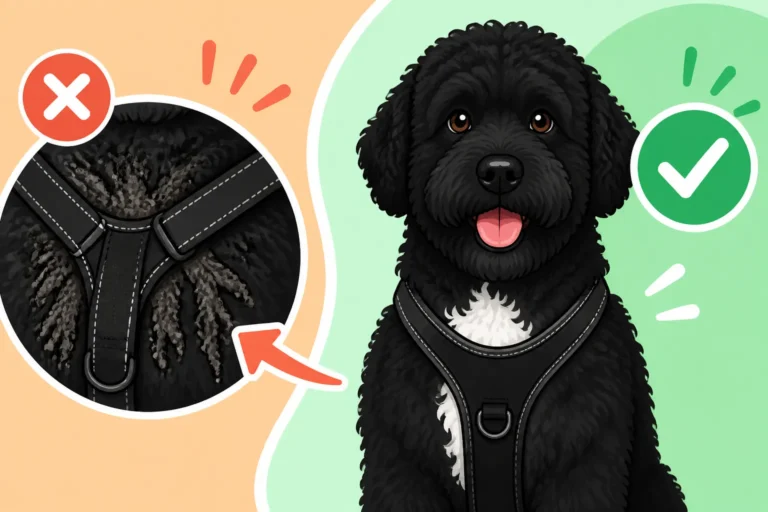
- Reduced Matting Risk: A shorter, uniform coat is less prone to developing mats, especially in high-friction areas like behind the ears, under the harness, or in the armpits. Less matting means less discomfort for the dog and less work for the owner. You can find essential grooming tools on sites like Chewy or Amazon to help with this.
- Comfort: While the lion clip was designed for comfort in cold water, a dog in a modern, well-maintained retriever clip is perfectly comfortable and well-protected. In hot weather, a shorter clip can even help prevent overheating on land, although PWDs generally tolerate cold better than extreme heat.
- Aesthetic Preference: Many owners simply prefer the athletic, robust look of the retriever clip, finding it less "fussy" than the lion clip.
Ultimately, whether a Portuguese Water Dog wears a lion clip, a retriever clip, or something in between, the most important thing is that the coat is kept clean, healthy, and free of mats. Regular grooming, whether at home with tools you might pick up from Amazon or through a professional groomer, is essential for this breed, regardless of the clip. Investing in good quality food, perhaps from a brand like Ollie, also supports overall coat health and vitality for an active dog.
Conclusion: A Legacy of Practicality
So, did the lion clip help a working Portuguese Water Dog swim? All signs point to a resounding yes. It wasn't a whimsical fashion statement but a testament to the ingenuity and practical needs of the fishermen who relied on these dogs for their livelihood. By strategically removing hair from areas that would cause drag and retaining it on vital organs for warmth, the lion clip allowed these incredible dogs to perform their demanding duties with greater efficiency and comfort in the challenging marine environment.
While the modern interpretation of the lion clip has evolved, sometimes leaning more towards artistic expression than pure utility, its historical roots are firmly planted in the practical world of the Portuguese fishing fleet. It serves as a fascinating reminder of the deep bond between humans and their working dogs, where even a haircut could be a matter of survival and success. Today, whether your Portuguese Water Dog sports a majestic lion clip or a practical retriever cut, understanding its heritage enriches your appreciation for this truly unique and capable breed.
Disclaimer
This article is for general informational purposes only and does not constitute professional advice. Laws, prices and regulations vary by location and change over time. Consult a qualified professional for guidance on your specific situation.