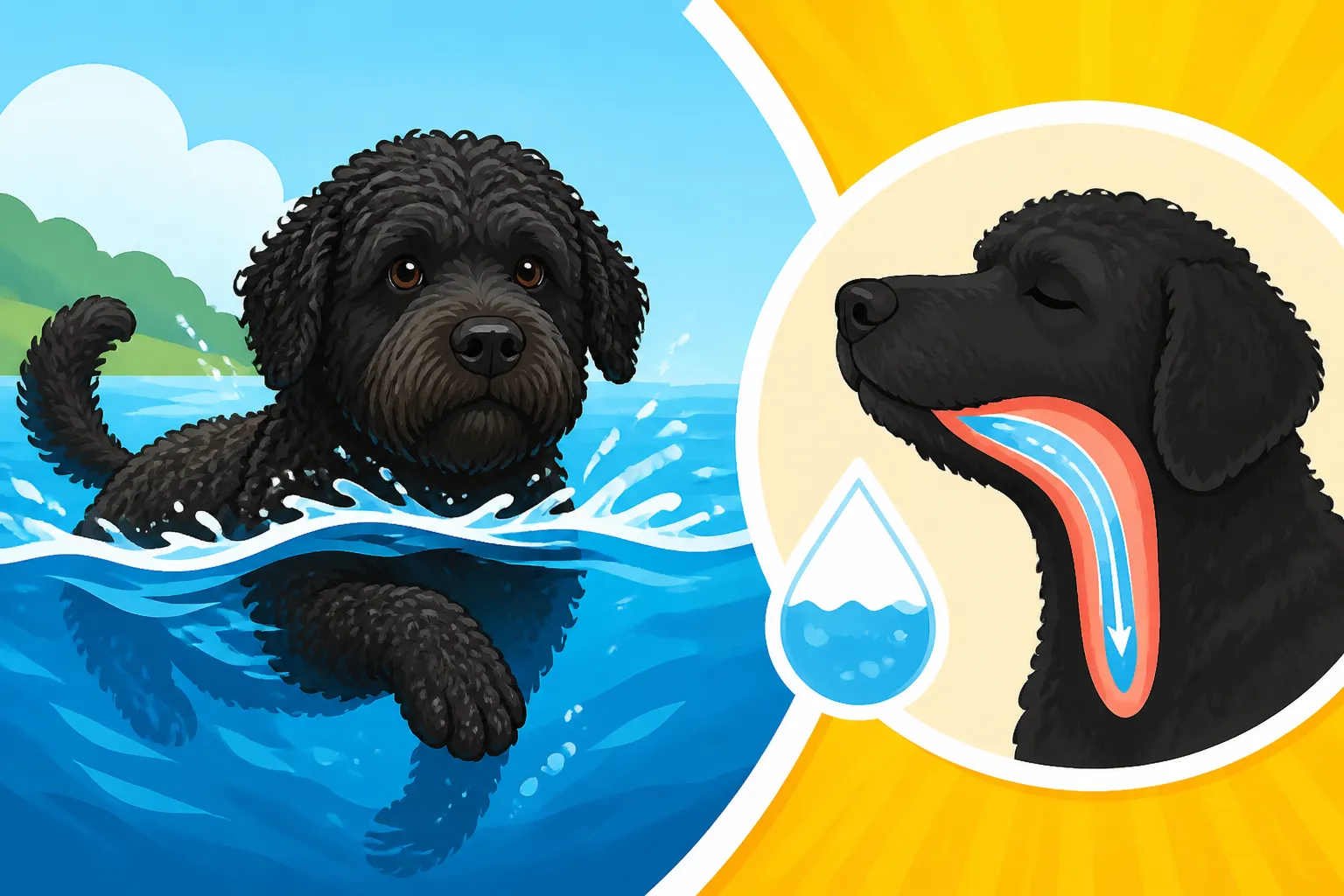
Whether a Portuguese Water Dog Swallows Water While Swimming
It's a common sight for us Portuguese Water Dog owners: our furry companions, bursting with joy, plunge headfirst into the nearest body of water. They splash, they retrieve, they zoom through the waves like torpedoes, and as they do, many of us find ourselves wondering, "Are they drinking all that water?" It’s a very real concern, as excessive water ingestion during a swim can range from a mild stomach upset to a dangerously serious condition. This guide is here to shed light on why your PWD might be gulping water while swimming, the potential risks involved, and, most importantly, how you can help keep your water-loving dog safe and sound.
The Instinct to Drink vs. The Drive to Swim
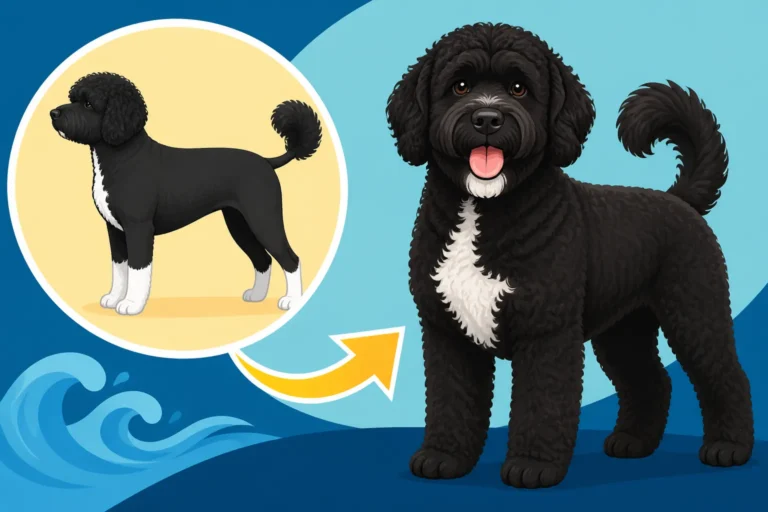
Portuguese Water Dogs are, by their very nature, aquatic creatures. They were bred to work alongside fishermen, and water is as much a part of their identity as their curly coats. This deep-seated love for water means they're often immersed in it for extended periods, which can inadvertently lead to ingesting more water than is healthy.
Why Dogs Drink While Swimming
Think about how your Portuguese Water Dog plays in the water. They might be vigorously paddling, mouth agape, or enthusiastically retrieving a floating toy. In these moments, it’s almost impossible for them not to swallow some water. It can be entirely unintentional, simply a consequence of their vigorous activity. Each gasp for air, each splash, each time they dive for a toy can send gulps of water down their throat.
Beyond accidental ingestion, some dogs might intentionally drink while swimming if they’re particularly thirsty. The cool, refreshing feel of the water can be tempting. Or, perhaps they simply enjoy the taste of a particular lake or ocean water – though we owners know that's not always a good thing! If your dog is retrieving a toy that's absorbed a lot of water, they might also mouth it so much that they suck up more water than intended. This is especially true for toys made of porous materials.
The PWD's Natural Affinity for Water
Our Portuguese Water Dogs are phenomenal swimmers, equipped with webbed feet, a powerful rudder-like tail, and a single, dense coat that offers insulation and buoyancy. They often display an almost unparalleled enthusiasm for water activities, whether it's a dip in a backyard pool, a romp in a lake, or a full-on ocean adventure. This genetic predisposition means they're likely to spend considerable time in and around water, increasing their exposure to potential issues from water ingestion.
Their high drive and work ethic mean they will often push themselves in the water, focusing intensely on retrieving or following commands. This intense focus can sometimes override their natural cues to stop or rest, making them more prone to accidentally swallowing water during prolonged play sessions. Even the most seasoned water dog, the kind that seems to barely touch the water as it glides through, can still take in more than its share if it's too excited or not adequately hydrated beforehand. For more on what makes them such strong swimmers, you might find How a Portuguese Water Dog's Tail Works as a Rudder interesting.
The Risks of Excessive Water Ingestion
While a little gulp here and there is usually harmless, consistently swallowing a lot of water can lead to a few worrying health concerns for your Portuguese Water Dog. It's not just about a tummy ache; some risks are quite serious.
Water Intoxication Hyponatremia
This is the big one, and thankfully, it’s rare, but when it happens, it's an emergency. Water intoxication, also known as hyponatremia, occurs when a dog ingests an excessive amount of water, which then dilutes the sodium levels in their bloodstream. Sodium is crucial for maintaining proper fluid balance and nerve function in the body. When sodium levels drop too low, water moves into the body's cells, causing them to swell, including those in the brain. This can lead to severe neurological symptoms.
Imagine your Portuguese Water Dog happily fetching a toy repeatedly in the lake for an hour without a break. Each time they retrieve, they swallow a bit more water. Over a sustained period, especially without proper breaks or prior hydration, this can build up. Symptoms can come on surprisingly quickly and include lethargy, bloating, vomiting, glazed eyes, an unsteady gait, confusion, and in severe cases, seizures, coma, and even death. It’s a very serious condition that demands immediate veterinary attention. You can read more about this specific risk in Water Intoxication Is a Risk for a Portuguese Water Dog.
Gastrointestinal Upset
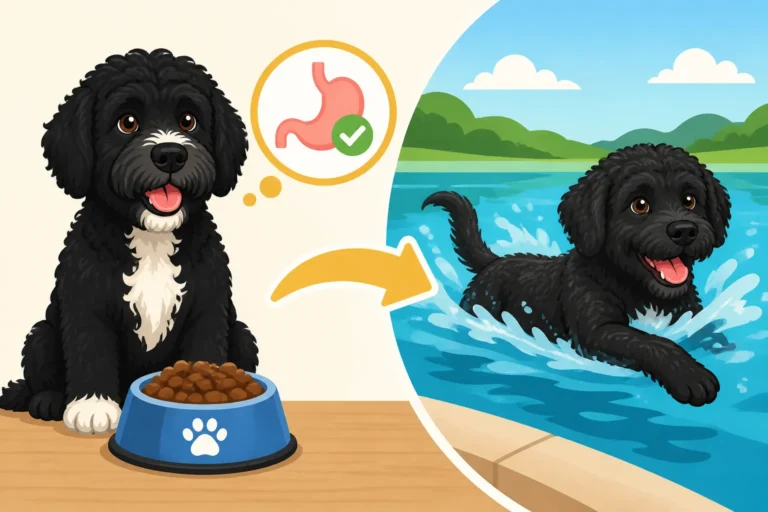
More commonly, swallowing too much water simply leads to gastrointestinal upset. This is less severe than water intoxication but still very unpleasant for your dog and messy for you! If your Portuguese Water Dog gulps down a significant amount of water, their stomach can become distended and uncomfortable. This can manifest as acute vomiting or diarrhea shortly after swimming. It’s the body's way of trying to get rid of the excess fluid.
This kind of upset is often exacerbated if the water isn't particularly clean. Think about a stagnant pond or even a busy community dog beach where the water might be laden with bacteria, algae, or other microscopic irritants. Even if the water itself isn't toxic, the sheer volume or the presence of common environmental microbes can irritate a sensitive stomach. This can be a particularly annoying problem, especially if you have a PWD with an already sensitive digestive system, requiring special diets often found from retailers like Chewy or Ollie.
Exposure to Contaminants
Beyond the volume of water, the source of the water itself presents risks. Different bodies of water come with their own unique set of potential contaminants that your Portuguese Water Dog might ingest while swimming.
- Lakes and Ponds: These can harbor harmful bacteria like Leptospira (for which vaccination is recommended if your PWD is a frequent lake swimmer) and Giardia, as well as blue-green algae (cyanobacteria), which can be highly toxic and even fatal. Always check local advisories before letting your dog swim in natural freshwater.
- Oceans and Saltwater: While PWDs often adore the ocean, the high salt content of seawater can be problematic if too much is ingested. Saltwater can cause rapid dehydration, leading to vomiting, diarrhea, and in extreme cases, sodium poisoning, which is separate from hyponatremia but equally serious. Excessive saltwater can also dry out their beautiful coat, so a good rinse is always recommended. When a Portuguese Water Dog Should Be Rinsed After the Sea
- Swimming Pools: Pools treated with chlorine or other chemicals can irritate your dog's digestive system, skin, and eyes. While a small amount of chlorinated water is generally not dangerous, consistent ingestion can lead to an upset stomach. It's also vital to ensure your PWD doesn't have access to highly concentrated pool chemicals. Whether Pool Chlorine Hurts a Portuguese Water Dog
| Water Source | Common Risks | Prevention & Management Tips |
|---|---|---|
| Lakes/Ponds | Blue-green algae, Leptospira, Giardia, bacteria | Check local advisories; avoid stagnant water; fresh water breaks |
| Ocean/Saltwater | Salt toxicity, dehydration | Offer fresh water frequently; limit swim time; thorough rinse |
| Swimming Pool | Chlorine/chemical irritation, GI upset | Supervise; fresh water breaks; rinse after swimming |
| Tap/Clean Water | Over-hydration (rare) | Offer in moderation; observe dog's drinking habits |
How to Minimize Water Swallowing Risks
The good news is that with a bit of proactive planning and attentive supervision, you can significantly reduce the risks associated with your Portuguese Water Dog swallowing too much water while swimming. It's all about balance and being mindful of their intake.
Strategic Hydration Before and During Swims
One of the best defenses against your PWD drinking too much water from the swimming source is to ensure they are adequately hydrated before they even get wet. Just like human athletes, dogs need to be well-hydrated before physical exertion. Offer plenty of fresh, clean drinking water before heading to the beach, lake, or pool. Bring a travel water bowl and a bottle of tap water with you, easily sourced from platforms like Amazon for convenience.
During their swim session, especially if it's a long one or particularly energetic, enforce regular breaks. Call your PWD out of the water every 15-20 minutes, even if they're giving you that pleading "just five more minutes" look. During these breaks, offer them fresh water. This helps them quench their thirst with safe water, making them less likely to try and drink from the lake or ocean. It also gives their body a chance to process any water they might have inadvertently swallowed and helps prevent them from becoming overly exhausted. How Much Water a Portuguese Water Dog Drinks a Day is a good read on general hydration.
Training and Management Techniques
Training plays a huge role in managing your Portuguese Water Dog's water intake. They are intelligent dogs, and with consistent effort, you can teach them behaviors that keep them safer around water.
- "Leave It" Command: This command isn't just for dropped food; it's invaluable for water play. If your PWD is fixated on a water-logged toy or seems to be trying to drink directly from the source, a firm "leave it" can redirect their attention. You can practice this command on land first, rewarding them heavily for disengaging from tempting items.
- Controlled Retrieving: Instead of letting your PWD continuously retrieve, consider throwing the toy fewer times or only allowing a few retrieves before a break. This limits their opportunities to gulp water with an open mouth. You might also choose toys that don't absorb excessive water, like solid rubber or plastic ones, rather than porous fabric toys. These types of toys are readily available from pet supply retailers like Chewy.
- Varying Water Activities: Don't let every water session be a high-intensity retrieve-a-thon. Mix in some casual swimming, wading, or even just sitting by the edge. This reduces the constant, vigorous mouth action that leads to water ingestion. You can also explore other enriching activities that are less focused on mouthing, such as scent work or dock diving, once they are old enough and physically mature. The Age a Portuguese Water Dog Can Start Swimming can help you understand when to introduce water safely.
Post-Swim Care and Monitoring
After a fun swim, your vigilance isn't over. Proper post-swim care and careful monitoring are crucial for detecting any issues early.
First, always give your Portuguese Water Dog a thorough rinse, especially after swimming in saltwater or chlorinated pools. This helps remove salt, chlorine, and any environmental irritants from their coat and skin. Then, dry them completely, paying special attention to their ears. What to Do With a Portuguese Water Dog After a Swim offers more in-depth advice on this. A damp coat can lead to skin issues, and wet ears are a breeding ground for infections. Why a Portuguese Water Dog's Ear Canal Traps Water explains why their ear anatomy makes them prone to this.
For the next few hours after swimming, keep a close eye on your PWD for any signs of discomfort or illness. This includes changes in their energy level, appetite, or behavior. Watch for excessive urination, which can be a subtle sign of hyponatremia, or any signs of nausea, vomiting, or diarrhea. If you notice any of the more serious symptoms mentioned below, don't hesitate to seek immediate veterinary advice. Better safe than sorry when it comes to your beloved companion's health. You should also watch for any unusual smells – while Whether a Portuguese Water Dog Smells When Wet addresses the general wet dog smell, a truly foul odor might indicate bacterial growth.
Recognizing the Signs of Trouble and Seeking Help
Knowing when to worry and when to act is paramount. While many minor tummy upsets will resolve on their own, certain symptoms demand immediate attention. Understanding what to look for can make all the difference.
Symptoms of Water Intoxication
Because water intoxication (hyponatremia) can progress rapidly and be life-threatening, recognizing its symptoms quickly is critical. These signs indicate a severe electrolyte imbalance and should prompt an emergency visit to your veterinarian. Do not wait to see if they improve.
Look out for any of these signs, especially if your Portuguese Water Dog has had an extended or very enthusiastic swimming session:
- Lethargy and Weakness: Your normally energetic PWD might seem unusually tired, sluggish, or unable to move with their usual vigor. They might struggle to stand or walk.
- Bloating: The abdomen may appear distended or swollen. This can also be accompanied by discomfort when you touch their belly.
- Vomiting: While some vomiting can occur with general GI upset, repeated or projectile vomiting is a serious sign.
- Lack of Coordination/Stumbling: They might appear drunk, uncoordinated, or stumble as they walk. Their balance might be noticeably off.
- Dilated Pupils or Glazed Eyes: Their eyes might seem unresponsive or have a glassy, unfocused appearance.
- Excessive Drooling: More than usual drooling, possibly frothy, can be a symptom.
- Pale Gums: Check their gums; they might appear unusually pale.
- Seizures: This is a very advanced and critical symptom. Any seizure warrants immediate emergency care.
- Coma: In the most severe cases, the dog may become unresponsive.
If you observe any combination of these symptoms, especially after a swim, consider it a medical emergency.
When to Contact Your Vet
It's always better to err on the side of caution when it comes to your pet's health. If you are concerned about any symptoms your Portuguese Water Dog is exhibiting after swimming, contact your veterinarian immediately. This isn't the time to consult Dr. Google; a quick call can guide you on the severity and urgency of the situation.
Describe your dog's activity level, how long they were swimming, the type of water they were in, and all the symptoms you've observed. Your vet will be able to advise you on whether an immediate visit is necessary or if you can monitor them at home. Remember, early intervention for conditions like water intoxication dramatically improves the prognosis. Don't feel silly for calling; your vet would much rather you call with a false alarm than delay treatment for a critical issue. Keep the contact number for your regular vet and an emergency veterinary clinic handy, perhaps on a sticky note near the fridge or saved in your phone for quick access.
Disclaimer
This article is for general informational purposes only and does not constitute professional advice. Laws, prices and regulations vary by location and change over time. Consult a qualified professional for guidance on your specific situation.