How Long a Shaved Portuguese Water Dog Takes to Regrow
It’s a scenario many Portuguese Water Dog owners face: a beautiful, fluffy, or curly coat suddenly becomes a matted mess, sometimes so severe that the only humane option is to shave it down to the skin. You feel a pang of guilt, perhaps a little embarrassment, and then the inevitable question pops into your mind: "How long will it actually take for that gorgeous coat to grow back?" This guide is here to walk you through the regrowth process, setting realistic expectations and offering practical advice to nurture your PWD's coat back to its former glory.
Understanding the Portuguese Water Dog's Unique Coat Structure
Before we dive into regrowth timelines, it’s helpful to understand what makes a Portuguese Water Dog's coat so distinct. Unlike many other breeds, PWDs have a single coat, meaning they lack an undercoat. This is why they're often considered "hypoallergenic" – they don't shed in the traditional sense, but rather the loose hairs get caught in their dense curls or waves. This unique structure is fantastic for their water work, providing insulation and protection, but it also makes them incredibly prone to matting if not meticulously cared for.
Curly vs. Wavy Coats and Their Impact on Matting
Portuguese Water Dogs come in two primary coat types: curly and wavy. While both are single coats, they behave a little differently. A Curly or Wavy: the Two Portuguese Water Dog Coats article goes into more detail, but here’s the gist:
- Curly Coat: Tends to be tighter, denser curls, almost like a lamb's wool. These coats can be incredibly soft but are also notorious for matting very quickly, especially behind the ears, under the legs, and where a collar or harness sits. When shaved, the regrowth might appear even curlier and denser initially.
- Wavy Coat: Often has softer, flowing waves with a slight sheen. While still prone to matting, the waves might not tangle quite as fast as tight curls, but they can still "felt" together if neglected. When regrowing, the wavy texture will usually return, though perhaps with a bit more bounce than before the shave.
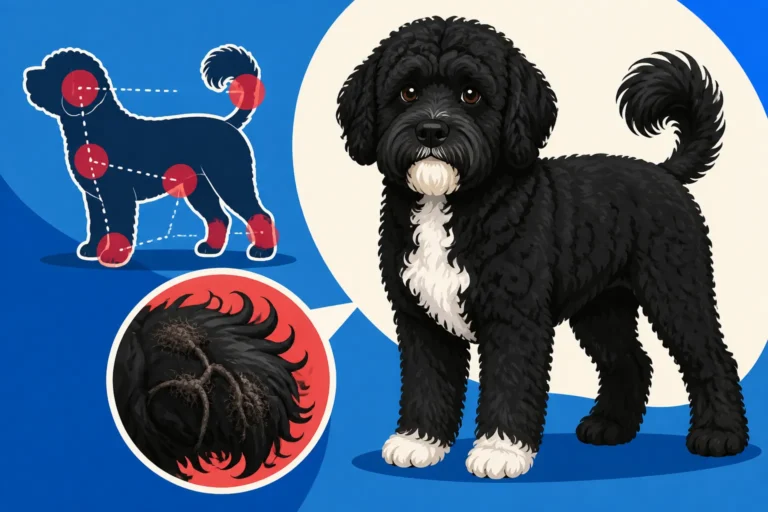
Regardless of the type, the fundamental issue is that shed hair doesn't fall out; it stays trapped, weaving into the surrounding coat. This is why regular brushing is non-negotiable for preventing mats. When a coat reaches the point of needing a full shave, it’s usually because the mats are too close to the skin, too extensive, or too painful to brush out safely.
Why Shaving Is Sometimes Necessary
For many PWD owners, shaving a dog's coat is a last resort. It can happen for various reasons:
- Extreme Matting: This is the most common reason. A neglected coat can become a solid pelt, causing skin irritation, pain, and even hindering movement. Attempting to de-mat such a coat is often cruel and can cause more stress and discomfort than a clean shave.
- Medical Reasons: Sometimes, a vet might recommend shaving for surgery, skin conditions, or to facilitate treatment of wounds or parasites.
- Accidental Damage: Perhaps a sticky substance or a foreign object got hopelessly tangled in the fur, making removal without shaving impossible.
It’s important to remember that a shaved PWD isn't a reflection of bad ownership, but often a necessary step for their health and comfort. The goal is to get that coat back healthy and manageable, and this guide will help you understand the journey.
The Regrowth Timeline: What to Expect After a Shave
So, you've shaved your PWD, and now you're looking at a very short, perhaps even bare, dog. How long until they resemble their fluffy self again? The answer isn't a simple number of weeks or months, as several factors come into play, but we can give you a general idea of the process.
Initial Stages of Regrowth: Stubble to Soft Fuzz
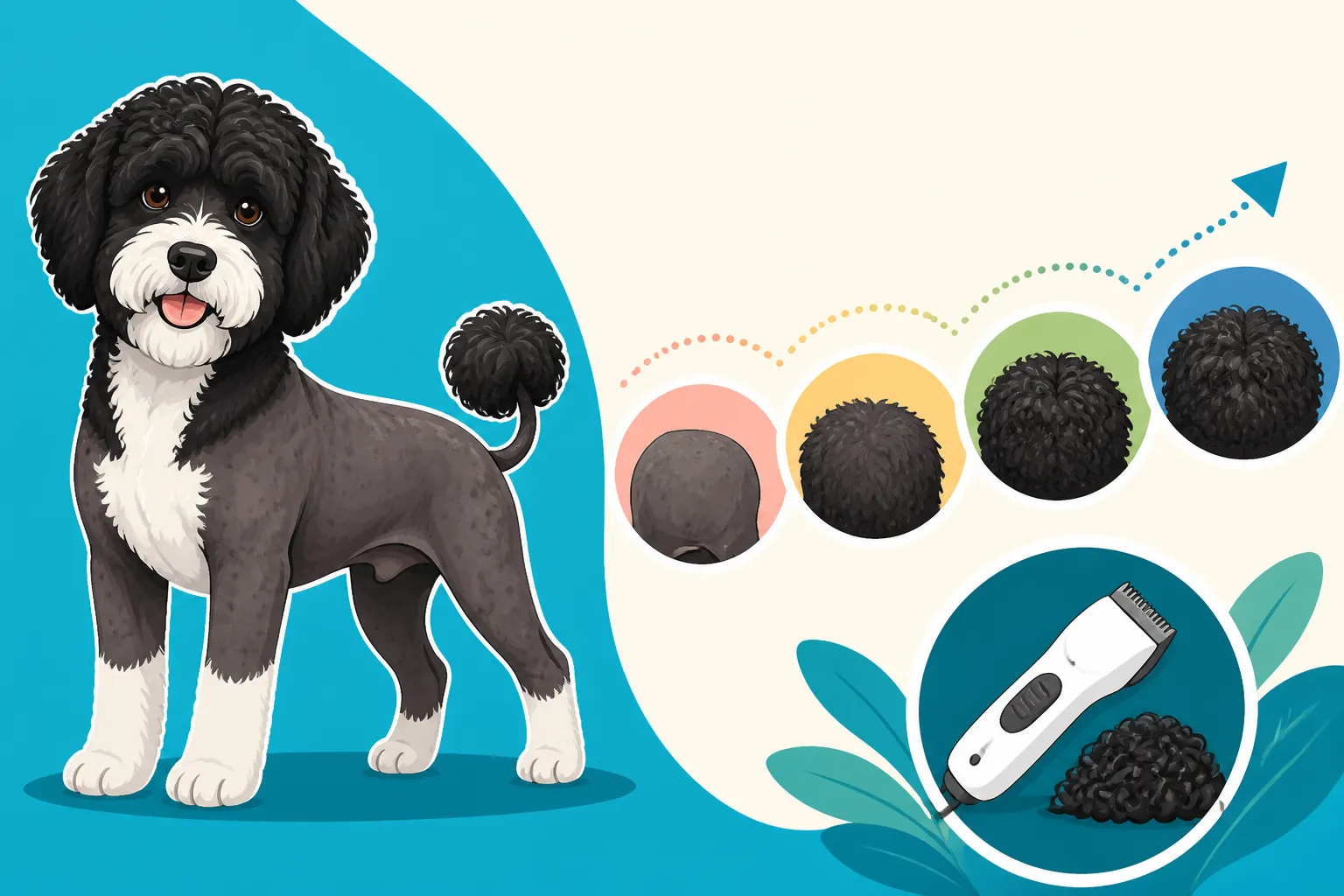
Immediately after a shave, your dog will have a very short, uniform coat, almost like soft velvet or stubble. You'll notice the skin color more, and they might even shiver more easily if the weather is cool.
- Weeks 1-4: This is the phase of initial growth. You'll see the stubble start to lengthen. For many PWDs, especially those with curly coats, it might feel a bit coarser at first, as the ends of the hair shafts are blunt from the clippers. The coat won't have any real body yet, and your dog will still feel quite "naked." They’ll need extra protection from the sun and cold during this time.
- Months 1-3: During this period, the coat will grow out to about an inch or two. It will feel much softer and start to develop some texture – the curls or waves will begin to reappear, though they won't be as defined or dense as a full adult coat. This stage is crucial for preventing new mats from forming. Even short, soft fur can tangle if not brushed regularly. Think of it like a human getting a pixie cut and growing it out – it goes through awkward stages!
Mid-Stage Regrowth: Developing Length and Texture
As the months progress, you'll see more significant changes, and your PWD will start to look more familiar.
- Months 3-6: By this point, your PWD's coat should be several inches long, likely resembling a Retriever Clip Is the Coat Most Portuguese Water Dogs Wear. The curls or waves will be much more noticeable, and the coat will have more body and depth. This is a critical time for regular grooming. The growing coat can easily catch and trap loose hairs, leading to new mats. You'll need to reintroduce regular brushing, perhaps daily, especially in high-friction areas. You might find yourself needing a good slicker brush and metal comb from a place like Amazon or Chewy to keep ahead of any tangles.
- Factors Influencing Speed: Just like human hair, a dog's coat growth is influenced by several factors:
- Age: Younger dogs (puppies and adolescents) often have faster metabolisms and can regrow hair more quickly than senior dogs. An Caring for an Aging Portuguese Water Dog article might touch upon slower coat growth in older dogs.
- Health and Nutrition: A dog with a healthy diet and no underlying health issues will naturally have a more robust coat growth. Poor nutrition or illness can slow down the process and even affect the quality of the new coat.
- Genetics: Some PWDs simply have faster-growing hair than others, just like people.
Full Coat Restoration: When Will It Be "Normal" Again?
Achieving a full, dense, and characteristic Portuguese Water Dog coat after a complete shave is a journey, not a sprint.
- Months 6-12+: For the coat to reach its full length, density, and mature texture, it can take anywhere from six months to a full year, or even longer for some dogs to fully return to their pre-shave glory. The hair around the muzzle, ears, and tail often takes the longest to grow out to full length. During this time, the coat will continue to fill in, the curls or waves will become more pronounced, and the protective qualities will return. You'll notice the texture becoming consistent with what What a Portuguese Water Dog's Coat Is Made Of describes.
It's important to be patient and consistent with grooming throughout this entire period. The goal isn't just to grow hair, but to grow healthy hair that is manageable and comfortable for your dog.
Here's a general timeline summary:
| Phase | Approximate Timeframe | Appearance | Key Considerations |
|---|---|---|---|
| Initial Stubble | 1-4 weeks | Very short, soft stubble. Skin clearly visible. | Sun protection, warmth. Gentle handling. |
| Short Fuzz | 1-3 months | ~1-2 inches long. Soft, developing texture. | Introduce gentle brushing. Prevent new mats. |
| Developing Coat | 3-6 months | ~2-4 inches long. Curls/waves becoming defined. | Regular brushing essential. Monitor matting. |
| Significant Length | 6-12+ months | Approaching full length and density. Mature texture. | Consistent grooming. Professional trims may start. |
Caring for a Shaved Coat During Regrowth
Regrowing a Portuguese Water Dog’s coat isn't just about waiting; it's about active care to ensure the new coat is healthy, strong, and manageable. This period requires extra diligence to prevent future matting and protect your dog's sensitive skin.
Skin Protection and Comfort
With a freshly shaved coat, your PWD's skin is more exposed than ever before. This calls for immediate protective measures.
- Sun Protection: A PWD's skin, especially if it's fair or lightly pigmented, can easily get sunburned. If your dog will be spending time outdoors, consider applying dog-safe sunscreen to exposed areas, or outfit them in a lightweight, breathable canine sun shirt. This is especially true for those warm, sunny days at the park or near the water. You can find excellent options on Amazon.
- Warmth in Cooler Weather: That dense coat usually provides fantastic insulation. Without it, your PWD will feel the cold more acutely. Invest in a comfortable dog sweater or coat for walks in chilly weather or even for lounging indoors if your house is cool. Again, a quick search on Chewy will yield plenty of options.
- Preventing Irritation: The skin might be a bit sensitive or dry after a close shave. Ensure baths are gentle, using a mild, moisturizing dog shampoo. Which Shampoo Suits a Portuguese Water Dog's Coat can guide you to appropriate products. Avoid harsh chemicals or anything that could further irritate the exposed skin.
Grooming Strategies for Regrowing Hair
As the coat starts to come back, your grooming routine needs to be proactive and consistent. The biggest mistake you can make is waiting until the coat feels long enough to start brushing.
- Early Brushing (Even Short Hair): As soon as the hair has enough length to grab (around 1-2 inches), begin very gentle, short brushing sessions daily. Use a soft slicker brush and a metal comb to get down to the skin. The goal is to prevent any tangles from forming in the first place. Pay extra attention to common matting areas, such as behind the ears, armpits, and groin.
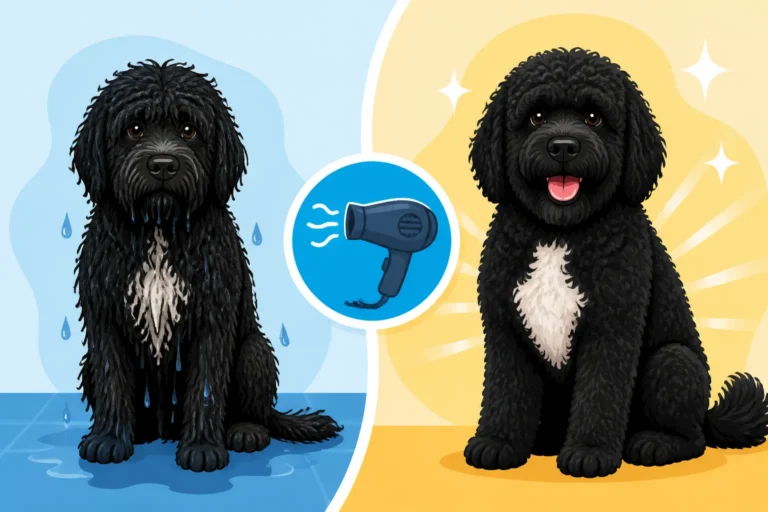
- Regular Bathing and Drying: Even with a short coat, regular baths are still important to keep the skin and new hair clean. However, meticulous drying is absolutely crucial. A PWD’s coat holds water, and a damp coat can lead to skin issues and even more matting as it grows. Learn How Long a Portuguese Water Dog Takes to Air Dry and understand why a force dryer is often recommended, even for short coats. Ensuring your PWD is completely dry after every bath or swim will significantly contribute to healthy regrowth.
- Introduction of Grooming Tools: As the coat lengthens, you'll gradually reintroduce your full suite of grooming tools. A good quality slicker brush, a sturdy metal comb with both wide and narrow teeth, and a de-matting rake (used cautiously if any tangles start to form) are essential. Don't forget nail clippers or a Dremel. You can stock up on these essentials from pet supply retailers like Chewy or Amazon.
Nutritional Support for Healthy Coat Growth
Just like with human hair and skin, a healthy diet plays a massive role in the quality and speed of a dog's coat regrowth.
- High-Quality Protein: Hair is primarily made of protein, so ensuring your PWD receives adequate, high-quality protein in their diet is fundamental. Look for dog foods where meat is the first ingredient. Brands like Ollie offer fresh, human-grade food that can be beneficial for overall health, including coat quality.
- Omega Fatty Acids: Omega-3 and Omega-6 fatty acids are crucial for skin and coat health. These can be found in fish oils (like salmon oil) or in dog foods fortified with them. They help promote a shiny, healthy coat and can reduce skin dryness or irritation. Your vet might even recommend a supplement during this regrowth period.
- Vitamins and Minerals: Ensure your dog's diet is rich in essential vitamins and minerals, especially B vitamins, zinc, and biotin, which are vital for healthy hair production. If you're feeding a complete and balanced commercial dog food, they should be getting these already, but it's worth reviewing the ingredient list. Feeding an Athletic Portuguese Water Dog details the importance of a good diet for their active lifestyle and overall well-being.
By combining diligent grooming with proper skin protection and nutritional support, you'll be giving your shaved Portuguese Water Dog the best possible chance for a speedy and healthy coat regrowth.
Preventing the Need for Shaving in the Future
The thought of having to shave your beloved Portuguese Water Dog again is probably enough to make you cringe. The good news is that with consistent, proactive care, it’s largely preventable. The key is understanding their coat's needs and committing to a routine.
Establishing a Consistent Grooming Routine
Regularity is the absolute golden rule for a PWD coat. It’s not just about aesthetics; it's about their comfort and health.
- Daily or Every Other Day Brushing: Seriously, this is non-negotiable for a PWD, especially if you prefer a longer coat. Even a few minutes each day can make a world of difference in preventing mats from forming. Use a good quality slicker brush and a metal comb. The comb is your secret weapon – it gets down to the skin where mats really start. If you hit a snag with the slicker, the comb will help you gently work it out, rather than pulling on your dog's skin. Focus on high-friction areas: behind the ears, armpits, inner thighs, under the tail, and where the collar or harness sits.
- Regular Baths: PWDs need baths more frequently than many other breeds, often every 2-4 weeks, depending on their activity level. Use a good quality shampoo and conditioner. Conditioner is key as it helps to keep the hair hydrated and less prone to tangling. The most critical part of the bath, however, is the drying. Drying a Portuguese Water Dog After Every Swim highlights why a force dryer is a game-changer. Air drying leads to matting because the hair curls and tightens as it dries, trapping loose hairs and creating knots. A force dryer straightens the hair as it dries, preventing this. You can find reliable force dryers on Amazon or Chewy.
- Trimming and Clipping: Even if you prefer a longer look, regular trims are essential to maintain the coat's health and prevent unmanageable length. Many owners opt for a Retriever Clip Is the Coat Most Portuguese Water Dogs Wear for ease of maintenance. This involves clipping the body shorter while leaving some length. You can learn to do this at home with the right equipment (clippers, blades, scissors, grooming table – check out What Home Grooming Equipment Costs for a Portuguese Water Dog) or schedule regular appointments with a professional groomer.
The Role of Professional Grooming
While many PWD owners learn to do some grooming at home, a professional groomer can be an invaluable partner in maintaining your dog's coat.
- Scheduled Appointments: Establish a consistent schedule with a groomer, typically every 6-8 weeks, depending on your dog's coat type and how much home grooming you do. A professional groomer has specialized tools, techniques, and experience to handle PWD coats, including dematting (if minor) and proper clipping. They can also often spot skin issues or ear infections you might miss.
- Specific Clips for Maintenance: Discuss with your groomer what clip is most practical for your lifestyle and your dog's comfort. The retriever clip is popular for active PWDs, keeping the coat at a manageable length that's easier to dry and less prone to picking up debris. While the traditional The Lion Clip Costs a Portuguese Water Dog Owner Daily Brushing is beautiful for show, it's far more intensive for a pet PWD.
- Asking for Advice: Don't hesitate to ask your groomer for tips on home maintenance. They can show you how to properly brush, recommend specific products, or even demonstrate how to tackle tricky areas. Building a good relationship with a groomer is a huge asset for a PWD owner.
Addressing Underlying Issues Proactively
Sometimes, matting can be exacerbated by health issues. Being vigilant about your dog's overall well-being contributes to better coat health.
- Regular Vet Check-ups: Routine vet visits ensure your PWD is in good health. Skin allergies, hormonal imbalances (like hypothyroidism), or nutritional deficiencies can all impact coat quality, making it dry, brittle, and more prone to matting. Catching these early can prevent a downward spiral that leads to extreme matting.
- Ear Care: PWDs are prone to ear infections, especially those that love to swim. Why a Portuguese Water Dog's Ears Need Checking Every Week is crucial. Regular cleaning and ensuring ears are thoroughly dried after water activities will prevent infections that can make dogs uncomfortable and lead to them scratching at their ears, causing matting.
- Dietary Adjustments: As discussed earlier, a high-quality diet rich in omega fatty acids supports a healthy skin barrier and a strong, supple coat. If your PWD's coat seems dull or brittle, discuss dietary changes or supplements with your vet. A brand like Ollie or other premium dog foods can make a big difference, complementing your grooming efforts.
By adopting a comprehensive and consistent approach to grooming, combined with attentiveness to your dog's overall health, you can minimize the chances of ever needing to shave your Portuguese Water Dog down again, allowing their magnificent coat to thrive.
Disclaimer
This article is for general informational purposes only and does not constitute professional advice. Laws, prices and regulations vary by location and change over time. Consult a qualified professional for guidance on your specific situation.