What an Aging Portuguese Water Dog’s Coat Looks Like
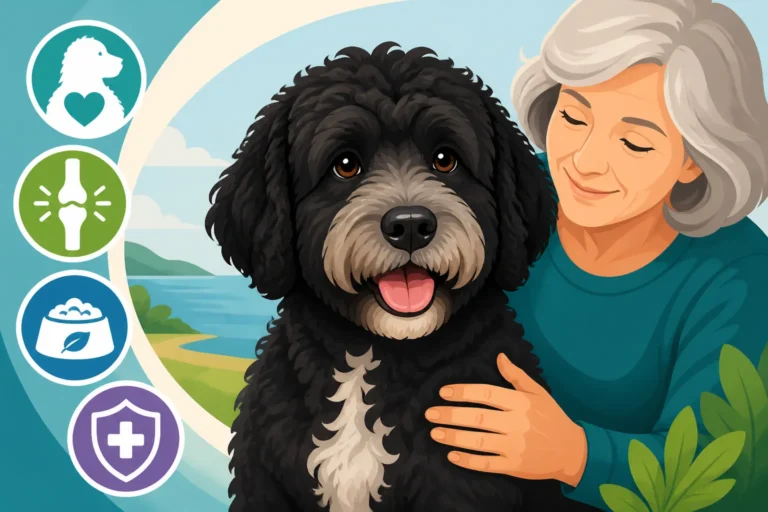
It’s a bittersweet moment when you start noticing the first subtle changes in your beloved Portuguese Water Dog’s coat, those tell-tale signs that your energetic, water-loving companion is entering their golden years. This guide will walk you through what to expect from your aging PWD's coat, from the charming salt-and-pepper muzzle to shifts in texture and density, so you can understand these natural progressions and know when a change might signal something more.
The Inevitable Signs of Time: Graying and Fading
Just like humans, our PWDs don't escape the march of time, and one of the most visible indicators is the graying of their once vibrant coats. It's a natural, universal sign of aging, but understanding where and how it manifests can help you appreciate this new stage of your dog's life.
The Salt-and-Pepper Effect: Where Graying Begins
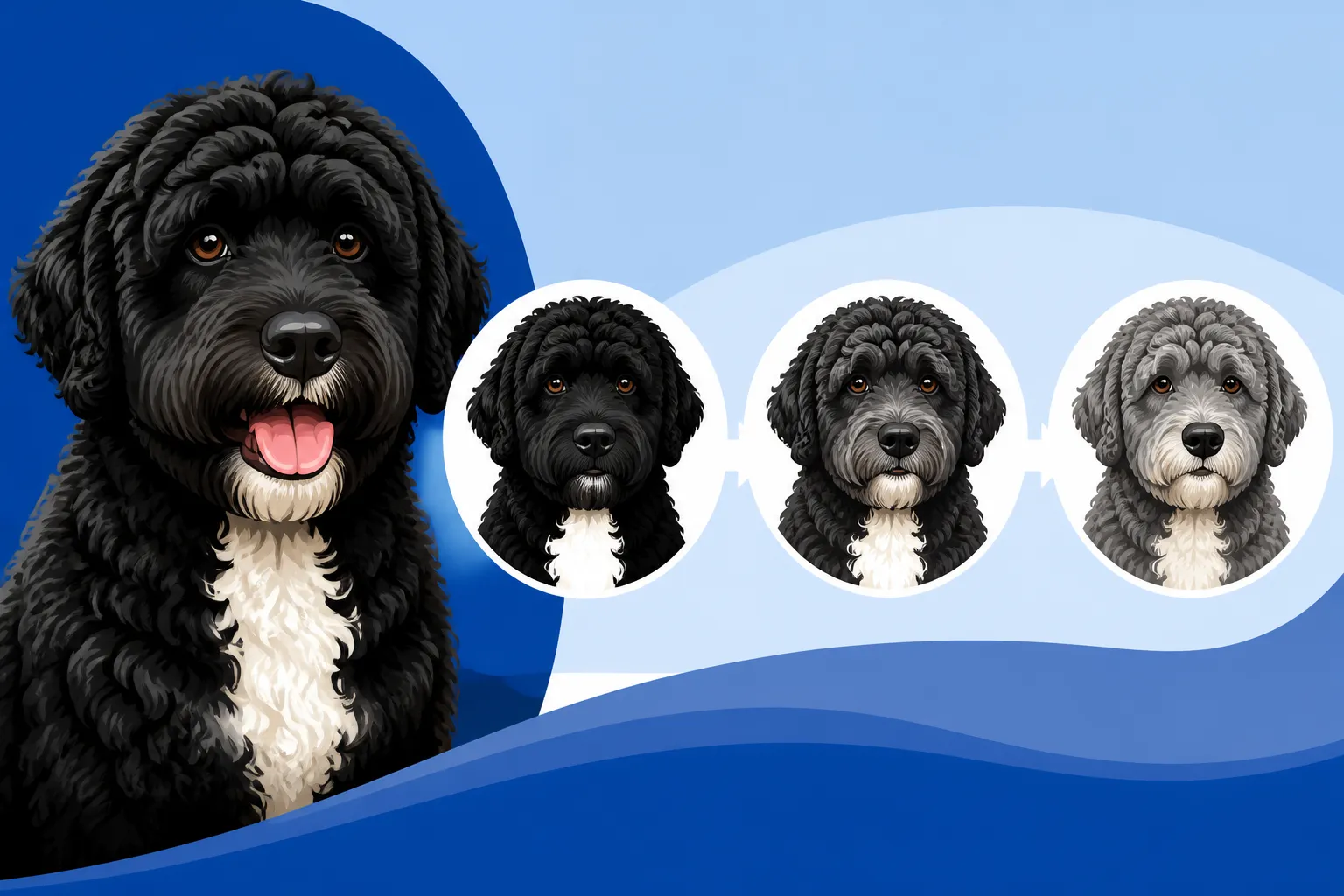
You'll likely first notice those charming streaks of white or silver starting to pepper your PWD's muzzle and around their eyes. What often begins as a few scattered hairs quickly blossoms into a full "salt-and-pepper" or even entirely white mask, giving them a distinguished, wise look. This isn't usually a cause for concern; it's simply melanin production slowing down in the hair follicles, just as it does for us. It’s a natural process, and the rate at which it happens can vary greatly from dog to dog, often influenced by genetics. Some PWDs might start showing gray around their fourth or fifth birthday, while others remain quite dark well into their senior years. The graying can then extend to other areas, sometimes appearing on their paws, down their chest, or even mingling throughout their body coat, though the face is almost always the starting point. It's truly one of the most endearing changes to witness, transforming their youthful exuberance into a look of seasoned wisdom. This shift is a gentle reminder that they've been by your side for many years, sharing countless adventures.
Fading Colors and Sun Exposure
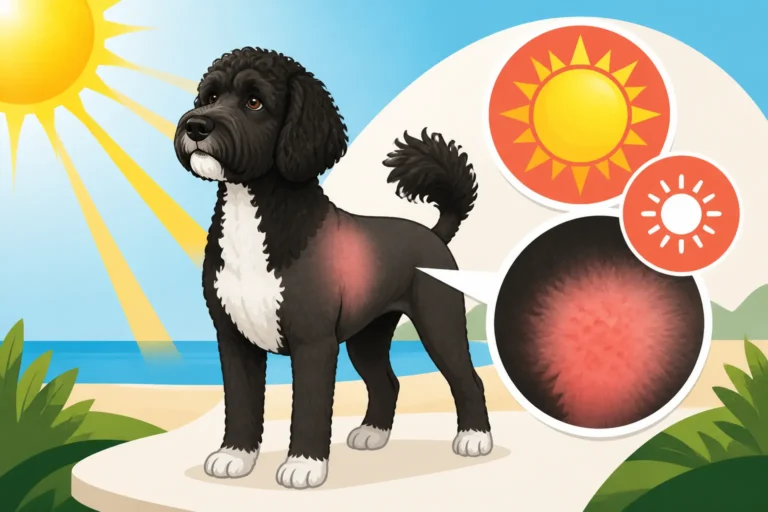
Beyond the distinct graying, you might also observe an overall fading or lightening of your Portuguese Water Dog's coat, especially if they have a black or brown coat. A rich, deep black might soften into a smoky charcoal, and a chocolate brown can mellow into a lighter, almost sun-bleached hue. This fading isn't always tied directly to graying, but rather to a general decrease in pigment intensity over time. For dogs who love spending time outdoors, especially those who enjoy swimming and basking in the sun, this fading can be even more pronounced. UV exposure can naturally lighten hair, and while their dense coat offers some protection, prolonged sun can still have an effect. Think of it like a cherished piece of fabric that's been in the sun for years – the color deepens or lightens in certain areas. It’s important to distinguish this gradual, even fading from patchy discoloration, which could be indicative of a skin issue or a medical condition. A generally faded coat is usually just another benign sign of age, a testament to a life well-lived and enjoyed, perhaps with many happy hours spent by the water. You can explore What an Aging Portuguese Water Dog's Coat Looks Like further to understand these changes.
Changes in Texture and Density
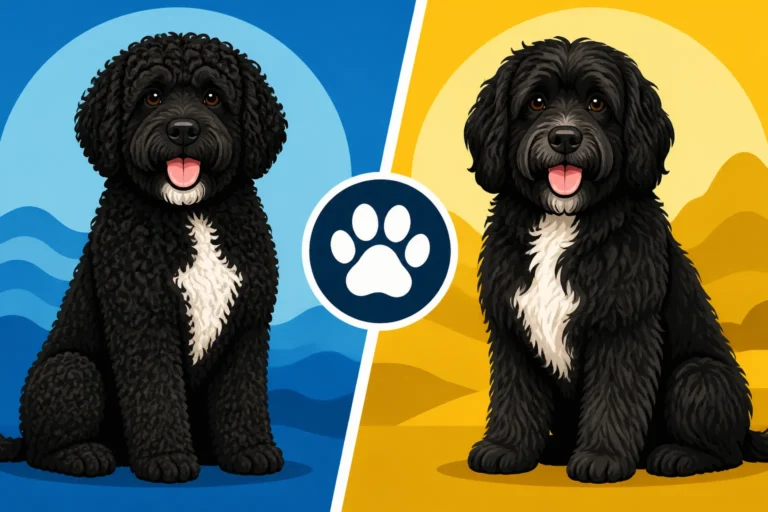
Your Portuguese Water Dog's coat is one of their most defining features – that dense, waterproof single coat, whether curly or wavy. As they age, you might notice subtle yet significant alterations in its texture and density, impacting both its appearance and how you care for it.
Softening and Thinning of the Coat
One of the more common changes in an aging Portuguese Water Dog's coat is a noticeable softening. Where their coat might have once felt robust and almost cord-like, especially if it's curly, it can gradually become finer, softer, and perhaps a bit less resilient. This change in texture often accompanies a thinning of the coat, meaning it might not feel as dense or thick as it did in their younger years. You might start to see their skin more easily when you part their hair, particularly on their flanks, belly, or even along their back. This thinning isn't necessarily alarming; it's part of the aging process as hair follicles become less active. However, significant or sudden patchiness, bald spots, or very excessive thinning could be a red flag. These more drastic changes can sometimes signal underlying health issues like hypothyroidism, hormonal imbalances, or even certain autoimmune diseases. It's always a good idea to run your hands regularly over your PWD's body, feeling for any unusual thin spots or changes in skin texture. Keep an eye on How a Portuguese Water Dog's Coat Hides Weight Loss if you suspect changes in body condition. This tactile check helps you get familiar with their normal feel and quickly spot anything out of the ordinary, ensuring you can bring it to your vet's attention promptly.
Increased Matting Tendencies
Regrettably, one of the more challenging aspects of an aging PWD's coat is an increased propensity for matting. The combination of a softer, finer coat and potentially less rigorous grooming due to your dog's decreased tolerance for long sessions can create a perfect storm for tangles. Older dogs might have less natural oil production, which can make the hair drier and more prone to knotting. Furthermore, if your senior PWD has any joint discomfort, like arthritis, they might move less, lie down more in one spot, or simply not be able to stretch and shake off mats as effectively as a younger, more agile dog. Areas like behind the ears, under the legs, and around the tail are notorious hotspots for matting, often catching loose hair and creating tight, painful knots. Even if your dog has a "retriever clip" or a shorter, more manageable style, you'll likely find yourself needing to brush them more frequently, albeit with gentler strokes. Ignoring these mats can lead to skin irritation, hot spots, and even infections, making your dog uncomfortable and potentially complicating veterinary care. Whether Mats Hurt a Portuguese Water Dog is a good read to understand the severity of this issue. Adapting your grooming routine to shorter, more frequent sessions can be key, perhaps using a softer brush or a wider-toothed comb to gently work through any budding tangles.
Health-Related Coat Changes to Watch For
While many coat changes in an aging Portuguese Water Dog are natural and harmless, others can be subtle indicators of underlying health issues. Being vigilant and knowing what to look for can help you catch potential problems early, ensuring your senior companion receives the care they need.
Dryness, Brittleness, and Skin Issues
As your PWD ages, their skin and coat can become noticeably drier. This might manifest as a lack of luster in their once shiny coat, or you might even see flakiness and dandruff, particularly if you part their hair. The hair itself can become more brittle, breaking easily or feeling coarser to the touch despite the overall softening. This dryness can make their skin more sensitive and prone to irritation, potentially leading to itching, scratching, and even secondary skin infections. While some dryness is a normal part of aging, excessive dryness or the sudden appearance of widespread dandruff could signal a nutritional deficiency, an imbalance in fatty acids, or even an underlying endocrine disorder like hypothyroidism. Hormonal shifts are quite common in older dogs, and they often impact skin and coat health. Sometimes, skin allergies that weren't prominent in their youth can also flare up or worsen with age, leading to hot spots or persistent licking and chewing that further damages the coat. Regular, gentle moisturizing shampoos designed for sensitive skin, followed by a thorough rinse, can help, but if the issue persists, a vet visit is definitely in order to rule out any medical conditions.
Spotting Lumps, Bumps, and Lesions
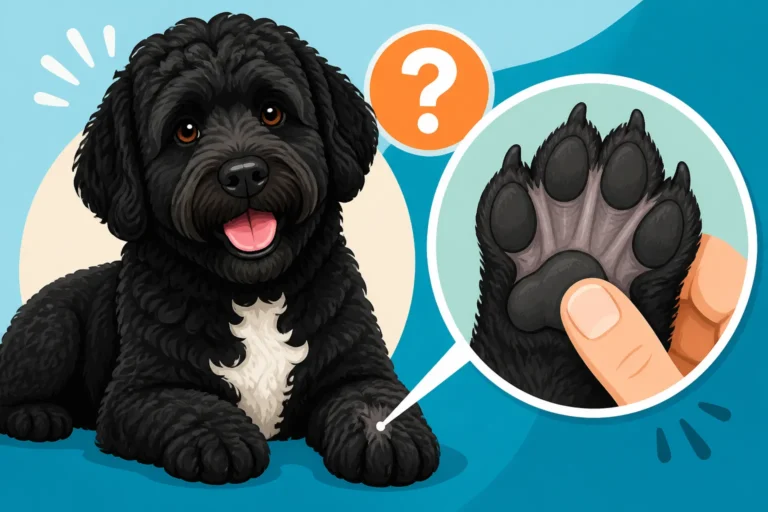
With age, it becomes increasingly common for Portuguese Water Dogs to develop various lumps and bumps on or under their skin. Some of these are completely benign, like fatty tumors (lipomas) that feel soft and movable beneath the skin. Others might be sebaceous cysts, which are often small, firm bumps that can sometimes rupture and ooze. However, it's crucial to remember that not all growths are harmless. Older dogs are more prone to various forms of skin cancer or other more serious growths. This is why incorporating a thorough "lump check" into your regular grooming routine is so vital. As you brush or bathe your PWD, systematically run your hands over every inch of their body – paying close attention to their chest, belly, armpits, groin, and around their joints. Feel for any new masses, changes in existing ones, or areas of thickened or discolored skin. Note the size, location, and texture of anything you find. A good practice is to make a mental or physical map of any existing benign lumps so you can easily identify new ones. Any new growth, or one that changes rapidly in size, shape, or texture, should always be examined by your veterinarian. They might recommend a fine needle aspirate (FNA) or a biopsy to determine its nature. It’s better to be overly cautious than to miss something serious. How to Check a Portuguese Water Dog for Lumps offers excellent guidance on this.
Supporting Your Senior Portuguese Water Dog's Coat Health
As your Portuguese Water Dog gracefully navigates their senior years, their coat care might need a few adjustments. By focusing on tailored nutrition, sensitive grooming practices, and diligent veterinary oversight, you can help maintain their coat's health and comfort, ensuring they continue to look and feel their best.
Nutrition's Role in Coat Vitality
Good nutrition is the bedrock of a healthy coat at any age, but it becomes even more critical for senior Portuguese Water Dogs. As dogs age, their metabolic needs can change, and they might require diets with different nutrient profiles, often lower in calories but still rich in high-quality protein to maintain muscle mass. Look for senior-specific dog foods that are often fortified with omega-3 and omega-6 fatty acids, zinc, and B vitamins – all powerhouses for skin and coat health. Omega fatty acids, found in sources like fish oil, are particularly beneficial, helping to reduce inflammation, combat dryness, and promote a supple skin barrier, which in turn supports a healthy, shiny coat. You can find a wide range of senior-specific foods and supplements, including fish oil, on platforms like Chewy, which makes it easy to compare options and read reviews. Some owners also find that fresh food diets can make a noticeable difference in their senior dog's vitality and coat quality. Brands like Ollie offer personalized meal plans that might be worth exploring, providing human-grade ingredients that can be highly digestible and nutrient-dense for an aging system. Ensuring your PWD stays well-hydrated is also key, as water intake directly impacts skin elasticity and coat moisture. Sometimes, what looks like a coat issue is actually a symptom of an internal nutritional need, so choosing the right food and supplements is a powerful way to support their overall well-being. Feeding an Athletic Portuguese Water Dog provides a good baseline, but remember to adjust for age and activity level.
Adapting Grooming Routines for Comfort
Grooming an aging Portuguese Water Dog requires extra patience and a gentle touch. What was once an energetic wrestle with the clippers might now be a slower, more deliberate process. Your senior PWD might have aches and pains, making standing for long periods or being manipulated into certain positions uncomfortable. Break grooming sessions into shorter, more frequent intervals. Instead of one long, arduous session, try doing a quick brush-out for 10-15 minutes every day or two. When bathing, use lukewarm water and avoid harsh scrubbing. Opt for gentle, moisturizing shampoos, and make sure to rinse thoroughly to prevent skin irritation. Drying can also be a more sensitive affair; if your dog doesn't tolerate a force dryer as well as they used to, consider towel-drying thoroughly and allowing them to air dry in a warm, draft-free room, or use a lower heat setting on a conventional dryer specifically designed for pets. Remember to trim nails more frequently, as older dogs often get less exercise, which means their nails don't wear down as naturally. You can find specialized grooming tools, such as quieter clippers, softer slicker brushes, or anti-slip mats for bath time on Amazon, which can make the experience more comfortable for both of you. Most importantly, make grooming a positive, bonding experience. Offer treats, gentle praise, and plenty of breaks. If your dog is particularly uncomfortable, talk to your groomer about a style that is shorter and easier to maintain, perhaps even Whether an Aging Portuguese Water Dog Should Be Clipped Shorter to reduce the time spent on their coat.
| Area of Coat | Normal Aging Changes | Potential Health Concerns | Grooming Adjustments |
|---|---|---|---|
| Color | Gradual graying on muzzle/around eyes, overall fading | Patchy discoloration, sudden onset of white patches | Regular, gentle brushing to distribute oils. |
| Texture | Softer, finer hair; potentially less dense | Coarse, brittle hair; excessive shedding, bald spots | Softer brushes, shorter grooming sessions. |
| Density | Mild thinning, especially on flanks/belly | Dramatic thinning, symmetrical hair loss, alopecia | Frequent checks for mats, gentle de-matting. |
| Skin | Mild dryness, occasional dandruff | Excessive dryness, redness, rashes, sores, scabs, excessive itching | Moisturizing shampoos, vet-approved skin treatments, supplements. |
| Growths | Benign fatty lumps (lipomas), skin tags | Rapidly growing lumps, discolored lesions, open sores | Regular "lump checks" during grooming, prompt vet evaluation. |
Regular Veterinary Check-ups and Early Detection
Perhaps the most crucial aspect of maintaining your aging Portuguese Water Dog's coat health, and indeed their overall well-being, is regular veterinary care. Your vet is your best partner in distinguishing between normal age-related changes and signs of underlying illness. Senior dogs typically benefit from more frequent check-ups, often every six months, as conditions can progress quickly. During these visits, your vet will perform a thorough physical examination, which includes a close inspection of their skin and coat. They’ll be looking for changes in skin texture, any suspicious lumps or lesions, areas of inflammation, or excessive hair loss. They might also recommend routine senior bloodwork, including thyroid panels, which can detect issues like hypothyroidism – a common culprit behind dull, dry, or thinning coats. How Often a Portuguese Water Dog Needs a Wellness Exam is a valuable resource for understanding the frequency of these checks. Early detection of conditions that impact the coat, such as hormonal imbalances, nutritional deficiencies, or autoimmune diseases, can lead to more effective treatment and a better quality of life for your PWD. Don't hesitate to point out any changes you've noticed, even if they seem minor. You know your dog best, and your observations are invaluable to your vet. Being proactive with their healthcare ensures that any coat changes are addressed holistically, keeping your senior Portuguese Water Dog as comfortable and healthy as possible.
Disclaimer
This article is for general informational purposes only and does not constitute professional advice. Laws, prices and regulations vary by location and change over time. Consult a qualified professional for guidance on your specific situation.