Whether Mats Hurt a Portuguese Water Dog
It’s a heart-sinking moment when you run your hands through your beloved Portuguese Water Dog’s glorious coat and hit a snag – a mat. You pull it apart, often met with a yelp or a quick glance of discomfort from your pup, and you’re left wondering, "Do these mats really hurt my dog, or is it just a bit of an inconvenience?" Let me tell you, as someone who’s been through countless grooming sessions, mats are far more than just a bad hair day for your Portuguese Water Dog; they can cause significant pain and a host of health problems that no loving owner wants their dog to endure. This guide will meticulously break down exactly how and why mats are detrimental to your PWD's well-being.
Understanding What Mats Are and How They Form
Before we dive into the discomfort, let's understand what exactly a mat is and how it becomes such a formidable foe in your Portuguese Water Dog's beautiful, yet demanding, coat. It's not just a knot; it's a tangled, felted mess that can rapidly escalate.
The Anatomy of a Mat
Imagine your PWD's unique single coat. Unlike many breeds with a shedding undercoat, the Portuguese Water Dog's hair just keeps growing and growing. This means any shed hair (and yes, they do shed some, just not in clumps all over your furniture) or loose hairs that haven't been brushed out become trapped within the existing coat. These trapped hairs then intertwine with live hairs, dirt, debris, and even moisture.
What starts as a small tangle – perhaps from a vigorous swim or a roll in the leaves – can quickly compact. As your dog moves, the friction causes these small tangles to tighten, drawing in more surrounding hair and forming a dense, felt-like mass. This mass then pulls on the skin, much like a ponytail that’s too tight, but imagine that feeling all over your body, constantly. It’s a vicious cycle: a small tangle becomes a mat, which then creates more friction and traps more hair, leading to an even larger, tighter mat. It can happen surprisingly fast, especially during seasonal coat changes or if a regular grooming routine is skipped even for a short period.
Common Hotspots for Matting
Certain areas on your Portuguese Water Dog are veritable mat magnets, and it's crucial to know where to look. These are often places that experience a lot of movement, friction, or tend to get wet and stay damp.
One of the most common places for mats to develop is behind the ears. Think about how often a dog shakes its head, scratches, or rubs its ears. This constant motion, combined with the fine hair often found there, creates the perfect storm for tangles. Similarly, the armpits and groin area are high-friction zones. Every step your PWD takes, the skin and coat in these areas rub together, tightening any nascent tangles.
Other notorious spots include under the collar or harness. These accessories, while necessary, create constant friction against the coat, particularly if they’re ill-fitting or left on for extended periods, especially when wet. The tail base, the hocks (ankles), and the "feathers" on the legs can also mat easily. If your Portuguese Water Dog loves the water, which most do, then managing these areas becomes even more critical. Whether a Portuguese Water Dog Mats After Swimming is a common concern, and indeed, constant moisture without proper drying and brushing can exacerbate matting significantly, as it causes the hair to clump and felt more readily. Even a romp through damp grass can set the stage for a mat if not followed by a quick check.
The Physical Discomfort and Health Risks of Matting
Now, let's get down to the brass tacks: mats don't just look unsightly, they actively harm your Portuguese Water Dog. The impact ranges from constant dull pain to severe, life-threatening conditions.
Pulling on the Skin and Pain
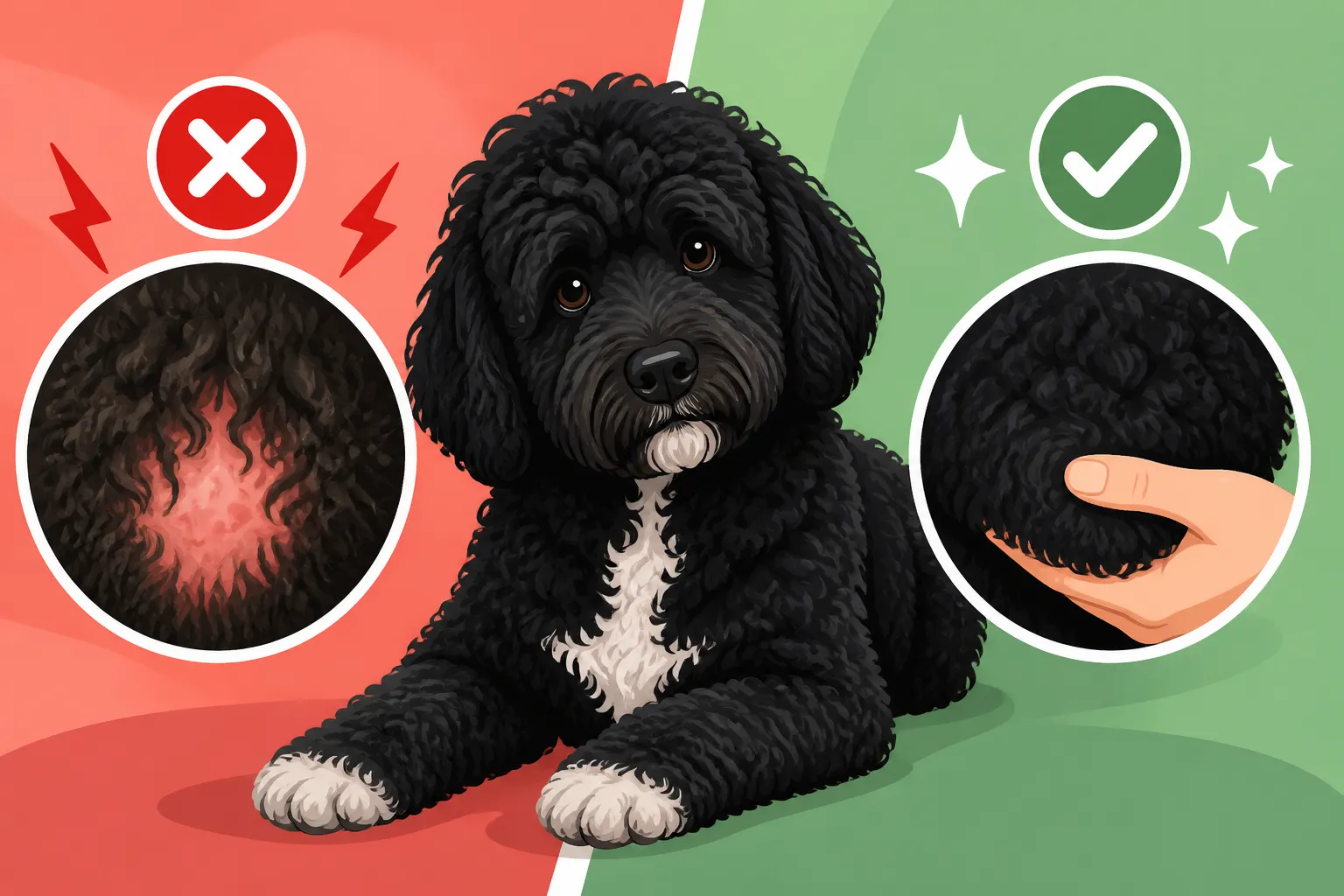
This is perhaps the most immediate and undeniable consequence of matting. Imagine trying to move with your hair tightly tangled and pulled at the roots, every single step causing a tug. That's what your PWD feels. Mats, especially those close to the skin, create a constant, unrelenting pull on the delicate skin underneath. This pressure can be excruciating. When the dog moves, stretches, or even just lies down, the mats don't move with the skin; they pull against it, causing sharp pain.
In severe cases, mats can become so extensive and tight that they restrict the dog's natural movement. A PWD who can't fully extend their legs due to mats in their armpits or behind their knees isn't just uncomfortable; they're experiencing constant agony and their quality of life is severely diminished. This chronic pain can make them irritable, withdrawn, or even aggressive when touched, particularly around the affected areas, which is heartbreaking for an owner.
Skin Irritation, Infections, and Parasites
Beyond the direct pain of pulling, mats create an ideal, dark, moist environment for all sorts of nasty things to thrive. The tight matting restricts air circulation to the skin. This lack of airflow, combined with any trapped moisture (from swimming, rain, or even just humidity) and debris (dirt, dander, oil), creates a perfect breeding ground for bacteria and fungi.
We often see skin irritation, redness, and inflammation under mats. These can quickly escalate into painful skin infections, often referred to as "hot spots." These hot spots are intensely itchy and painful, leading the dog to scratch, chew, or lick, which only makes the infection worse and further mats the surrounding hair. It’s a terrible cycle. Why a Damp Portuguese Water Dog Gets Skin Trouble is a question many PWD owners grapple with, and matting is a major contributor to these issues.
Furthermore, mats offer excellent hiding places for parasites like fleas and ticks. These pests can burrow deep into the felted hair, making them incredibly difficult to detect and remove. A dog riddled with mats could be suffering from a severe flea infestation or carrying multiple disease-transmitting ticks without the owner even knowing, as the mats prevent easy visual inspection.
Impaired Circulation and Muscle Atrophy
In the most extreme cases, mats can actually become so tight that they impede proper blood circulation to areas of the skin. While less common, prolonged, severe matting can lead to localized tissue damage, pressure sores, and even necrosis (tissue death) if blood flow is significantly compromised. This is particularly true for very tight bands of matting around limbs or joints.
Additionally, when mats restrict a dog's natural movement over a long period, it can lead to muscle atrophy. If a dog is constantly avoiding using a limb or moving in a compromised way because of painful mats, those muscles will weaken and diminish in size. For an active breed like the Portuguese Water Dog, whose well-being is tied to its physical prowess and love for activity, this is a particularly cruel consequence. A PWD who used to bound through fields and splash in the water may become reluctant to move, impacting their overall health and happiness. What an Under Exercised Portuguese Water Dog Does can lead to a whole host of other behavioral problems as well, demonstrating the far-reaching impact of physical discomfort.
The Emotional and Behavioral Impact on Your Portuguese Water Dog
The physical pain from mats inevitably spills over into your Portuguese Water Dog’s mental and emotional state. A dog in constant discomfort cannot be a happy, well-adjusted companion.
Stress, Anxiety, and Touch Aversion
Imagine living with chronic pain, always feeling a tug or a pinch. This constant discomfort inevitably leads to stress and anxiety in dogs. Your normally cheerful, outgoing Portuguese Water Dog might become withdrawn, irritable, or even aggressive when approached or touched. They might start to associate human touch, especially grooming, with pain, leading to a strong aversion to being petted or brushed.
This touch aversion can severely damage the bond between you and your dog. Grooming, which should be a positive bonding experience, becomes a battleground, fraught with fear and distrust. It’s heartbreaking to see a dog that used to lean into your hand now flinch away. This stress can also manifest in other ways, such as pacing, panting, destructive behaviors, or even house-soiling, as their underlying anxiety takes a toll.
Reluctance to Move and Play
Portuguese Water Dogs are known for their boundless energy, their desire to work, and their love for play, especially in water. When burdened by painful mats, this vibrant spirit can be extinguished. A dog in pain will naturally try to avoid movements that exacerbate that pain. This means less running, less jumping, and a distinct reluctance to engage in their beloved swimming.
A PWD that suddenly becomes sedentary or loses interest in their favorite activities is a huge red flag. They might lie around more, seem lethargic, or simply observe from the sidelines while other dogs play. This loss of activity isn't just about fun; it’s about their mental and physical stimulation. A PWD needs an outlet for their energy, and when mats prevent them from getting it, they can become bored, frustrated, and deeply unhappy. This further compounds the issues addressed in What an Under Exercised Portuguese Water Dog Does, creating a spiral of declining well-being. Their entire demeanor can change from an enthusiastic partner to a quiet, suffering soul.
Prevention and Management of Mats
The good news is that matting is largely preventable with consistent, diligent care. It requires commitment, but the reward is a happy, comfortable Portuguese Water Dog.
Regular Grooming is Key
This cannot be stressed enough: consistency is paramount. For most Portuguese Water Dogs, daily or every-other-day brushing is absolutely essential to prevent mats from forming. This isn't just a quick once-over; it needs to be thorough. You need to get all the way down to the skin to ensure no tangles are hiding underneath the top layer of curls.
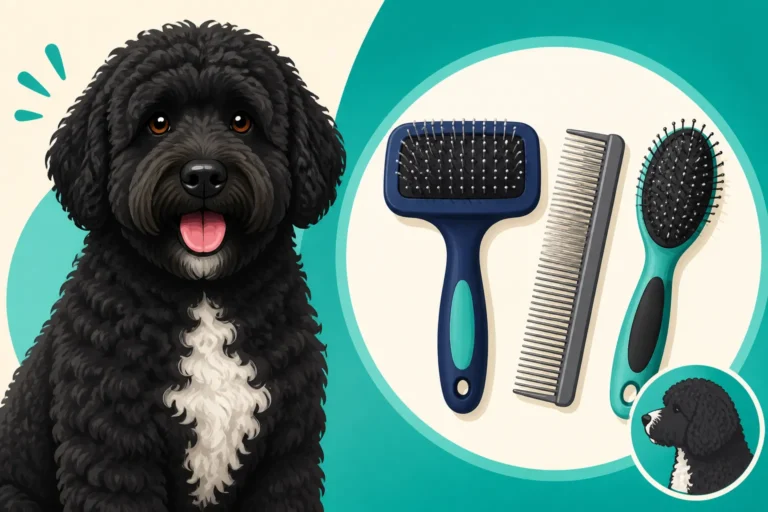
Invest in the right tools. A good quality slicker brush is vital for detangling and removing loose hair. Follow up with a sturdy metal comb, using the "line brushing" technique where you part the hair and brush small sections from the skin outwards. This ensures you catch every tangle. Many owners find a great selection of high-quality brushes and combs available through retailers like Chewy, making it easy to get the right gear. Be particularly mindful of the common matting hotspots we discussed earlier – behind the ears, armpits, and groin. A quick daily check of these areas can prevent a small tangle from turning into a nightmare. How Often a Portuguese Water Dog Needs Brushing is a common question, and truly, for a PWD, more is almost always better.
Professional Grooming and Shaving
While home grooming is crucial, most Portuguese Water Dogs also benefit immensely from professional grooming every 4 to 6 weeks. A skilled groomer has the tools and expertise to perform a thorough clip, manage coat length, and catch any sneaky mats you might have missed. They can also provide a deep bath and force-dry the coat properly, which helps prevent matting.
If your dog unfortunately develops severe matting, especially close to the skin, attempting to cut them out yourself at home is strongly discouraged. You risk severely cutting your dog’s skin, as mats often pull the skin up into the felted hair, making it almost impossible to tell where the mat ends and the skin begins. In these cases, the kindest and safest option is often for a professional groomer or veterinarian to shave the dog down. While a shaved PWD might look a bit different for a while, it’s far better than prolonging their pain. When a Mat Should Be Cut Out of a Portuguese Water Dog is a critical question, and the answer is usually "very carefully by a professional, or shave it off." You might also find specialized detangling sprays or mat breakers on Amazon that can help with minor tangles, but always use them with caution and according to instructions.
Post-Swim Care and Everyday Habits
Since Portuguese Water Dogs are natural water lovers, proper post-swim care is non-negotiable. After every dip, whether in the ocean, a lake, or a pool, your PWD needs to be thoroughly rinsed with fresh water to remove salt, chlorine, or debris. More importantly, they must be completely dried. Drying a Portuguese Water Dog After Every Swim is a whole art form in itself, often requiring a high-velocity force dryer to ensure the dense coat is dry down to the skin. Leaving a PWD damp is an open invitation for mats to form and for skin issues to develop.
Beyond specific grooming, general health plays a role. A healthy coat is less prone to matting. Ensuring your PWD has a balanced diet with good quality protein and healthy fats can contribute to skin and coat health. Many owners opt for fresh food options, and brands like Ollie focus on providing nutrient-dense meals that support overall canine well-being, which indirectly benefits coat quality by promoting healthier hair growth and skin. Regular health checks with your vet also ensure any underlying skin conditions that might contribute to matting are addressed promptly.
Here’s a quick overview of matting severity and what it means for your Portuguese Water Dog:
| Matting Severity | Description | Impact on Dog | Recommended Action |
|---|---|---|---|
| Mild | Small tangles, easily brushed out, not touching skin. | Minimal discomfort, usually just a minor tug. | Increase frequency of daily brushing, focus on hotspots. Use a slicker brush and metal comb diligently. |
| Moderate | Tangles are larger, closer to skin, require some effort to separate. | Noticeable pulling on skin, mild irritation possible. May cause slight hesitation during movement. | Thorough daily line brushing with detangling spray. If persistent, consider an immediate professional grooming session to clear them safely. |
| Severe | Large, dense, felted mats tight against the skin, covering significant areas. | Significant constant pain, skin irritation, potential infections, restricted movement, behavioral changes due to discomfort. | IMMEDIATE professional intervention. A groomer will likely need to shave the dog completely to relieve pain and prevent further complications. Never attempt to cut these out yourself. |
The bottom line is that mats are never just a cosmetic issue for a Portuguese Water Dog. They are a serious welfare concern that can cause immense pain, lead to infections, restrict movement, and deeply affect your dog’s emotional well-being. Diligent, consistent grooming, understanding the vulnerable areas of their unique coat, and knowing when to call in a professional are all vital parts of responsible Portuguese Water Dog ownership. Your efforts will be repaid tenfold in the form of a happy, comfortable, and healthy companion who can enjoy all the activities they were bred for.
Disclaimer
This article is for general informational purposes only and does not constitute professional advice. Laws, prices and regulations vary by location and change over time. Consult a qualified professional for guidance on your specific situation.