Bo and Sunny Put the Portuguese Water Dog on the Front Page
Before Bo and Sunny graced the White House lawn, the Portuguese Water Dog was a relatively obscure breed, known mostly to a dedicated community of enthusiasts and those in the dog show world. Many people suddenly found themselves captivated by these charming, curly-coated dogs, but understood very little about what makes them tick. This comprehensive guide will explore the fascinating journey of the Portuguese Water Dog from its ancient working roots to becoming a household name, thanks to two very special pups.
Before the White House: A Breed on the Brink
It’s easy to think of the Portuguese Water Dog as a recent phenomenon, a breed that sprung into the public consciousness overnight. But the truth is, this is an ancient and resilient breed with a rich history that stretches back centuries, long before any presidential paws ever touched the Oval Office carpets. Their story is one of hard work, partnership, and a brush with oblivion that makes their modern-day celebrity even more poignant.
The Working Origins of the Portuguese Water Dog
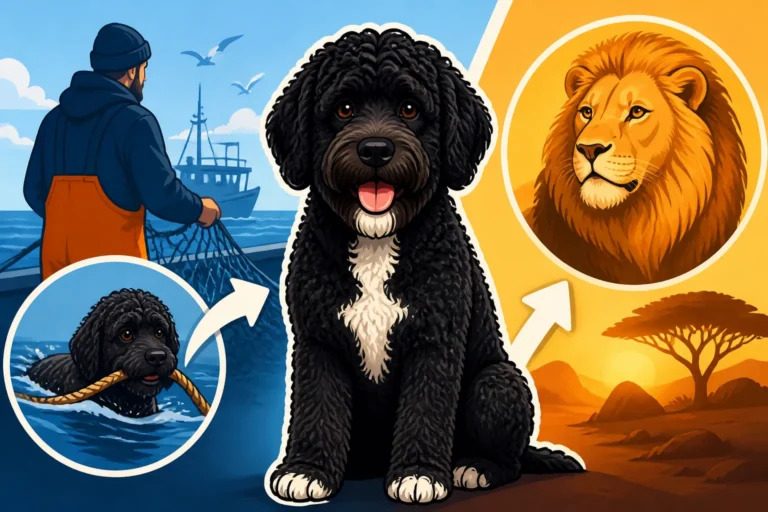
Imagine the rugged coastlines of Portugal, with fishermen battling the Atlantic's unpredictable whims. This is where the Portuguese Water Dog, or "Cão de Água Português" as they are known in their homeland, truly earned their stripes. They weren't just pets; they were integral members of the fishing crew. These dogs were bred for endurance and a remarkable affinity for water, serving as invaluable partners to their human companions. Their jobs were varied and vital. They would herd fish into nets, a task requiring incredible intelligence and agility. Picture a dog diving and swimming alongside a boat, driving shoals of fish closer to the waiting nets – a truly remarkable sight.
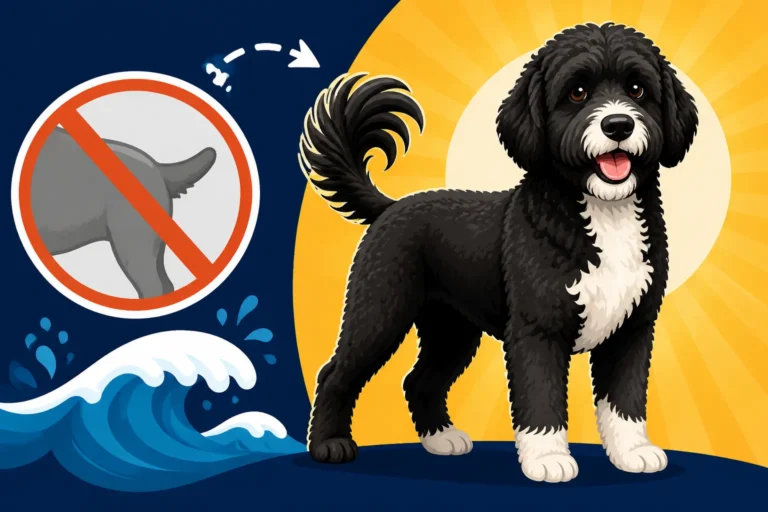
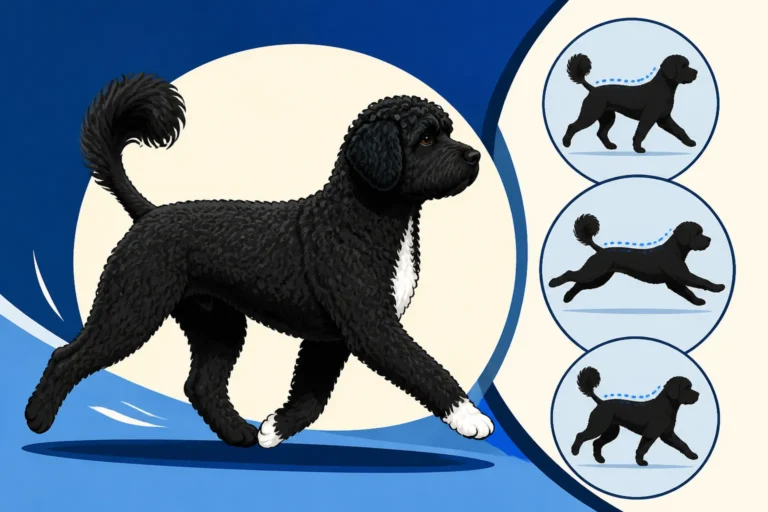
They were also adept at retrieving lost tackle and broken nets that had fallen overboard, often diving bravely into the chilly depths to bring back valuable equipment. Communication between boats was another of their duties. Sometimes, a PWD would carry messages or even retrieve items from one vessel to another, swimming effortlessly through the waves. Their powerful, rudder-like tails, designed for propulsion and steering in the water, and their fully webbed feet, were not mere cosmetic features; they were essential tools for their demanding aquatic work. These dogs lived and worked side-by-side with the fishermen, often sleeping on the boats, forming an unbreakable bond forged by the shared challenges of the sea. Their intelligence was legendary, allowing them to understand complex commands and even anticipate their master's needs. If you're interested in the specifics, The Portuguese Water Dog Worked the Algarve Fishing Fleet delves deeper into these incredible historical roles.
Near Extinction and Resurgence Efforts
As technology advanced, particularly with the advent of motorized fishing boats in the early 20th century, the traditional roles of the Portuguese Water Dog began to diminish. The need for a canine deckhand to herd fish or retrieve nets lessened significantly, and with that, the breed's numbers dwindled. By the 1930s, the breed was teetering on the brink of extinction. It was a heart-wrenching time, as a breed that had served humanity so faithfully for centuries faced the very real threat of disappearing forever.
Thankfully, a handful of dedicated individuals recognized the historical significance and unique qualities of these dogs. Dr. Vasco Bensaude, a wealthy Portuguese shipping magnate and dog enthusiast, is widely credited with initiating the first serious efforts to save the breed. He meticulously sought out the remaining dogs, often traveling to remote fishing villages to find purebred specimens. He established his "Algarbiorum" kennel and began a careful breeding program, focusing on preserving the breed's physical characteristics and working aptitude. Without his tireless efforts, it's quite possible the Portuguese Water Dog would be nothing more than a footnote in canine history. Other breeders, both in Portugal and eventually overseas, joined the cause, slowly but surely pulling the breed back from the edge. The story of The Portuguese Water Dog Was Almost Gone by the 1930s is a testament to the dedication of these pioneers.
Slowly Gaining Recognition
Even after its rescue from extinction, the Portuguese Water Dog remained a relatively rare breed for many decades. It wasn't until the 1960s and 70s that they began to gain a foothold in North America. American enthusiasts, captivated by their unique charm, intelligence, and hypoallergenic coats, imported a small number of dogs and started their own breeding programs. These early adopters faced an uphill battle, working hard to establish the breed and gain recognition from major kennel clubs. It was a slow and steady process, built on the passion of a dedicated few.
Eventually, through consistent effort and adherence to breed standards, the American Kennel Club (AKC) recognized the Portuguese Water Dog in the Working Group. This recognition was a significant milestone, opening the doors for the breed to compete in various dog sports and gain broader exposure. However, even with AKC status, they weren't exactly a household name. They were known among dog fanciers, agility competitors, and those specifically seeking a non-shedding, active companion. They had a niche following, but compared to breeds like Labradors or Golden Retrievers, their presence was still quite modest. The journey of When the AKC Recognized the Portuguese Water Dog was a long and dedicated one, reflecting the commitment of those who cherished the breed.
A Paw in the White House: Bo's Arrival
The trajectory of the Portuguese Water Dog changed dramatically in 2009, not because of a new movie or a popular commercial, but because of a promise made by a presidential candidate to his daughters. This promise would lead to the adoption of a certain black, curly-coated puppy that would soon capture the hearts of a nation and thrust his breed into an unprecedented spotlight.
The Search for a First Dog
When President Barack Obama was elected, his daughters, Malia and Sasha, were promised a puppy. This wasn't just any family pet search; it was a highly publicized, scrutinized, and politically resonant quest for a "First Dog." The Obamas faced a unique set of challenges. Most notably, Malia suffered from allergies, which immediately narrowed down the field of suitable breeds. This wasn't just about finding a cute puppy; it was about finding a hypoallergenic dog that wouldn't trigger her allergies, while also being robust enough to handle the constant attention and demanding lifestyle of a White House resident.
The public speculation was rampant. What breed would it be? Would they choose a rescue? The stakes felt incredibly high, not just for the family, but for the breeds being considered. Every breed mentioned in the news saw a small spike in interest. The media breathlessly covered every hint and rumor, understanding that the First Dog would instantly become a beloved national figure.
Why the Portuguese Water Dog Was Chosen
After much deliberation, and with the help of Senator Edward Kennedy, a known Portuguese Water Dog enthusiast, the decision was made: a Portuguese Water Dog would become the new First Dog. This choice was a perfect storm of factors. Firstly, their single coat, which is either curly or wavy, is known for being low-shedding and less likely to trigger allergies compared to breeds with double coats. This was a critical factor for Malia's health. But it wasn't just about the coat. The breed's temperament also played a huge role. Portuguese Water Dogs are intelligent, active, and generally good-natured, making them excellent family companions. They are known for being playful, curious, and devoted to their families, all qualities that would make them ideal pets for two young girls in the national spotlight.
They are also highly trainable, which was important for a dog that would be under constant public scrutiny and need to behave impeccably. Their history as working dogs means they thrive on having a "job" and mental stimulation. The fact that the dog, named Bo, was a gift from the Kennedy family also added a layer of heartwarming bipartisan appeal. The choice truly made sense, blending practicality, temperament, and a touch of political symbolism. The detailed reasons behind this significant decision can be explored in Why the Obamas Chose a Portuguese Water Dog.
Bo's Instant Celebrity Status
From the moment Bo, a black male Portuguese Water Dog, bounded onto the White House lawn, he became an instant global celebrity. He wasn't just a dog; he was "the First Dog." His adorable face, playful antics, and the sheer novelty of a presidential pet captivated the media and the public alike. Photos and videos of Bo playing with the girls, greeting dignitaries, or simply enjoying the White House grounds were everywhere. He was featured on news channels, in magazines, and became a beloved internet sensation. His "official" portrait was even taken!
Children across the country instantly recognized him, and he became a symbol of warmth and companionship in the White House. This wasn't the slow, gradual recognition that the breed had previously experienced. This was an explosion onto the front page, an overnight transformation from niche breed to national darling. Everyone knew Bo. This unprecedented exposure meant that millions of people, who had never even heard of a Portuguese Water Dog before, suddenly knew exactly what one looked like. If you're curious about his initial impact, Who Bo the Portuguese Water Dog Was provides a deeper look into his initial fame.
The "Obama Effect": Impact on the Breed's Popularity
Bo’s arrival in the White House was a game-changer for the Portuguese Water Dog breed. It created what breeders affectionately, or sometimes ruefully, refer to as the "Obama Effect." This was a phenomenon that completely reshaped the breed's presence in the public eye, for better and for worse.
Surging Demand and Breeder Challenges
The most immediate and obvious impact of Bo’s fame was an astronomical surge in demand. Suddenly, everyone wanted a Portuguese Water Dog. Calls, emails, and applications flooded the inboxes of reputable breeders across the country. People who had never considered the breed before were now adding their names to already lengthy waitlists. The desire for a "Bo dog" became a nationwide trend, almost overnight. This unprecedented demand created immense pressure on ethical breeders, who strive to maintain the health and temperament of the breed. They adhere to strict breeding practices, including comprehensive health testing, careful selection of breeding pairs, and ensuring puppies go to suitable homes.
These breeders found their waitlists expanding from months to years. They had to spend countless hours educating potential buyers about the true nature of the breed – their high energy, grooming needs, and intelligence – to ensure that these "impulse" buyers understood the commitment involved. While increased interest could be seen as a positive, it also brought significant challenges in managing expectations and protecting the breed from opportunistic practices. The reality was, as discussed in How Much Portuguese Water Dog Demand Rose After 2009, the demand far outstripped the supply of responsibly bred puppies.
The Rise of Unethical Breeding
Unfortunately, with any sudden surge in popularity for a dog breed, unscrupulous individuals are quick to capitalize on the trend. The "Obama Effect" was no different. Backyard breeders and puppy mills saw an opportunity to make a quick profit. They began breeding Portuguese Water Dogs with little to no regard for health testing, proper socialization, or the breed standard. These operations often cut corners, breeding dogs with known genetic health issues, housing them in poor conditions, and selling puppies at inflated prices to an eager public who simply wanted a "Portuguese Water Dog" without understanding the importance of responsible breeding.
The consequence of this was a rise in puppies with health problems, temperament issues, and poor socialization, leading to heartbreak for many families and a strain on animal rescues. Many of these poorly bred dogs ended up in shelters or rescue organizations because their owners were unprepared for the reality of their needs or the health issues that arose. It became crucial for prospective owners to understand that Why a Cheap Portuguese Water Dog Puppy Signals a warning, and that the initial price of a puppy from a reputable breeder is an investment in a healthy, well-adjusted companion.
Increased Awareness and Education
While the "Obama Effect" certainly had its downsides, it wasn't all negative. The immense public attention also brought a significant increase in awareness about the breed. People became more curious, prompting them to research the Portuguese Water Dog's history, characteristics, and care requirements. Breed clubs and responsible breeders stepped up their educational efforts, creating more resources and engaging with the public to provide accurate information. This meant that while some might have rushed into buying a PWD, many others took the time to truly understand what owning one entailed.
The spotlight also shone brighter on the importance of responsible dog ownership in general. Discussions around hypoallergenic breeds, genetic health testing, and the ethical sourcing of pets became more prevalent. People started asking more questions about a breeder's practices, the health clearances of the parent dogs, and what goes into raising a well-adjusted puppy. In a way, Bo and Sunny didn't just popularize a breed; they contributed to a broader conversation about responsible pet acquisition and the ethics of breeding, which is a valuable long-term legacy.
Sunny Joins the Family: Doubling the Delight
Just a few years after Bo captured the nation's heart, the Obama family decided to add another Portuguese Water Dog to their White House family. This decision not only brought more joy to the presidential household but also further solidified the breed's iconic status.
Expanding the First Family's Canine Crew
In August 2013, the Obamas introduced the world to Sunny, a female Portuguese Water Dog. The announcement was met with widespread excitement, effectively doubling the breed's representation in the most famous residence in the United States. Sunny, with her slightly darker coat and undeniable charm, quickly became a beloved companion to Bo and an extension of the First Family's public image. The decision to get a second PWD wasn't just about adding another pet; it reflected the family's deep affection for the breed and its suitability for their unique lifestyle.
Having two dogs, especially two from the same breed, provided both Bo and Sunny with companionship, a crucial element for active, intelligent dogs like Portuguese Water Dogs. It allowed them to engage in play and social interaction that human family members, despite their best efforts, couldn't always replicate. The arrival of Sunny further highlighted the breed's appealing qualities, suggesting that if one PWD was great, two were even better! The public was thrilled, eager to see how the two dogs would interact and what new antics they would bring to the White House. News outlets were keen to report Whether the Obamas Had Two Portuguese Water Dogs, confirming that the First Family was now a two-PWD household.
Sunny's Personality and Public Role
While Bo was the trailblazer, Sunny quickly carved out her own unique place in the White House and the public's heart. She was described as having a slightly more energetic and playful personality than Bo, bringing a fresh burst of youthful exuberance to the Executive Mansion. Her presence meant more opportunities for public engagement, with both dogs often accompanying the First Family to events, greeting visitors, and participating in holiday festivities.
Sunny quickly developed a reputation for her cheerful disposition and her eagerness to be involved. She was often seen at children's events, delighting young guests with her friendly nature. Her interactions with Bo were also a source of much joy; the two dogs were often photographed playing together, chasing balls, or simply lounging side-by-side. Their combined presence reinforced the image of the Portuguese Water Dog as a friendly, intelligent, and adaptable breed, perfectly suited for a dynamic family environment. Sunny wasn't just Bo's sidekick; she was a star in her own right, contributing significantly to the breed's positive public perception.
Continuing the Breed's High Profile
The addition of Sunny ensured that the Portuguese Water Dog remained firmly in the national spotlight throughout the Obama presidency. Instead of interest potentially waning after Bo's initial novelty, Sunny's arrival reignited public fascination and solidified the breed's place in popular culture. Their combined presence allowed for even more media coverage, more adorable photographs, and more stories that highlighted the breed's best qualities.
Having two such prominent dogs in the White House meant that the conversation about Portuguese Water Dogs continued to thrive. It maintained the breed's high profile, keeping them top-of-mind for anyone considering a new canine companion. It also subtly suggested that these dogs were so wonderful that one simply wasn't enough! The consistent visibility of both Bo and Sunny played a crucial role in cementing the Portuguese Water Dog's status as a well-known and much-loved breed, a far cry from their near-extinction just a few decades prior.
Living with a White House PWD: More Than Just a Pretty Face
While Bo and Sunny undoubtedly brought immense joy and visibility to the Portuguese Water Dog, their high-profile lives might have inadvertently created a perception that these dogs are primarily cuddly, easy-going companions. The reality, as any long-time PWD owner will tell you, is that they are so much more – complex, energetic, and highly intelligent dogs with specific needs that go far beyond their charming looks.
The Breed's True Temperament and Exercise Needs
It's easy to see Bo and Sunny looking regal on the White House lawn and assume they're calm, stately dogs. But beneath that non-shedding coat is a powerhouse of energy and intelligence. Portuguese Water Dogs were bred to work long, strenuous hours alongside fishermen, swimming, diving, and herding in cold waters. That ingrained drive and stamina haven't gone anywhere. They require a significant amount of physical and mental exercise every single day. We're talking more than just a quick stroll around the block. They thrive on activities that challenge both their bodies and their minds.
Think long walks, runs, hikes, and, of course, swimming. If they don't get enough exercise, a PWD can become bored, destructive, and even anxious. They'll find their own "job," which might involve redecorating your couch with their teeth or barking excessively. They are smart, often described as having a mind of their own, and they excel in dog sports like agility, obedience, rally, and, naturally, water trials and dock diving. Understanding What a Portuguese Water Dog Needs Every Day is crucial for any potential owner, as these aren't dogs content to be couch potatoes.
Grooming Demands and Coat Care
One of the biggest draws of the Portuguese Water Dog for many, especially those with allergies, is their famous non-shedding coat. While it's true they don't shed like many other breeds, this doesn't mean their coat is maintenance-free. Far from it! Their single coat, whether curly or wavy, grows continuously and is prone to matting. Without regular and thorough grooming, a PWD's coat can quickly become a tangled, painful mess, leading to skin issues and discomfort.
This breed requires consistent brushing, several times a week, to prevent mats from forming, especially in friction areas like behind the ears, under the legs, and where a harness sits. Beyond daily brushing, they need professional grooming or a full clip at home every 6-8 weeks. This usually involves bathing, drying with a force dryer to prevent skin issues, and clipping. The choice of clip, such as the practical retriever clip or the more distinctive lion clip, greatly impacts the daily grooming routine. For owners tackling this at home, investing in quality grooming tools from places like Chewy, including a good set of clippers, brushes, and a force dryer, is essential. People often underestimate The Clip You Choose Decides a Portuguese Water Dog's Grooming Bill, whether it's for a professional or for the equipment needed for home grooming.
Health Considerations and Responsible Ownership
Just like any purebred dog, Portuguese Water Dogs are predisposed to certain genetic health conditions. While responsible breeders work diligently to minimize these risks through health testing, no breed is entirely free from potential health issues. Some of the concerns commonly seen in the breed include hip and elbow dysplasia, eye diseases like Progressive Retinal Atrophy (PRA), and metabolic conditions such as Addison's Disease. More seriously, some lines can carry genes for Juvenile Dilated Cardiomyopathy (JDCM) or GM1 Gangliosidosis, though DNA testing has significantly reduced their incidence in ethical breeding.
Before bringing a PWD into your home, it's absolutely vital to choose a reputable breeder who performs all recommended health clearances on their breeding stock. They should be transparent and willing to provide documentation for hip and elbow evaluations, eye certifications, and DNA tests for conditions like PRA, JDCM, and GM1. This due diligence is critical for ensuring you bring home the healthiest possible puppy. Ongoing veterinary care, a balanced diet, and regular exercise are also key to their long-term well-being. Knowing What a Portuguese Water Dog Breeder Should Have Tested is the first step in becoming a truly responsible owner.
Here's a quick comparison of public perception versus reality:
| Trait | Public Perception (Post-Bo/Sunny) | Reality for PWD Owners |
|---|---|---|
| Energy Level | Calm, dignified, good for White House life | High energy, requires extensive daily exercise and mental stimulation |
| Grooming | Non-shedding, therefore low maintenance | Non-shedding, but requires frequent brushing and professional clipping to prevent mats |
| Trainability | Obedient, easily managed in public | Highly intelligent, but also independent and can be stubborn; needs consistent, positive training |
| Hypoallergenic | Totally allergy-free | Low-shedding and less likely to trigger allergies, but no dog is 100% hypoallergenic |
| Family Suitability | Perfect for all families, gentle with children | Excellent family dogs for active families who understand their needs; can be mouthy as puppies |
| Health | Healthy, robust breed | Prone to specific genetic conditions; responsible breeding and health testing are crucial |
The Lasting Legacy of Bo and Sunny
Bo and Sunny are no longer residents of the White House, but their impact on the Portuguese Water Dog breed is an undeniable and lasting legacy. They transformed a relatively niche breed into a universally recognized and admired canine ambassador, leaving an indelible mark on both dog culture and presidential history.
Elevating the Breed's Status
Before their time in the White House, the Portuguese Water Dog was known within specific circles – dog show enthusiasts, water sports competitors, and those seeking a unique, active, non-shedding companion. Bo and Sunny changed that entirely. They became pop culture icons, bringing the breed to the forefront of national and international consciousness. Their charming personalities, captured in countless photographs and news reports, showcased the breed's intelligence, athleticism, and loving nature to millions who had never heard of a PWD before.
This elevation in status wasn't just about fleeting fame; it was a permanent shift. The Portuguese Water Dog is now a breed that many people recognize by name and appearance. While the initial frenzy of the "Obama Effect" has naturally subsided, the breed maintains a significantly higher profile than it ever did previously. Their story is a powerful example of how a single dog, or in this case, two dogs, can profoundly influence public perception and interest in an entire breed. The long-term implications of the post-2009 rise in demand (How Much Portuguese Water Dog Demand Rose After 2009) are still being observed, but the breed's visibility is undeniably cemented.
Inspiring PWD Ownership (and its Responsibilities)
The allure of owning a dog just like the First Dogs inspired countless individuals and families to consider a Portuguese Water Dog. For many, it was the first time they had ever truly looked at a breed outside of the more common options. This inspiration led to a fresh wave of dedicated owners who fell in love with the breed's unique blend of energy, intelligence, and affectionate nature. These owners, having seen the breed's potential, often delve into canine sports, water work, and responsible ownership practices, ensuring their PWDs lead fulfilling lives.
However, as we discussed, this inspiration also came with the responsibility of education. Reputable breeders and breed clubs worked tirelessly to inform potential owners about the demanding realities of living with a PWD. They emphasize the need for significant exercise, consistent training, and diligent grooming. Prospective owners are encouraged to do their homework, visit breeders, and prepare themselves for the commitment these intelligent and active dogs require. Whether it's sourcing appropriate food for their active lifestyle or finding durable toys, resources like Chewy became invaluable for new PWD owners navigating their needs. The legacy is not just about owning a PWD, but about understanding and embracing the commitment to their well-being.
A Symbol of Canine Companionship
Beyond their impact on the breed itself, Bo and Sunny transcended their roles as presidential pets to become symbols of the universal joy and companionship that dogs bring to our lives. They humanized the presidency, offering a glimpse into the personal life of the First Family and reminding everyone that even in the highest office, the simple presence of a loving pet can bring comfort, laughter, and a sense of normalcy.
They were seen as members of the family, sharing in the quiet moments and the public spotlight. Their playful interactions, their unwavering loyalty, and their role as comforters showcased the profound bond between humans and dogs. Bo and Sunny became beloved figures, not just for their breed, but for what they represented: the unconditional love and unwavering spirit of our canine companions. Their time in the White House ensured that the Portuguese Water Dog will forever be associated with a period of hope, charm, and the enduring power of a wagging tail.
Disclaimer
This article is for general informational purposes only and does not constitute professional advice. Laws, prices and regulations vary by location and change over time. Consult a qualified professional for guidance on your specific situation.