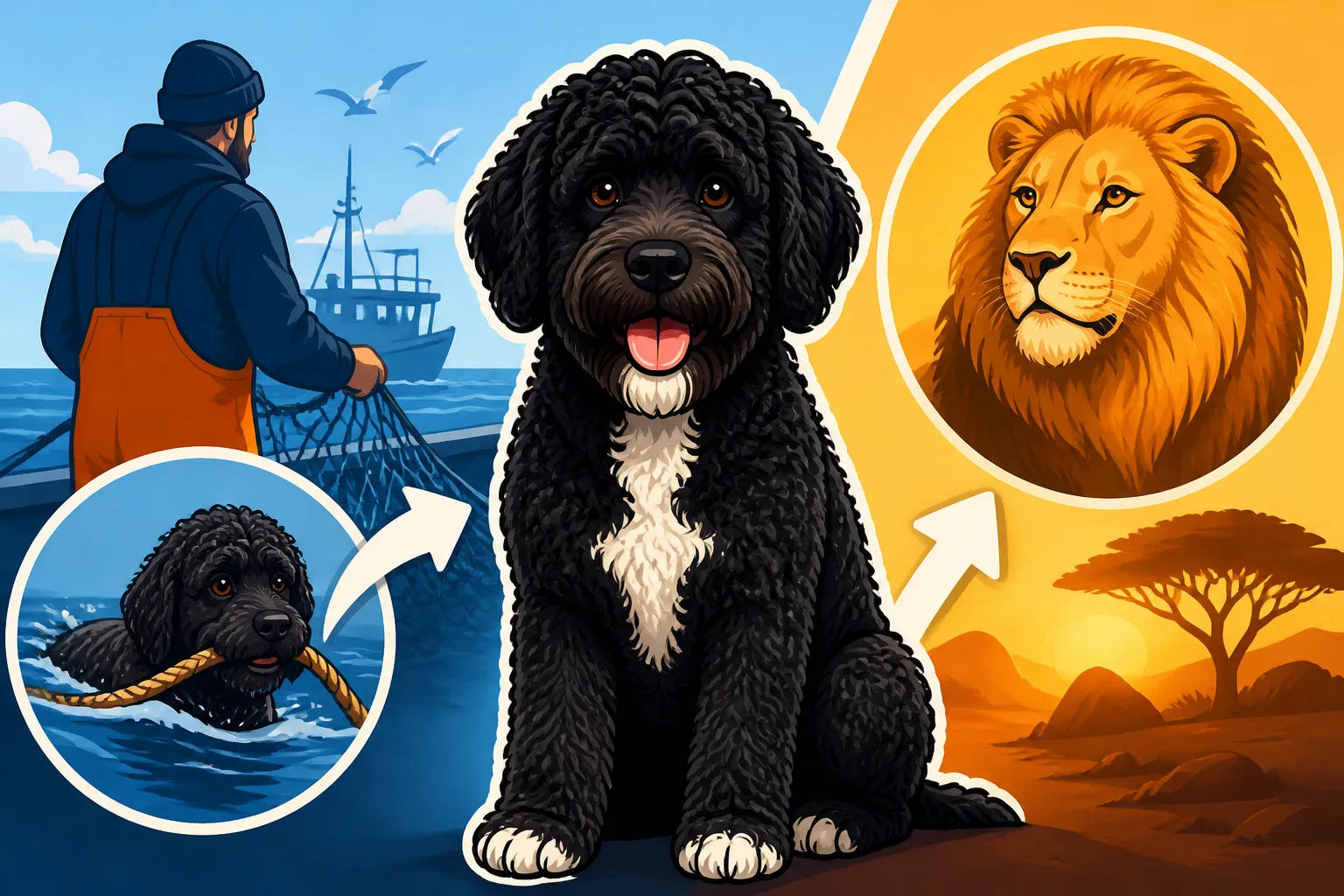
Whether Fishermen Bred the Lion Clip for Work
When you see a Portuguese Water Dog in that iconic "lion clip," with its flowing mane and bare hindquarters, it's easy to wonder if this striking style was purely for show, or if it had a real, practical purpose for the hardworking fishermen who relied on these amazing dogs. It’s a common misconception that such a distinctive look must be a modern invention for the show ring, but the truth is rooted deeply in the breed's history as a dedicated aquatic worker. This guide will take you on a journey to explore the origins of the lion clip and shed light on why fishermen found it so beneficial for their four-legged crew members.
The Life of a Portuguese Water Dog on the Algarve Coast
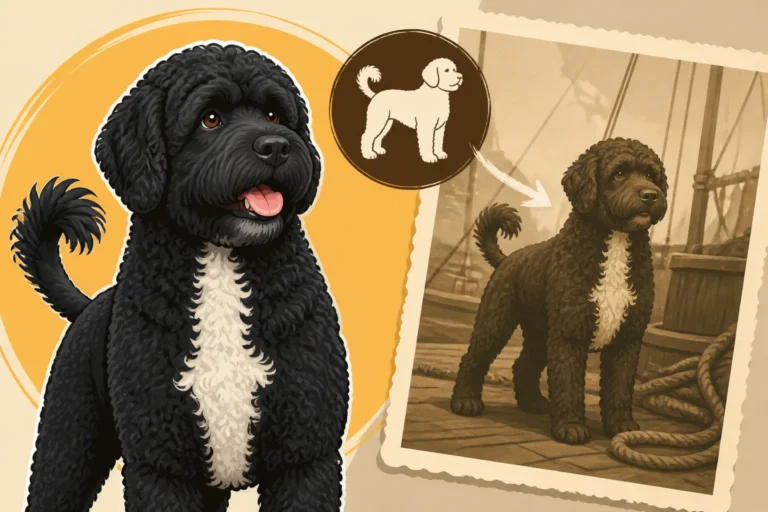
To understand the lion clip, we first have to picture the Portuguese Water Dog in its original element: working tirelessly alongside fishermen on the rugged coast of Portugal, particularly in the Algarve region. These weren't pampered pets; they were essential members of the crew, bred for an incredible array of tasks that demanded both intelligence and physical prowess. The fishermen weren't looking for a pretty face; they needed a dog that could get the job done, day in and day out, regardless of the weather or water conditions.
Imagine a scene decades, even centuries, ago: small fishing boats bobbing on the Atlantic, nets being cast and hauled, and the constant threat of lost gear or escaping fish. That's where the Portuguese Water Dog truly shone. They were used to How a Portuguese Water Dog Worked a Net, driving fish into the nets, and even carrying messages or light equipment between boats. Their agility in water was unmatched, and their loyalty to their human companions was unwavering. This intense, cold-water work required a unique type of canine athlete, and every aspect of their care, including their grooming, was tailored to maximize their efficiency and well-being in this demanding environment. You can really get a sense of their heritage by exploring The Portuguese Water Dog Worked the Algarve Fishing Fleet.
The Anatomy and Purpose of the Traditional Lion Clip
The lion clip isn't just a whimsical haircut; it's a carefully considered grooming style designed with specific functions in mind for a dog that spent hours in and out of cold water. It's often misunderstood today, seen mostly as a show standard, but its roots are purely utilitarian. The clip involves shaving the hindquarters, muzzle, and part of the tail, while leaving the front half of the body and a plume on the tail in full coat. This unique distribution of fur was far from arbitrary.
Insulation for Vital Organs
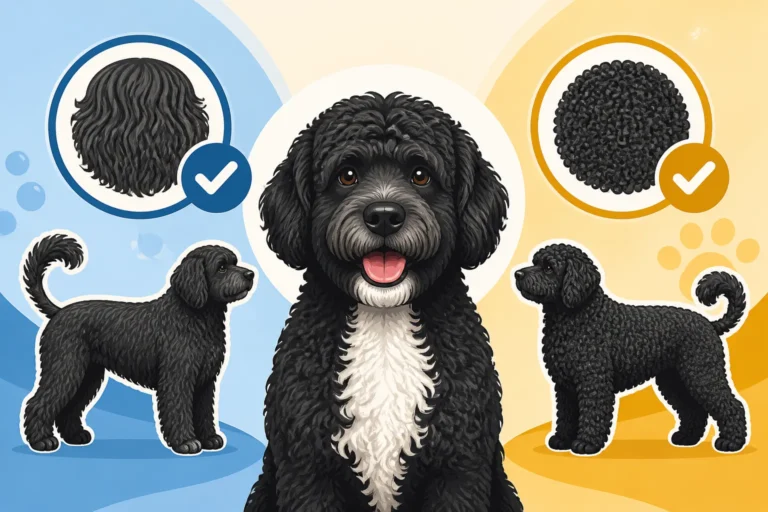
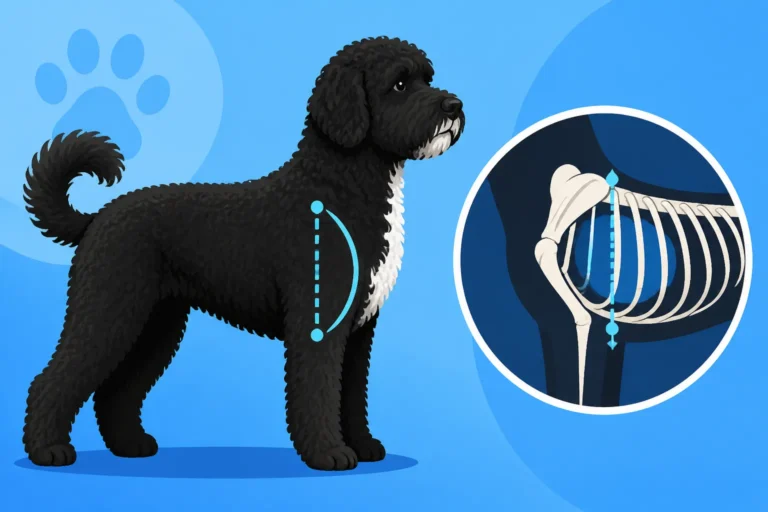
One of the primary theories behind the lion clip is directly related to the frigid Atlantic waters these dogs navigated. The longer, dense coat left on the chest, ribcage, and forequarters provided crucial insulation for the dog's vital organs, including the heart and lungs. When a dog is repeatedly plunging into cold water, maintaining core body temperature is paramount to prevent hypothermia and ensure stamina. The thick, non-shedding, waterproof coat of the Portuguese Water Dog, whether curly or wavy, would form a protective barrier against the biting cold, trapping a layer of warm air close to the skin. This allowed them to stay in the water longer and perform their duties without succumbing to the chill. Without this protection, a working dog's effectiveness and even its life would be at risk during long days at sea.
Unrestricted Movement and Hydrodynamics
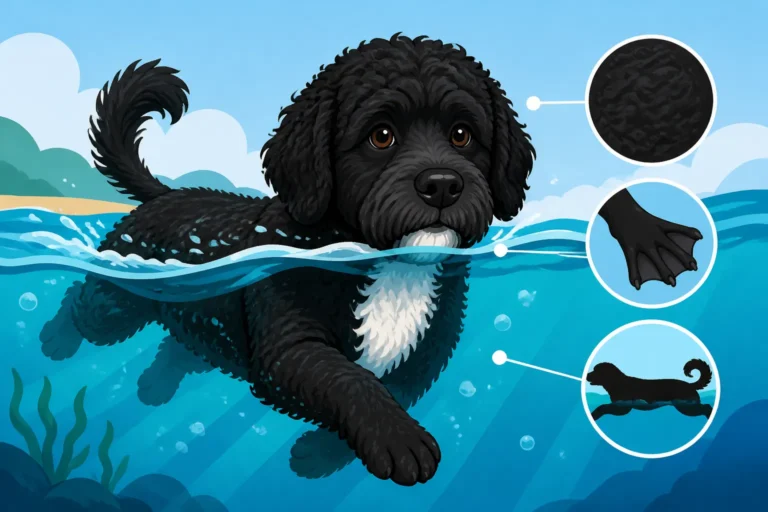
While the front provided warmth, the shaved hindquarters and tail served an equally important function: promoting hydrodynamic efficiency and ease of movement in the water. Picture a dog trying to swim with a full, heavy, water-logged coat on its hind legs. It would be cumbersome, create drag, and quickly exhaust the dog. By removing the fur from the back half, fishermen ensured their dogs could propel themselves through the water with minimal resistance. This was especially important when they needed burst speed to chase fish or retrieve lost items quickly. The shaved hindquarters meant less drag and more powerful, efficient kicks from their strong, muscular legs.
The tail, which was left with a distinctive plume at the end, also played a crucial role. Much like a boat's rudder, a Portuguese Water Dog's strong, thick tail acts as a steering mechanism. The plume at the end was thought to enhance its effectiveness as a rudder, allowing for quick turns and precise maneuvering in the water, whether darting after a fish or navigating around fishing lines. Understanding Why a Portuguese Water Dog's Tail Works as a Rudder helps to illustrate this point, showcasing how every physical attribute, and indeed, every aspect of their grooming, was geared toward their aquatic prowess.
The Practicality of the Lion Clip for Working Dogs
So, was the lion clip truly bred for work? The term "bred" usually refers to genetic traits passed down through generations. The lion clip itself isn't a genetic trait, but rather a grooming practice. However, it was a practice born out of the practical necessities and experiences of the fishermen. It wasn't about aesthetics for them; it was about functionality, and that functionality directly impacted their livelihood. It was a tool, much like a specific type of net or boat, that helped them maximize their catch and protect their canine companions.
Function Over Form in Daily Fishing Life
For a working fisherman, time was money and efficiency was key. They didn't have luxury grooming salons; they needed a quick, effective way to groom their dogs that contributed to their work. The lion clip provided this. The dense, water-resistant coat, while a blessing for insulation, could easily become matted and heavy when constantly wet, particularly in areas of high friction or where debris could snag. Clipping the hindquarters reduced matting, made drying faster, and allowed for easier inspection and removal of any foreign objects that might get tangled in the fur during their retrieves.
Consider the sheer effort involved in maintaining a full, shaggy coat on a dog that is frequently in and out of salty or murky water. It would be a nightmare for hygiene and comfort. The clipped areas dried more quickly, reducing the risk of skin infections or discomfort for the dog. This pragmatism is a hallmark of working breeds; every feature, every care routine, had to serve a purpose beyond mere appearance. You can definitely see this in Whether the Lion Clip Helped a Working Portuguese Water Dog Swim.
The Role of Tradition and Knowledge Transfer
The knowledge of the lion clip's benefits wasn't written down in formal manuals; it was passed down through generations of fishermen. They understood their dogs, their environment, and the most effective ways to ensure their dogs could perform their duties. This practical wisdom evolved over time, solidifying the lion clip as the traditional grooming standard for working Portuguese Water Dogs. It was a testament to observed effectiveness, not a fleeting fashion trend.
While specific pricing for grooming tools isn't something I can provide, a company like Chewy offers a wide range of grooming supplies that would have been invaluable for these fishermen – even if the tools themselves were simpler back then. Clippers, brushes, and combs suitable for a sturdy working coat, like those found on Chewy, would have been essential for any owner, past or present, looking to maintain this distinctive clip effectively. Even today, if you're attempting this style at home, choosing the right Which Clippers Handle a Portuguese Water Dog's Coat can make all the difference.
| Aspect | Historical Working Purpose | Modern Show/Pet Application |
|---|---|---|
| Primary Goal | Maximize aquatic efficiency, insulation, hygiene, stamina. | Adherence to breed standard, aesthetic appeal, tradition. |
| Insulation (Front) | Protection for vital organs in cold water. | Maintained for breed aesthetic and some general warmth. |
| Movement (Rear) | Reduce drag, facilitate powerful leg kicks, quick maneuvering. | Highlighting athletic build, traditional look. |
| Tail Plume | Enhance rudder function for steering. | Iconic visual element, part of the breed's signature look. |
| Hygiene | Faster drying, less matting, easier inspection for injuries/debris. | Still offers some reduced matting in hindquarters, easier cleaning. |
| Care Intensity | Practical, frequent maintenance by working owner. | Often requires professional grooming, significant owner effort. |
| Origin | Fisherman's pragmatic solution for working dogs. | Preserved as a historical nod and breed identifier. |
The Lion Clip Today: Tradition and Modern Realities
While the lion clip was unequivocally functional for the working Portuguese Water Dog, its role in modern times has shifted. Today, it is largely maintained as a nod to the breed's heritage and as the recognized standard in the show ring. However, its practicality still holds some relevance for active pet owners, though it comes with its own set of considerations.
The Demands of Maintaining the Lion Clip
Even though the hindquarters are shaved, maintaining the lion clip still requires significant effort, especially for the voluminous coat left on the front half of the dog. This part of the coat needs regular brushing to prevent matting, which can be a real challenge for a breed with such a dense, curly or wavy coat. As an owner, you'll quickly learn that How Long Brushing a Portuguese Water Dog Takes is not insignificant, and it's a commitment you need to be prepared for. Without consistent grooming, the coat can quickly become tangled and uncomfortable for the dog.
For many owners, the retriever clip, which involves a more uniform short cut over the entire body, is often chosen for pet Portuguese Water Dogs simply because it's easier to maintain. However, those who embrace the lion clip do so for its iconic look and the connection it provides to the breed's rich history. You can learn more about the specifics of the traditional clip in What the Lion Clip Leaves and What It Takes. When it comes to grooming supplies, a large online retailer like Chewy can be a treasure trove for everything from robust slicker brushes to detangling sprays, making the task of maintaining even the most elaborate clips a bit more manageable for today's owners.
Health and Comfort in the Modern Context
Even in modern times, there are practical considerations for a Portuguese Water Dog wearing the lion clip. While the long coat offers insulation, the shaved areas can be susceptible to sunburn, especially if the dog spends a lot of time outdoors in sunny climates. Owners might need to apply dog-specific sunscreen to these areas. Conversely, in very cold climates, a lion-clipped dog might feel the chill more on their exposed hindquarters, leading some owners to question Whether a Lion Clipped Portuguese Water Dog Gets Cold. This could mean needing a dog coat for winter walks, which wasn't likely a concern for dogs constantly in and out of the water working on boats.
Despite these modern adjustments, the lion clip remains a powerful visual link to the Portuguese Water Dog's past. It's a reminder of a time when these intelligent, robust dogs were indispensable partners to fishermen, and every aspect of their care, including their distinctive grooming, was a testament to their incredible working ability. It wasn't bred, but certainly chosen and maintained because it made them better at the job they were literally born to do. For anyone with a Portuguese Water Dog, understanding this history deepens the appreciation for their unique companion.
Disclaimer
This article is for general informational purposes only and does not constitute professional advice. Laws, prices and regulations vary by location and change over time. Consult a qualified professional for guidance on your specific situation.