Whether the Tail Tuft Made a Portuguese Water Dog Visible
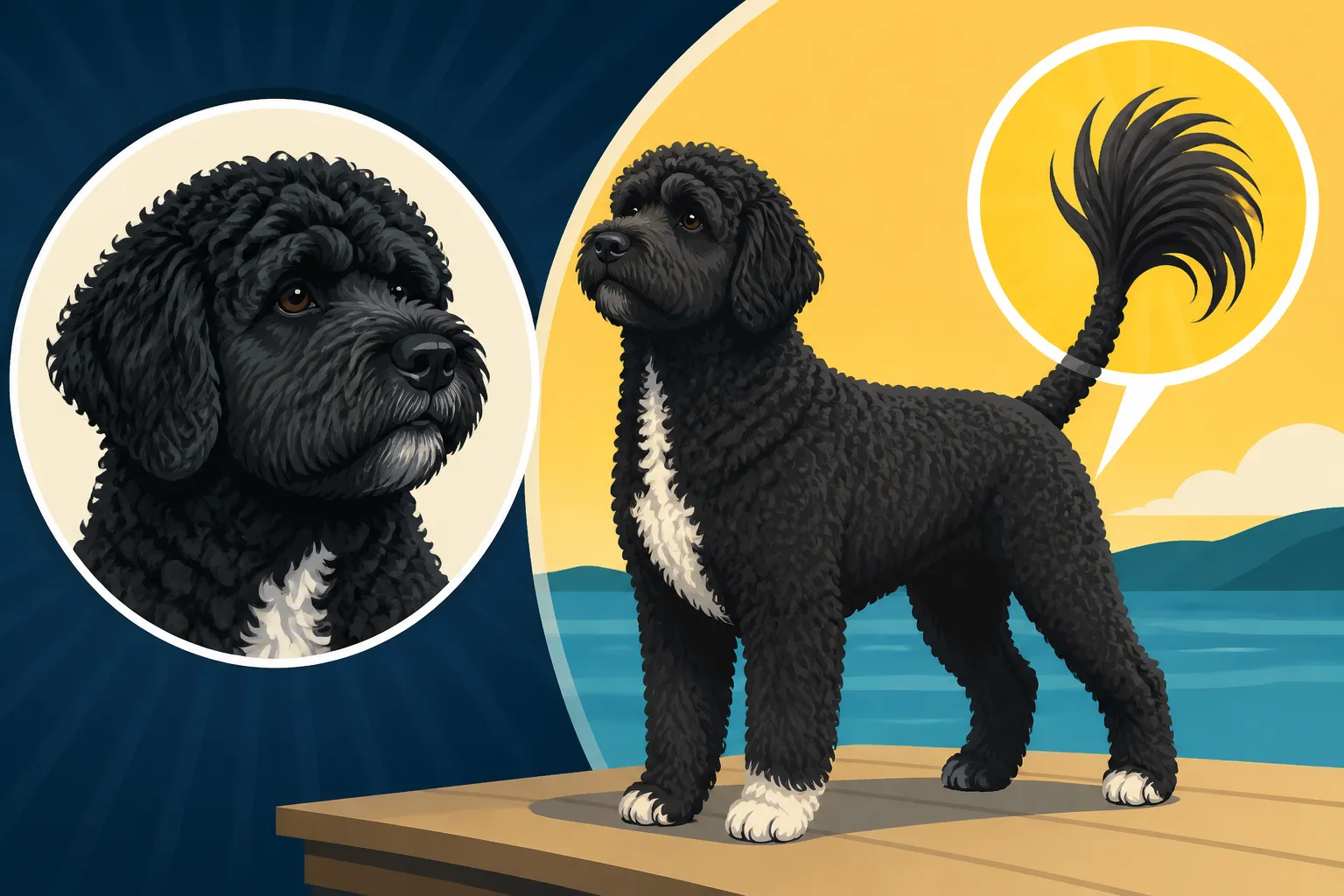
One common question that pops up when you look at a Portuguese Water Dog, especially one in the traditional "Lion Clip," is about that distinctive tail tuft. It’s not just a cute flourish; many wonder if this seemingly simple bit of grooming actually served a crucial, life-saving purpose for these working dogs. This guide will dive deep into the history and practicality of the Portuguese Water Dog's tail tuft, exploring its potential role in making these intrepid canine sailors visible in the often-treacherous waters they once worked.
The Historical Context of the Portuguese Water Dog's Tail
To truly understand the tail tuft, we first need to travel back in time to the rugged coastlines of Portugal, where these remarkable dogs were indispensable members of the fishing fleet. Their lives were far from pampered; they were working animals, integral to the livelihoods of their human companions.
A Working Dog on the High Seas
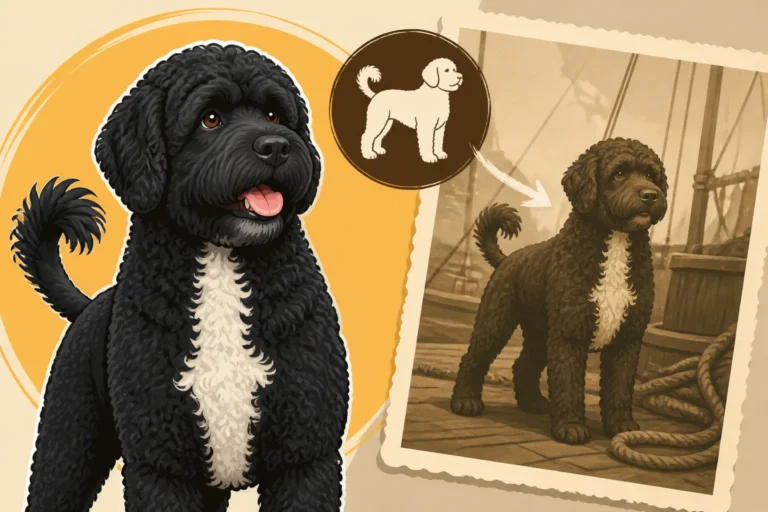
Imagine the scene: a small, wooden fishing boat, battling the Atlantic swells off the coast of Portugal. The air is often thick with sea spray, mist, or the dim light of dawn or dusk. These were the conditions where the Portuguese Water Dog, or Cão de Água Português, earned its keep. Their tasks were varied and demanding, ranging from retrieving lost fishing gear that had gone overboard to acting as aquatic couriers, carrying messages between boats. They even had a reputation for herding fish into nets – a truly incredible feat! In such an unpredictable and often dangerous environment, every advantage counted. A dog disappearing into the waves, even for a moment, could mean a lost animal or a missed opportunity. Their survival, and often the success of the fishing trip, depended on their ability to perform and be seen. How a Portuguese Water Dog Worked a Net gives you a deeper look into their incredible jobs.
The dogs were constantly in and out of the water, performing arduous physical tasks. Their thick, dense, single coats were perfectly designed for insulation against the cold ocean waters, but a wet, dark dog could easily become camouflaged against the dark expanse of the sea, especially when visibility was poor. The fishermen needed to keep track of their canine crew members, not just for safety but also for efficiency. A dog that could be quickly spotted meant less time searching and more time working.
The Traditional Lion Clip
The iconic "Lion Clip" isn't just a fancy show groom; it was a practical cut developed by the fishermen themselves. They weren't concerned with aesthetics as much as function. The front half of the dog's body was left with full coat to protect vital organs from the cold water, while the hindquarters were shorn. This allowed for greater freedom of movement in the water, reducing drag and making them more efficient swimmers. The hair on the tail, however, was often left long, culminating in that distinctive tuft at the end. Why the Portuguese Water Dog Lion Clip Exists explains the logic behind this unique style.
This grooming choice wasn't arbitrary. The full coat on the chest, head, and around the joints offered thermal protection where it was most needed, preventing hypothermia during prolonged exposure to cold ocean temperatures. Meanwhile, shaving the rear lightened the load and reduced water retention, which could weigh the dog down and hinder propulsion. The tail, which acts as a natural rudder in the water, was an extension of this practical thinking. Why a Portuguese Water Dog's Tail Works as a Rudder delves into the biomechanics of their powerful tail. Leaving a tuft at the end of this vital rudder suggests a deliberate decision that went beyond mere style, hinting at a functional benefit that was important enough to maintain.
The Practicality of the Tail Tuft for Visibility
Considering the working conditions and the nature of the Lion Clip, the idea that the tail tuft served a visibility purpose gains significant traction. It's not hard to imagine scenarios where such a feature would be invaluable.
In Murky Waters and Rough Seas
Picture a Portuguese Water Dog diving into the dark, choppy Atlantic. Perhaps it's early morning, before the sun has fully risen, or a storm has brewed, turning the sky a dull gray. The water itself might be murky from sediment or just the sheer depth of the ocean. In these conditions, a dog with a dark, wet coat could blend in almost perfectly with the surroundings, becoming nearly invisible to the human eye. This is where a contrasting tuft of hair on the tail could have made all the difference. While the main body of the dog might be submerged or obscured by waves, the tail, often held high or used vigorously for steering, would be a prime candidate for a visual marker.
A prominent, bushy tuft, especially one allowed to grow to a good length, could catch the light differently than the rest of the wet, flat fur. It might create a ripple on the surface that draws the eye, or simply present a more distinct shape against the water. This wouldn't be about seeing the whole dog clearly, but rather about noticing any part of the dog, confirming its location and ensuring it hasn't drifted too far or become distressed without the crew realizing. The ability to quickly spot your dog among the waves could be critical for retrieval, particularly when a storm was brewing or if the dog was struggling.
Distinguishing from Debris or Marine Life
The open sea is full of visual distractions – pieces of driftwood, seaweed, fishing nets, and various forms of marine life. For a fisherman trying to keep an eye on his valuable canine partner amidst all this, something that makes the dog stand out is a huge benefit. A wet dog, with its sleek, dark silhouette, could easily be mistaken for a floating object or even a seal at a distance, particularly in low light. The tail tuft could have provided a unique and unmistakable identifier.
This tuft, especially if it was lighter in color than the main body (even if only slightly due to sun bleaching or natural variation), or if it simply offered a distinct texture and movement, could instantly signal "dog" rather than "debris." It allowed the fishermen to quickly differentiate their working companion from the myriad other things floating in the water. This quick identification could save precious seconds in an emergency, ensuring that the dog's whereabouts were never in doubt, even in the chaos of a busy fishing operation. It’s a subtle but potentially vital detail for a breed tasked with such important, water-based work.
Modern Interpretations and the Tail Tuft Today
While the Portuguese Water Dog's working days on the fishing boats are largely a thing of the past, the traditions and characteristics that defined them remain. The tail tuft is a perfect example of a feature that has transcended its original purpose to become a beloved and recognizable part of the breed's identity.
Beyond the Working Role
Today, the Portuguese Water Dog is far more likely to be found as a cherished family companion, an agility star, or a dock diving champion rather than herding fish into nets. Yet, the Lion Clip, with its distinctive tail tuft, persists. For many owners and breeders, it's a nod to the breed's rich history and a way to honor their seafaring ancestors. The tuft is no longer primarily about making the dog visible to a fisherman on a boat, but it still evokes the image of a hardy, capable working dog. It's a connection to the breed's heritage, a tangible link to the brave dogs who once patrolled the waters of the Iberian Peninsula. What a Portuguese Water Dog Was Bred to Do on a Boat gives a great overview of their historical tasks.
Many Portuguese Water Dog enthusiasts embrace the Lion Clip for its traditional appeal, even if they never take their dog out on a deep-sea fishing trawler. It’s a celebration of form meeting function, even when the function has evolved. The tuft helps maintain the breed's unique outline and character, setting them apart from other curly-coated breeds. It reminds us that every aspect of this dog, from its webbed feet to its intelligent gaze, was shaped by its demanding past.
Grooming and the Tuft's Maintenance
Maintaining the tail tuft today is primarily for aesthetic and traditional reasons, but it still requires regular care. Just like the rest of their impressive coat, the tail tuft can mat if not brushed regularly. Owners often use a slicker brush and a metal comb to keep the hair free of tangles, ensuring it remains fluffy and well-defined. What the Lion Clip Leaves and What It Takes discusses the specifics of this traditional clip.
For those who compete in conformation shows, the proper presentation of the tail tuft is paramount, adhering strictly to breed standards. Even for pet owners who opt for a simpler "Retriever Clip," they might still choose to keep a smaller, more manageable tuft on the tail as a stylistic choice. Products like detangling sprays and even specific coat conditioners, readily available from retailers like Chewy, can help keep the tuft looking its best and prevent matting. Whether for tradition or simply because it looks charming, the tail tuft remains an iconic part of the Portuguese Water Dog's presentation, requiring diligent grooming to maintain its characteristic flair.
Other Factors in Water Visibility for a Portuguese Water Dog
While the tail tuft likely played a role in historical visibility, it's important to remember it wasn't the only factor, and certainly not the most important one today. Modern owners have many tools at their disposal to keep their beloved PWDs safe and visible around water.
Coat Color and Water Conditions
The Portuguese Water Dog comes in a variety of colors, including black, brown, and various shades of white or parti-color. A dark-colored dog, like a black or dark brown PWD, would naturally have been harder to spot in dark or choppy waters compared to a lighter-colored dog. The contrast that a tail tuft offered would have been more pronounced and therefore more beneficial for these darker coated individuals. In clear, calm waters, visibility might have been less of an issue, but the unpredictable nature of the sea meant that fishermen had to be prepared for all conditions.
However, even a light-colored PWD could become difficult to see in certain situations, such as against a bright, reflective surface of the water on a sunny day, or if swimming far from the boat. The interplay of light, water clarity, and coat color is complex. Historically, the tuft could have offered a consistent point of reference regardless of the primary coat color, providing a small but reliable marker that could be easily picked out against the chaotic backdrop of the ocean.
Modern Safety Measures
In contemporary times, ensuring a Portuguese Water Dog's visibility in and around water goes far beyond a tail tuft. While the tuft remains a charming tribute to their heritage, practical owners today utilize a range of safety gear and practices. Brightly colored life jackets are probably the single most effective way to make a PWD visible in the water. These often come in neon yellows, oranges, or reflective materials, standing out dramatically against any water conditions. Many modern life jackets, which you can easily find on sites like Chewy, also feature handles for easy retrieval and sometimes even reflective strips for low-light visibility. When a Portuguese Water Dog Needs a Life Jacket provides further details.
Beyond physical gear, responsible water dog ownership includes training for strong recall, especially around open water, and always supervising your dog when swimming. Owners might also use waterproof, floating retrieve toys in bright colors to help track their dog's location during play. For those who frequently visit beaches or lakes, having a dedicated water safety kit, including a first aid kit and a towel to dry those wonderful PWD ears (to prevent infections!), is also a smart move. When a Portuguese Water Dog Should Be Rinsed After the Sea is a good read on post-swim care. While the tail tuft is a beautiful legacy, modern technology and awareness provide superior methods for ensuring our beloved water dogs are always safe and seen.
| Feature / Aspect | Historical Working Purpose | Modern Pet Purpose |
|---|---|---|
| Lion Clip Tail Tuft | Potentially for visibility in dark/choppy waters; part of clip. | Aesthetic, traditional, breed standard; requires grooming. |
| Hindquarters Shaved | Reduced drag, increased propulsion, thermal regulation. | Aesthetic, traditional, reduces matting, easier drying. |
| Full Coat (Front) | Thermal protection for vital organs. | Thermal protection, aesthetic, breed standard. |
| Grooming Tools | Basic shears, perhaps knife for rough trimming. | High-quality clippers, slicker brushes, combs, force dryers. |
| Visibility Aids | Tail tuft, bright coat colors (if available). | Bright life jackets, reflective gear, trained recall. |
| Primary Environment | Open ocean, fishing boats, coastal waters. | Home, dog parks, lakes, pools, dog sports venues. |
| Key Concern | Efficiency in work, dog's survival in harsh conditions. | Dog's health, happiness, safety, and breed preservation. |
Disclaimer
This article is for general informational purposes only and does not constitute professional advice. Laws, prices and regulations vary by location and change over time. Consult a qualified professional for guidance on your specific situation.