Why the Lion Clip Left the Hindquarters Bare
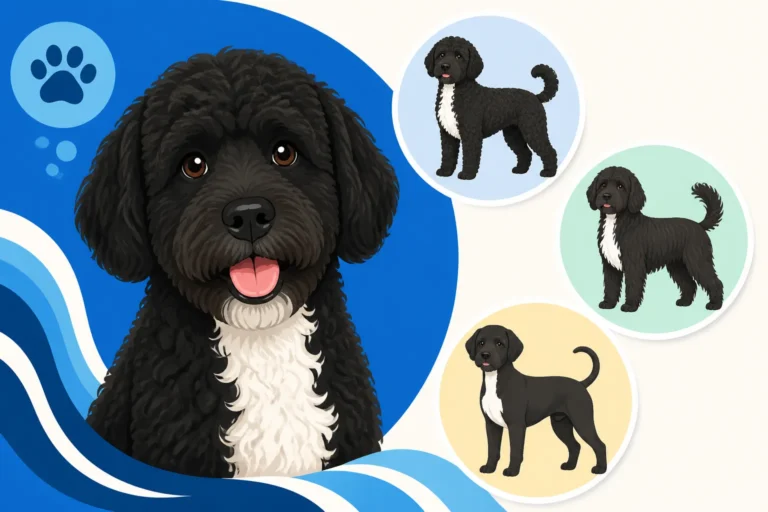
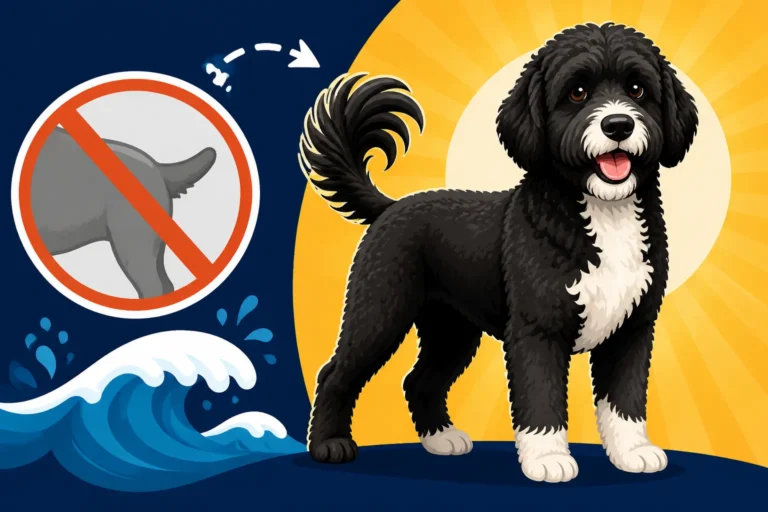
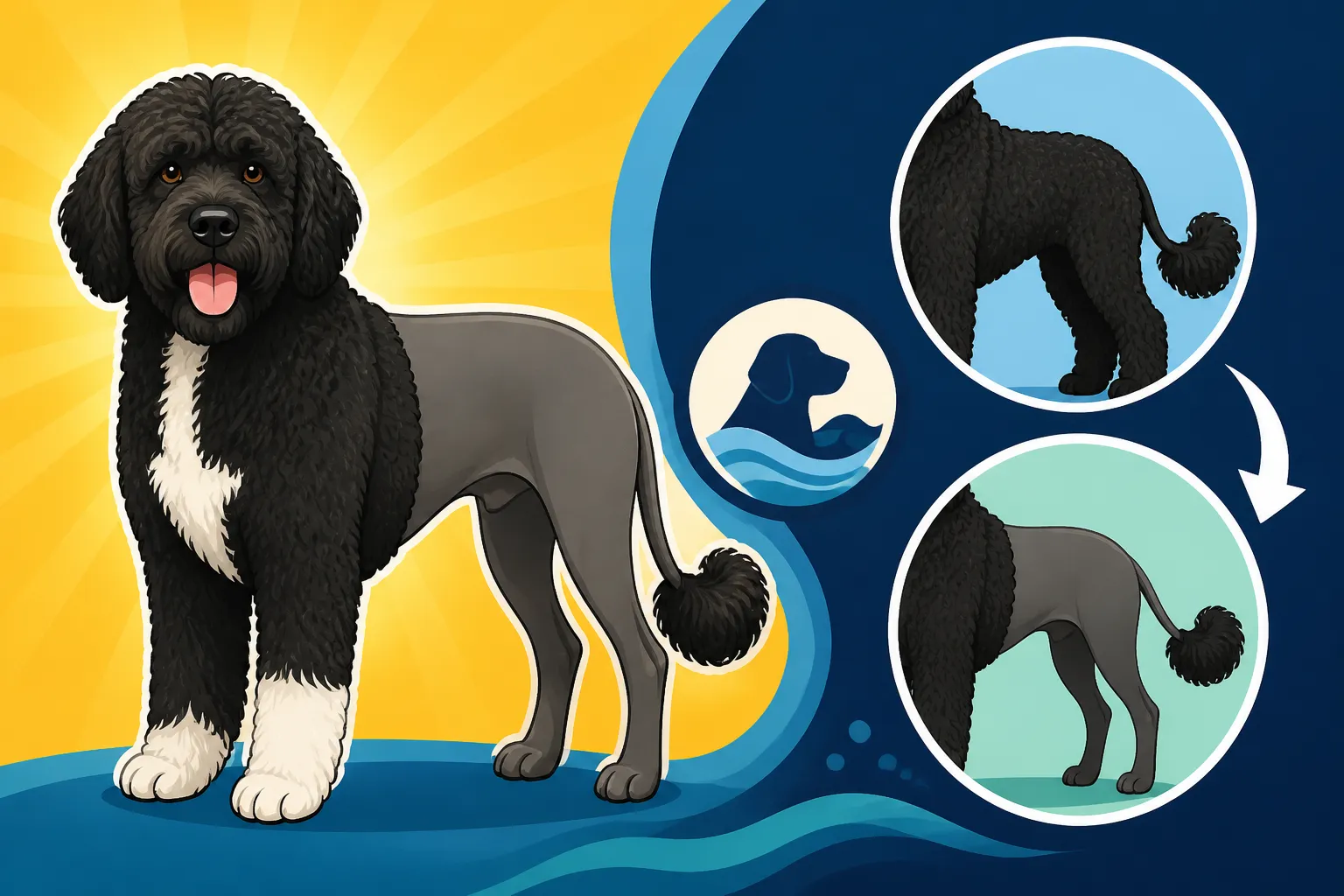
If you've ever seen a Portuguese Water Dog in a traditional "lion clip," you might find yourself scratching your head. It's quite striking, isn't it? That glorious, full mane of coat around the chest and head, the bare hindquarters, and often a jaunty plume on the tail. It’s a look that sparks curiosity, and many wonder why on earth anyone would groom a dog this way, especially leaving the entire back end so sparse. This guide is here to unravel the historical and practical reasons behind the Portuguese Water Dog's distinctive lion clip, particularly focusing on why the hindquarters were traditionally left bare by the fishermen who relied on these amazing dogs.
The Traditional Portuguese Water Dog and Its Seafaring Role
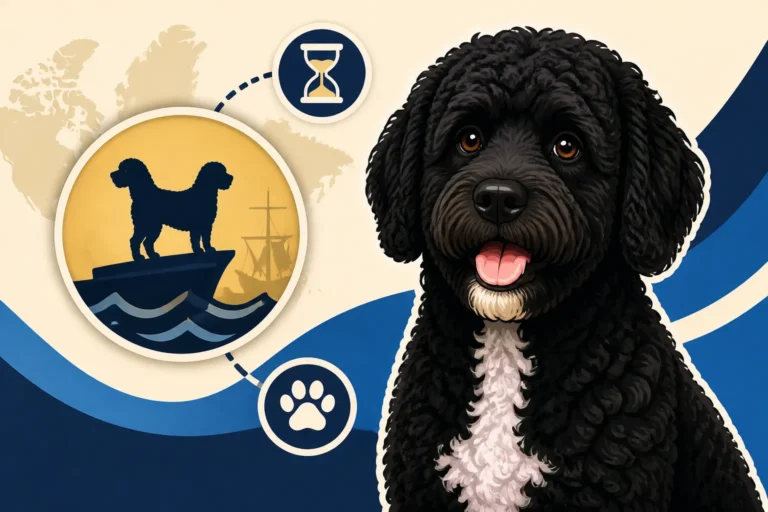
To understand the lion clip, we first have to journey back to the rugged coasts of Portugal, where these dogs weren't just pets but invaluable crew members. The Portuguese Water Dog, or Cão de Água Português, was bred for a life at sea, working tirelessly alongside fishermen. Their very existence was intertwined with the fishing industry, making their physical attributes and grooming practical considerations, not mere aesthetics.
A Dog Built for the Water, Not Just Land
Imagine a dog perfectly adapted for cold ocean waters, with a powerful, muscular body, webbed feet, and a dense, waterproof coat. That's the Portuguese Water Dog. Their unique physical structure, including a broad, deep chest and strong hindquarters, was essential for diving, swimming, and retrieving in often treacherous conditions. They were companions, certainly, but first and foremost, they were workers. This breed wasn't designed for languid strolls on manicured lawns; it was engineered for the relentless demands of the open sea. When you look at their structure, you see generations of purposeful breeding for aquatic efficiency. The Portuguese Water Dog Worked the Algarve Fishing Fleet for centuries, and every aspect of their being, from their keen intelligence to their powerful swim stroke, reflects this heritage.
The Demands of the Fishing Fleet
On board the fishing boats, the Portuguese Water Dog had a myriad of responsibilities. They would herd fish into nets, retrieve lost tackle and broken nets from the water, and even carry messages between boats. This wasn't a job for the faint of heart or the poorly equipped. They needed to be agile, quick, and able to withstand prolonged periods in cold, saltwater. Think about the energy expenditure involved in repeatedly diving into the Atlantic, swimming out to a net, and then hauling themselves back onto a rocking boat, often laden with gear. Each task required maximum efficiency in the water, which meant minimizing drag and maximizing propulsion. This direct functional need was the driving force behind the development of their specific grooming style. How a Portuguese Water Dog Earned Its Place on a Boat is a fascinating story of loyalty and sheer capability.
Unpacking the Original Purpose of the Lion Clip
The lion clip wasn't some whimsical fashion statement made by ancient fishermen. It was a highly practical grooming solution, carefully designed to optimize the dog's performance and health in its working environment. Every shaved patch and every保留されたパッチ had a specific reason, directly related to their life on the fishing boats.
Maximizing Efficiency in Cold Water
The primary reason for shaving the hindquarters was to reduce hydrodynamic drag. When a Portuguese Water Dog is propelling itself through the water, especially when diving or making quick turns to herd fish, excess hair on the rear legs would create significant resistance. By shaving the hindquarters, the dog could move through the water with far less effort, allowing for faster, more efficient swimming. This was crucial for stamina during long fishing days and for quick, precise movements needed to manage nets or retrieve objects. The shaved area allowed their powerful rear legs, which act like propellers, to move unencumbered, cutting through the water with minimal resistance. It wasn't about aesthetics; it was about performance and speed. Whether the Lion Clip Helped a Working Portuguese Water Dog Swim is a question easily answered when you consider the hydrodynamics.
Protecting Vital Organs
While efficiency was key for the hindquarters, warmth was paramount for the torso. The dense, long coat left around the chest, ribs, and shoulders served as vital insulation. These areas protect the dog's crucial organs—the heart and lungs—from the chilling effects of cold ocean water. Imagine spending hours jumping in and out of the sea; without adequate protection, hypothermia would be a constant threat. The thick, insulating "mane" acted like a natural wetsuit, retaining body heat where it was most needed, ensuring the dog could continue its work without succumbing to the cold. It was a balance: streamlined where speed was needed, insulated where warmth was critical. How Long a Portuguese Water Dog Can Stay in Cold Water speaks to their resilience, partly thanks to this thoughtful clip.
Maintaining Buoyancy and Traction
Beyond the chest and hindquarters, the traditional lion clip also left a plumed tail. This wasn't just decorative; the tail, used as a powerful rudder, aided in steering and balance in the water. The plume itself would have offered some buoyancy and made the dog more visible to the fishermen, especially in choppy seas or low light conditions. The full coat on the front half of the body also added a degree of buoyancy, helping the dog stay afloat and conserving energy. Think of it as strategic flotation and directional assistance, all contributing to the dog's overall effectiveness in its aquatic role.
More Than Just a Trim: The Practical Benefits on the Boat
The lion clip offered a range of practical benefits that extended beyond just swimming efficiency and warmth. For the fishermen, every aspect of their dog's care had to be functional and easy to manage in a demanding environment. The clipping style addressed several day-to-day challenges of working with a water dog.
Speed and Agility for Retrieving and Herding
A dog bogged down with heavy, wet hair isn't going to be as quick or agile, especially when climbing in and out of boats or navigating slippery decks. The shaved hindquarters, while primarily for water movement, also made it easier for the dog to maneuver on deck without becoming waterlogged and heavy in its crucial driving limbs. When a dog needed to leap from the boat into the water to retrieve a dropped item or move rapidly along the boat's edge to herd fish, the lighter, less encumbered rear made a significant difference. It ensured that the dog remained a nimble and responsive worker, capable of quick shifts in direction and bursts of speed both in and out of the water. This was particularly important for tasks like driving fish, where split-second timing could mean the difference between a full net and a meager catch. Whether a Portuguese Water Dog Still Retrieves is part of their inherent design, enhanced by this clip.
Preventing Hypothermia and Providing Warmth
We’ve touched on how the thick coat on the torso protected vital organs, but let's consider the broader picture of managing a working dog's body temperature. The stark contrast between the fully coated front and the bare hindquarters meant a thoughtful compromise. The parts of the dog that would be most exposed to the chilling currents when actively swimming—the propulsive hindquarters—were streamlined. But the main body, which houses critical life-sustaining organs and where core body temperature is maintained, was heavily insulated. This strategic thermoregulation allowed the dogs to perform their duties for extended periods without succumbing to the cold, ensuring their health and availability for work. Without this careful balance, the dogs would likely have been much less effective, or even unable to work in the colder months or waters. Whether a Lion Clipped Portuguese Water Dog Gets Cold depends heavily on how much time they spend out of the water in cool conditions.
Post-Swim Drying and Hygiene
Another significant benefit of the lion clip was practical hygiene and coat maintenance. A Portuguese Water Dog's coat, whether curly or wavy, is incredibly dense and can hold a lot of water. If left long and wet, especially in the hindquarters and groin, it can lead to skin irritation, matting, and even fungal infections in a damp, confined environment like a fishing boat. By shaving these areas, drying time was drastically reduced. The exposed skin on the hindquarters would dry much faster, minimizing the risk of skin issues and making overall care simpler for the fishermen who had limited resources and time for extensive grooming. This also meant less wet dog smell permeating the small confines of the boat! You can find specialized force dryers and high-quality towels on sites like Chewy that make post-swim care much easier for modern pet owners, but the basic need for efficient drying remains.
Here's a quick look at the contrasting functions of the lion clip's design:
| Body Part | Traditional Lion Clip State | Primary Function for Working Dog |
|---|---|---|
| Hindquarters | Shaved | Reduce drag, enhance swim speed |
| Chest/Ribs | Full Coat | Insulate vital organs, retain heat |
| Tail | Plume | Rudder for steering, visibility |
| Paws/Webbing | Full (though often trimmed for neatness) | Traction, propulsion in water |
| Head | Full Coat | Protection from sun/elements, warmth |
The Lion Clip Today: Form Over Function?
Fast forward to today, and the lion clip is still seen, though perhaps more often in the show ring or by owners who appreciate the breed's heritage. The original, purely functional reasons have largely given way to aesthetic and traditional preservation motivations.
From Working Dog to Show Ring Star
When the Portuguese Water Dog made its way into formal breed clubs and dog shows, the lion clip, being the historical working trim, naturally became the accepted show clip. Judges look for the distinctive silhouette, and presenting a dog in a proper lion clip is a nod to its origins and breed standard. In this context, the clip is less about reducing drag for catching fish and more about showcasing the dog's conformation and connection to its history. Which Clip a Show Portuguese Water Dog Wears is usually the lion clip, precisely for this reason. It's a living piece of history walking into the ring.
Modern Pet Owners and the Lion Clip
For the average Portuguese Water Dog owner today, the lion clip is an artistic choice. Most pet owners opt for a more practical "retriever clip," where the coat is uniformly shorter all over, making for easier home grooming and less intense maintenance. However, some dedicated enthusiasts still choose the lion clip for their pets, perhaps for its unique appearance, as a tribute to the breed's heritage, or simply because they love the look. It's certainly a conversation starter at the dog park! While not essential for a dog whose "work" is fetching a tennis ball in the local pond, it connects them to a rich past. What the Lion Clip Leaves and What It Takes really shows the commitment.
Grooming Considerations for the Lion Clip
If you choose the lion clip for your Portuguese Water Dog, be prepared for regular grooming. The shaved areas are easy to maintain, but the long, dense coat on the front half of the dog requires diligent brushing to prevent matting, especially behind the ears, in the armpits, and under the collar. You'll need specialized brushes and combs to get down to the skin, and professional grooming every 4-8 weeks to maintain the shape and length. Products from reputable brands, which you can find on platforms like Chewy, can make this task a bit easier, from slicker brushes to detangling sprays. How Often a Lion Clip Must Be Redone will give you an idea of the commitment. The lion clip, even when done for aesthetic reasons, still demands significant care to keep the coat healthy and mat-free.
So, the next time you see a Portuguese Water Dog sporting that iconic lion clip with its bare hindquarters, you'll know it's not just a quirky hairstyle. It's a deep-rooted historical choice, born out of necessity and ingenuity by hardy fishermen who needed their dogs to be the most effective, agile, and resilient companions possible in the demanding world of the high seas. It's a haircut that tells a story, a testament to a breed truly "made of water."
Disclaimer
This article is for general informational purposes only and does not constitute professional advice. Laws, prices and regulations vary by location and change over time. Consult a qualified professional for guidance on your specific situation.