Whether a Portuguese Water Dog Gets Ear Infections
One of the most common worries for any Portuguese Water Dog owner is dealing with those persistent, often painful, ear infections. You bring home this amazing, water-loving companion, fully expecting them to dive into every puddle and ocean wave with glee. But then reality hits: their unique ear structure, combined with their aquatic lifestyle, can create a perfect storm for recurrent ear issues that leave you feeling frustrated and your beloved PWD shaking their head and scratching their ears raw. This comprehensive guide is here to shed light on why Portuguese Water Dogs are prone to ear infections, how to spot them, and most importantly, how to prevent and treat them effectively to keep your furry friend comfortable and happy.
The Unique Anatomy of a Portuguese Water Dog's Ear and Why It Matters
Portuguese Water Dogs are, as their name suggests, built for the water. Every aspect of their physical design, from their webbed feet to their single coat, is adapted for working alongside fishermen in the often cold, often wet conditions of the Iberian coast. While these adaptations make them phenomenal swimmers and working companions, some of these very traits inadvertently create an environment ripe for ear problems. It's a classic case of a feature designed for one purpose having an unintended side effect in another.
The Double Whammy: Droopy Ears and Hair Growth
Unlike dogs with erect, open ears like German Shepherds, Portuguese Water Dogs have pendulous (droopy) ears. These ears lie flat against the side of their head, creating a warm, dark, and often humid microclimate within the ear canal. This sealed-off environment significantly reduces air circulation, which is precisely what bacteria and yeast thrive on. Imagine wearing a warm hat over your ears all day, every day – that's essentially what your PWD's ears experience.
Adding to this challenge is the thick hair growth that often extends deep into the ear canal itself. This isn't just a bit of fuzz; it can be quite dense, acting like a miniature dam, trapping moisture, debris, and wax. This hair further restricts airflow, and any moisture that enters the ear canal from swimming or even just a bath has a much harder time evaporating. It creates a breeding ground, making it a very common complaint for owners who struggle to keep their PWD's ears healthy. This combination of a floppy ear and copious internal hair is a primary reason why you might find yourself dealing with frequent ear issues.
The Webbed Wonderland: Water Exposure and Its Risks
It’s no secret that Portuguese Water Dogs love water. They are practically synonymous with it! Whether it's the ocean, a lake, a pool, or even just a backyard sprinkler, they're often the first ones in and the last ones out. This constant, enthusiastic immersion in water is fantastic for their physical and mental well-being, but it’s a significant factor in their predisposition to ear infections. Every time your PWD takes a dip, water inevitably enters their ear canals.
While a quick shake might clear some of it, the structure of their ear, combined with the inner hair, means that water can become trapped deep inside. This creates prolonged dampness, softening the skin lining the ear canal and making it more susceptible to infection. Furthermore, the type of water matters. Lake water, with its natural bacteria and algae, or even chlorinated pool water, can introduce irritants and microbes that disrupt the delicate balance within the ear. You might wonder, "Does my PWD's ear canal stay wet even after they shake their head?" The answer, unfortunately, is often yes, especially without proper drying intervention. This constant exposure and the difficulty of natural drying are major contributors to ear problems.
Common Causes of Ear Infections in Portuguese Water Dogs
Understanding why Portuguese Water Dogs get ear infections requires a deeper dive into the specific culprits. It's rarely just one thing, but rather a combination of factors that create the perfect storm in those sensitive ear canals. When you see your dog frantically scratching at their ears or constantly shaking their head, it's a clear sign something is amiss, and often, it points to one of these common causes.
Moisture Trapping: A Swimmer's Bane
As we've touched upon, the single biggest environmental factor contributing to ear infections in Portuguese Water Dogs is trapped moisture. Their love for water, combined with their ear anatomy, makes this almost an unavoidable challenge. Think about it: a quick swim, a vigorous shake, and you might assume all is well. But beneath the surface, moisture can linger. This residual water creates a humid, warm environment that is absolutely ideal for the overgrowth of opportunistic bacteria and yeast that are naturally present in the ear.
This isn't just about large amounts of water; even a small amount, if trapped consistently, can cause problems. The skin inside the ear canal becomes macerated, or softened, making it less resistant to microbial invasion. This is why you'll often find owners obsessively drying their PWDs after every swim, trying to get ahead of the problem. Without diligent post-swim care, that moisture will sit there, setting the stage for inflammation and infection.
Allergies: The Hidden Culprit
What many owners don't realize is that ear infections are frequently a secondary symptom of underlying allergies. Just like people can get skin rashes or respiratory issues from allergies, dogs often manifest their allergic reactions through their skin, and the ear canal is essentially an extension of the skin. If your Portuguese Water Dog seems to get recurrent ear infections, even with meticulous cleaning and drying, it's highly probable that allergies are playing a significant role.
These allergies can be environmental (atopy), triggered by pollen, dust mites, or molds, or they can be food-related. When a dog has an allergic reaction, it causes inflammation throughout their skin, including the delicate lining of the ear canal. This inflammation makes the ear canal itchier, producing more wax, and altering the natural microbial balance, thus paving the way for yeast (Malassezia) or bacterial overgrowth. Identifying and managing these allergies, which might manifest as Whether a Portuguese Water Dog Gets Skin Allergies or Whether a Portuguese Water Dog Gets Hot Spots, is crucial for long-term ear health, as simply treating the infection without addressing the allergy is like bailing water from a leaky boat.
Yeast, Bacteria, and Mites: The Unwanted Guests
Once the ear canal environment becomes compromised – whether by moisture or inflammation from allergies – it becomes an open invitation for unwelcome microorganisms.
- Yeast (Malassezia): This is a very common culprit. Malassezia yeast is naturally present on dog skin, but when conditions are right (warm, moist, inflamed), it can overgrow. A yeast infection typically presents with a dark, waxy, sometimes greasy discharge and a distinct, sweet-sour or "corn chip" smell. It's incredibly itchy for the dog, leading to a lot of head shaking and scratching.
- Bacteria: Bacterial infections often involve Staphylococcus or Pseudomonas species. These infections tend to be more painful and can produce a pus-like discharge, which might be yellow, green, or even brownish-red, often with a foul odor. Bacterial infections can become quite serious if left untreated, potentially leading to deeper ear structures being affected.
- Ear Mites (Otodectes cynotis): While more common in puppies or dogs exposed to other animals with mites, ear mites can also cause ear infections. These tiny parasites cause intense itching and produce a characteristic dry, dark, crumbly discharge that often looks like coffee grounds. The irritation they cause can also lead to secondary bacterial or yeast infections.
Identifying the specific type of organism is vital for effective treatment, which is why a vet visit is always recommended when you suspect an ear infection.
Recognizing the Signs and Symptoms of an Ear Infection
As an owner, being attuned to your Portuguese Water Dog's normal behavior is your first and best defense against serious ear problems. They can be incredibly stoic, so subtle changes might be the only initial clues. Catching an ear infection early not only saves your dog from prolonged discomfort but can also prevent more complicated and costly treatments down the line.
Visual Cues and Odor Clues
The earliest signs of an ear infection often come from what you can see and smell. Don't be afraid to take a good look and sniff those ears regularly, especially after your PWD has been swimming.
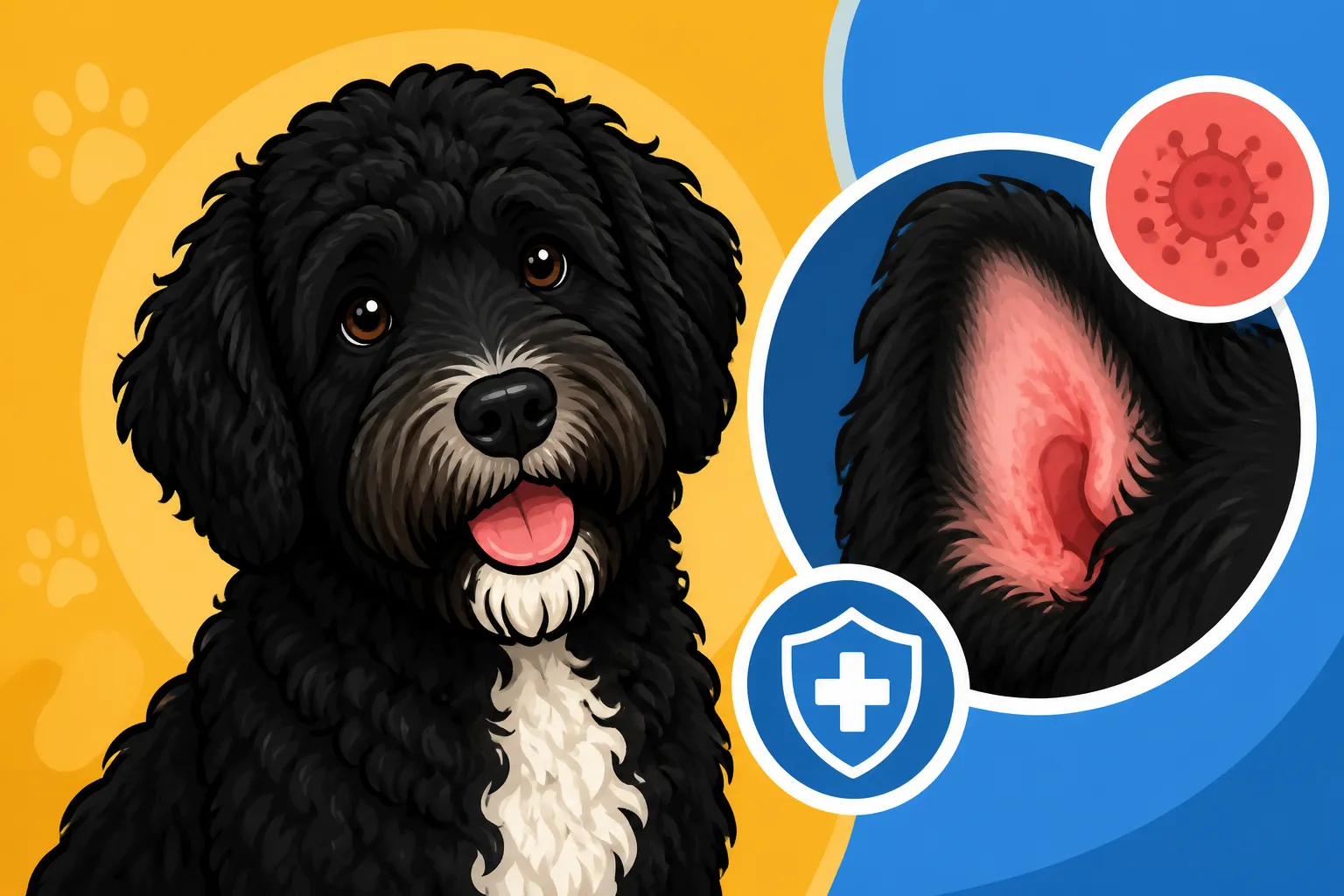
- Redness or Swelling: Gently lift your dog's ear flap and examine the skin inside. Is it pinker than usual? Red? Swollen? Healthy ear canals should be a pale, healthy pink, much like the skin on their belly. Any noticeable redness or puffiness is a red flag.
- Discharge: Is there any abnormal gunk coming out of the ear? This can range from dark brown, waxy, and greasy (often yeast) to yellow, green, or pus-like (usually bacterial). Sometimes, a dry, crumbly, dark discharge resembling coffee grounds might indicate ear mites. Healthy ears should have very minimal, light-colored wax.
- Odor: This is often one of the strongest indicators. Infected ears usually have a distinct, unpleasant smell. Yeast infections often smell sweet-sour or like "corn chips," while bacterial infections can have a much fouler, pungent, or cheesy odor. A healthy ear should have almost no detectable smell.
- Crusts or Scabs: If your dog has been scratching aggressively, you might see small scabs, crusts, or even hair loss around the ear opening and on the ear flap.
Regularly checking your dog’s ears, perhaps during your weekly grooming session or after a swim, can help you catch these subtle changes. If you’re ever unsure, trust your instincts – better safe than sorry.
Behavioral Changes: More Than Just an Itch
Beyond the visible and olfactory signs, your Portuguese Water Dog will often communicate their discomfort through changes in their behavior. These can sometimes be mistaken for general grumpiness or fatigue, so it's important to consider them in the context of potential ear issues.
- Head Shaking: This is perhaps the most classic and obvious sign. Your dog will vigorously shake their head, sometimes repeatedly, trying to dislodge whatever is irritating them in their ear. It might start subtly, but as the infection progresses, it can become more frequent and frantic.
- Ear Scratching: Constant scratching at the affected ear with a hind paw is another tell-tale sign. The scratching can sometimes be so intense that it causes trauma to the skin, leading to secondary infections or even a hematoma (a blood blister) on the ear flap due to ruptured blood vessels.
- Rubbing Ears: Your PWD might try to rub their painful ear against furniture, the carpet, or even your leg, seeking relief from the itch or pain.
- Whining or Crying: In more severe or painful infections, your dog might vocalize their discomfort, especially when you touch near the affected ear.
- Lethargy or Irritability: A dog in pain often won't feel like their usual self. They might be less active, more withdrawn, or even snap if you inadvertently touch their sore ear. They might also lose their appetite or show less enthusiasm for play or their beloved swimming.
- Tilting Head: Some dogs will hold their head tilted to one side, usually towards the painful ear, as if trying to relieve pressure or discomfort.
If you observe any of these behaviors, particularly in conjunction with visual or odor clues, it's a strong indication that an ear infection is brewing. Pay close attention, as these symptoms can escalate quickly.
When to Seek Veterinary Attention
Knowing when to call the vet is critical. While minor irritation might pass, an actual infection usually requires professional intervention. It's tempting to try home remedies or wait it out, but this can lead to the infection worsening, spreading deeper into the ear, and becoming much harder to treat.
You should contact your veterinarian immediately if you notice:
- Any significant discharge or foul odor from the ear.
- Persistent head shaking or scratching.
- Signs of pain, such as crying, yelping when the ear is touched, or aggression.
- Swelling of the ear canal or ear flap.
- Any sudden loss of balance or disorientation, which could indicate the infection has reached the inner ear.
Even if you’ve dealt with ear infections before, it’s always best to get a diagnosis, as different types of infections (yeast vs. bacteria, different bacterial strains) require different medications. A quick swab and examination under a microscope can tell your vet exactly what they’re dealing with, ensuring the right treatment plan is initiated without delay. Delaying treatment can turn a simple outer ear infection (otitis externa) into a middle or inner ear infection, which can be much more serious and could even affect hearing.
Preventative Care: Keeping Those PWD Ears Healthy and Happy
Preventing ear infections is much easier, and certainly less stressful, than treating them. For Portuguese Water Dogs, with their inherent predispositions, a proactive and consistent preventative care routine is paramount. It’s not just about addressing issues when they arise, but about implementing daily and weekly habits that build resilience against infection.
The Post-Swim Ritual: Drying is Key
Given their love for water, establishing a strict post-swim drying ritual is perhaps the single most important preventative measure for your Portuguese Water Dog. Every time your PWD gets wet – whether from a dip in the lake, a romp in the ocean, or even a rainy walk – their ears need attention. This isn't just a quick towel-dry of the outer ear; it requires carefully drying the ear canal itself.
After any water exposure, thoroughly dry the outer ear flap and then use a soft, absorbent towel or cotton balls to gently blot the inside of the ear canal as far as your finger can comfortably reach. Never insert cotton swabs or anything smaller than your finger into the ear canal, as this can push debris deeper or damage delicate structures. For dogs that are truly enthusiastic swimmers, you might consider using an ear drying solution. These products typically contain alcohol or other drying agents that help evaporate residual moisture and acidify the ear canal, creating an environment less favorable for bacterial and yeast growth. Products like Epi-Otic Advanced Ear Cleaner from Virbac or Zymox Ear Solution are often recommended by veterinarians. Make this a positive, routine experience with treats and praise, and your PWD will learn to tolerate it.
Regular Cleaning and Inspection
Beyond drying after swims, regular ear cleaning and inspection are vital for ongoing ear health. This isn't about deep cleaning every day, but rather a consistent maintenance schedule. For many Portuguese Water Dogs, especially those prone to issues, a weekly ear check and cleaning might be necessary. You might want to refer to How Often a Portuguese Water Dog's Ears Need Checking.
During your weekly inspection, look for any signs of redness, swelling, or discharge. Gently sniff the ear for any unusual odors. If you notice a buildup of wax or dirt, use a veterinarian-recommended ear cleaner designed for dogs. Squirt a small amount into the ear canal, gently massage the base of the ear for 20-30 seconds to break up debris, and then let your dog shake their head. After they shake, use a cotton ball or soft tissue to wipe away any excess cleaner and loosened debris from the outer ear and the visible part of the ear canal. Again, avoid inserting anything deep into the ear. This routine helps to remove wax, dirt, and trapped moisture, preventing buildup that could harbor infection. Many owners find that integrating this into their regular grooming routine, perhaps when they are brushing their dog or trimming nails, makes it less of a chore. If your PWD is particularly hairy inside the ear, discussing with your vet or groomer Whether a Portuguese Water Dog's Ear Hair Should Be Removed, either by plucking or careful trimming, might be beneficial to improve airflow, though this should be done with caution.
Dietary Considerations and Allergy Management
For Portuguese Water Dogs suffering from recurrent ear infections, looking beyond the ears themselves to their overall health, particularly their diet and potential allergies, is a crucial step. As mentioned, allergies are a major underlying cause of chronic ear inflammation.
If your PWD is experiencing persistent ear issues, even with diligent cleaning and drying, it's worth exploring if environmental or food allergies are at play. This often involves a conversation with your veterinarian about allergy testing or an elimination diet trial to identify potential food triggers. Switching to a limited ingredient diet or a hydrolyzed protein diet can sometimes make a dramatic difference. Brands like Royal Canin Hydrolyzed Protein or Purina Pro Plan Veterinary Diets HA are often used for such trials.
Beyond specific allergies, ensuring your Portuguese Water Dog is on a high-quality, balanced diet can support overall immune health, which in turn can help their body fight off infections more effectively. Some owners also find that adding omega-3 fatty acid supplements (fish oil) to their dog's diet can help reduce inflammation throughout the body, including in the ears. This proactive approach to internal health can significantly reduce the frequency and severity of ear infections, complementing your external cleaning efforts.
Diagnosing and Treating Ear Infections in Portuguese Water Dogs
Even with the most diligent preventative care, ear infections can sometimes still happen. When they do, prompt and accurate diagnosis followed by appropriate treatment is crucial. Self-diagnosing or delaying treatment can lead to more serious, painful, and costly complications. If you're wondering How Often a Portuguese Water Dog Gets an Ear Infection, it's often more than you'd like if preventative measures aren't strictly followed.
The Veterinary Examination and Diagnostics
When you suspect an ear infection, a trip to the veterinarian is non-negotiable. Your vet will conduct a thorough physical examination, focusing on the ears. This typically involves:
- Visual Inspection: Looking at the outer ear, ear flap, and the opening of the ear canal for redness, swelling, discharge, or any signs of trauma from scratching.
- Otoscopic Examination: Using an otoscope, a specialized instrument with a light and magnifying lens, your vet will look deep into the ear canal to assess its condition, identify any foreign bodies, check for parasites like ear mites, and ensure the eardrum (tympanic membrane) is intact. This is a critical step because if the eardrum is ruptured, certain medications cannot be safely used.
- Ear Swab and Cytology: This is the most important diagnostic step. Your vet will gently take a swab of the discharge from the ear canal and examine it under a microscope. This allows them to identify the type of microorganisms present – typically yeast, bacteria, or mites – and their relative numbers. This information is vital because it dictates the specific medication needed. For instance, an antifungal medication is useless against a bacterial infection, and vice-versa.
- Culture and Sensitivity (in severe cases): If the infection is severe, recurrent, or not responding to initial treatment, your vet might send a swab to a lab for culture and sensitivity testing. This test not only identifies the specific type of bacteria but also determines which antibiotics will be most effective against it, preventing unnecessary use of broad-spectrum antibiotics.
This comprehensive approach ensures that the treatment targets the exact cause of your PWD's discomfort, leading to a faster and more effective recovery.
Medical Treatment Options: From Drops to Oral Medication
Once the specific cause of the ear infection is identified, your veterinarian will prescribe the appropriate course of treatment. This usually involves topical medications, and sometimes oral medications, depending on the severity and type of infection.
- Topical Ear Medications: These are usually ear drops or ointments that contain a combination of ingredients to address the infection.
- Antifungals: For yeast infections (e.g., clotrimazole, nystatin).
- Antibiotics: For bacterial infections (e.g., gentamicin, neomycin, enrofloxacin).
- Corticosteroids: Often included to reduce inflammation, swelling, and pain, providing immediate relief for your dog.
Your vet will demonstrate how to properly administer these drops, ensuring they reach deep into the ear canal. Consistency is key, and you'll typically need to administer them once or twice daily for a specified period, even if the ear looks better sooner.
- Oral Medications: For severe infections, particularly those that have spread beyond the outer ear, or in cases of significant pain and inflammation, your vet may prescribe oral antibiotics, antifungals, or anti-inflammatory drugs. These systemic medications work throughout the body to combat the infection from within. They are often given in conjunction with topical treatments.
- Ear Cleaning Solutions (Medicated): Your vet might also provide a specific medicated ear cleaner to use as part of the treatment protocol, often before applying medicated drops. This helps to clean out debris and allow the medication to penetrate more effectively.
It's crucial to follow your vet's instructions precisely and complete the entire course of medication, even if your dog's ears appear to have cleared up. Stopping too early can lead to a relapse and antibiotic resistance. After the treatment period, a follow-up visit is often recommended to ensure the infection is completely gone and to discuss long-term preventative strategies. These treatments, along with vet visits, contribute to What a Portuguese Water Dog's Ear Infection Costs to Treat.
Addressing Recurrent Infections and Underlying Issues
Recurrent ear infections are a common and frustrating problem for many Portuguese Water Dog owners. If your PWD seems to be constantly battling ear problems, it's a strong signal that an underlying issue needs to be identified and managed. Simply treating each infection as it arises isn't sustainable and leads to repeated discomfort for your dog, and as you might guess, Why a Portuguese Water Dog's Ear Bills Repeat.
The first step in addressing recurrent infections is a thorough re-evaluation by your vet. This might involve:
- Deeper Allergy Investigation: As previously discussed, allergies are the primary driver of chronic ear issues. This could mean more extensive environmental allergy testing (blood tests or intradermal skin tests) or a strict food elimination trial. Successfully managing allergies, often with antihistamines, steroids, or allergy immunotherapy, can drastically reduce ear inflammation.
- Anatomical Considerations: In some rare cases, severe narrowing of the ear canal due to chronic inflammation (stenosis) or tumors can contribute to recurrent infections. In these instances, surgical intervention, such as a TECA (Total Ear Canal Ablation), might be considered as a last resort to remove the diseased ear canal, though this is a significant and irreversible procedure.
- Consistent Home Care: Revisit your home care routine. Are you consistently drying ears after every swim? Are you cleaning them regularly with an appropriate solution? Is your dog's ear hair being managed if it's contributing to the problem? Establishing a solid routine, perhaps even using a prophylactic ear cleaner a few times a week, can be vital. You might explore What a Portuguese Water Dog's Ear Cleaner Costs a Year, as investing in a good quality cleaner is worthwhile.
- Breed-Specific Predispositions: Acknowledging that the Portuguese Water Dog breed has unique predispositions means adopting a proactive mindset. Regular veterinary check-ups, especially eye and ear exams, should be part of their overall health regimen. It's also wise to research your breeder to ensure they're conducting Which Health Tests a Portuguese Water Dog Breeder Should Run.
Working closely with your veterinarian to develop a long-term management plan is essential. This might involve a combination of medication, dietary changes, environmental controls, and a very dedicated home care routine. The goal is not just to clear the current infection, but to prevent the next one, ensuring your Portuguese Water Dog can enjoy all the water activities they love without constant ear trouble. And remember, investing in pet insurance like Healthy Paws might alleviate some of the financial burden associated with frequent vet visits and ongoing treatments for chronic conditions like recurrent ear infections, helping you focus on your dog's health without constant worry about escalating costs.
Ear Care Checklist for Portuguese Water Dogs
To help you stay on top of your Portuguese Water Dog's ear health, here's a handy table summarizing key care points:
| Aspect of Ear Care | Frequency | Recommended Action | Key Observation Points |
|---|---|---|---|
| Post-Water Drying | After EVERY water exposure | Use cotton balls or soft cloth to blot visible ear canal. Consider vet-approved drying solution. | Ensure no residual dampness. Reward positive cooperation. |
| Routine Inspection | Weekly, or more often if prone to issues | Lift ear flap, check for redness, swelling, discharge, or odor. | Healthy ear should be pale pink, no strong odor or excessive wax. |
| Routine Cleaning | Bi-weekly to weekly, as needed | Use vet-approved ear cleaner. Squirt, massage, let dog shake, wipe away debris. | Clean ears should not have visible dirt, wax, or debris. |
| Hair Management | As needed, typically with grooming | Consult vet/groomer about plucking or trimming hair from ear canal to improve airflow. | Avoid over-plucking, which can cause irritation. |
| Allergy Monitoring | Ongoing | Watch for signs of skin irritation, itching, or digestive upset that could indicate allergies. | If recurrent issues, discuss allergy testing/elimination diet with vet. |
| Veterinary Check-ups | Annually, or immediately if signs of infection | Professional examination, otoscope check, cytology if infection suspected. | Early detection prevents more serious problems. |
Disclaimer
The information provided in this guide is intended for general knowledge and informational purposes only, and does not constitute professional veterinary advice. Always seek the advice of your veterinarian or other qualified animal health provider with any questions you may have regarding a medical condition or treatment for your Portuguese Water Dog. Never disregard professional veterinary advice or delay in seeking it because of something you have read in this article.