Whether a Portuguese Water Dog Gets Hypothyroidism
It's unsettling when your typically vibrant Portuguese Water Dog starts exhibiting subtle shifts—a sudden dip in their boundless energy, a dullness in their beautiful coat, or perhaps an unexplained weight gain. These changes naturally spark concern about metabolic issues. One common culprit many PWD owners worry about is hypothyroidism. This comprehensive guide will illuminate whether your Portuguese Water Dog is predisposed to this condition, how to spot the signs, and what diagnosis and management entail.
Understanding Hypothyroidism in Dogs
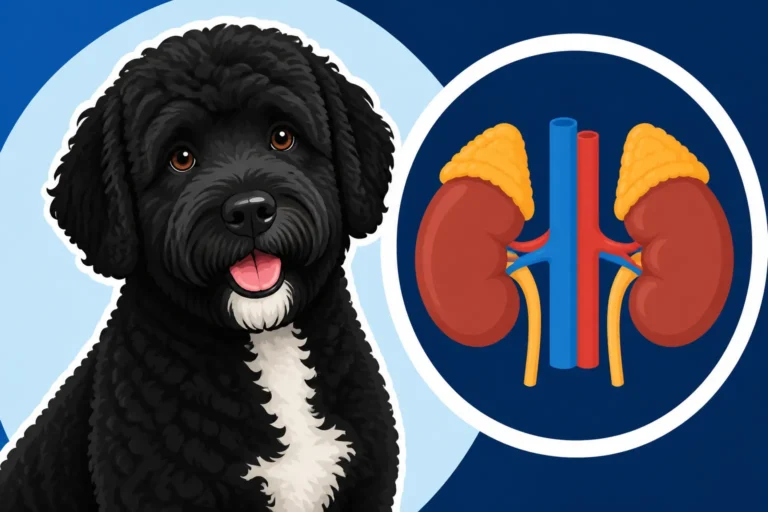
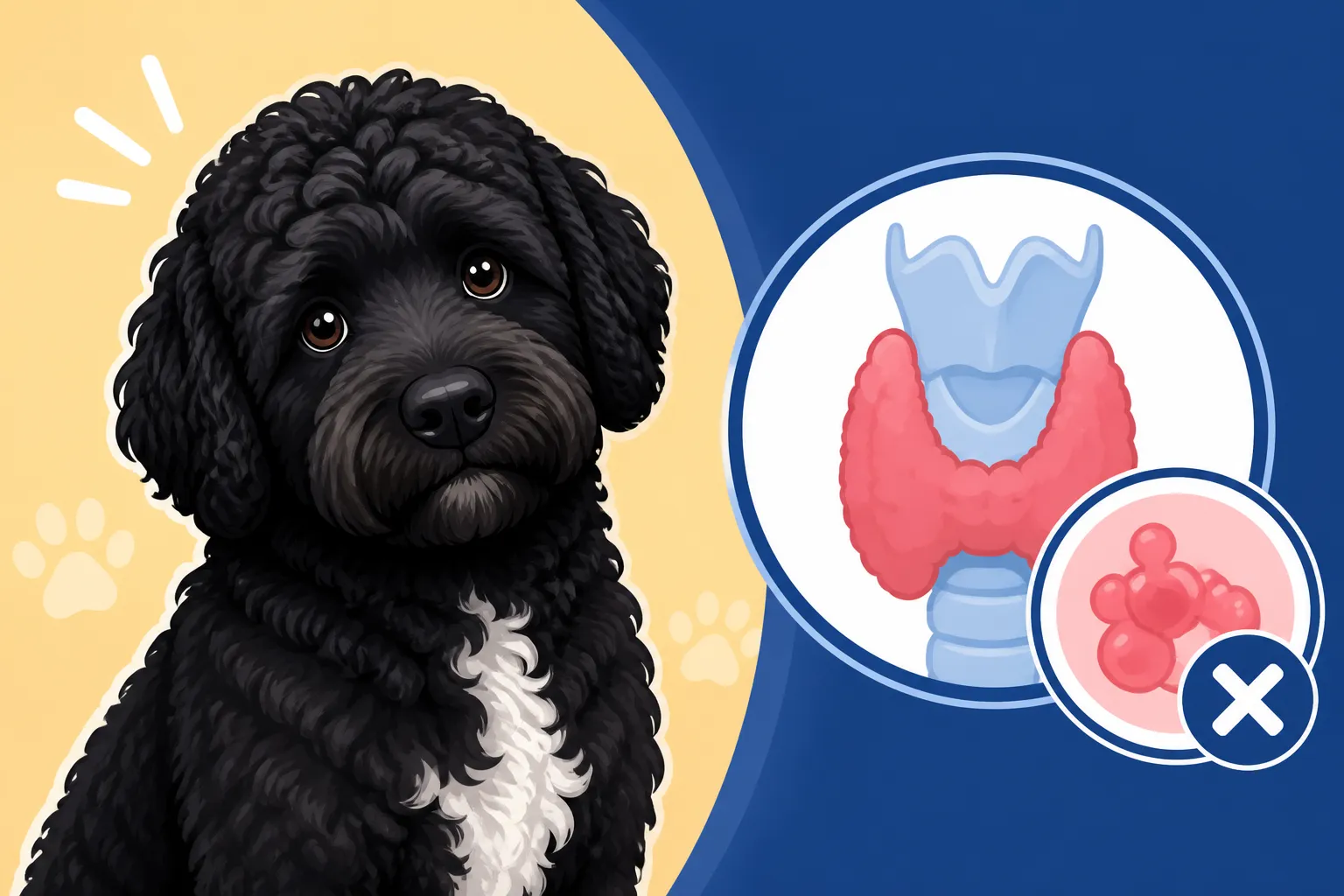
Hypothyroidism is one of the most common endocrine disorders affecting dogs, and it often catches owners off guard because its symptoms can be subtle and wide-ranging. Essentially, this condition arises when your dog's thyroid gland, a small, butterfly-shaped gland located in the neck, doesn't produce enough thyroid hormones. These hormones are critical for regulating metabolism in every cell of the body, influencing everything from energy levels to skin health and body temperature. When these hormone levels drop below the optimal range, the body's processes slow down, leading to a cascade of observable changes.
What is Hypothyroidism and How Does It Affect Dogs?
At its core, hypothyroidism is a deficiency of thyroid hormones, primarily thyroxine (T4) and triiodothyronine (T3). Imagine your dog's body as a finely tuned engine; thyroid hormones are the essential fuel that keeps it running efficiently. When there isn't enough fuel, the engine sputters, slows down, and eventually, parts start to malfunction. For a dog, this means a generalized slowing of metabolic rate. This can affect virtually every organ system, from the skin and coat to the cardiovascular system, nervous system, and reproductive organs. The impact can be quite profound, leading to a dog that seems to age prematurely or struggles with everyday activities they once enjoyed.
The primary role of these hormones is to control how quickly the body uses energy. Without sufficient thyroid hormones, the conversion of food into energy becomes sluggish, cellular regeneration slows, and essential functions become impaired. This metabolic slowdown explains many of the classic symptoms associated with hypothyroidism, such as weight gain despite no change in diet, lethargy, and a reduced tolerance for cold. It’s not just about feeling tired; it's about the entire body operating in slow motion, impacting their overall vitality and quality of life.
Common Causes of Hypothyroidism in Canines
While hypothyroidism can manifest for various reasons, the vast majority of cases in dogs are classified as primary hypothyroidism, meaning the problem originates directly from the thyroid gland itself. The most common cause of primary hypothyroidism is immune-mediated thyroiditis, where the dog's own immune system mistakenly identifies the thyroid gland as a foreign invader and attacks it. Over time, this autoimmune destruction leads to a gradual decrease in functional thyroid tissue, and consequently, a reduction in hormone production.
Another less common, but still significant, cause of primary hypothyroidism is idiopathic thyroid atrophy. In these cases, the thyroid gland simply wastes away or shrinks over time for reasons that are not fully understood, though it's also believed to have an autoimmune component. Secondary hypothyroidism, which is much rarer, occurs when the pituitary gland in the brain fails to produce enough thyroid-stimulating hormone (TSH), which is responsible for telling the thyroid gland to produce its hormones. Certain medications, like sulfonamide antibiotics, can also temporarily or, in rare cases, permanently suppress thyroid function. Regardless of the underlying cause, the result is the same: a body starved of the essential hormones it needs to thrive.
Is the Portuguese Water Dog Prone to Hypothyroidism?
When considering a specific breed, it’s natural to wonder if they carry a higher risk for certain health conditions. For Portuguese Water Dogs, who are known for their robust health and active lifestyles, the question of whether they are particularly susceptible to metabolic disorders like hypothyroidism is a valid one. While no breed is entirely immune to health challenges, some breeds do indeed show a genetic predisposition to specific conditions.
Breed Predisposition and Genetic Factors
Unfortunately, the Portuguese Water Dog is considered one of the breeds with an increased predisposition to developing hypothyroidism. This isn't unique to PWDs; many medium to large breeds, including Golden Retrievers, Doberman Pinschers, Airedale Terriers, and English Setters, also appear on the list of breeds at higher risk. The genetic link is often tied to the immune-mediated thyroiditis form of the disease. In these genetically predisposed breeds, there's an inherited tendency for the immune system to target the thyroid gland, leading to its eventual destruction and insufficient hormone production.
This genetic component means that if a Portuguese Water Dog has ancestors with diagnosed hypothyroidism, their own risk might be higher. Responsible breeders play a crucial role here by carefully screening their breeding stock. While there isn't a single definitive DNA test for hypothyroidism, breeders often utilize comprehensive thyroid panels as part of their health screening regimen to identify affected dogs or those with subclinical thyroid issues. This proactive approach helps to reduce the incidence in future generations, though it's a complex disease with multiple genetic influences, making it challenging to eradicate entirely. Understanding Which Health Tests a Portuguese Water Dog Breeder Should Run is vital for anyone considering a PWD puppy.
The Age Hypothyroidism Typically Appears in PWDs
Hypothyroidism in Portuguese Water Dogs, as with most predisposed breeds, generally isn't something you'll see in a young puppy. The onset is typically insidious, meaning it develops slowly and gradually, with symptoms often becoming noticeable as the dog matures into adulthood. Most cases are diagnosed in middle-aged dogs, usually between two and six years of age. However, it's not uncommon for symptoms to start appearing earlier, or sometimes even later, especially if the progression is very slow.
Because the immune-mediated destruction of the thyroid gland is a gradual process, the dog's body can often compensate for a period, producing enough hormones even as the gland itself is being damaged. It's only when a significant portion of the thyroid tissue is no longer functional that clinical signs become evident. This makes regular veterinary check-ups important as your PWD transitions from energetic youth to robust adulthood, allowing for early detection of subtle changes that might otherwise be dismissed. Early identification often leads to better management and improved outcomes, ensuring your PWD can continue to enjoy The Twelve to Fifteen Years a Portuguese Water Dog Gets in good health.
Recognizing the Signs of Hypothyroidism in Your Portuguese Water Dog
One of the frustrating aspects of hypothyroidism is that its symptoms can be incredibly varied and often mimic other conditions, earning it the nickname "the great pretender." For a Portuguese Water Dog owner, understanding the specific signs to watch for is crucial, especially given their unique coat and high energy levels. It’s not always obvious, and sometimes, you might attribute changes to aging or simple behavioral quirks.
Physical Manifestations and Coat Changes
Many of the classic signs of hypothyroidism relate directly to the body's metabolic slowdown. One of the most noticeable changes often occurs with your PWD's coat and skin. You might start to observe a dry, brittle, or thinning coat, even with regular grooming. The beautiful, dense curls or waves might lose their luster and become coarse to the touch. In some cases, there can be symmetrical hair loss, particularly along the flanks, chest, or tail, without any signs of itching or inflammation. The skin itself might become dry, flaky, or even thickened, often referred to as "tragic expression" due to puffiness around the eyes. Some owners report a change in skin pigmentation, with darker patches appearing.
A tell-tale sign that might point to hypothyroidism is a dog that develops what's known as a "rat tail" or "bald tail," where the hair thins or disappears entirely from the tail, leaving it sparsely covered. While it's important to differentiate from other causes, if you notice your PWD's coat thinning or changing texture, especially when coupled with other symptoms, it's worth a conversation with your vet. To learn more about specific hair loss patterns, you might want to read Whether a Hypothyroid Portuguese Water Dog Loses Coat. These coat issues can sometimes be subtle and might be overlooked by owners who aren't regularly checking their dog's skin under their thick, water-resistant fur.
Another common physical manifestation is unexplained weight gain. Despite no change in diet or exercise, your Portuguese Water Dog might start to put on pounds. This isn't just a little extra fluff; it's a metabolic issue where their body isn't burning calories efficiently. This can be particularly challenging to spot in PWDs, as their sturdy build and dense coat can mask incremental weight gain. You might also notice a decreased tolerance to cold, with your PWD seeking out warm spots or shivering more than usual. Some dogs even develop a slower heart rate.
| Symptom Category | Common Hypothyroidism Signs | How It Might Appear in a PWD |
|---|---|---|
| Energy & Behavior | Lethargy, mental dullness, decreased activity | A noticeable drop in typical high drive, disinterest in swimming/play, longer naps, seems "slower" to respond. |
| Weight & Appetite | Weight gain, no change in appetite | Gradual increase in weight despite consistent diet and exercise, a "heavier" feel under their coat. |
| Skin & Coat | Dry, brittle, thinning coat, symmetrical hair loss, poor regrowth, "rat tail" | Dull, coarse, matted-prone fur; hair loss on flanks, chest, tail base; dry, flaky skin under thick fur. |
| Temperature | Cold intolerance, seeking warmth | Shivering in cooler weather, reluctance to swim in slightly chilly water, burrowing under blankets more often. |
| Other | Recurrent skin/ear infections, muscle weakness, reproductive issues | Persistent ear infections despite cleaning; less stamina in water sports; fertility problems if unspayed/unneutered. |
Behavioral and Metabolic Symptoms
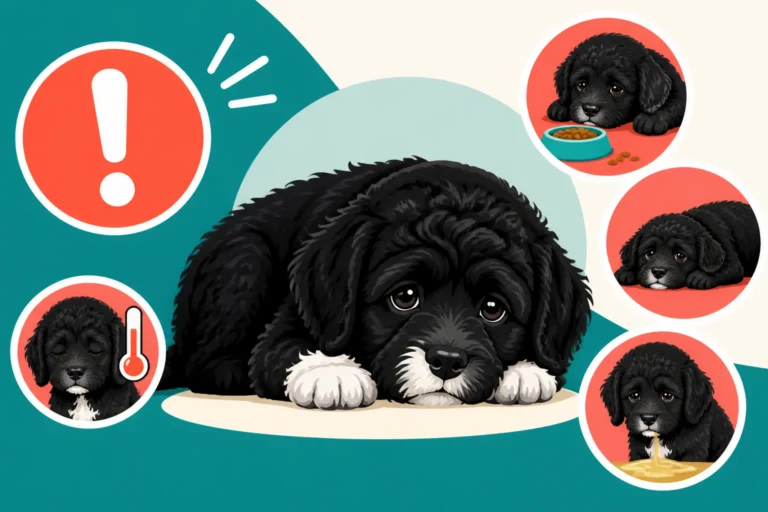
Beyond the physical, hypothyroidism can significantly impact your Portuguese Water Dog's behavior and overall metabolic function. One of the most frequently reported signs is lethargy. This isn't just about being a little tired after a long swim; it's a persistent, generalized lack of energy. Your PWD, usually full of boundless enthusiasm for walks, play, and water activities, might become noticeably slower, less eager to engage, and seem generally "out of it." They might sleep more, move more slowly, and show reduced stamina during exercise. This can be especially concerning in a breed known for its vitality and working drive.
Accompanying the lethargy, some owners report a subtle shift in their dog's mental state. They might seem less alert, duller, or even experience a mild form of cognitive dysfunction. While not common, some dogs with hypothyroidism can become more irritable or aggressive due to discomfort or generalized malaise, though this is less typical. Other, less obvious, metabolic symptoms can include chronic or recurrent skin and ear infections because the immune system is also operating at a reduced capacity. If you're constantly battling ear infections in your PWD despite diligent cleaning, it could be a clue. Reproductive problems, such as infertility, irregular heat cycles, or poor litter sizes, can also be linked to hypothyroidism in intact dogs. For a more exhaustive list of symptoms, you might find Signs a Portuguese Water Dog's Thyroid Is Low helpful.
Diagnosing Hypothyroidism in Portuguese Water Dogs
Suspecting hypothyroidism is one thing; getting a definitive diagnosis is another. Because the symptoms are so diverse and can overlap with many other health conditions, your veterinarian will need to perform specific tests to confirm the diagnosis. It’s a process that often requires a comprehensive approach, ruling out other possibilities before pinpointing the thyroid as the culprit.
The Diagnostic Process and Necessary Tests
The journey to diagnosing hypothyroidism typically begins with a thorough physical examination and a detailed discussion about your Portuguese Water Dog's symptoms and health history. Your vet will be looking for those subtle signs we discussed—coat changes, weight gain, lethargy, and perhaps a slower heart rate. However, these clinical signs alone aren't enough for a definitive diagnosis. The crucial step involves blood tests to measure the levels of thyroid hormones and related compounds in your dog's bloodstream.
The most common tests include:
- Total T4 (TT4): This measures the total amount of thyroxine (T4) circulating in the blood, both bound and unbound. It's often the first screening test, but it can be influenced by many non-thyroidal factors, including certain medications and other illnesses.
- Free T4 (fT4): This measures only the unbound, biologically active form of T4. It's considered a more accurate indicator of thyroid function than TT4 because it's less affected by other factors.
- Thyroid-Stimulating Hormone (TSH): TSH is produced by the pituitary gland and stimulates the thyroid to produce T4 and T3. In hypothyroid dogs, TSH levels are typically high because the pituitary is working overtime to try and stimulate a failing thyroid gland.
- Thyroglobulin Autoantibodies (TgAA): This test checks for antibodies that specifically target the thyroid gland's own proteins. Elevated levels of TgAA are a strong indicator of immune-mediated thyroiditis, the most common cause of hypothyroidism in PWDs and other breeds.
A complete thyroid panel, which includes these tests, provides the most comprehensive picture. It's essential to perform these tests correctly, sometimes requiring a specific blood draw time or avoiding certain medications beforehand. For a deeper dive into overall health monitoring, you might want to review What a Portuguese Water Dog's Yearly Bloodwork Should Cover.
Why Diagnosis Can Be Tricky and What to Watch For
Diagnosing hypothyroidism isn't always a straightforward process, largely because of several confounding factors. As mentioned, the TT4 test, while common, can give false low readings due to "euthyroid sick syndrome," a condition where non-thyroidal illnesses or even certain medications can temporarily suppress thyroid hormone levels, even if the thyroid gland itself is perfectly healthy. This is why a full panel including fT4 and TSH is so important—it helps differentiate true hypothyroidism from these other influences.
Another challenge is that a dog can be "subclinically hypothyroid," meaning their hormone levels are slightly low, but they haven't yet developed overt clinical signs. This can be particularly frustrating for owners who know something is off with their PWD but whose initial tests come back inconclusive. If your vet suspects hypothyroidism but the initial panel is borderline, they might recommend retesting in a few weeks or months, or sending samples to a specialized veterinary endocrinology lab for more detailed analysis. It's important to advocate for your dog if you feel something is genuinely amiss, and to discuss all potential differential diagnoses. For instance, sometimes symptoms can overlap with other endocrine issues like Addisons Disease Is Common in Portuguese Water Dogs, requiring careful differentiation. Always provide your vet with a complete history of any medications your PWD is taking, as some can interfere with thyroid test results.
Managing and Treating Hypothyroidism in Your PWD
Once a definitive diagnosis of hypothyroidism is made, it's natural to feel overwhelmed. However, the good news is that hypothyroidism is one of the most manageable endocrine diseases in dogs. While it is a lifelong condition, treatment is highly effective and relatively simple, allowing your Portuguese Water Dog to regain their vitality and live a full, happy life.
Lifelong Medication and Monitoring
The cornerstone of hypothyroidism treatment in dogs is daily oral administration of synthetic thyroid hormone, specifically levothyroxine (synthetic T4). This medication replaces the hormone your Portuguese Water Dog's thyroid gland is no longer producing sufficiently. The dosage is carefully calculated based on your dog's weight and the severity of their condition. It's crucial to give the medication consistently, usually once or twice a day, exactly as prescribed by your veterinarian. Missing doses or altering the schedule can lead to fluctuating hormone levels and a return of symptoms.
After starting medication, your vet will schedule follow-up blood tests, typically within 4-8 weeks, to assess how your PWD is responding. These tests measure T4 levels to ensure the dosage is optimal. The goal is to get the thyroid hormone levels back into the normal range, alleviating the symptoms. Once stable, your PWD will likely need blood work every 6-12 months to monitor their levels and ensure the dosage remains appropriate, as their needs can change over time. Many owners find the cost of lifelong medication and regular monitoring to be a significant consideration, which is where a good pet insurance plan from providers like Healthy Paws can truly help offset expenses, providing peace of mind.
The Prognosis and Quality of Life for Hypothyroid PWDs
The prognosis for Portuguese Water Dogs with hypothyroidism is excellent, provided they receive consistent and appropriate treatment. With levothyroxine, most dogs show remarkable improvement in their symptoms, often within a few weeks to months. Owners typically report a significant increase in energy, a more alert demeanor, and a noticeable improvement in coat quality. The lethargy dissipates, the weight often stabilizes or reduces, and their PWD becomes the vibrant, playful companion they once were. The dullness in their coat will give way to the healthy, lustrous texture you expect from the breed, although it may take some months for full hair regrowth in areas of loss.
While it is a lifelong commitment, the medication is generally safe with minimal side effects when dosed correctly. The key to a good quality of life is strict adherence to the treatment plan and regular veterinary check-ups for monitoring. It allows your PWD to maintain their active lifestyle, continue enjoying their swims, and participate in all the activities they love. When factoring in the long-term care, it’s understandable to consider What a Portuguese Water Dog Costs Over Its Lifetime, and chronic conditions like hypothyroidism will add to that figure, making insurance options like those from Healthy Paws even more valuable. Consistent management means your PWD can live a normal, healthy lifespan without the debilitating effects of untreated hypothyroidism.
Prevention and Responsible Breeding Practices
While hypothyroidism is a complex condition with genetic predispositions, there are certainly steps that can be taken to minimize its occurrence and impact within the Portuguese Water Dog community. This involves a two-pronged approach: responsible breeding practices to reduce genetic risk and proactive care to support the overall health of individual dogs.
Screening and Breeder Responsibilities
For anyone involved in or considering Portuguese Water Dog breeding, genetic health screening for all potential breeding stock is paramount. While there isn't a single definitive DNA test for hypothyroidism, breeders should routinely perform comprehensive thyroid panels on their breeding dogs, usually starting around two years of age and repeating them annually or biennially. These panels, which include TT4, fT4, TSH, and TgAA, help identify dogs with abnormal thyroid function or those carrying autoantibodies that signal an autoimmune predisposition. It's a key part of maintaining Whether the Portuguese Water Dog Is a Healthy Breed.
Breeders should be transparent about their dogs' thyroid health results and should avoid breeding dogs that are overtly hypothyroid or have high levels of TgAA, especially if they have a history of hypothyroidism in their immediate lineage. The Orthopedic Foundation for Animals (OFA) maintains a public database where breeders can register their dogs' thyroid test results, providing valuable information for prospective puppy buyers. This commitment to health screening, though an added expense, is critical for reducing the incidence of inherited diseases within the breed, fostering a healthier future for all Portuguese Water Dogs.
Supporting Your PWD's Overall Thyroid Health
Beyond breeding choices, individual owners can support their Portuguese Water Dog's general health, which indirectly contributes to maintaining optimal thyroid function. A balanced, high-quality diet appropriate for an active breed like the PWD is essential. While specific "thyroid-boosting" diets are generally not proven for preventing true hypothyroidism, providing good nutrition supports overall endocrine health. Maintaining a healthy weight is also important, as obesity can sometimes complicate the diagnosis and management of metabolic disorders. If you're wondering How a Portuguese Water Dog's Coat Hides Weight Loss, regular hands-on checks are crucial.
Regular exercise, keeping your PWD physically and mentally stimulated, and managing stress levels can also contribute to overall well-being. Avoiding unnecessary exposure to environmental toxins and being mindful of medications that can interfere with thyroid function are also wise practices. If your vet prescribes long-term medications, always discuss their potential impact on various organ systems. While you can't prevent a genetically predisposed dog from developing autoimmune thyroiditis, a healthy lifestyle can ensure their body is in the best possible condition to cope with any health challenges that arise, and to respond optimally to treatment should it become necessary. For questions about senior care, see Caring for an Aging Portuguese Water Dog, as these health considerations often become more prominent later in life.
Disclaimer
The information provided in this guide is for general informational purposes only and does not constitute veterinary advice. Always consult with a qualified veterinarian for any health concerns or before making any decisions about your Portuguese Water Dog's health or treatment.