Whether Portuguese Water Dog Health Has Improved
It's a completely fair question to wonder if the health landscape for Portuguese Water Dogs has truly improved over the years. Many of us who adore this breed have heard the whispers, seen the statistics, and felt the heartbreak of genetic conditions that once plagued our beloved companions. This guide will dive deep into the journey of Portuguese Water Dog health, exploring the challenges faced, the incredible strides made, and the ongoing commitment required from breeders and owners alike to ensure a healthier future for these magnificent, curly-coated adventurers.
Understanding Past Health Challenges in Portuguese Water Dogs
Before we can celebrate the improvements, it's crucial to acknowledge the historical health landscape that Portuguese Water Dogs (PWDs) once navigated. Like many purebred dogs, PWDs emerged from a relatively small gene pool, especially during their near extinction and subsequent re-establishment in the mid-20th century. This narrow genetic base, while helping to solidify their distinctive traits, also meant that certain undesirable genes could become concentrated within the population. It was a tough reality for many early owners and breeders, who loved these dogs fiercely but often found themselves facing devastating conditions with limited understanding or tools to combat them.
For years, breeders operated largely on observation and pedigree analysis, trying their best to avoid known issues, but often without the scientific clarity we have today. This meant that conditions could pop up unexpectedly, leaving families heartbroken and breeders feeling helpless. Imagine dedicating years to a breeding program, only to have a litter affected by a serious illness that you had no way of predicting or preventing. That was the struggle, and it fueled a desperate need for better answers and more effective strategies to protect the breed.
The Shadow of Early Genetic Diseases
Some of the most devastating health issues that cast a long shadow over the Portuguese Water Dog breed in earlier decades were inherited genetic conditions. These weren't just minor inconveniences; they were often fatal or severely debilitating, striking puppies and young dogs before they even had a chance to live a full life. Conditions like Juvenile Dilated Cardiomyopathy (JDCM) were particularly tragic. Puppies affected by JDCM could appear completely healthy one day, full of life and vigor, only to succumb suddenly and without warning. The quick onset and severe outcome made it incredibly difficult for owners to cope, and for breeders, it was a profound blow to their efforts.
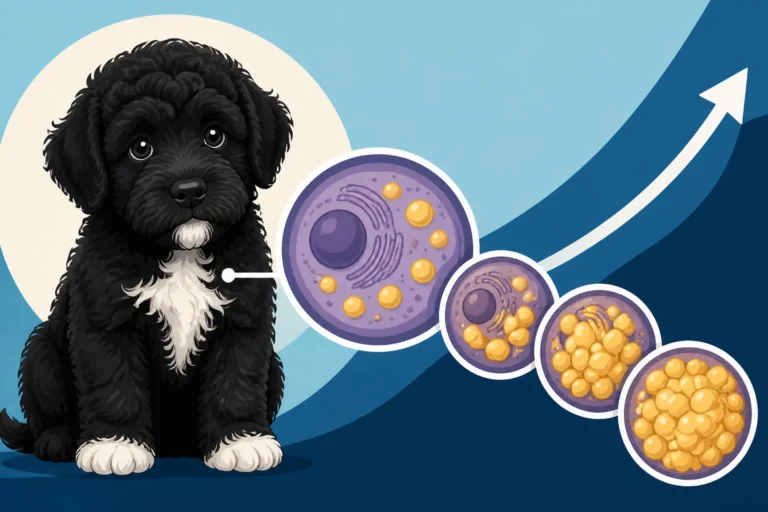
Another significant concern was GM1 Gangliosidosis, a terrible neurodegenerative disease. Puppies with GM1 would fail to thrive, showing progressive neurological signs like loss of coordination and tremors, eventually leading to a very short and painful life. When the Portuguese Water Dog puppy never reaches six months due to GM1 Gangliosidosis, it's a profound tragedy. Similarly, certain forms of Progressive Retinal Atrophy (PRA) led to blindness, impacting the quality of life for many dogs. These diseases weren't just abstract genetic terms; they were real, tangible threats to individual dogs and the future of the breed.
Non-Genetic Concerns That Also Plagued the Breed
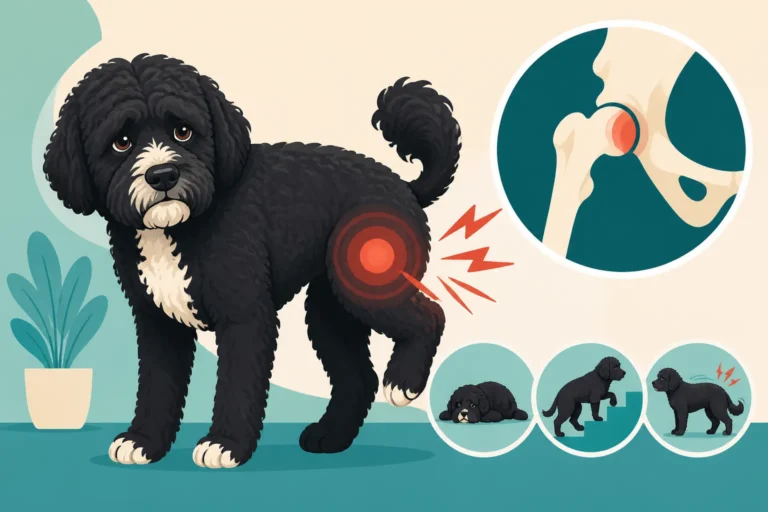
Beyond the stark reality of genetic diseases, Portuguese Water Dogs also grappled with other health concerns that, while not always inherited in a simple Mendelian fashion, still presented significant challenges. Musculoskeletal issues, particularly Hip Dysplasia in a Portuguese Water Dog and Elbow Dysplasia, were prevalent. These conditions, influenced by both genetics and environmental factors, could lead to chronic pain, lameness, and reduced mobility, severely impacting a PWD's ability to enjoy its active, water-loving lifestyle. Owners often found themselves navigating costly surgeries or lifelong pain management for their otherwise robust dogs.
Then there were conditions like Addison's Disease, often called "the great pretender" because its symptoms can mimic so many other ailments, making diagnosis incredibly tricky. Signs a Portuguese Water Dog has Addison's can range from lethargy and vomiting to sudden collapse. This autoimmune disorder, while treatable, requires lifelong medication and careful management, placing a significant emotional and financial burden on families. Managing these complex conditions became a central part of responsible ownership, highlighting the need for vigilance, excellent veterinary care, and sometimes, the financial safety net that pet insurance, such as a policy from Healthy Paws, can provide. These widespread issues created a sense of urgency within the breed community to find better solutions.
The Transformative Impact of Genetic Testing and Responsible Breeding
The turning point for Portuguese Water Dog health came with advancements in veterinary genetics and the unwavering commitment of dedicated breeders and breed clubs. The frustrations of the past fueled a collective desire to understand, test, and ultimately reduce the incidence of debilitating inherited diseases. This shift from reactive treatment to proactive prevention has fundamentally reshaped the health landscape of the breed, offering hope and tangible improvements to current and future generations of PWDs.
The availability of reliable DNA tests for specific genetic markers was a game-changer. Suddenly, breeders had a powerful tool to identify carriers of diseases like JDCM and GM1, allowing them to make informed decisions about breeding pairs. No longer did they have to wait for an affected puppy to appear to know a problem existed within their lines. This scientific precision allowed for the systematic reduction of disease prevalence, making a profound difference in the lives of countless puppies and their families.
DNA Testing: Illuminating the Gene Pool
The introduction of DNA tests brought unprecedented clarity to the Portuguese Water Dog gene pool. For diseases like Juvenile Dilated Cardiomyopathy (JDCM), a simple cheek swab could now tell a breeder if their dog was clear, a carrier, or affected. This meant that the terrible scenario of healthy-looking puppies dying suddenly could be largely avoided by carefully planning matings to ensure no two carriers were bred together. This drastically reduced the chances of producing affected puppies. The same revolutionary change happened with GM1 Gangliosidosis. The GM1 test changed Portuguese Water Dog breeding profoundly, allowing breeders to confidently select mates and ensure that puppies born were free from this devastating neurological disorder.
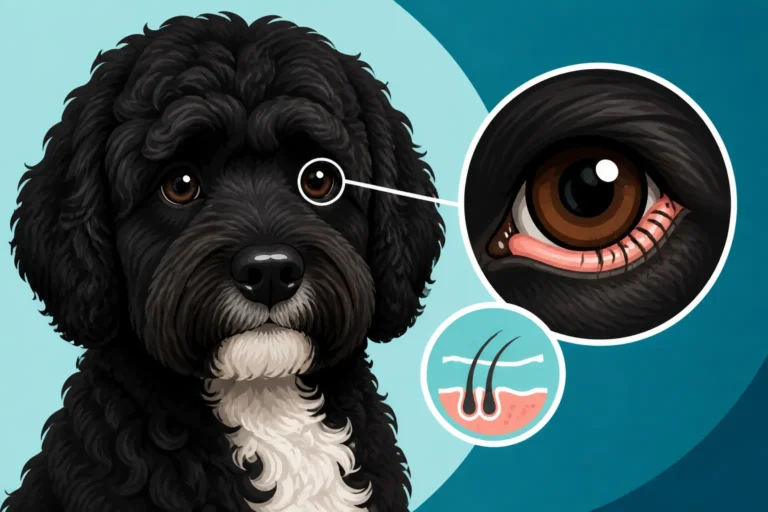
Similarly, genetic tests for Progressive Retinal Atrophy (PRA) enabled breeders to identify dogs carrying the genes for both prcd-PRA and Early Onset PRA. Understanding How the Two Portuguese Water Dog Eye Diseases Differ and testing for both ensures that blindness caused by these specific genetic mutations can be minimized. Most reputable breeders today will proudly show you the results of these critical tests, which are often part of The Four DNA Tests Every Portuguese Water Dog Breeder Runs. This transparency and scientific approach have drastically improved the chances of acquiring a healthy puppy from a responsible breeder, giving new owners much-needed peace of mind.
Selective Breeding and Health Certifications
Beyond DNA tests, a robust system of health certifications has become standard practice among ethical Portuguese Water Dog breeders. This isn't just about avoiding a few specific genetic diseases; it's about evaluating the overall health and structural soundness of breeding dogs. Organizations like the Orthopedic Foundation for Animals (OFA) provide databases for hip and elbow evaluations, helping breeders make choices that reduce the incidence of orthopedic issues. By carefully screening parents for conditions like hip and elbow dysplasia before breeding, they are actively working to improve the structural integrity of future generations. It’s a vital component of What a Portuguese Water Dog Breeder Should Have Tested.
Breeders also participate in regular eye examinations performed by certified veterinary ophthalmologists to screen for other eye conditions not covered by DNA tests. Cardiac screenings are often performed to check for heart murmurs or other abnormalities. This multi-faceted approach to health screening, combining DNA tests with physical examinations and certifications, represents a significant improvement in breed health. It ensures that breeders are not just crossing their fingers, but are actively using all available tools to produce the healthiest puppies possible. Of course, even with the best screening, issues can sometimes arise, and this is where comprehensive pet insurance, like that offered by Healthy Paws, provides an essential safety net for owners.
Ongoing Vigilance and Future Health Horizons
While significant progress has been made, the journey toward optimal Portuguese Water Dog health is an ongoing one. The breed community understands that resting on past achievements is not an option. New research constantly emerges, and our understanding of canine genetics and health conditions evolves. Therefore, continuous vigilance, participation in health registries, and supporting scientific research remain paramount to securing an even healthier future for the Portuguese Water Dog. It’s a commitment that responsible owners and breeders embrace wholeheartedly, knowing that the well-being of these magnificent dogs depends on their continued dedication.
The breed is generally considered to be a healthy breed with a good average lifespan of 12-15 years, as explored in articles like How Long a Portuguese Water Dog Lives on Average. However, this positive outlook is directly linked to the consistent application of health protocols. Without ongoing effort, the gains made could easily be lost. This means staying informed about emerging health issues, participating in breed-specific health surveys, and working collaboratively with veterinarians and geneticists to identify and address new challenges as they arise.
Monitoring for Emerging Conditions
The landscape of canine health is dynamic, and new conditions or genetic markers can emerge or be identified. For example, while Addison's Disease is common in Portuguese Water Dogs, there isn't a definitive DNA test for it yet, highlighting areas where more research is needed. Researchers are continuously working to identify genetic markers for complex diseases that may have multiple contributing genes, or for conditions like certain cancers that affect the breed. Monitoring for these potential issues requires diligent record-keeping by breeders and owners, as well as participation in research studies. By submitting samples and sharing health data, the PWD community contributes to a larger database that helps scientists pinpoint genetic links and develop new screening tools.
Furthermore, veterinary science continually refines diagnostic techniques. For instance, whether an echocardiogram finds JDCM early is a question that continues to be researched. Such advancements mean that even if a genetic test isn't yet available, earlier and more accurate diagnoses can be made, allowing for better management or treatment. This commitment to staying at the forefront of veterinary medicine is crucial for maintaining and further improving Portuguese Water Dog health.
The Role of Breed Clubs and Registries
Breed clubs play an indispensable role in promoting and safeguarding Portuguese Water Dog health. Organizations like the Portuguese Water Dog Club of America (PWDCA) establish health committees, fund research initiatives, and educate their members on best practices for breeding and ownership. They often maintain comprehensive health databases, which aggregate health testing results for individual dogs, allowing for a broader understanding of health trends within the breed. These registries, such as the Orthopedic Foundation for Animals (OFA) and the Canine Health Information Center (CHIC), are critical resources for potential owners and breeders alike.
These clubs also actively encourage participation in various health clinics and screenings, making it easier for owners to get recommended tests for their dogs. They serve as a hub for information, disseminating updates on genetic research, new testing protocols, and responsible breeding guidelines. This collective effort, driven by passionate individuals and supported by robust organizational structures, ensures that the focus on health remains a top priority, pushing the breed towards even greater overall well-being.
Partnering for a Healthy Portuguese Water Dog Future
Ultimately, the health of a Portuguese Water Dog is a shared responsibility, a true partnership between ethical breeders, knowledgeable veterinarians, and committed owners. When all parties work together, equipped with information and resources, the outcome is a higher quality of life for these intelligent, active dogs. This collaboration is what has allowed Portuguese Water Dog health to improve significantly, and it’s what will continue to drive positive change.
Beyond genetic testing and responsible breeding choices, proactive care at home and access to quality veterinary services are non-negotiable. It means understanding the specific needs of the breed, staying alert to any changes in your dog's behavior or physical condition, and being prepared for the unexpected. For many, this preparation includes considering how to financially manage potential health challenges, ensuring that their beloved companion always receives the best possible care.
The Owner's Role in Proactive Health Management
As an owner, you are on the front lines of your Portuguese Water Dog's health. This means regular veterinary check-ups, ensuring a balanced diet tailored to an active breed, and providing ample exercise to maintain a healthy weight and strong joints. Keeping up with vaccinations and parasite prevention is also critical. Beyond the basics, it involves being observant: knowing your dog's normal behavior and recognizing subtle signs that something might be amiss. For instance, a Portuguese Water Dog can be stoic and might try to hide pain, so a keen eye is essential.
Routine grooming is another opportunity for health checks. While brushing your Portuguese Water Dog, you can check for lumps, skin irritations, or changes in coat texture. Regularly cleaning a Portuguese Water Dog's ears, especially after swimming, is crucial to prevent ear infections, a common issue for water-loving breeds. Being proactive also means open communication with your veterinarian, discussing any concerns you have, and following their recommendations for preventative care and screenings throughout your dog's life, especially as they enter their senior years, as discussed in Caring for a Portuguese Water Dog Past Nine.
The Value of Comprehensive Pet Insurance
Even with the most rigorous breeding and proactive care, health issues can arise, sometimes unexpectedly and with significant costs. This is where comprehensive pet insurance becomes an invaluable tool for many Portuguese Water Dog owners. An unexpected illness, an accident, or a chronic condition like Addison's Disease, which requires lifelong medication, can quickly accumulate substantial veterinary bills. Knowing you have financial support allows you to make medical decisions based on what's best for your dog, rather than being constrained by cost.
For example, a company like Healthy Paws offers policies that can cover a wide range of accidents, illnesses, surgeries, and emergency care. When considering What Insurance Covers on a Portuguese Water Dog, it’s clear that having a robust plan in place can offer tremendous peace of mind. While preventative care and pre-existing conditions typically aren't covered, the ability to address unforeseen health challenges without breaking the bank means you can focus on your Portuguese Water Dog's recovery. Many owners find that investing in pet insurance, like a policy from Healthy Paws, early in their dog's life is one of the best decisions they make, ensuring their beloved companion is protected for years to come.
Comparing Key Health Advances in Portuguese Water Dogs
To truly appreciate how Portuguese Water Dog health has improved, let's look at some key areas where genetic testing and breeder responsibility have made a substantial impact.
| Health Condition | Historical Impact (Pre-Testing Era) | Current Status (Post-Testing Era) | Impact of Improvement |
|---|---|---|---|
| Juvenile Dilated Cardiomyopathy (JDCM) | High mortality in puppies, sudden death, no warning. | Preventable through DNA testing of breeding dogs; affected puppies now rare from responsible breeders. | Drastic reduction in puppy deaths, immense relief for owners. |
| GM1 Gangliosidosis | Neurodegenerative disease, severe neurological signs, early death. | Preventable through DNA testing; virtually eliminated from lines of responsible breeders. | Eliminated this devastating neurological condition in tested lines. |
| Progressive Retinal Atrophy (PRA) | Led to blindness, especially prcd-PRA, impacting quality of life. | Detectable by DNA tests for prcd-PRA and Early Onset PRA; breeders can avoid producing affected dogs. | Significant reduction in hereditary blindness cases. |
| Hip and Elbow Dysplasia | Common orthopedic issues, often leading to pain and lameness. | Minimized through OFA/PennHIP evaluations and selective breeding for better joint conformation. | Improved mobility, reduced incidence of severe orthopedic issues. |
| Addison's Disease | Difficult to diagnose, lifelong management, genetic component suspected. | No DNA test, but increased awareness, earlier diagnosis, and effective treatment. Breeders consider family history. | Better quality of life for affected dogs through prompt diagnosis and treatment. |
Note: This table highlights general trends. Individual health outcomes can still vary.
Disclaimer
The information provided in this article is for educational purposes only and should not be considered a substitute for professional veterinary advice. Always consult with a qualified veterinarian for any health concerns or before making any decisions related to your Portuguese Water Dog's care.